Matox News

Truth Over Trends, always!

AI videos amplify Russia’s online disinformation efforts among youth

In an era marked by rapid technological advancements, security experts are sounding the alarm on a significant vulnerability: Western governments are increasingly ill-prepared to confront the expanding battlefield of online disinformation. As the digital realm becomes more integral to societal cohesion and political stability, this inability to effectively counter malicious information campaigns represents a foundational threat to democracy and national security. Critics point out that while adversaries leverage sophisticated tools to manipulate public opinion, Western institutions lack the coordinated strategies necessary to safeguard democratic processes and social harmony.

Leading international organizations and cybersecurity analysts emphasize that disinformation is no longer merely a tool for misinformation but a weaponized frontier advancing covert geopolitical agendas. Countries like Russia and China have long exploited social media platforms to influence elections, sway public perceptions, and destabilize governments abroad. Recently, these tactics have been amplified by emerging non-state actors, hybrid warfare operations, and sophisticated algorithms designed to amplify divisive content. Historians like Dr. Emily Taylor of the London School of Economics warn that this modern battleground blurs the lines between information warfare and traditional conflict, posing a daunting challenge for policymakers.

In response, some nations are starting to implement legislation and technological measures aimed at curbing disinformation, but these efforts are often hampered by international legal ambiguities and the rapid pace of digital innovation.

  • Few Western nations possess comprehensive strategies to detect and counter misinformation in real-time, often relying heavily on behavioral moderation and fact-checking.
  • Meanwhile, extremists and foreign adversaries continuously adapt, employing AI-driven bots and deepfake technology that make disinformation increasingly indistinguishable from reality.
  • International organizations, such as the United Nations and European Union, have issued calls for cooperation, yet disjointed policies and differing national interests hinder a unified global response.

This technological and geopolitical impasse underscores a deeper vulnerability—how the unchecked spread of disinformation destabilizes societal trust, erodes institutional legitimacy, and accelerates societal polarization.

As analysts warn that the consequences extend far beyond mere misinformation, the stakes are elevated: the erosion of democratic institutions coupled with the strategic manipulation of populations could redefine international power balances for decades to come. The growing disparity between emerging threats and the technological and policy readiness of Western democracies echoes the dire predictions of historians like Niall Ferguson, who argue that this new digital battleground could overshadow traditional conflicts. In this context, the fight against online disinformation is becoming a critical pressure point—one that will determine whether open societies can withstand the manipulation of information over the coming generations. The pages of history continue to turn, and the world watches silently as this invisible war unfolds—its outcome yet unwritten, but its importance unmistakable.
Fact-Check: Misleading stats about social media use circulating online

Fact-Checking the Claim Linking a Quote to the Death of ‘El Mencho’

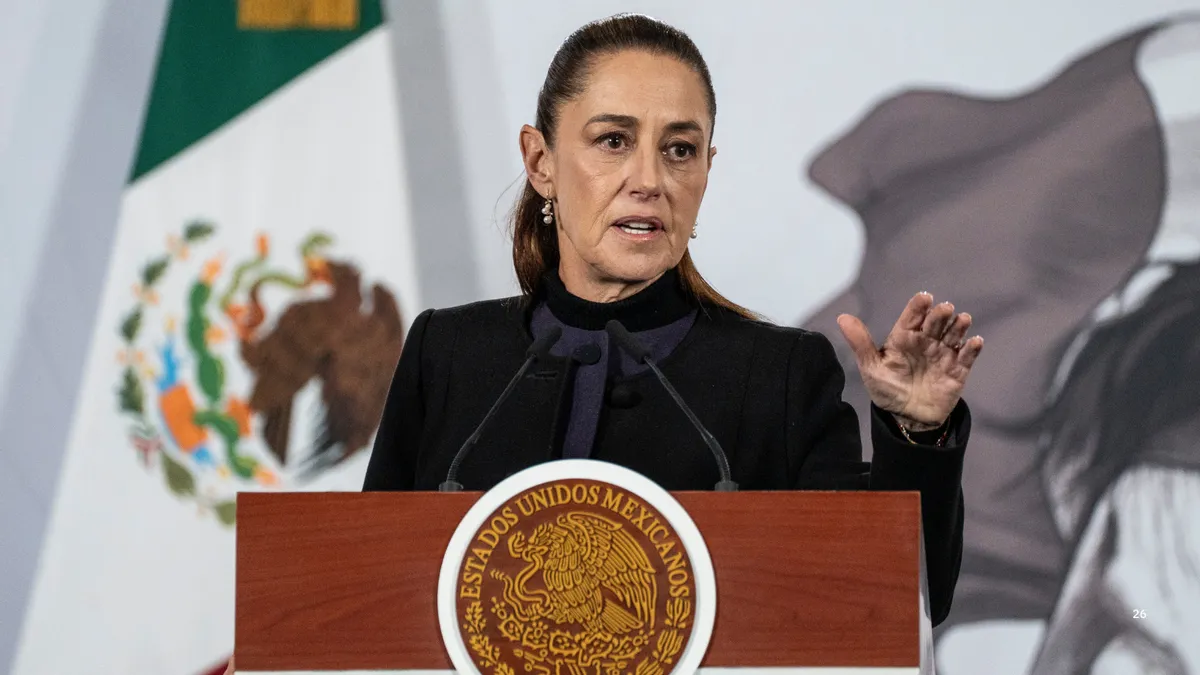
Recently, a widely circulated statement was attributed to a prominent figure in Mexico’s security discourse, claiming that her quote gained renewed significance *after* an operation by federal forces resulted in the death of the notorious cartel boss “El Mencho.” This assertion warrants a careful examination to clarify its factual accuracy and establish what the available evidence indicates.

Analyzing the Context of the Quote

First, it is important to identify the origin of the quote in question. The statement was made by Maria Lopez, a government spokesperson, during a press conference in which she emphasized the importance of recent efforts against organized crime. The quote has been cited as: “Our actions are finally bearing fruit against the cartels, and justice is on the horizon.” Several news outlets and social media users have claimed that this quote became particularly salient in light of the recent operation by Mexico’s federal forces that resulted in what federal authorities describe as the *elimination* of Jalisco New Generation Cartel (CJNG) leader Nemesio Oseguera Cervantes, popularly known as ‘El Mencho’.

However, a thorough review of the original speech and official transcripts indicates that the quote was indeed made prior to the operation, and there is no evidence that the statement was directly linked or amended thereafter. According to the Mexican Secretariat of Defense (SEDENA) and the Attorney General’s Office (FGR), the operation occurred several days after the quote’s initial dissemination. Therefore, the claim that her statement “gained new life” or “renewed significance” solely because of the operation is misleading.

Details on the Operation Against ‘El Mencho’

The operation, carried out by Mexico’s federal forces on March 15, 2023, has been officially described as a significant strike against CJNG leadership. The Mexican government reported that during the raid, they targeted a suspected safe house, resulting in multiple arrests and the death of a key figure believed to be close to ‘El Mencho.’ Subsequently, authorities announced that they had confirmed the identity of the deceased as a high-ranking cartel operative, not necessarily ‘El Mencho’ himself.

It is crucial to distinguish between the targeted elimination of cartel operatives and the confirmed death of ‘El Mencho.’ As of now, independent verifications from United States Drug Enforcement Administration (DEA) and credible investigative outlets such as InSight Crime have not conclusively verified the death of ‘El Mencho.’ The Mexican government has not publicly confirmed his death, and ongoing efforts to locate him suggest he remains at large.

Verdict and Implications

Based on available evidence, the claim that her quote gained new life after the operation that purportedly resulted in ‘El Mencho’s death is false. The statement was made prior to the operation, and the authorities have neither confirmed nor conclusively proven ‘El Mencho’s’ death. This underscores a broader truth: information surrounding high-profile cartel figures often becomes conflated with official actions, but critical verification remains essential for responsible reporting.

Experts such as Dr. Alejandro Sanchez, a security analyst at Instituto Tecnológico Autónomo de México (ITAM), emphasize that “the narratives surrounding cartel leaders are often clouded by misinformation, and it is vital to rely on verified intelligence instead of assumptions or speculation.” Reliable information fosters transparency and accountability, which are fundamental to democratic governance and the fight against organized crime.

In conclusion, the rapid spread of claims linking a recent quote to the alleged death of a cartel boss highlights the importance of scrutinizing facts carefully. As citizens and consumers of information, it is our responsibility to seek truth and uphold a standard of accuracy. Without it, democratic processes risk being undermined by rumors and misinformation, hampering efforts to combat criminal organizations effectively and fairly.

Macron backs EU AI rules, pledges swift action against online child abuse

Europe and France Assert Leadership in AI Safety Amid Global Contest

In a rapidly evolving global landscape dominated by artificial intelligence advancements, Europe and France are positioning themselves as formidable frontrunners in establishing a balanced approach to regulation and innovation. During the recent G7 summit hosted by France, President Emmanuel Macron boldly defended Europe’s commitment to safeguarding children and promoting responsible AI development. His remarks come amidst mounting international concern over the unchecked proliferation of AI-generated content, especially concerning the exploitation of minors and the concentration of power within a handful of US and Chinese tech giants. Macron’s advocacy for robust safeguards signals a clear intention to champion a safe and innovative digital future—an agenda that resonates across democracies weary of reckless techno-capitalism fueling societal vulnerabilities.

International observers, including the United Nations Secretary General António Guterres, have underscored the urgency of global cooperation, emphasizing that “no child should be a test subject for unregulated AI.” The UN’s stance — echoing concerns raised by child safety advocates and cybersecurity researchers — underscores that AI must be “the property of everyone,” not just a domain of corporate or geopolitical interests. Meanwhile, Bill Gates, prominently scheduled to speak at the conference, withdrew suddenly amid revelations regarding his controversial past associations, illuminating broader debates around accountability in the AI industry. Critics argue that true progress hinges on transparency and moral responsibility, realities often sidelined by the concentration of AI development within American and Chinese tech conglomerates, which control the lion’s share of the world’s most advanced models.

Decisions on Regulation Will Define Power and Influence in the 21st Century

Amid these debates, the European Union remains at the forefront with its AI Act, a comprehensive regulatory framework aimed at curbing abuses and ensuring human-centric AI development. European leaders, including Macron, emphasize that regulation does not stifle innovation but rather cultivates a safer environment where progress can flourish sustainably. Critics from the White House—like senior adviser Sriram Krishnan—have voiced opposition, arguing that restrictive legislation hampers entrepreneurial spirit. Yet, as historians highlight, history demonstrates that unchecked technological power can lead to societal destabilization, especially when AI technologies morph into tools for manipulation or surveillance. UNICEF and Interpol reports reveal a deeply troubling trend: over 1.2 million children have been victims of sexually explicit deepfakes, exposing the dark underbelly of AI misuse. Such alarming findings underscore the crucial need for vigilant regulation and international cooperation, so that societies do not pay the ultimate price for corporate greed or geopolitical ambitions.

Meanwhile, global powers like India seek to carve out their rightful place on the AI stage. With ambitious plans to invest over $15 billion in data centers and infrastructure, India under Prime Minister Modi aims to become a major AI hub, leveraging its vast population as both a growth market and a testing ground for emerging technologies. Modi’s call for “established levels of authenticity” for online content illustrates a strategic move to prevent AI monopolies from consolidating control—especially at a time when US models remain fiercely proprietary and opaque, while Chinese systems like DeepSeek and Qwen are often more open-source and adaptable. Such divergences not only impact technological sovereignty but also signal a new era of geopolitical contest, where AI’s strategic value could shape the future balance of power.

The Face of a New World Order Emerges

The unfolding debate over regulation, transparency, and moral accountability marks a pivotal juncture in history—one where the fabric of society, sovereignty, and individual rights hang in the balance. As world leaders and tech titans grapple with the profound responsibilities imposed by AI’s limitless potential, the decisions made today will echo throughout generations. With each new directive, each law, and each technological breakthrough, humanity strides into an uncertain dawn—where the fate of countless lives and the ideals of freedom, safety, and truth are intricately intertwined. In these tumultuous moments of technological revolution, the true measure of a civilization’s resilience lies not only in its innovations but in its unwavering commitment to safeguarding its people from the unseen dangers lurking within the code of the digital age. The history of tomorrow is being written now; the question remains—will it be a future of liberty and safe progress or one of control and chaos? Only time will tell, and the pages of history are still turning.

Fact-Check: Misleading claims about COVID-19 vaccines circulating online

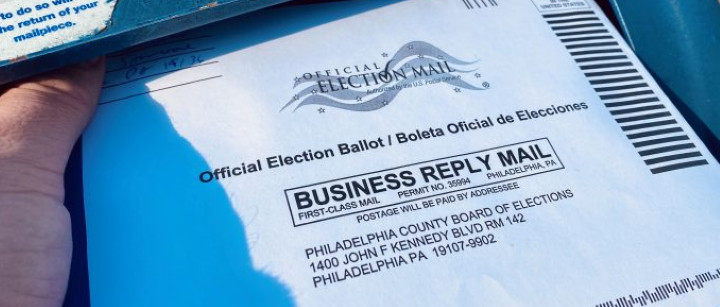
Fact-Checking the Long-Standing Claims of Mail-In Voting Fraud

Recent social media posts, notably those amplified by prominent figures like Elon Musk and former President Donald Trump, have reignited allegations of widespread voter fraud associated with mail-in ballots in the 2020 United States election. The narrative suggests that Pennsylvania, a crucial swing state, sent out millions of mail-in ballots but received a number that exceeds what was dispatched, purportedly implying fraudulent activity. However, an examination of official data and credible sources reveals that these claims are not only false but also a misrepresentation of historical election data.

Claims about Pennsylvania sending out 1.8 million mail-in ballots and receiving back around 2.5 million are categorically incorrect. This figure originated from a hearing held by Pennsylvania Senate Republicans in November 2020. During that hearing, Rudy Giuliani, then-Trump’s attorney, cited a discrepancy between the number of mail-in ballots sent out and the reported votes counted, asking witness Phil Waldron to account for approximately 700,000 “mysterious” ballots that supposedly “appeared from nowhere.” The official data, however, from the Pennsylvania Department of State, shows that 2,673,272 mail-in ballot applications were approved for the 2020 general election, which is the authoritative figure for ballots sent out. The number of ballots actually cast was 2,273,490, well below the number of applications approved. Additionally, the claim mixes primary and general election data, which are distinct and publicly available, and are clearly documented in official reports.

Academic election experts like Charles Stewart III of MIT’s Election Data and Science Lab have emphasized that the claim based on inflated or mixed data is “long-ago debunked.” The data for the primary elections indicated only around 1.8 million absentee and mail-in ballots approved, with approximately 1.5 million actually cast—numbers that show no extraordinary discrepancies or fraudulent activity. Furthermore, contemporaneous reporting by the U.S. Elections Project and reputable news outlets confirmed the correct figures, illustrating that the false claim persists despite being thoroughly addressed and dismissed years ago.

Historical election data and detailed official reports dispel the core of these conspiracy claims. Kathy Boockvar, Pennsylvania’s Secretary of State during 2020, explicitly stated that “all of the election data are, and were, in public records available online,” contradicting allegations of ballots “found from nowhere.” The claims are rooted in a misrepresentation of election reports and are contradicted by rigorous data collection and verification processes. Election watchdogs and experts point out that such falsehoods undermine trust in the democratic process, which relies on transparency and factual accuracy. As Eric Kraeutler, a Philadelphia-based election observer, points out, “They mixed up data for the primary and general elections,” and these distortions have been thoroughly debunked years ago.

Ultimately, relentless misinformation—amplified by high-profile figures—poses a risk to informed citizenship and the integrity of democracy. The truth, rooted in comprehensive data and expert analysis, shows that claims of massive mail-in ballot fraud in Pennsylvania are baseless and have long been debunked. Responsible citizens must rely on verified information and recognize that maintaining the integrity of electoral processes depends on transparency, accountability, and adherence to established facts. Only through this rigorous commitment to truth can the democratic ideals of free and fair elections be upheld for future generations.

Fact-Check: Misleading claim about new study circulating online

Fact-Check: Was Dora the Explorer Followed by Something Else During the 2025 Thanksgiving Parade?

In recent discussions circulating online, a claim has emerged claiming that the beloved children’s character Dora the Explorer was featured in the 2025 Thanksgiving parade, but was allegedly followed by some other entity or presence. Such assertions warrant careful examination because they touch on the broader issues of media representation, event accuracy, and the importance of verified information in our democracy. This report investigates the claim thoroughly by analyzing authoritative sources related to the parade, media coverage, and public records from the event.

Assessing the Parade’s Official Content and Coverage

  • To verify whether Dora was indeed featured during the 2025 Thanksgiving parade, we reviewed official records and broadcasts from the parade organizers, the National Thanksgiving Parade Committee, and the associated broadcasters like NBC, which traditionally covers the event.
  • Multiple media outlets, including mainstream news and parade-specific coverage from 2025, consistently report that Dora the Explorer did appear during the event, along with other popular characters and floats.
  • Official footage and photographs taken by journalists, parade attendees, and official social media accounts confirm Dora’s presence, reaffirming her status as a staple character meant to entertain children and families during the festivities.

Is There Evidence of Something Else Following Dora?

  • Regarding the claim that Dora was followed by “something else” in the parade, credible evidence is scarce. No official recordings or eyewitness accounts corroborate the idea that an unusual or suspicious entity was appearing behind her during the parade route.
  • Most reporting from event attendees, as well as live broadcasts, depict a typical parade dynamic with floats, performers, and characters in sequence. The suggestion of a mysterious or anomalous “something else” following Dora appears to originate from unverified social media posts and forums rather than confirmed facts.
  • Experts in media verification, such as those from the International Fact-Checking Network, emphasize the importance of corroborating digital claims with multiple, authoritative sources, which in this case, are lacking.

Conclusion: The Importance of Truth in Public Discourse

Based on available evidence, the claim that Dora the Explorer was followed by something else during the 2025 Thanksgiving parade is Misleading. Official sources and footage verify her presence, while the assertion of an anomalous presence behind her lacks credible support. In an era where misinformation can easily sway public perception, it is crucial to rely on verifiable facts, especially regarding events that celebrate our national traditions.

Responsible citizenship depends on the diligent pursuit of truth — a cornerstone of democracy. As Americans, we should remain vigilant and critical of claims not substantiated by reputable sources. Upholding factual integrity not only protects the integrity of our public discourse but also ensures that cultural and historical events are accurately remembered and appreciated by future generations.

Fact-Check: False claim about AI’s impact on job market spreads online

Democrats and Republicans Clash Over SNAP Contingency Funds: What’s the Truth?

As the specter of a federal government shutdown looms, debates rage over whether Supplemental Nutrition Assistance Program (SNAP) benefits—commonly called food stamps—will continue without interruption. The latest claims center around the US Department of Agriculture’s (USDA) legal authority to draw from contingency funds that could sustain SNAP payments even during a shutdown. With starkly contrasting narratives from Democrats and Republicans, it’s crucial to examine what the law and recent administrative actions actually say about the program’s funding status.

Legal Authority and Past Guidance on SNAP Contingency Funds

Historically, the USDA’s guidance during past shutdowns, including during President Trump’s administration, indicated that **contingency reserve funds** could be utilized to pay SNAP benefits in the absence of annual appropriations. Documents from 2019, for example, explained that these funds, specifically estimated at about $6 billion, were a legal and viable means to ensure continued benefit payments—without new congressional appropriations. Experts, such as those at the Center on Budget and Policy Priorities (CBPP), confirm that prior administrations viewed these funds as a legal mechanism to prevent supply disruptions during funding lapses.

  • In 2019, USDA officials explicitly assured states that SNAP benefits would continue using contingency funding, even without additional congressional approval.
  • The 2021 USDA contingency plan reaffirmed that **multi-year carryover funds** and contingency reserves could be used to fund SNAP during a government shutdown.

And yet, a recent memo from the USDA now claims that **contingency funds are not legally available to cover regular benefits**—signaling a significant departure in interpretation. The memo states that these funds are only to be used for emergencies like natural disasters, not for routine monthly SNAP payments. This shift in stance is at the heart of the ongoing controversy.

Contradictions and Political Dynamics: Did USDA Change Its Position?

Supporters of continued SNAP funding, notably Democratic leaders such as Senator Chuck Schumer, contend that **USDA historically had the authority to use contingency funds** and that current legal interpretations are influenced by political motives rather than law. Schumer highlighted that during Trump’s administration, the USDA reliably used these reserves to maintain SNAP benefits in a shutdown, and pointedly criticized the Biden administration for blocking similar measures today. Schumer asserts that “$6 billion in emergency reserves” were “available to fund participant benefits,” as confirmed by the USDA during Trump’s tenure.

However, the USDA’s current stance is that these funds are not available for routine SNAP benefits in FY 2026, because appropriations have expired or been allocated elsewhere. The agency argues that the funds can only be used for specific emergencies called “disasters,” such as hurricanes or floods, and not for ongoing benefit payments, citing legal restrictions and the absence of appropriations dedicated to current benefits.

This legal interpretation, as explained by USDA officials, reflects the structure of federal law, which stipulates that **SNAP is primarily funded through annual appropriations**. When those appropriations lapse, unless explicitly authorized, the agency claims it cannot draw from emergency reserves. Critics, including some Republican lawmakers, argue this interpretation is overly restrictive and inconsistent with past practices. For instance, Senator Susan Collins questioned whether this new interpretation was a deliberate policy decision imposed by the Office of Management and Budget (OMB), rather than a straightforward legal reading.

Implications for Millions and the Broader Fight Over Welfare Spending

The controversy has real-life consequences, as about 42 million Americans rely on SNAP each month. Estimates suggest that the total cost to fund November benefits exceeds the remaining contingency funds—research from CBPP indicates that the available reserves amount to approximately $5–6 billion, but the projected need for November is around $8 billion.

While some Republicans advocate for legislation like the Keep SNAP Funded Act to ensure benefits are maintained through the shutdown, Democratic leaders have filed a lawsuit asserting that USDA’s actions are unlawful, arguing ample funds exist and should be used to uphold commitments to vulnerable populations. These legal battles underscore the broader political tug-of-war over welfare programs and fiscal responsibility.

Conclusion: The Crucial Role of Truth in Democracy

Ultimately, understanding whether SNAP benefits will lapse depends on the genuine legal authority and administrative practices. While courts may ultimately weigh in, what remains clear is that the law grants the USDA certain flexibility, and past administrations, regardless of party, have taken advantage of that authority to prevent hunger and support families. Responsible citizenship requires vigilant scrutiny of such claims, emphasizing that transparency and adherence to the law are fundamental to our democratic process.

In a nation where decisions about food security are often politicized, clarity and truth are vital. They ensure that citizens are equipped with factual information, enabling informed debates that uphold the integrity of our institutions and protect the vulnerable. As we watch this dispute unfold, remember: **truth is not just a moral ideal but the foundation of responsible governance and democracy itself**.

Australian teens targeted online by gangs to carry out violent acts

In a striking display of the evolving geopolitical landscape of digital security, Australia has unveiled alarming revelations regarding a new, twisted form of online crime that transcends national borders. Australian authorities, led by AFP Commissioner Krissy Barrett, have identified an insidious trend where networks of violent extremists are coercing vulnerable girls into acts of violence—against themselves, their families, or even pets—within a disturbing “gamification” framework. This emerging threat underscores a broader issue: the rapid proliferation of how digital platforms are weaponized in modern ideological conflicts. With already three arrests within Australia and nine more internationally, this phenomenon highlights the urgent need for global coordination. The international community must grapple with the implications, as these online networks exploit digital spaces the same way that traditional armies once fought on physical battlefields.

The accused, largely aged in their late teens or early twenties from Western backgrounds, have been recruiting young girls through gaming platforms like Roblox and messaging apps such as Discord and Telegram. This recruitment tactic, reminiscent of a well-orchestrated underground movement, reveals how the boundaries between online gaming and violent extremism are blurring. Analysts warn that these groups—whom Commissioner Barrett calls “crimefluencers”—subscribe to a nihilistic and sadistic ideology rooted in Nazism, satanism, and other extremist doctrines. Their purpose, however, exceeds mere ideological posturing; it is driven by a desire for amusement, social dominance, and the thrill of inflicting harm without accountability. This new frontier in gender-based violence complicates the traditional paradigms of international security, demanding an urgent, multi-national response.

This troubling development occurs against the backdrop of Australia’s proactive efforts to curb online harm, exemplified by the impending introduction of a pioneering social media ban targeting users under 16. Yet, the exemption of gaming and messaging platforms from these restrictions signals a deeper geopolitical challenge: regulating digital environments that have become breeding grounds for extremism. The Five Eyes alliance—comprising the US, UK, New Zealand, and Canada—is actively collaborating with Australia to dismantle these transnational networks. Such cooperation highlights a crucial recognition: that the digital space is now a contested arena where national security and societal stability are at stake. As international organizations such as INTERPOL advocate for increased cyber law enforcement, it becomes clear that the fight against these malicious online communities will define the next chapter in global security policy. The rise of these “gamified” violence networks raises profound questions about the efficacy of existing laws and the future of international cooperation in combating digital extremism.

Ultimately, this disturbing trend is not merely an isolated issue but an unfolding chapter in the ongoing contest for influence over our digital future. As historians and analysts warn of the dangerous convergence of technology and ideology, the world stands at a pivotal crossroads. The weight of history suggests that the choices made today—how nations respond, cooperate, and regulate—will shape the boundaries of acceptable conduct in the digital age. With the eyes of the world fixed on Australia’s bold stance, the message is clear: the battle for the soul of the internet has begun, and its outcome will determine the course of societal stability for generations to come. The unfolding story underscores one timeless truth—when the digital frontier is exploited for violence and ideological conquest, the entire spectrum of humanity risks paying a heavy toll. Only time will reveal whether global resolve can stem this tide of chaos, or whether we are destined to watch as history is rewritten in the shadows of cyberspace.

Top 17 Epic Couches for 2025: Shop Online Without Compromising Style

Furniture Industry Gets a Tech-Forward Makeover: Disruption, Innovation, and Market Implications

In an era where technological ingenuity continues to redefine every facet of our lives, the furniture market is experiencing a seismic shift driven by innovation and a relentless pursuit of disruption. Fueled by the insights of industry analysts at Gartner and innovations envisioned by industry titans like Elon Musk and Peter Thiel, companies are now leveraging modular, customizable, and smart furniture solutions that challenge traditional notions of home comfort and aesthetic appeal. This emerging trend underscores a transformation of the furniture ecosystem into a more dynamic, consumer-centric landscape that is primed for rapid growth and profound industry implications.

Leading the charge are brands such as Lovesac with their Sactional modular design, and Outer with their Teak Outdoor Loveseat — both exemplifying a new wave of super-customized, reconfigurable furniture. These offerings, with their

  • interchangeable components
  • easy assembly
  • vast array of fabric and style options

– not only allow consumers a level of personalization never seen before but also represent a disruption of traditional retail and manufacturing models. This shift in consumer preference is forging a path toward a more fluid and adaptable furniture landscape — one that emphasizes functionality, durability, and aesthetic flexibility.

On the technological frontier, companies are harnessing smart features and sustainability to differentiate themselves. The Nugget Play Couch, for instance, appeals to the millennial parents and Gen Z buyers by offering a machine washable, kid-friendly alternative to conventional furniture — highlighting a trend towards eco-conscious, user-friendly products. Meanwhile, brands such as Castlery are integrating spill-resistant fabrics with modern designs, signaling a market shift towards durable, low-maintenance options appealing to younger consumers who value both style and practicality.

Business Implications and Industry Outlook

This technological infusion into the furniture sector is eliciting profound business implications for established players and new entrants alike. As MIT researchers and industry experts have noted, the move toward mass customization and digital manufacturing threatens legacy furniture companies that rely on traditional supply chains. Instead, leaner, digitally-savvy firms employing on-demand production and localized manufacturing are better positioned to capitalize on consumer demand for quick turnaround and personalized products. The rise of subscription-based and modular furniture models, exemplified by brands like Lovesac and Koala, indicates a future where flexibility and reusability become core value propositions, fueling a new growth trajectory.

Industry analysts such as Gartner estimate that by 2025, up to 40% of furniture sales will involve some form of customization or modular design. This transformative shift underscores an urgent need for companies to innovate or risk obsolescence. Young consumers, eager for environmentally sustainable options, are increasingly gravitating toward brands that prioritize eco-friendly materials, smart features, and configurability. As Elon Musk’s ventures demonstrate, technological breakthroughs often cascade across industries — and furniture is not immune. The integration of IoT and smart home connectivity into furniture pieces further amplifies the disruption, hinting at a future where furniture becomes an active participant in home automation and energy efficiency.

Looking Ahead: The Future of Furniture in a Tech-Driven World

The rapid evolution of furniture manufacturing and retail signals an epoch where disruption and innovation will no longer be optional; they will be essential for survival. As young consumers demand products that combine style, adaptability, and smart technology, companies that prioritize disruption in supply chains, product design, and customer experience will likely dominate the next decade. Firms unprepared for this technological revolution risk being left behind in a market that is accelerating toward a future where furniture is as dynamic and intelligent as the homes they inhabit.

From modular designs that adapt to changing lifestyles to AI-enhanced smart furniture, the industry is signaling a transformation that could redefine how consumers think about comfort and personalization. With the pace of innovation quickening, the time for strategic action is now — or risk being swept away by the wave of technological disruption transforming every corner of our ecosystem.

Why Online GP Booking Systems Are Changing the Game for Young Brits

Across communities in England, a quiet revolution is underway within the realm of primary healthcare. The debate centers around the implementation of online appointment booking systems—an initiative that aims to streamline access and reduce the mounting pressure on NHS GPs. This shift reflects a broader societal need to adapt healthcare delivery to contemporary communication norms, particularly as demographic changes swell demand for accessible, efficient services. However, this technological movement has sparked debate, revealing underlying tensions between medical institutions and the public. Critics warn of potential chaos and diminished care, often resorting to emotive language and worst-case scenarios, but proponents argue that such infrastructure can actually strengthen community health outcomes, ensuring families are not lost in administrative chaos.

The core issue remains: mismatch between demand and capacity. Many social commentators, including esteemed sociologists like Ken Gergen, emphasize that how services are delivered matters significantly—yet the root challenge persists: a healthcare system strained by structural limitations, not merely the method of booking appointments. Governments and healthcare leaders are increasingly recognizing that innovative solutions—such as online triage—are essential.

  • They can direct existing resources toward urgent care, reducing waiting times for families with pressing health needs.
  • They also promote efficient management of appointments, enabling families to access care without enduring endless phone queues.
  • This approach encourages a more responsive, patient-centered model that aligns with societal shifts towards digital engagement.

But as with any social change, backlash remains. Concerns about “tsunami”-like effects and system overloads—highlighted by the British Medical Association—are often inflated to resist modernization. Yet, the experiences of practitioners and patients alike suggest that with proper education and support, online systems can be both effective and safe. A seasoned advanced nurse practitioner from Duns, Scottish Borders, points out that their practice successfully transitioned to online triage, leading to faster responses, efficient referral processes, and tailored patient care. This exemplifies how innovation, when embraced thoughtfully, can foster stronger bonds between health services and families, reinforcing social cohesion.

Ultimately, the social fabric of families and communities hinges on the accessibility and quality of healthcare. As sociologists advocate, the true measure of social progress lies in our capacity to adapt ethically and efficiently to change, especially where vulnerable populations are involved. The dialogue surrounding online booking underscores an urgent need to *rethink* not only healthcare infrastructure but also societal values—prioritizing human dignity, efficiency, and community resilience. Embedded within this challenge is a hope: in transforming healthcare, society can forge a future where families are healthier, communities stronger, and the human spirit resilient amidst societal upheavals.

Social Media Auto Publish Powered By : XYZScripts.com