Matox News

Truth Over Trends, always!

UK Politicians Leave Door Open for RAF to Hit Iran’s Missile Sites

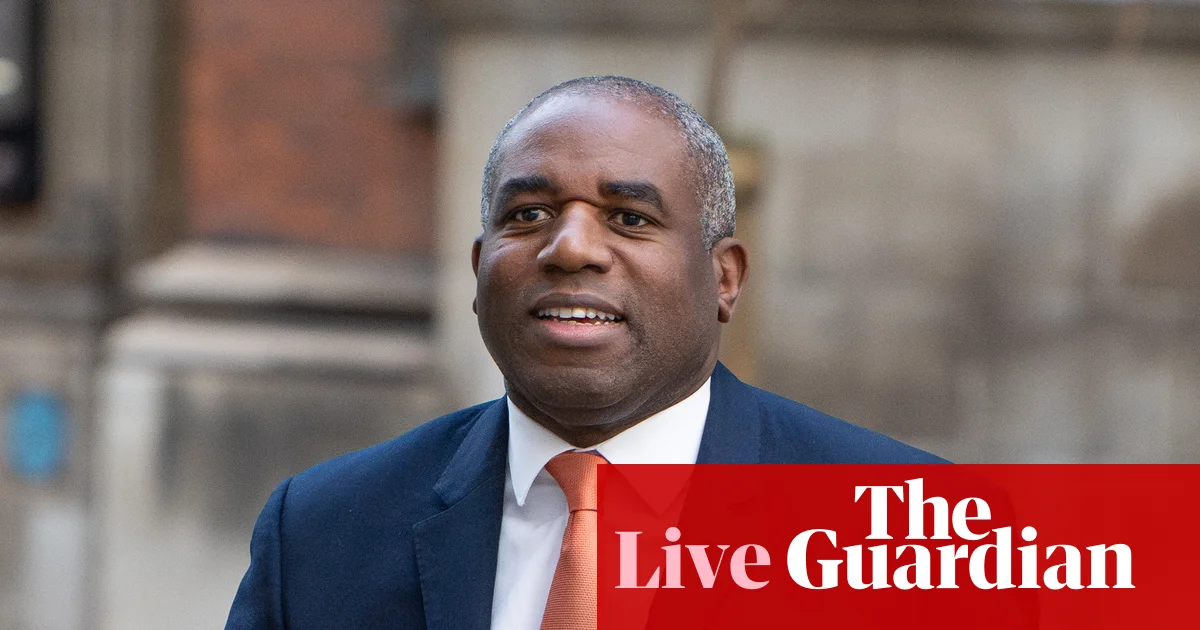
Recent developments in UK politics and international security reveal a nation navigating a complex web of domestic reforms and foreign policy maneuvers amid heightened geopolitical tensions. The British government, under the leadership of Prime Minister Keir Starmer and his cabinet, faces internal divisions while taking assertive stances in the Middle East—a region once again simmering with conflict and strategic chess moves. The recent statements from David Lammy, the UK’s Deputy Prime Minister, underscore an increasingly brazen posture, suggesting that Royal Air Force jets could legally strike Iranian missile sites used against British interests in the Persian Gulf. These remarks mark a significant escalation in Britain’s willingness to advocate for offensive military action, signaling a shift in traditional postures rooted in diplomatic restraint.

Behind the rhetoric lies a broader strategic calculation—one that reflects the national security doctrine influenced both by historical precedent and current geopolitical exigencies. With Iran’s missile activity threatening regional stability and British assets, the UK has granted permission for US-led defensive strikes originating from British bases. Lammy’s statement that Britain possesses satellite and intelligence capabilities to identify Iranian targets underscores a preparedness to expand offensive operations, should the legal and political conditions permit. This stance is a response not only to Iran’s regional provocations but also to the pressures of an international landscape where allies seek to enforce red lines more assertively.

Meanwhile, intra-government debates revealing splits within the cabinet over allowing the US to use British bases for strikes against Iran point to underlying tensions about how far Britain should go in its military commitments. The reported leak from a National Security Council meeting exposed these fissures, prompting Labour’s London MP, David Lammy to call for an investigation into the leak, claiming it may put British lives at risk. This incident not only highlights the sensitive nature of UK foreign policy decisions but also demonstrates how internal divisions can become exploited in a fraught international context. The political calculus involves balancing diplomatic diplomacy, military readiness, and public opinion — a delicate dance that could reshape Britain’s role on the global stage for years to come.

On the domestic front, the Conservative government continues to push controversial reforms, such as end-to-end changes to the UK’s immigration policies. Home Secretary Shabana Mahmood announced plans to end permanent refugee status and implement financial incentives—up to £40,000—to encourage rejected asylum seekers to leave voluntarily. Critics within her party and across Parliament argue that such policies risk echoing Donald Trump’s hardline approach and could set the stage for future scandals akin to Windrush. Nonetheless, these efforts reflect a broader push toward stringent immigration controls, driven by a perception that uncontrolled borders threaten national stability and social cohesion. Analyst Dr. John Williams of the International Security Forum warns that these policies could deepen societal divides while emboldening nationalist narratives which resonate strongly among a politically young Britain increasingly concerned with sovereignty and security.

As Britain charts its course through internal consolidation and external assertiveness, the weight of history bears down on every decision. The choices made in these turbulent times—whether to escalate military posture or to tighten immigration policies—will undoubtedly leave a lasting imprint on the nation’s identity and its role in shaping the new world order. With each strategic move, the chapters of this unfolding story are written in the ink of geopolitical destiny, reminding us that the future remains a battleground for influence, power, and the enduring quest for national sovereignty. In the corridors of power and the streets of society, the echoes of today’s decisions will reverberate through the corridors of history, long after the headlines fade.
Pakistan Tells Afghanistan: Enough Is Enough—Declares Open War After Border Attack

Escalating Tensions Between Pakistan and Afghanistan: A New Chapter in Geopolitics

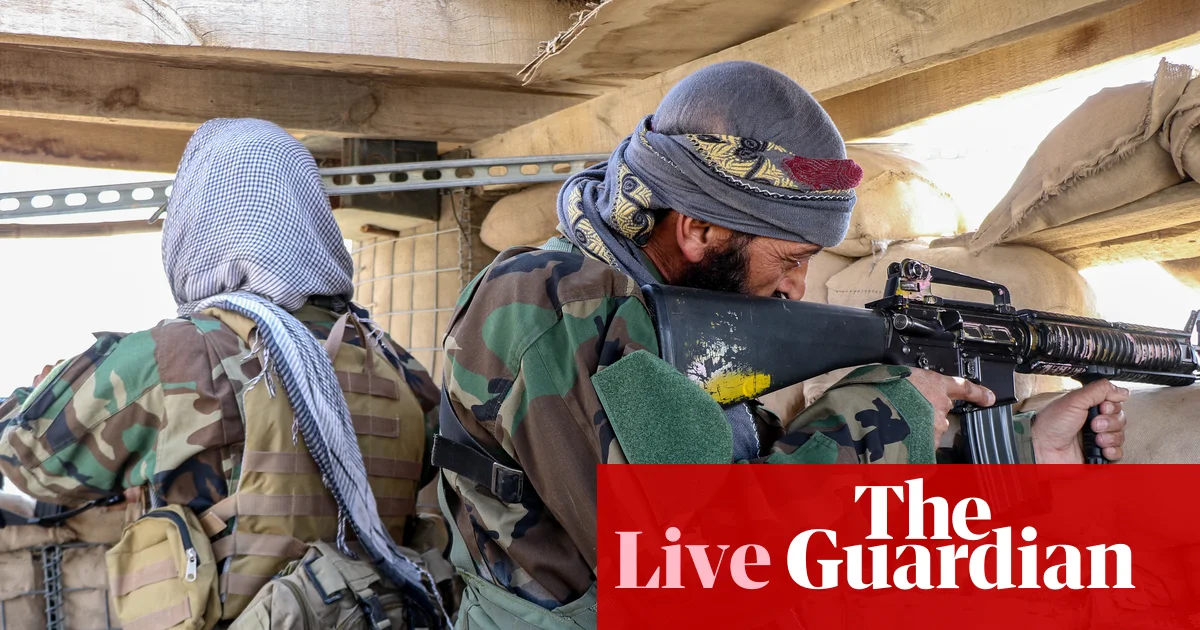
The serene yet volatile relationship between Pakistan and Afghanistan has spiraled into a dangerous new phase, shaking the stability of South Asia and reverberating across global geopolitics. Just months after a fragile ceasefire brokered by Qatar and Turkey aimed to halt the deadly border clashes, both nations now find themselves embroiled in what many analysts are calling an “unprecedented escalation.” The situation echoes the historical tensions over the disputed Durand Line, but recent events mark a stark departure—the direct military engagement between the two neighboring powers.

On February 27, 2026, Pakistan declared an “open war” following alleged unprovoked cross-border firing from Afghan territories. In a decisive move, Pakistani forces launched Operation Ghazab lil-Haq (“Righteous Fury”) targeting Afghan military positions, including Kabul, Kandahar, and Paktia—an unprecedented escalation that risks destabilizing the entire region. Khawaja Mohammad Asif, Pakistan’s defense minister, openly articulated the nation’s grim new stance: “Our patience has now run out. Now it is open war between us.” Such rhetoric signals a dangerous departure from diplomacy, reflecting mounting frustrations over what Islamabad claims are harboring Afghan Taliban and militant groups within Afghan borders.

Meanwhile, Afghanistan’s Taliban government has responded with retaliatory attacks, including claims of drone strikes targeting Pakistani military sites. Afghan officials have asserted that their military retaliated after Pakistani airstrikes, with reports of casualties reportedly both statistical and conflicting, as each side leaks vastly different figures. Official statements from Afghanistan speak of over fifty Pakistani soldiers killed, whereas Pakistani authorities claim significant Taliban casualties in the thousands, emphasizing the opaque and chaotic nature of today’s conflict. Many international organizations, including the United Nations, have expressed grave concern over the rising civilian toll—highlighting that the true human cost remains hidden amid diverging narratives.

  • The escalation begins as analysts point out it is the first time Pakistan has directly targeted Afghanistan’s Taliban rather than solely militant TTP positions.
  • Examining the wider geopolitical impact, this conflict threatens to undo the tentative peace processes and threatens regional stability.
  • Global powers, from Russia to China, are calling for restraint, but their diverging interests complicate swift resolution.

International responses continue to underscore the gravity of this evolving crisis. The UK, through Foreign Secretary Yvette Cooper, urges both sides to engage in de-escalation and mediated dialogue, echoing widespread calls for restraint. Conversely, Russia, the only country with formal recognition of the Taliban government, has urged both Afghanistan and Pakistan to return to diplomatic negotiations, warning that further escalation risks catastrophe. China, a regional powerhouse and key player in mediating through its channels, has expressed deep concern, calling for a swift ceasefire to prevent further bloodshed and chaos.

Within this tempest of military exchanges and diplomatic appeals, the destiny of South Asia hangs precariously in the balance. The recent direct confrontations breathe new life into a long-standing conflict that could ignite larger regional confrontations, involvingierleaning nations wrestle with the brutal realities of sovereignty, militant sanctuaries, and geopolitical dominance. As historians and analysts observe, “This moment may very well be the defining juncture of the 21st century’s regional order,” and the decisions taken in these tense days will undoubtedly echo through history’s halls for generations to come.

The unfolding chapter of this crisis leaves the world with a haunting question:

Will diplomacy prevail, or are we witness to the very brink of a wider, perhaps even catastrophic, regional war?

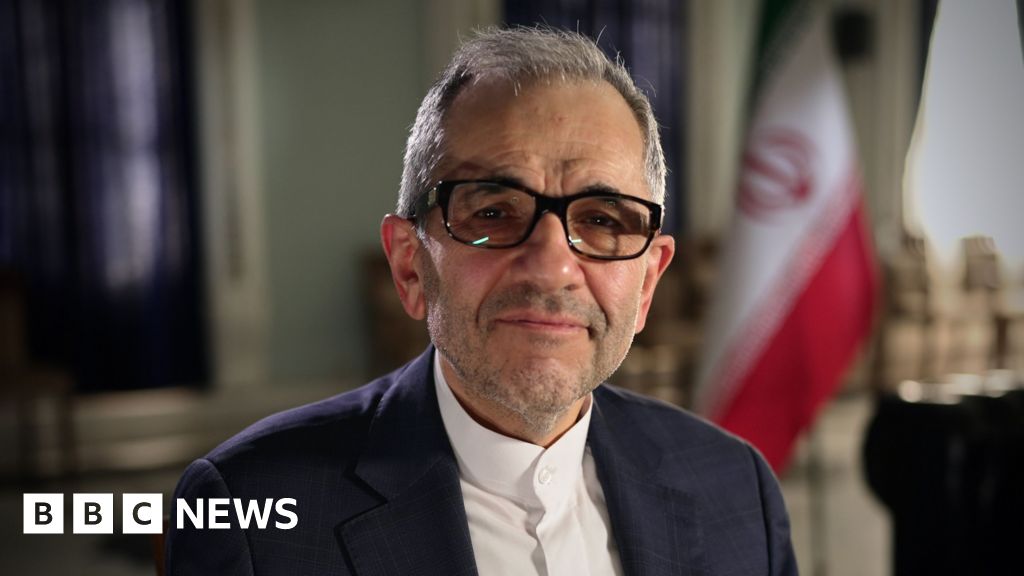
Iran open to compromises to seal nuclear deal, says Tehran minister on BBC

Amid escalating global tensions, the future of Iran and U.S. negotiations remains a focal point for international stability. In an interview with the BBC from Tehran, Majid Takht-Ravanchi, Iran’s deputy foreign minister, articulated a cautious yet hopeful tone, asserting that “the ball was in America’s court to prove that they want to do a deal.” His statement underscores the complex dance of diplomatic signals and counter-signals that have characterized these negotiations for years. While Tehran suggests an openness to a breakthrough, the core issue revolves around whether the United States is genuinely committed to reviving the 2015 Joint Comprehensive Plan of Action (JCPOA), a diplomatic agreement crucial for curbing Iran’s nuclear ambitions and stabilizing the region.

International analysts warn that any delay or perceived lack of sincerity from Washington risks further destabilizing a region already fraught with tension. Historically, the United States under multiple administrations has oscillated between engagement and sanctions concerning Iran, causing uncertainty that affects global markets and alliances. The recent remarks from Tehran serve as a reminder that diplomacy must be grounded in genuine intent; otherwise, the risk of a broader regional arms race or inadvertent conflict looms large. Significantly, the Biden administration’s approach has faced scrutiny from both allies and adversaries, with many fearing that the current political climate in the U.S. could hamper a real commitment to resolving decades-long disputes.

The international community, represented by institutions like the United Nations and leading nations, closely watches these developments, aware that the stakes extend far beyond Iran’s borders. A failure to reach a deal could enhance Tehran’s nuclear capabilities, undermine peaceful diplomacy in the Middle East, and provoke a dangerous escalation affecting Israel, Saudi Arabia, and other regional players. Some experts warn that a breakdown could entrench Iran’s isolation, fueling a cycle of sanctions and clandestine nuclear pursuits, raising questions about the effectiveness of current diplomatic tools to manage this volatile situation.

In this tense tapestry of diplomacy, the fundamental question remains: are the decisions made today shaping a future of peace or plunging the world into further chaos? History has repeatedly demonstrated that moments of diplomatic hesitation can have profound, long-lasting consequences. As the clock ticks, the weight of history presses down upon those in power—reminding us that the course they chart tonight could determine whether countless lives are safeguarded or sacrificed to the shadows of unresolved conflicts. The world holds its breath as the delicate balance of trust, interest, and strategic calculation continues to hinge on the sincerity of one side’s overtures, and whether the other will choose to meet it with genuine resolve.

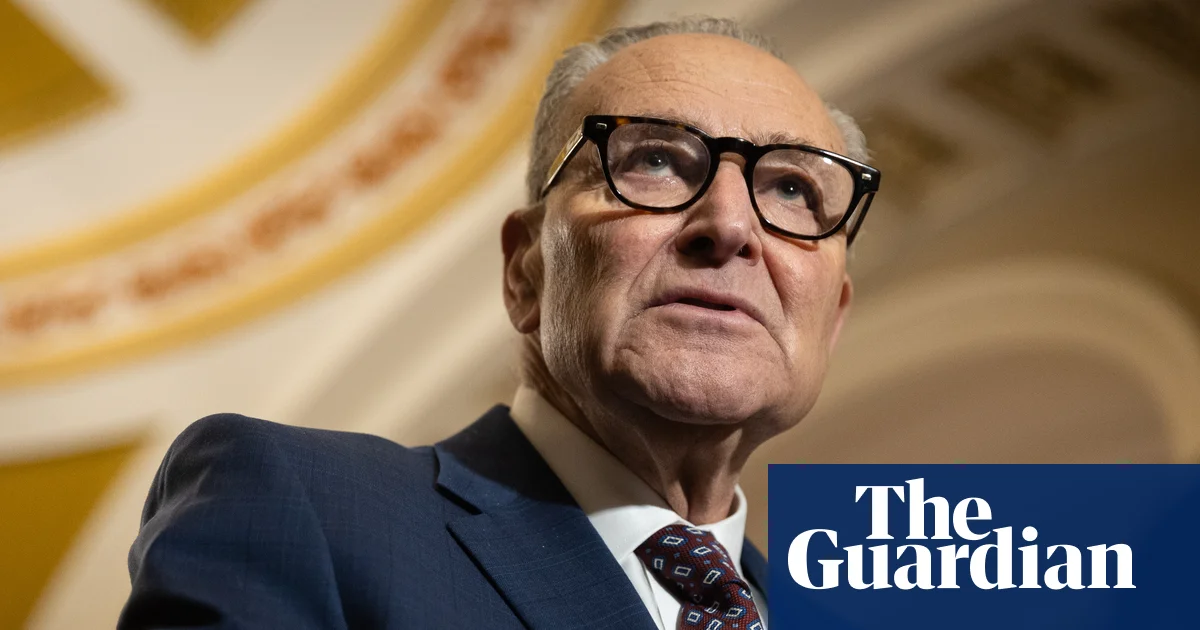
Senate OKs Deal to Keep Government Open and Tackle ICE Rules

The United States faces a pivotal juncture as the Senate has approved a crucial government funding package amidst rising domestic turmoil. The approval, in a 71-29 vote, signals an unusual moment of bipartisanship, reflecting the heightened tensions surrounding nationwide debates over immigration enforcement and the role of federal agencies such as ICE. This legislative maneuver comes against the backdrop of a series of tragic incidents, notably the deaths of Alex Pretti and Renee Good—both American citizens killed amidst federal police operations in Minneapolis. These events have ignited debate over police and enforcement accountability, exposing the complex intersection of immigration policies and civil rights, and highlighting the potential long-term geopolitical impact of American internal conflicts.

Despite the Senate’s convergence, the legislation faces uncertainty in the House of Representatives, which is currently out of session. A looming partial shutdown threatens to paralyze government functions if disagreements persist. As the Biden administration and Republican lawmakers grapple over DHS funding and reforms, many Democrats are pushing for reforms that would impose transparency and accountability measures—such as mandatory body cameras and restrictions on aggressive patrol tactics. Historians and analysts warn that these internal struggles may not merely affect domestic governance but could ripple globally by undermining the perceived stability and moral authority of America on the world stage. The ongoing debate underscores an enduring truth: that internal American conflicts often serve as a mirror for geopolitical shifts, especially with rival powers like China and Russia closely watching.

In an intriguing twist, prominent figures like Senator Bernie Sanders sought to reallocate military-grade funds toward domestic priorities like healthcare, symbolizing a broader contest over America’s resource allocation and values. While the Senate approved the budget with bipartisan support, division persists, especially among Republicans eager to attach conservative legislation such as the Save Act. The possible inclusion of restrictive voting laws and other conservative measures threaten to deepen the internal divide, with analysts warning that the outcome will shape America’s future on multiple levels. As Senator Schumer advocates for targeted reforms, Republicans warn that any capitulation to progressive demands could fracture their fragile majority—raising fears that a failure to unify might not only cause a shutdown but also signal a broader political realignment.

Meanwhile, the global implications of this domestic crisis are profound. China and Russia observe these power struggles with keen interest, recognizing that American internal divisions weaken the nation’s capacity to project power and influence. The bipartisan disagreements over immigration enforcement and government spending highlight how internal reform debates serve as a precursor to broader geopolitical trends. As former historians and international observers warn, these internal fissures threaten to diminish America’s standing on the global stage, emboldening adversaries and testing alliances with traditional partners. The current crisis is not merely about budget bills—it is a mirror reflecting the profound uncertainties looming over the world’s most powerful democracy. History remains unwritten, and the weight of the future now hangs heavily in the balance, as the US edges closer to another defining moment in its tumultuous saga.

Amazon Alexa+ Now Open to All—Here’s How to Disable It (2026)

Amazon Reinvents Home AI with the Launch of Alexa+

In a bold move marking a new chapter in consumer technology, Amazon has rolled out its latest evolution in AI-driven home assistants: Alexa+. Unveiled at CES earlier this year, this upgraded voice assistant showcases Amazon’s aggressive push to redefine how millions of households interact with smart technology. The immediate deployment to Prime members and the end of the waiting list signal Amazon’s readiness to dominate the next wave of digital disruption, emphasizing innovative conversational AI that extends beyond simple command execution.

Disrupting the Industry Standard

Alexa+ represents a significant innovation, heralding a shift from traditional voice assistants that function primarily as digital butlers, to more advanced chatbots capable of natural, nuanced conversations. Amazon claims this new iteration can better comprehend complex requests, offering a more intuitive user experience that blurs the lines between human and machine interactions. This development aligns with industry trends identified by Gartner and other leading analysts, which highlight the emerging importance of AI that is not just reactive but proactively engaging. With this move, Amazon disrupts the market standard of voice assistant capabilities and sets a new bar for the industry’s competitive landscape.

  • Enhanced Conversationality: Alexa+ allows for context-aware dialogue, reducing misunderstandings and repetitive commands.
  • Broadened Capabilities: It is poised to serve as an advanced chatbot, integrating with broader smart home ecosystems and third-party services.
  • Business Implication: This increases user engagement, providing Amazon with a larger data repository and monetization opportunities through targeted services and subscriptions.

Industry watchers like Elon Musk and Peter Thiel have long emphasized the critical role of AI innovation in future tech dominance. Amazon’s aggressive upgrade strategy reflects a keen understanding of this trajectory, positioning Alexa+ as not merely a product but a platform capable of disrupting entrenched players in the home automation space.

Impacts on Consumer Experience and Market Dynamics

Despite the excitement surrounding Alexa+’s rollout, the transition underscores the persistent tension between innovation and user consent. Reports reveal some users experience forced upgrades and sudden voice changes, illustrating a broader industry challenge: how to effectively balance rapid innovation with user autonomy. Amazon’s move pushes the envelope in this context, making voice assistants more sophisticated but also raising important questions about privacy, data security, and consumer choice.

From a business perspective, Amazon’s decision to integrate Alexa+ seamlessly into existing Prime memberships signifies a strategic intent to deepen ecosystem lock-in and generate additional revenue streams. The AI’s personalized conversational interface reinforces Amazon’s overall dominance in digital retail, smart devices, and cloud services, giving the company an edge in the competitive landscape.

Looking Forward: Innovation as a Double-Edged Sword

As Amazon continues to iterate on Alexa+ and similar AI innovations, the industry’s trajectory appears clear: Innovation will accelerate, competition will intensify, and traditional paradigms of user interaction will be fundamentally challenged. Companies that fail to adapt risk falling behind in the race to create truly disruptive, intelligent assistants capable of transforming everyday life. Meanwhile, consumers and regulators alike must grapple with the long-term implications of pervasive AI, emphasizing the need for robust oversight and strategic foresight.

For the tech industry and young entrepreneurs eager to lead the next big wave, the message is unequivocal: the future belongs to those who innovate boldly and navigate disruption wisely. With Amazon’s Alexa+ setting the pace, the urgency to develop smarter, more intuitive AI solutions has never been greater. The next decade will be pivotal—an era where innovation and disruption will define the competitive landscape of the digital age.

Polls open as Trump allies’ threats cast shadow over voting process

Honduras on the Brink: Election Turmoil Amid U.S. Interventions

As Honduras approaches its highly contentious general election, the stakes extend far beyond national borders, reflecting the delicate and often volatile nature of regional geopolitics. The contest pits five candidates, with polls currently favoring Salvador Nasralla—a veteran candidate alleging electoral fraud in 2017—yet the atmosphere is overshadowed by external influences, particularly from United States President Donald Trump. Trump’s explicit support for right-wing candidate Nasry “Tito” Asfura, the former mayor of Tegucigalpa, signals a disturbing level of foreign meddling in what is supposed to be a sovereign democratic process. His warning that aid might be withheld depending on the election’s outcome underscores how external actors leverage financial influence to sway the political future of Central America.

The deeply intertwined geopolitical ramifications are evident in the U.S.’s strategy for the region. Despite halving its aid, the U.S. continues to funnel hundreds of millions into Honduras, a stark reminder of how economic resources are weaponized in the broader contest to shape Latin America’s political landscape. Such interventions threaten to undermine the sovereignty and democratic stability of Honduras, with analysts warning that the perceived backing of a candidate can exacerbate existing divisions and fuel unrest. Meanwhile, the Honduran electorate remains disillusioned, with 34% undecided—the poll’s paradoxical statistic illustrates how external pressures and internal fears create a landscape ripe for instability. Historically, such foreign-influenced elections in fragile democracies have often been a prelude to greater turmoil, with scholars like John M. Ackerman warning about the risks of foreign interference disrupting the fragile balance of Latin American politics.

Front-Runners in a Fractured Nation

The political contest is complicated by the recent history of corruption and political scandals. Xiomara Castro, the outgoing president and Honduras’s first female leader, is constitutionally barred from seeking a second term but remains influential through her endorsement of Moncada. Her claims of Trump’s interventionist tactics echo a broader narrative of U.S. meddling, which critics argue aims to install a government more amenable to Western interests. Meanwhile, Asfura, initially distancing himself from disgraced ex-President Juan Orlando Hernández, seeks to mainstream himself amidst allegations of corruption—an issue that recent indictments and convictions have thrown into stark relief. The US’s move to potentially override Hernández’s 45-year sentence for drug trafficking casts long shadows over Asfura’s campaign, raising questions about ongoing American influence and double standards in Latin American justice.

At the same time, the current *front-runner*, Salvador Nasralla, emerges as a symbol of opposition to external interference and entrenched corruption. His campaign platform promises to open the economy, create jobs, and pivot away from the influence of foreign players like China and Venezuela—both of which are embroiled in their own regional conflicts. The recent escalation of tensions between Venezuela and the U.S. has added another layer of complexity, with Washington increasing military exercises and carrying out targeted strikes against alleged drug traffickers, actions vehemently denounced by Maduro as attempts at regime change. Trump’s declaration that Venezuela’s airspace is “closed”—despite lacking legal authority—further underscores the high-stakes nature of the confrontation between U.S. imperial ambitions and Latin American sovereignty.

Uncertain Futures and the Weight of History

With elections underway amid widespread accusations of pre-emptive fraud and political intimidation, Honduras stands at a crossroads. The national electoral council’s calls for calm reflect a fragile attempt to maintain order, but underlying tensions threaten to explode into violence. The geopolitical chessboard, with its array of regional and global actors, underscores the peril in dismissing the importance of this election: it is not merely a vote but a test of resilience for Honduran democracy amidst foreign manipulation and internal decay. As history watches, the unfolding drama in Honduras becomes a mirror for the broader struggle between sovereignty and external influence—a struggle that could shape the entire region for decades to come. The outcome remains uncertain, yet the weight of recent events leaves no doubt: in this volatile crucible of modern geopolitics, the future remains unwritten, and the echoes of today’s decisions will resonate through history’s corridors for generations to come.

Satellites Spill the Secrets: Your Calls, Texts, and Data on the Open Sky

Satellite Communications Under Scrutiny: A Disruptive Wave for Global Security

In an era defined by technological innovation and unprecedented connectivity, recent findings have cast a spotlight on the vulnerabilities within satellite communication networks, signaling a profound shift in the landscape of digital security. SES, a dominant player in satellite services and parent company of Intelsat, has underscored a complex reality: users can often select their own encryption methods tailored to specific needs. This flexibility, while empowering, exposes a potential chink in the armor, especially on public Wi-Fi networks akin to those found in coffee shops or hotels. When such networks are compromised, malicious actors could potentially infiltrate sensitive satellite data, raising alarming questions about security protocols in this high-stakes domain.

Recent investigations have revealed disturbing lapses in satellite communication security, particularly involving Mexican government and affiliated organizations. Data collected by researchers using advanced satellite dishes—covering roughly 15 percent of global transponder communications—indicates significant unencrypted transmissions in Western US and Mexican airspace. These findings are not mere technical anomalies; they represent a disruptive breach that could undermine trusted satellite operations. Industry insiders, including Tom Stroup, president of the Satellite Industry Association, emphasize that such exposures threaten the integrity of critical infrastructure, prompting calls for enhanced vigilance and international cooperation to prevent further breaches.

The business implications of these security breaches are seismic. For satellite providers like SES and affiliated service firms such as Grupo Financiero Banorte, maintaining credibility in a fiercely competitive market hinges on robust, transparent security measures. Yet, the current landscape reveals a critical vulnerability—an open invitation for cyber disruptions that could affect everything from financial transactions to national security. Analysts from Gartner and MIT warn that disruption in satellite security could accelerate a shift toward new, more resilient architectures—like quantum-encrypted satellites and decentralized communication networks—that could redefine the industry horizon. Companies that fail to adapt risk falling behind as the demand for secure, disruption-proof satellite communications surges amidst geopolitical tensions and rapid technological evolution.

Looking Ahead: The Future of Satellite Security and Innovation

As the satellite industry confronts these mounting challenges, innovation emerges as the essential solution. The development and deployment of next-generation encryption technologies, coupled with international standards for satellite security, are becoming non-negotiable. Industry leaders like Elon Musk’s Starlink are already exploring scalable, ultra-secure communication platforms to outpace malicious actors. Meanwhile, MIT researchers and global agencies advocate for a paradigm shift: integrating AI-powered security systems and resilient satellite architectures that can withstand cyber-physical threats.

The industry stands at a crossroads—an inflection point driven by disruptive technologies and an urgent need for security vigilance. The next decade will determine whether satellite communication can uphold the promise of a hyper-connected future or succumb to vulnerabilities exploited by increasingly sophisticated adversaries. As Peter Thiel and other tech visionaries warn, those who fail to innovate rapidly may find themselves obsolete in a digital war where security is the new frontier. The race is on—an era of transformative innovation beckons for those willing to lead, disrupt, and redefine the future of global connectivity.

Ex-England rugby captain Lewis Moody open about MND battle—warning for all youth

In a world increasingly shaped by geopolitical turbulence and complex international relationships, the personal stories of national figures often bring a poignant reminder of the universality of human vulnerability. Recently, Lewis Moody, the celebrated former captain of England rugby and a 2003 World Cup champion, disclosed he has been diagnosed with motor neurone disease (MND). Despite his youthful resilience, Moody’s revelation underscores how fragile even the strongest individuals can be when faced with the relentless realities of health crises, raising broader questions about societal resilience and the role of global health initiatives in supporting those in the spotlight.

The diagnosis—discovered after Moody experienced mild symptoms, such as shoulder weakness—has sent ripples beyond the rugby field, shining a light on a disease that has devastated many, including fellow rugby personalities Doddie Weir and Rob Burrow. These tragedies have catalyzed UK-wide fundraising efforts, with high-profile figures and organizations rallying behind the fight against MND. Such stories serve as a mirror to the delicate balance of power, health, and societal support systems—highlighting how individual health battles can resonate on an international scale and influence policy discussions on healthcare funding, research priorities, and national resilience.

On the geopolitical stage, international health bodies and regional alliances have increasingly recognized the importance of swift action in combating neurodegenerative diseases. The World Health Organization (WHO) has emphasized the need for global cooperation, citing recent scientific advancements and the urgency of accelerating research funding. As countries grapple with escalating healthcare challenges—exacerbated by the ongoing balance of economic stability and social welfare—such personal stories emphasize that leadership requires compassion and foresight. On a societal level, the outbreak of chronic illnesses like MND threatens to strain national healthcare systems, potentially diverting vital resources from other crucial areas like education, infrastructure, and defense.

The geopolitical impact of health crises such as MND is multifaceted. They catalyze discussions on pandemic preparedness, research collaborations, and how societies prioritize their vulnerable populations. Analysts argue that these health emergencies expose gaps in international cooperation, urging global institutions to implement more cohesive strategies—ensuring no nation is left behind. Meanwhile, governments are reminded of their duty to foster resilient societies where healthcare is not a privilege but a right. These decisions ultimately influence social cohesion, economic stability, and the future of human progress, shaping a legacy that will be debated by historians for generations to come.

As Moody’s story unfolds—a narrative marked by courage and confrontation—the broader dialogue remains open: how will nations respond to the rising tide of complex health challenges? Will the indomitable spirit of individuals inspire stronger global solidarity? Or will the weight of history reveal missed opportunities to unify and innovate in the face of such adversity? The answers lie intertwined with the course of history yet to be written. In a world teetering between chaos and hope, personal tragedies serve as stark reminders of our interconnected fate, pressing nations and societies alike to confront the profound questions of resilience and compassion—before the pages of history turn again.

Social Media Auto Publish Powered By : XYZScripts.com