Matox News

Truth Over Trends, always!

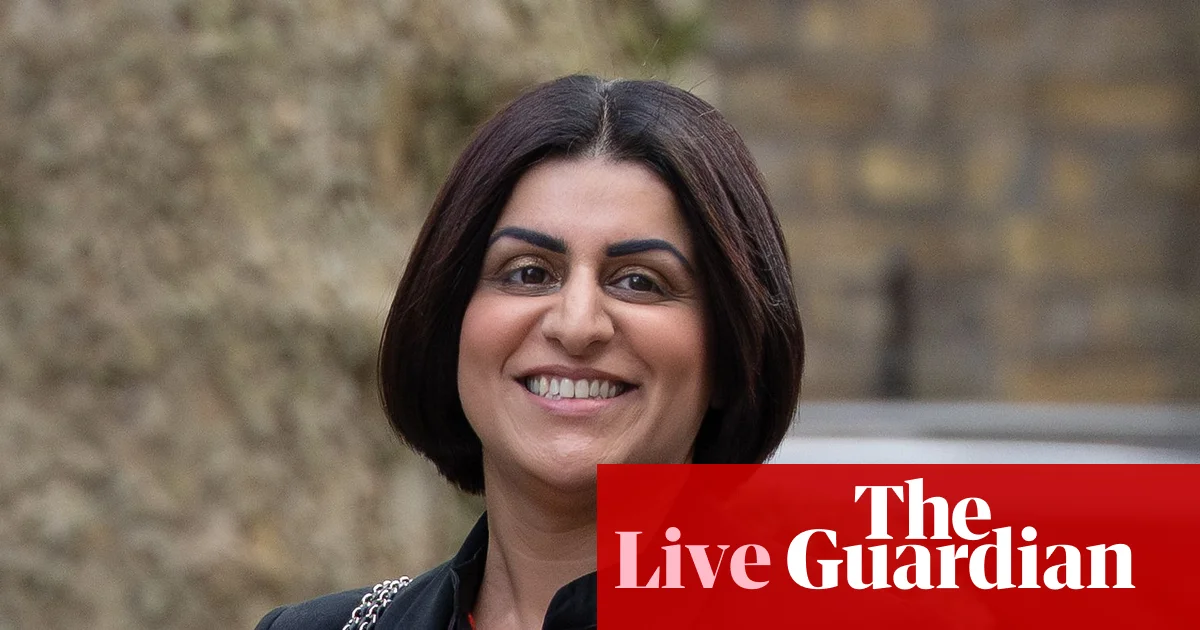
Shabana Mahmood pledges tough but fair asylum plan, opening door for some claimants to work—UK politics in motion

As 2026 unfolds on the international stage, a series of decisive decisions by major powers underscore a turning point in global geopolitics. Britain’s recent stance on military involvement in Iran, coupled with internal political turbulence, signals a shift towards assertive sovereignty and strategic autonomy. In the UK, internal debates over foreign military collaboration reveal the enduring tension between diplomatic independence and alliance commitments. Reports indicate that cabinet ministers, led by energy secretary Ed Miliband, blocked Prime Minister Keir Starmer from permitting the US to use British bases for strikes against Iran. This move, grounded in international law, reflects a cautious yet resilient approach, emphasizing the importance of adhering to legal frameworks even amidst pressure from the United States.

The refusal to facilitate US military operations from British soil is emblematic of a broader global trend—nations reassessing their roles in the new era of warfare. Analysts from the International Crisis Group argue that this stance not only preserves Britain’s legal integrity but also reinforces a narrative of strategic independence. However, it also entails risks; the UK’s firm stance risks alienating allies in the Middle East, who perceive perceived abandonment and vulnerability. Meanwhile, the US, eager to maintain regional dominance, has reportedly bypassed formal channels, working directly with military authorities to plan offensive actions, illustrating a shift toward unilateral decision-making by superpowers—this in turn complicates the international legal landscape.

In the Middle Eastern theater, tensions escalate as UK officials, along with their US counterparts, grapple with provocative drone attacks in Cyprus and the Levant. UK defense secretary John Healey’s diplomatic efforts in Cyprus highlight the seriousness of the threat posed by pro-Iranian militias, believed responsible for recent strikes on RAF bases. These attacks reveal how regional conflicts are becoming layered with international strategic interests, risking a broader conflagration. Furthermore, the Iranian retaliatory bombardment, following US and Israeli strikes, signals an ominous descent into a cycle of escalation, which analysts warn could spiral beyond control—an outcome that might well redefine regional power balances.

Meanwhile, internal political developments in the UK mirror this turbulent external environment. Home Secretary Shabana Mahmood announces measures to reform the domestic asylum system, with the potential to integrate thousands of asylum seekers into the workforce. Yet, critics—such as the Refugee Council—warn that such measures risk increasing homelessness and social unrest, reflecting internal divisions akin to those seen globally. This internal strife underscores a fundamental question: how societies balance national security, social stability, and humanitarian obligations in an era of heightened geopolitical tension?

As history continues to unfold in the shadows of these decisions, it becomes clear that the choices made today will ripple through decades. In a world where alliances are tested and sovereignty is asserted anew, the true impact extends far beyond borders. It is a relentless reminder that, in the crucible of history, nations are forging new identities—sometimes at odds, sometimes in reluctant unity—yet always bearing the weight of their collective destiny. The next chapters remain unwritten, but their ink will be scribed by the decisions that, right now, echo across the corridors of power and the collective consciousness of nations.
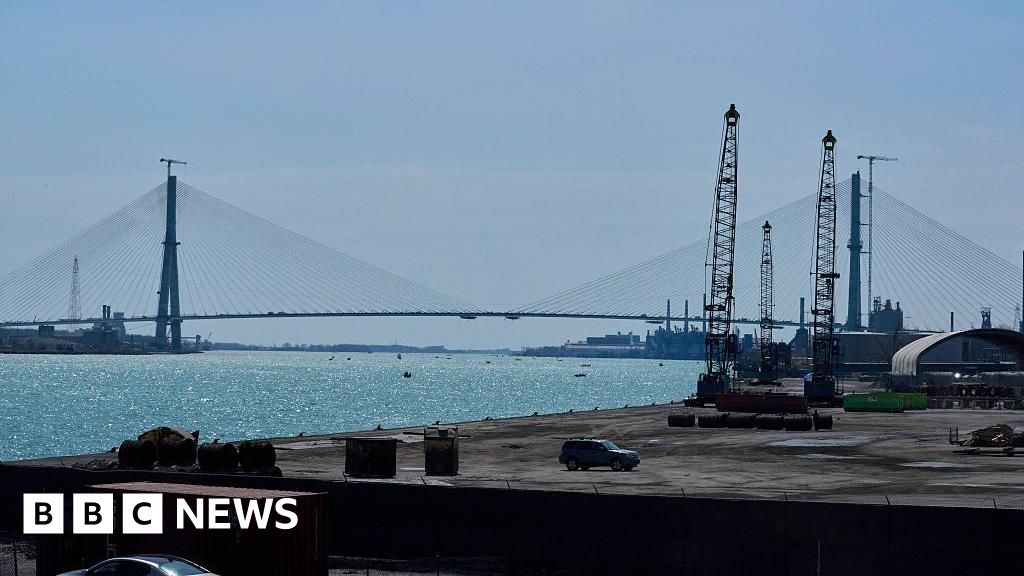

Trump warns: US-Canada bridge opening may be blocked

Former Michigan Governor Rick Snyder, a key figure during the initial stages of critical infrastructure negotiations, recently proclaimed in an op-ed published by the Detroit News that the current arrangements represent “a great deal for America.” His enthusiastic endorsement pinpoints a broader debate over the strategic value of infrastructure projects that transcend local borders to shape global geopolitical alignments. Snyder’s comments underscore a vital feature of this ongoing saga: how domestic decision-making in nations like the United States echoes far beyond their immediate precincts, influencing global alliances and regional stability.

The controversy revolves around a series of strategic hold-ups, often perceived as attempts to leverage infrastructure investments for political ends, which threaten to paralyze vital transportation links. Critics argue that these disruptions, whether deliberately orchestrated or a consequence of diplomatic friction, threaten international trade flows and regional cooperation. Analysts from institutions like the International Institute for Strategic Studies warn that such delays could embolden foreign powers to fill the leadership vacuum. For example, China’s expanding Belt and Road Initiative could actively capitalize on perceived American indecisiveness, further stretching geopolitical influence and contesting long-standing American economic interests.

Meanwhile, U.S. policymakers remain sharply divided on the right course of action. Some advocate maintaining strict negotiations rooted in national sovereignty, emphasizing the importance of protecting critical infrastructure from becoming tools of foreign influence. Conversely, proponents highlight the potential economic gains and strategic partnerships forged through open and resilient international cooperation. Historically, leaders like Rick Snyder have championed infrastructure investments as foundational for national security and economic vitality. Yet, as critics point out, the current global environment is marked by rising geopolitical tensions, resource competition, and territorial disputes that threaten the delicate balance of international stability.

Furthermore, international organizations such as the United Nations have begun issuing cautions, suggesting that continued disruptions could undermine the principles of free trade and collective security. As history demonstrates, when critical infrastructure becomes entangled in political disputes, the consequences often extend well beyond immediate economic losses, impacting the societal fabric of nations involved. The decisions made today—whether to facilitate collaboration or retreat into geopolitical blocs—will undeniably shape the trajectory of global power dynamics for decades to come. As the world watches these developments unfold, the weight of history looms ever larger, a reminder that choices made in this moment may well define the shape of international order for generations.

Walmart Black Friday 2025: Prime Deals, Opening Hours & Must-See Highlights for Millennials and Gen Z

Black Friday Trends: Walmart’s Power Play and the Future of Consumer Culture

In an era where consumer behavior is continually evolving, the age-old ritual of Black Friday shopping remains at the forefront of American lifestyle trends. This year, a notable shift is unfolding, driven by a combination of digital innovation and strategic retail campaigns. Walmart, for instance, has positioned itself as a dominant force during this retail frenzy, offering early access and significant discounts that reinforce its social relevance. As shoppers gear up for the biggest retail event of the year, it’s clear that the cultural impact of these shopping extravaganzas extends beyond mere transactions—they serve as a reflection of societal values, technological adaptation, and even generational identity.

While Amazon has long been the reigning online retail giant, in-person shopping at Walmart remains a deeply ingrained tradition for many Americans. The retailer’s strategic timing, with stores opening as early as 6 am on Black Friday, caters to the youthful desire for immediate gratification and hands-on engagement. Walmart’s online deals, coupled with their in-store availability, create a hybrid shopping experience that appeals across generations, especially among younger consumers who view physical stores as social hubs as much as transactional spaces. Influencers and sociologists such as Dr. Emily Lyons note that this blending of online and offline shopping reflects a broader societal shift in behavior, where convenience, community, and immediate access are central to the modern lifestyle.

Leading into the event, Walmart’s recent sneak peek from November 14-16 showcased their intent to attract attention with massive discounts—some slashing prices by up to 50% on flagship products like electronics, fitness trackers, and household gadgets. The attention-grabbing promotions, such as discounts on Walmart+ memberships, not only incentivize consumer loyalty but also reinforce the trend of subscription-based, premium shopping experiences. This strategic move underscores a larger societal shift toward valuing exclusivity and perceived technological prowess. Importantly, these campaigns are more than just sales—they are social signals, allowing young consumers to demonstrate their savvy shopping skills and their ability to capitalize on emerging trends, establishing an online identity rooted in consumer savvy.

The social relevance of Black Friday branding extends into viral marketing, with influencers sharing their haul videos and shopping tips across social platforms, embedding these retail moments into the fabric of youth culture. The top picks—such as the massive discounts on high-end TVs, Apple products, and gaming gear—are becoming more than just products; they serve as symbols of status and tech-savviness. Market analysts forecast that this trend of blending digital deals with in-store exclusives will continue to grow, further solidifying retail’s role as a cultural cornerstone for the younger generation. Yet, as we celebrate massive savings, a question looms: how long can this dance of consumerism last before societal values begin to shift away from materialism and toward more sustainable or community-centered priorities?

The Next Big Question

As the lines between online and offline shopping blur and retailers like Walmart adapt to the shifting landscape, one must ask: is this synchronized push for consumption a sign of cultural resilience or a bubble waiting to burst? With emerging technological trends such as AI-driven personalized shopping and the rise of sustainable consumerism, the future of Black Friday—and American consumer culture—may be heading toward a fascinating crossroads. Will future generations redefine shopping from a mere transactional activity into a more meaningful, less material-driven social experience? Only time will tell, but the next big question readers should be pondering is whether the next wave of retail evolution will foster genuine community or reinforce superficial social signals rooted in material wealth.

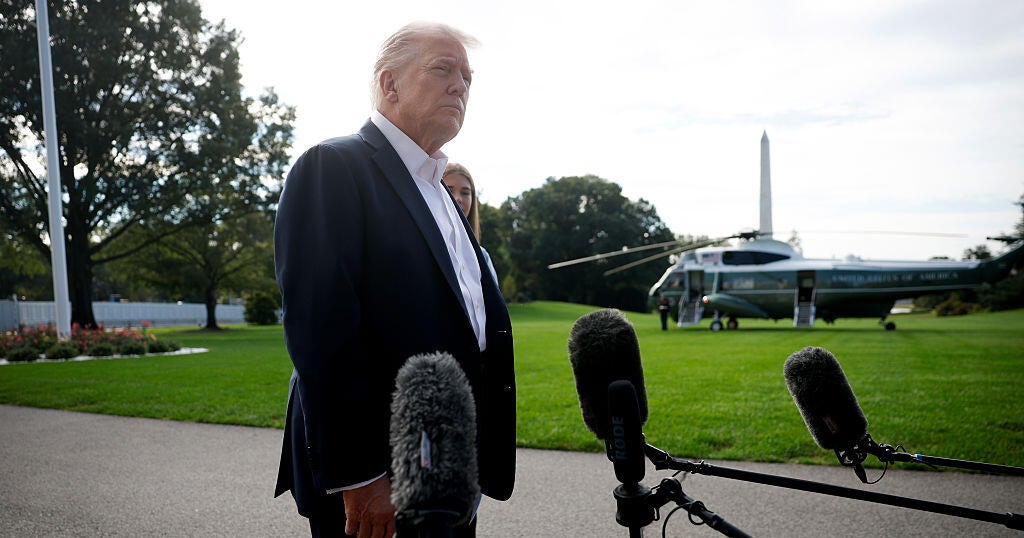
Trump attends first day of Ryder Cup to boost U.S. team
Trump Shots for Team USA at Ryder Cup’s Opening Day

President Trump’s Visit Amidst the Shadow of Power Struggles and National Identity

In a display of strategic positioning and national pride, President Donald Trump has traveled to New York to attend the opening day of the 45th Ryder Cup, where the best U.S. golfers face off against their European counterparts. While this event might appear as a mere sporting spectacle, it underscores the deeper, latent power struggles within the American political landscape and the cultural contest over national identity. Trump’s presence at such an event is less about golf and more about asserting a geopolitical narrative—one where strength, resilience, and patriotic symbolism serve to bolster his influence amidst ongoing debates about America’s place on the world stage.

The Ryder Cup, a symbol of international competitiveness, becomes a background for Trump’s political messaging. Historically, sports have often acted as vessels for ideological expression, where victories and losses carry weight beyond the scoreboard. For conservative forces, the event is an opportunity to reinforce themes of national pride and resilience—values championed by Trump throughout his presidency. The optics of the former president present at an American sporting event—surrounded by patriotic display—serve as a reminder to his supporters that the political battles over sovereignty and cultural preservation are far from settled. In this context, Trump’s participation illustrates how the arena of national sports transforms into a battleground for ideological dominance and the reaffirmation of traditional American values.

Significantly, Trump’s visit occurs amidst a broader clash over policy reforms and constitutional interpretations that are shaping the future of the republic. Political theorists such as Carl Schmitt have long argued that sovereignty is defined by the capacity to decisively declare the state of exception—a concept echoed in modern debates over executive power, national security, and constitutional limits. Critics within constitutional law circles warn that recent political developments, driven by both Trump’s rhetoric and contemporaneous legislative acts, threaten to dismantle longstanding checks and balances. These conflicts highlight the intense power struggles between branches of government, as well as between the state and the citizenry, over who truly controls the nation’s destiny.

The political landscape is further complicated by what many describe as a “culture war”—a relentless contest over American identity, morality, and policy direction. Policies such as reforms to immigration, education, and the judiciary have become battlegrounds in this ideological confrontation. For supporters of Trump, these issues represent the preservation of a traditional American order—one grounded in sovereignty, Christian values, and free enterprise. Opponents, meanwhile, push for a more globalist and progressive redefinition of national standards. The ongoing power dynamics can be understood as a challenge to the constitutional foundations laid by the Founding Fathers, who envisioned a nation built on strong, centralized authority balanced by individual rights—a fragile equilibrium now under stress from relentless political reform movements.

As history reminds us, moments of turbulence in the political domain often precede the birth of new paradigms. Whether through constitutional crises or cultural revolutions, this era’s struggle for the soul of America is no different. The stage—symbolized today by a sporting event in New York—serves as a reminder that politics is ultimately about shaping the destiny of a nation and, by extension, the world. It is here, on the cusp of rivalries and reforms, that the true power struggle unfolds, revealing that electoral battles and policy debates are the ink with which history writes the future. In the theater of American politics, leaders and ideologies are both actors and authors—crafting a narrative that ultimately defines what it means to be American in an age of transformation.

Social Media Auto Publish Powered By : XYZScripts.com