

Opera Launches Neon Browser, Pioneering the Future of AI-Integrated Web Navigation
In a bold move set to disrupt the landscape of digital browsing, Opera has announced the rollout of their innovative Neon Browser, a platform designed to seamlessly integrate artificial intelligence into everyday online activities. After a period of closed preview, the company is now opening the doors to select users through invite-based access, offering the service at a monthly fee of $19.99. This development signals a significant shift toward agentic browsing—an industry-transforming trend that could redefine user interaction with web content and online tools.
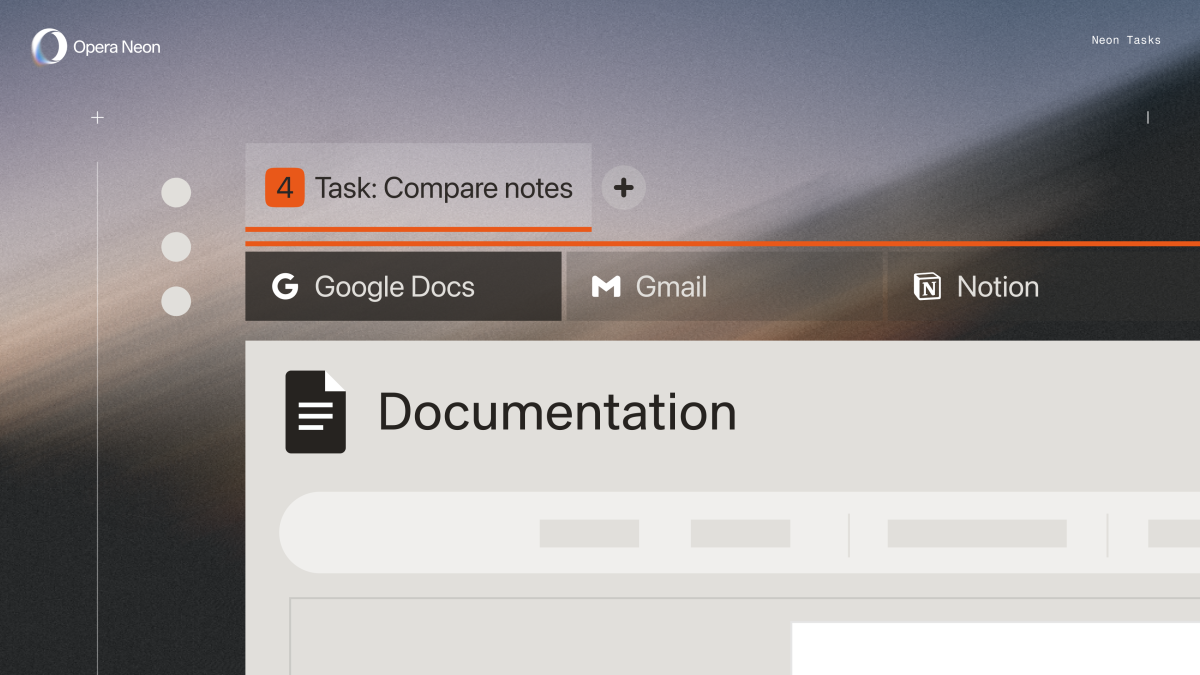
The core of the Neon Browser lies in its sophisticated AI assistant, which combines a conversational chatbot with proactive task management capabilities—powered by what Opera calls Neon Do. This feature not only responds to user inquiries but actively helps accomplish tasks, such as summarizing lengthy articles or curating content across multiple platforms. For example, a user might ask Neon Do to condense a Substack blog post and share the summary directly to a Slack channel, or retrieve details from a previously watched YouTube video—demonstrating the browser’s capacity to operate within and remember across browsing sessions. Such features are set to challenge traditional browser paradigms, sharply emphasizing innovation, convenience, and efficiency in digital workflows.
This strategic push towards disruption is indicative of a broader industry trend where seamless, AI-powered interactions are transforming software tools into proactive agents. Experts from Gartner predict that by 2026, more than 40% of all work-related interactions will involve AI assistants capable of understanding context and performing complex tasks autonomously. Opera’s bold entry into this space places it ahead of the curve, positioning the browser not as a passive tool but as an active participant in the user’s digital experience. Such advancements threaten to diminish the dominance of traditional browsers, forcing tech giants to innovate or risk obsolescence.
The implications of Neon extend beyond mere user convenience. Business implications include the potential to open new revenue streams through subscription models and tailored enterprise solutions, especially as AI becomes an integral part of productivity suites. As Elon Musk and other industry leaders have argued, AI’s disruptive potential can lead to profound shifts in how work is structured—favoring adaptable, agentic tools capable of optimizing complex workflows at unprecedented speeds.
- Enhanced user engagement through proactive assistance
- Potential reductions in time spent on mundane tasks
- New monetization opportunities driven by AI-powered features
Looking ahead, the launch of Opera Neon signals a pivotal moment in the evolution of digital interfaces. With the industry increasingly driven by AI integration, companies that innovate at the intersection of usability and disruptive technology will dominate the future landscape. The upcoming TechCrunch event in San Francisco from October 27-29, 2025, hints at a surge of similar innovations that will accelerate this trend, demanding quick adaptation from existing tech giants and new entrants alike. As AI tools like Neon begin to embed themselves into core browsers, the urgency for stakeholders to recognize the impending transformation is clear: the future belongs to those who dare to disrupt the status quo and shape a new digital age driven by intelligent, agentic technology.





