Matox News

Truth Over Trends, always!

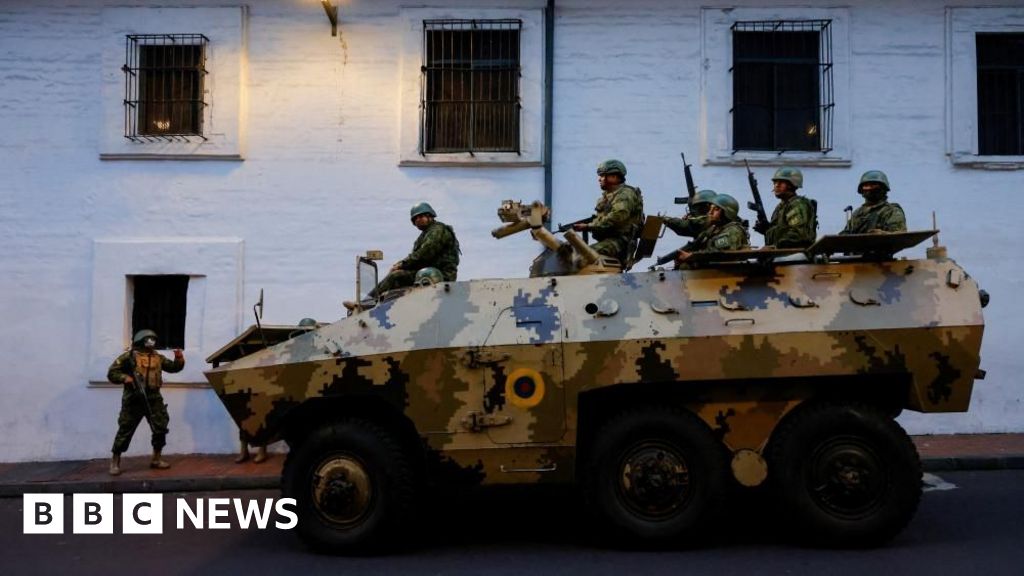
US and Ecuador crack down on drug traffickers in major new operation

Recent statements from Washington reveal a concerted effort to combat what it describes as ‘designated terrorist organizations’ operating within Ecuador. This development signals a significant escalation in regional security dynamics, with broad geopolitical implications extending well beyond South America. The United States’ involvement underscores a broader strategy to contain extremist elements that threaten not only regional stability but also international security, as global powers seek to project influence amid shifting alliances and rising threats.

Analysts point out that the uprising of terrorist groups in the region signals a troubling trend, with insurgent groups leveraging Ecuador’s geographic and political vulnerabilities. Historically, Ecuador has remained relatively insulated from the turmoil that has plagued neighboring countries, but recent years have witnessed increased infiltration by various militant factions. According to reports from international organizations such as the United Nations, these groups have posed threats not only to Ecuador’s internal security but also to global efforts to destabilize fragile governments. Washington’s assertions suggest a desire to prevent these entities from establishing sanctuary on the continent, which could facilitate transnational operations, drug trafficking, and illicit arms smuggling.

In response, Ecuador’s government has reaffirmed its commitment to joint operations with the United States and regional allies, exemplifying what some analysts describe as a pivot toward stronger security cooperation. The move comes amid ongoing debates about sovereignty versus the need for international assistance in combating extremism. Historians emphasize that such cooperation often marks a pivotal shift in a country’s foreign policy, reflecting the increasing importance of security alliances in a world where traditional borders are increasingly porous. Yet, critics caution that such interventions could also fuel anti-Western sentiments, complicating diplomatic relations and potentially destabilizing the region further.

This unfolding scenario exemplifies the delicate balance of power in the 21st century, where the fight against terrorism serves as a proxy for broader geopolitical strategies. As global leaders deliberate the next moves, the international community must reckon with how these decisions will shape the societal fabric of Ecuador and neighboring nations. The echoes of history warn us that, often, the true cost of such interventions is paid in the long run—by innocent civilians caught in the crossfire and by nations entangled in the shifting tides of global conflict. As the world watches, the pages of history continue to be written, with each chapter potentially determining the future stability of a continent whose every move resonates far beyond its borders.
Nigeria, Ivory Coast Deploy 200 Troops for Major Clean-Up Operation

West Africa’s Turbulence: Regional Forces Foil Coup in Benin

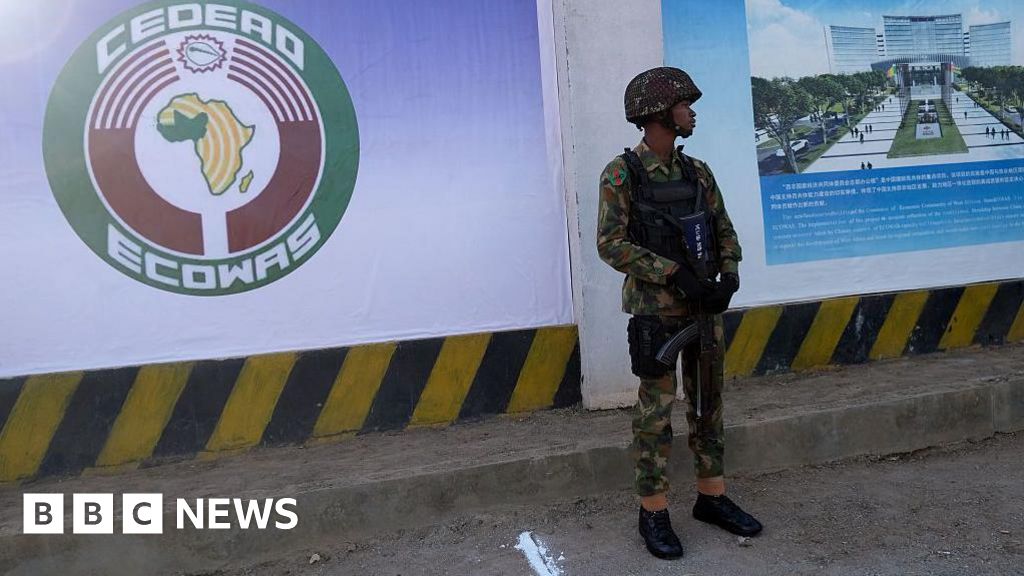
In a decisive move that underscores the escalating instability in West Africa, Benin faced a thwarted coup attempt last Sunday, prompting a swift regional military response. Approximately 200 soldiers from Nigeria, Ivory Coast, and other regional allies were deployed to stabilize the fragile security landscape, revealing an increasing reliance on international intervention to preserve democracy in the face of growing militancy and political unrest. Nigerian fighter jets played a prominent role in repelling the mutineers from key targets, such as the military base and state television headquarters—an unmistakable message that regional powers will not tolerate unconstitutional seizures of government.

Beyond the immediate crisis, this event exposes the fragile state of regional security architecture and the concerted efforts of international institutions like ECOWAS to protect democratic processes. The regional bloc’s deployment of troops from Nigeria, Ghana, Sierra Leone, and Ivory Coast signals a clear shift: West Africa no longer stands idly by as coups become commonplace. Analysts argue that these actions are a strategic move designed to deter future attempts and to uphold the rule of law amid widespread accusations of mismanagement and rising jihadist threats. The complex interplay of military intervention and diplomacy demonstrates a nuanced recognition: regional stability hinges on preventing further chaos and safeguarding democratic institutions.

Critical to understanding this incident is the backdrop of increasing security challenges, particularly along Benin’s northern borders with insurgency-plagued Niger and Burkina Faso. The spread of jihadist groups linked to Islamic State and al-Qaeda has destabilized the region, fueling grievances and broadening the scope of conflict. According to prominent historians and security analysts, such as Dr. Jean-Luc Leblanc of the International Security Institute, these militant networks exploit weak governance and social discontent, threatening to engulf entire societies in cycles of violence. As Benin’s government, led by President Patrice Talon, prepares for next year’s elections, the ongoing unrest underscores the *urgent need for international cooperation and nuanced military strategy* that balances repression with respect for sovereignty.

Despite the victorious efforts to suppress the coup, questions remain about the long-term impact of regional intervention and the ongoing influence of external actors, including France, whose special forces are believed to have supported loyalist troops. The situation’s *turning point* will undoubtedly influence the future of West Africa’s political landscape, as governments navigate the thin line between democracy and authoritarian retreat. The events in Benin are more than isolated incidents—they are symptomatic of a broader geopolitical shift. **As history continues to unfold**, regional players and global allies must confront the undeniable reality: The resilience of democracies in West Africa depends on their ability to adapt, unite, and oppose forces that threaten to undo the liberties hard-won over decades.

US Troops Take Down Suspected Drug Boat, Killing Two in Pacific Operation

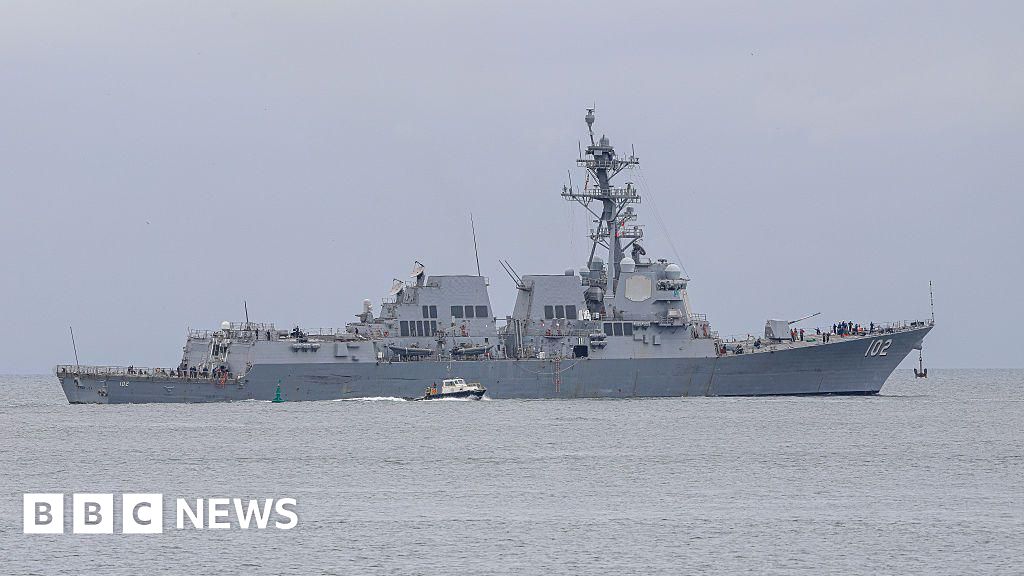
United States forces have initiated a new chapter in its ongoing war against drug cartels, striking a vessel in the Pacific Ocean believed to be engaged in trafficking activities. Confirmed by the Pentagon, this operation marks the eighth US military action against suspected drug vessels since September, yet it bears unique geopolitical significance as the first such strike in the Pacific waters. Defense Secretary Pete Hegseth reported the vessel was known to US intelligence, suspected of carrying narcotics along established trafficking routes in international waters. The operation resulted in two casualties onboard, with perpetrators killed, while no US forces suffered harm.

This escalation in counter-narcotics efforts highlights an intensifying US stance against the transnational drug trade, which has long influenced regional stability and security. Video footage of the strike shows a long, blue speedboat being struck by US ordinance, underscoring the military’s resolve. Hegseth issued a stern warning in a statement on X: “Narco-terrorists intending to bring poison to our shores will find no safe harbor anywhere in our hemisphere.” He further emphasized that these criminal organizations, which US officials often classify as terrorist entities, are waging a war not only on American soil but also across our borders, with economic and societal repercussions for entire nations.

Meanwhile, the geopolitical impact extends beyond immediate military actions. A recent leaked memo from the Trump administration revealed that US officials now consider their conflict with drug trafficking organizations to be a non-international armed conflict. The ongoing strikes have reportedly resulted in at least 36 deaths, including members of drug cartels operating in the Caribbean and the Pacific, with some suspects being repatriated and cleared of wrongdoing. Yet, critics and international analysts continue to debate the legality and strategic efficacy of these operations, warning that such unilateral military actions risk escalating tensions and destabilizing fragile regional relationships. Significant concern exists over how these aggressive strikes influence neighboring countries like Colombia and Ecuador, both critical gateways for cocaine trafficking toward US markets.

The emerging tension between the US and Colombia under President Gustavo Petro signals a shifting alliance landscape. Recently, Donald Trump publicly labeled Petro as an “illegal drug leader,” accusing the Colombian government of encouraging drug cultivation, and announced the suspension of US aid to Colombia—one of America’s longstanding Latin American allies. Such diplomatic strains threaten the stability of the region’s geopolitical fabric, particularly as Colombia and Ecuador’s extensive Pacific coastlines serve as crucial transit points for narcotics funneling northward. According to the Drug Enforcement Agency (DEA), most cocaine destined for US streets passes through this Pacific corridor, fueling the demand-driven chaos that these military operations aim to dismantle. Nevertheless, US officials acknowledge limited transparency surrounding the identities of those killed and the precise cartels involved, adding layers of ambiguity to the broader strategic narrative.

As approximately 10,000 American troops, supported by dozens of ships and aircraft, remain deployed across the Caribbean and Pacific in what some analysts describe as a “peninsula of fire,” the U.S. stance underscores a broader geopolitical gamble. This relentless pursuit of what officials term as “justice” for drug trafficking networks risks inflaming regional tensions and provoking nationalist backlash in Latin America. The narrative remains clear: how decisions made in Washington echo through the corridors of power in Bogotá, Quito, and beyond, shaping the future of international security and sovereignty. As history continues to unfold, these militarized strikes stand as stark reminders of a persistent struggle — where the battle against the drug trade becomes a testament to the complexities of sovereignty, the limits of force, and the unyielding weight of geopolitical destiny.

Social Media Auto Publish Powered By : XYZScripts.com



