Matox News

Truth Over Trends, always!

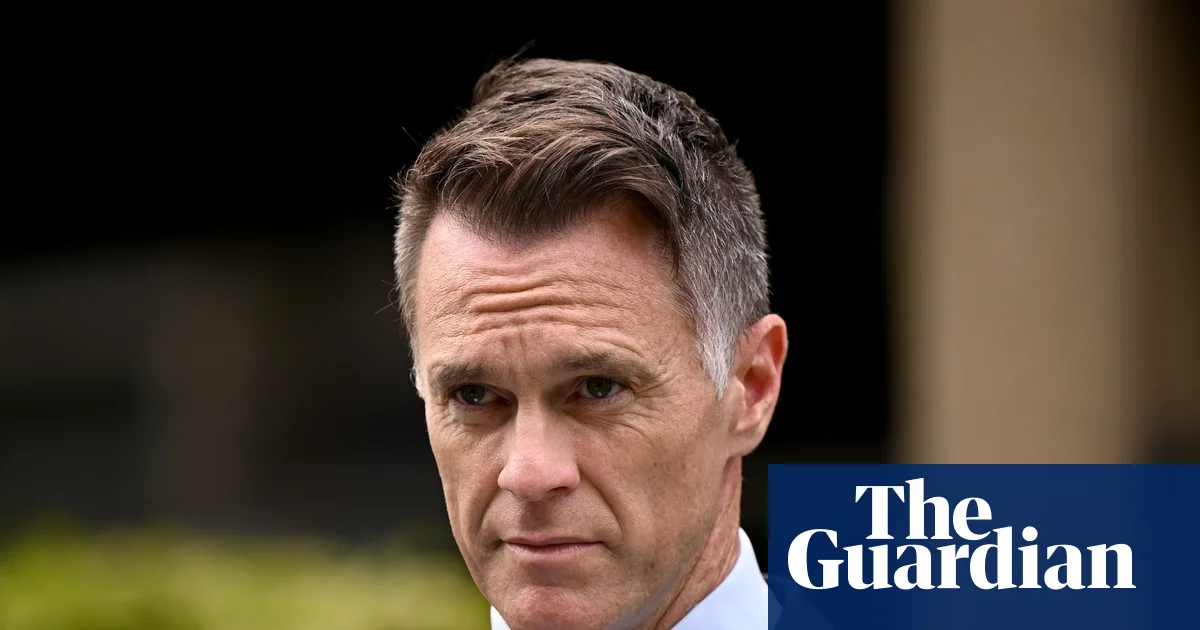
Minns calls pro-Palestine protest organizers 'communists' aiming for clash with police, NSW budget estimates
Minns calls pro-Palestine protest organizers ‘communists’ aiming for clash with police, NSW budget estimates

In a striking turn of events that underscores the volatile landscape of international activism and internal political fractures, Australia’s New South Wales government finds itself at the center of a contentious debate over the peaceable assembly and the engagement with pro-Palestine advocates. Premier Chris Minns has publicly dismissed protest organisers as “a pack of communists,” fueling accusations of politicising the situation and risking the social cohesion of the deeply divided society. This inflammatory rhetoric follows violent clashes during a recent rally against the Israeli president’s visit, where police responses have come under scrutiny amid allegations of police brutality.

These confrontations threaten to escalate into a broader international rift, as global analysts draw attention to the implications. The protests, which saw four Labor backbenchers attending a speech by Israeli President Isaac Herzog in Sydney, have rippled beyond local politics. While some political figures like Stephen Lawrence MLC defend protesters, viewing their actions as a stand for Palestinian rights, critics argue that the protests are being manipulated by radical elements, including socialists and communists affiliated with groups like the Palestine Action Group (PAG). Historians warn that such alliances have historically been vectors for “big social movements,” but in this context, they threaten to undermine Australia’s national stability and complicate diplomatic relations in a tense Middle East geopolitical environment.

The debate extends far beyond the streets to focus on the broader geopolitical impact. Australia’s internal divisions mirror the polarisation seen across Western nations, where support for Israel or Palestine increasingly aligns with domestic ideological battles. The Australian government’s approach, characterized by resistance to criticism and suppression of dissent, echoes patterns observed in other democracies experiencing internal stress, risking the alienation of communities and weakening social fabric. Analysts warn that such internal strife could diminish Australia’s standing on the global stage, especially as international organizations like the United Nations emphasize human rights and moderation.

Meanwhile, the situation remains precarious as the NSW police maintain that their actions were justified, citing attempts by protesters to march on Parliament against restrictions declared in response to recent acts of violence and unrest. The ongoing constitutional challenge to new protest laws and the controversial “major events” powers further complicate the legal landscape, pointing to a potential breach of civil liberties. The tension reaches into Australia’s multicultural communities, with Muslim groups voicing concerns over police actions during recent vigils mourning Iran’s late Supreme Leader, Ayatollah Khamenei. These incidents serve as a stark reminder that the political toll extends to societal divisions along religious and cultural lines, with the risk that internal discord could morph into a broader geopolitical vulnerability.

As history continues to unfold, the echoes of this clash in Australia serve as a warning: when states suppress dissent and dismiss grassroots movements as mere radical influence, they risk sacrificing social cohesion and inviting external powers to exploit divisions. The international community watches with bated breath as the narrative of support, protests, and legal battles develops — leaving behind a legacy that could reshape the political landscape for years to come. In this unfolding drama, the weight of history presses heavily, reminding observers that the moment may be fleeting, but the consequences are profound and lasting.
Iran arrests marathon organizers over women running unveiled

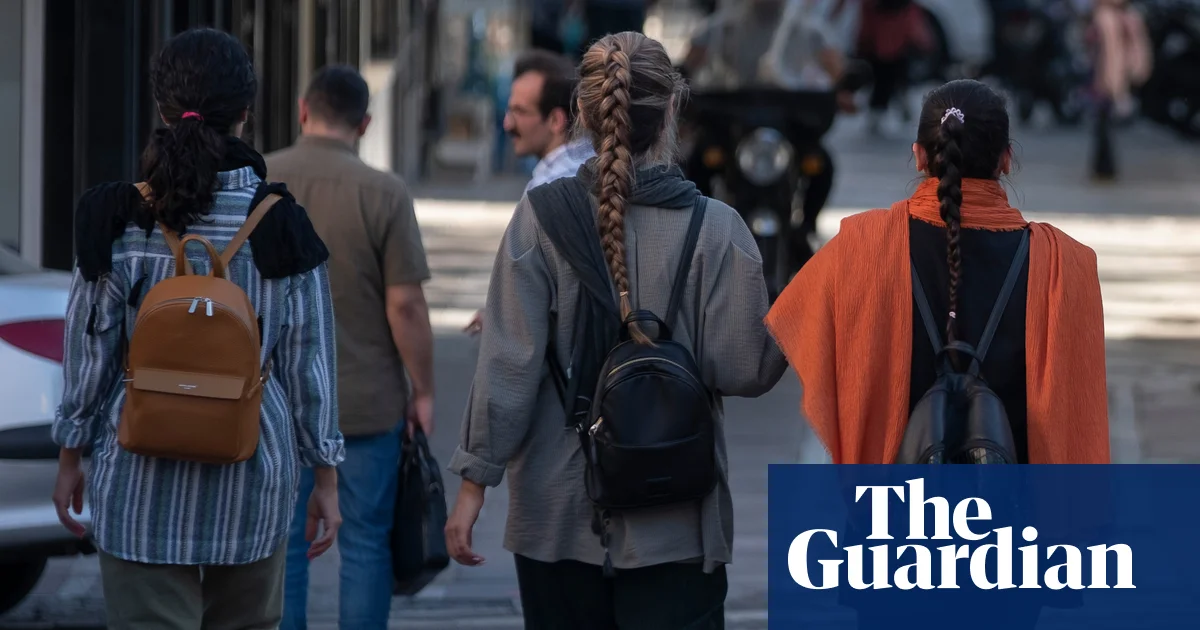
In a stark display of Iran’s ongoing internal struggles over religious conformity and societal control, recent actions by judicial authorities highlight the fragile balance the regime seeks to maintain amid mounting pressure from conservative factions. The arrest of two organizers involved in a marathon on Kish Island, after images surfaced showing women participating without hijabs, serves as both a political signal and a reminder of the strict Islamic regulations that continue to define public life in Iran. This event, seemingly routine on the surface, underscores a broader struggle over control, identity, and the country’s future direction—a struggle with profound geopolitical implications.

The involvement of Iranian authorities in cracking down on this event reflects ongoing tensions within the regime itself. The arrest of officials from both the Kish free zone and the private event organizers illustrates the regime’s attempt to enforce religious laws amid increasing criticism not only from ultraconservatives but also from segments of society demanding greater liberties. This crackdown occurs just months after the tragic death of Mahsa Amini, which ignited widespread protests and exposed the deep divisions over the country’s strict dress codes and authoritarian rule. Analysts warn that such internal conflicts threaten to destabilize the regime further, with international observers watching keenly as Iran’s internal governance becomes more volatile.

  • Authorities cite violations of “public decency” and the need to uphold religious laws, emphasizing the regime’s unyielding stance against non-conformity.
  • Conservative media outlets condemned the marathon, framing it as a breach of Islamic morality, thus amplifying internal ideological battles.
  • Recently, many lawmakers voiced discontent over the judiciary’s perceived failure to strictly enforce hijab laws, prompting calls for tighter regulation and penalties from top government officials.

The geopolitical impact extends beyond the borders of Iran. Every act of internal repression, especially concerning social and religious freedoms, signals to the outside world that the regime remains deeply committed to ideological conservatism. This stance risks isolating the nation further from Western nations and complicating diplomatic negotiations over Iran’s nuclear program, regional influence, and economic sanctions. Global institutions and Western allies have long argued that Iran’s domestic policies threaten regional stability and human rights — this recent incident accentuates those concerns.

Experts like Middle Eastern analysts warn that Iran’s internal crackdowns coincide with increased regional instability, as conservative factions seek to rally nationalist sentiments around Islamic values. The regime’s resistance to ratify legislation that would impose harsher penalties for dress code violations signals a balancing act — trying to satisfy ultraconservative factions while avoiding further unrest. Ultimately, these clandestine battles over societal norms reveal a regime deeply divided, fighting to preserve its ideological bedrock in a changing world. As history continues to unfold, every arrest, every crackdown echoes beyond its borders, signaling a country caught between the suppressive forces of the past and a future that may demand profound transformation. The question remains whether Iran’s internal strife will catalyze reform — or plunge the nation into deeper chaos, with consequences reverberating across the Middle East and beyond.

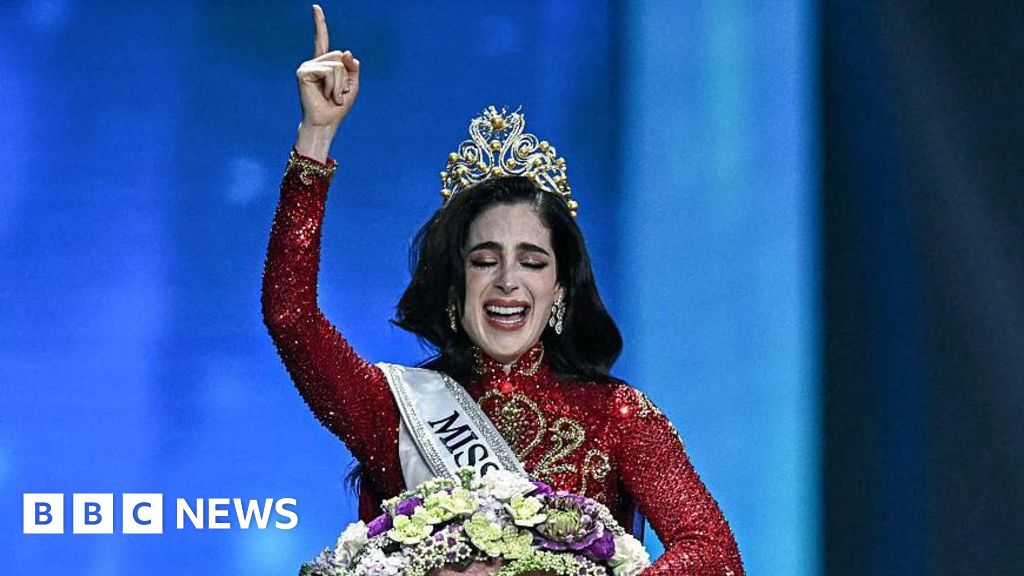
Mexico’s Fatima Bosch, snubbing organizers, takes home the crown

International Tensions Rise as Miss Universe Unravels Amid Cultural and Leadership Turmoil

In what was meant to be a celebration of beauty, resilience, and cultural diversity, the recent Miss Universe pageant in Bangkok has spiraled into a spectacle of controversy, exposing deep fissures within the organization’s leadership and the cultural divides that underpin its global outreach. The pageant, venerable and historically influential since its inception in 1952, has become a mirror reflecting the increasing tensions between traditional values and progressive ideology, with Thailand hosting for the fourth time amid internal chaos. Experts and analysts suggest that these upheavals are emblematic of a broader, more alarming trend: the clash of conflicting cultural identities and the fragility of global institutions in today’s geopolitically charged environment.

The drama unfurled dramatically during a pre-pageant event when Thai media mogul Nawat Itsaragrasil, who holds the licence to organize this year’s event, publicly berated Miss Mexico, Fatima Bosch, for failing to promote products on social media. This confrontation, witnessed by dozens of competitors, saw the organizer threaten disqualification, prompting a walkout from Ms. Bosch and her supporters. Such indignities cast a shadow over the organization, prompting swift condemnation from the Miss Universe organization based in the United States. The incident underscored a deeper crisis—an organizational identity crisis driven by conflicting cultural expectations. International observers, including scholars like Thitiphong Duangkhong, warn that the disrespect shown to contestants signals a disconnect between the Thai-led event and the global audience, many of whom view the pageant as an empowering platform for women rather than a spectacle of hierarchy and authority.

Adding fuel to the fire, allegations of rigging and biased judging surfaced when two judges resigned suddenly. Lebanese-French musician Omar Harfouch accused the judges of pre-selecting finalists, suggesting an undercurrent of corruption that threatens the credibility of the event. Although the Miss Universe Organization refused these claims, asserting their process remains fair, the damage was done. Meanwhile, the leadership remains fractured, with Anne Jakrajutatip, a Thai transgender media mogul who pioneered inclusivity policies, having stepped down as CEO just prior to the competition. Her departure, following the organization’s attempt to shift towards a more socially conscious yet commercially challenged model, highlights the digitized, commercialized era the pageant now finds itself in—a far cry from its glamourous, once-a-year TV spectacle. The leadership vacuum, split between Bangkok and Mexico, exposes the vulnerabilities of a brand struggling to navigate the tumultuous terrain of modern media, as noted by industry analysts.

The Geopolitical Impact and Social Consequences

These internal developments are far more than organizational gossip; they reverberate across the international stage. The controversies expose the susceptibility of cultural diplomacy, as the pageant’s African, Asian, and Latin American fans question the legitimacy and authenticity of a contest often seen as a reflection of Western beauty standards. The rise of social media influencers—many former Miss Universe queens—demonstrates a seismic shift in how societal influence is cultivated, transcending traditional pageantry. Meanwhile, the splintering leadership hints at a larger trend: the decline of institutions rooted in outdated notions of glamour, now vulnerable to the tides of activism, social justice movements, and digital advocacy.

Veteran analysts and historians cite that the Miss Universe pageant’s turbulent transition underscores the wider cultural war playing out in global narratives. As some critics argue, the Pageant’s attempt at inclusivity—allowing transgender women, married women, and contestants with children—marked a progressive milestone, yet also stoked backlash among conservative factions, especially in Latin America and parts of Southeast Asia. The ongoing instability invites parallels with other international institutions struggling to adapt amid geopolitical shifts, where traditional authority is challenged by populist movements and social activism, reminiscent of debates over multilateral treaties and cultural sovereignty. The core question remains: can such a fractured organization preserve its relevance and moral authority as the tide of history insists on redefining societal values?

The Future Echoes in the Shadows of History

As the dust settles over Bangkok, the question lingers—what is next for Miss Universe? Will it evolve into a media empire akin to the influencers who dominate TikTok and Instagram, or will it succumb to internal disarray and irrelevance? The decisions made in these critical moments will shape not only the future of the pageant but hint at the broader fate of global cultural icons caught between tradition and modernity. The echoes of history warn us: institutions built on fleeting notions of beauty and status are inherently fragile, especially when subjected to internal betrayals and external cultural clashes. The real story remains unwritten, a narrative of transformation that could either restore its dignity or consign it to the annals of history as yet another fallen symbol of a bygone era, leaving future generations to ponder whether it was the organization’s hubris or society’s shifting morals that doomed the pageant’s reign.”

Social Media Auto Publish Powered By : XYZScripts.com



