Matox News

Truth Over Trends, always!

Activists from Oscar-nominated 'The Alabama Solution' thrown into solitary confinement
Activists from Oscar-nominated ‘The Alabama Solution’ thrown into solitary confinement

Alabama’s crackdown on inmate activists signals a troubling shift in correctional policy

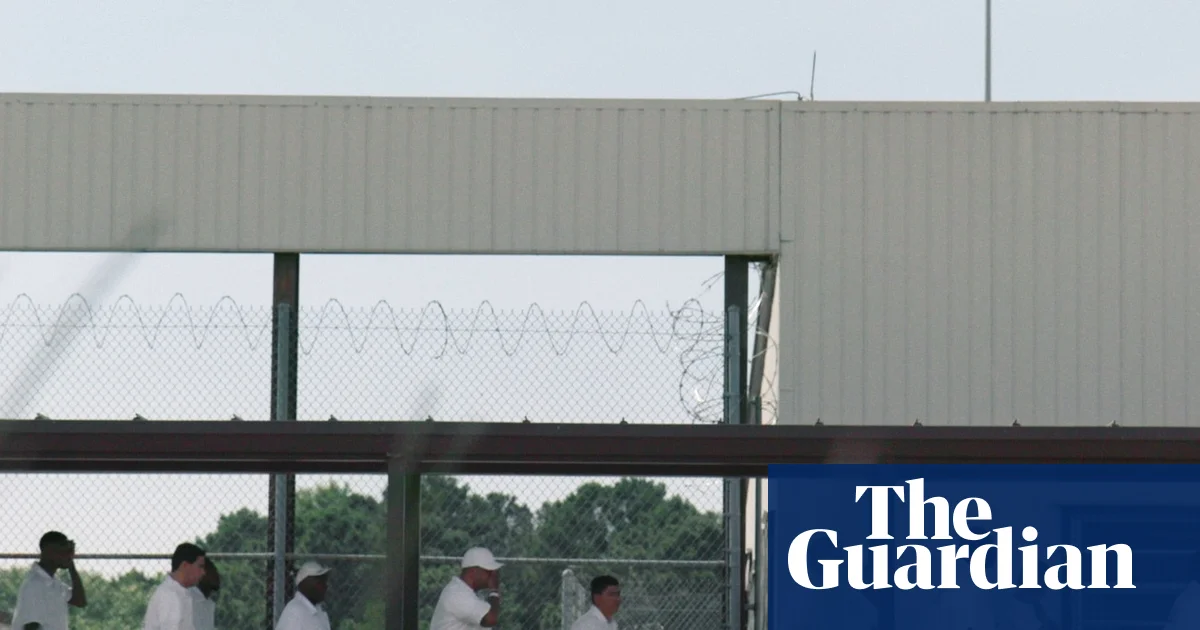
In recent weeks, the Alabama prison authorities have moved three prominent inmate activists—Robert Earl Council, Melvin Ray, and Raoul Poole—into solitary confinement at Kilby correctional facility, sparking international concern over rising authorities’ repression. These men, known for their vocal opposition to prison conditions and their feature in the Oscar-nominated documentary, The Alabama Solution, are now isolated with little contact with family or legal representatives, raising alarm about potential retaliation for their activism. Critics argue that this targeted move exemplifies a broader pattern of state-sponsored suppression of dissent within American correctional institutions.

Many analysts note that the U.S. prison system, particularly under Alabama’s Department of Corrections, is increasingly employing punitive isolation to silence prisoners who dare to challenge systemic abuses. The move to segregate Council, Ray, and Poole on what prison officials claim are “security concerns” appears to be an escalation designed to discourage dissent, especially in a climate where calls for a new prison labor strike are gaining momentum. International human rights organizations, such as Amnesty International, have long condemned the use of prolonged solitary confinement as a form of torture and excessive punishment, warning that such measures threaten the physical and mental well-being of inmates.

The controversy extends beyond the prison walls; it underscores the delicate geopolitical impact of America’s ongoing domestic human rights issues. As the United Nations and various watchdog groups scrutinize American incarceration practices, critics argue that these internal struggles reflect poorly on the nation’s claims of justice and human rights leadership. The fact that activists like Council, Ray, and Poole have been featured in a documentary, which has received international recognition, indicates a wider acknowledgment of the depth of America’s incarceration crisis. Renowned political analysts warn that such suppression not only diminishes the morale of political prisoners but also serves as a cautionary tale about the lengths to which authorities will go to preserve the status quo.

Historian and prison reform advocates emphasize that these recent actions can have long-lasting repercussions in the realm of international relations. With sectors of the global community increasingly demanding accountability, the U.S. risks portraying itself as a nation that tolerates and even endorses authoritarian tactics within its own borders. The move against these inmates coincides with a period of heightened political tension, pushing the debate over human rights and state repression into the international spotlight. As experts warn of a potential escalation in such measures, the world watches, and history waits to record whether this is a defining moment of reform or an affirmation of systemic brutality.

Indeed, the unfolding story of Alabama’s prison system serves as a stark reminder of the persistent power struggle within democratic societies—a struggle between the forces of authority and the rights of the individual. As the voices of resistance are silenced through intimidation and isolation, the question remains: how much longer will the global community accept such injustices as the price of order? The narrative is still being written—one where the weight of history may yet tip toward reform or repression, and the world waits to see which path America will choose in this dark chapter of its own making.
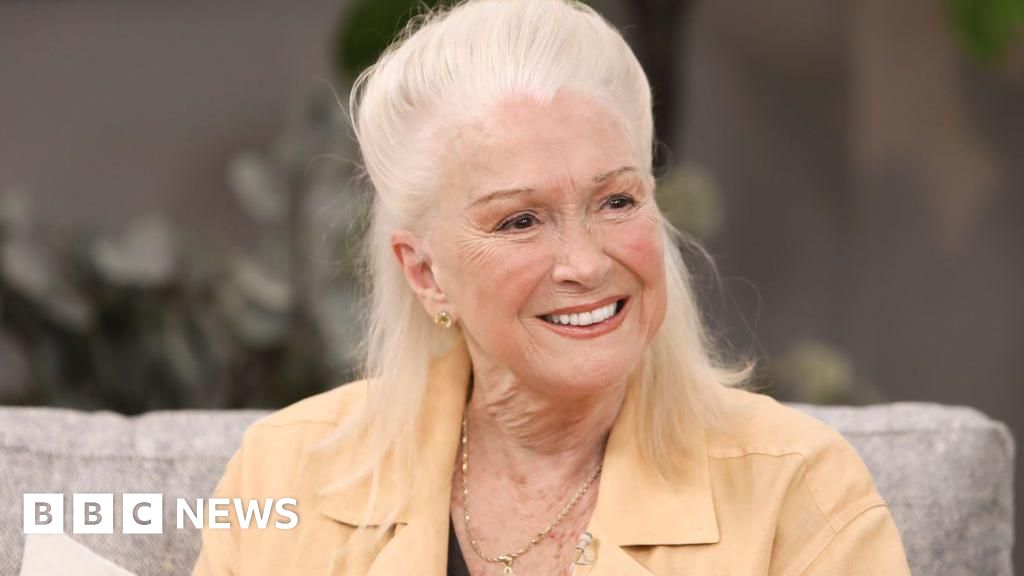

Oscar-nominated actress Dianne Ladd, proud mother of Laura Dern, passes away at 89

Global Geopolitical Impact: A Reflection on the Passing of Diane Ladd

The recent passing of Diane Ladd, a treasured icon of Hollywood and a symbol of artistic resilience, marks not only the end of an illustrious career but also prompts reflection on cultural influence and societal values worldwide. As a three-time Academy Award nominee renowned for her roles on stage and screen, Ladd’s legacy underscores the profound role of arts and entertainment in shaping national identity and international perceptions. Her career trajectory, spanning decades, exemplifies how individual talents contribute to a country’s soft power, influencing global culture and the perception of societal values.

In the realm of international diplomacy and cultural exchange, figures like Ladd serve as cultural ambassadors, fostering mutual understanding through shared narratives and artistic expression. Her collaborations and appearances in films that often explored complex human stories resonated beyond borders, reinforcing the global language of cinema. These narratives, embraced worldwide, shape international discourse on empathy, social justice, and human rights. Analysts from institutions like the United Nations Educational, Scientific and Cultural Organization (UNESCO) have long emphasized the importance of arts in diplomatic relations, with figures like Ladd embodying this vital link. As historians highlight, cultural diplomacy remains one of the most enduring strategies for peaceful engagement among nations, making her life’s work a subtle but impactful form of international influence.

Meanwhile, the personal tragedies faced by Ladd—such as the loss of her infant daughter—echo across societal lines, reminding societies worldwide of the universality of grief and resilience. Her daughter, Laura Dern, publicly shared that her final moments were spent surrounded by family, underscoring the human dimensions behind public figures and how personal stories often intertwine with national narratives. Such personal histories serve as poignant warnings, emphasizing that even in the brightest lights of fame, personal struggles persist, and societal attention to mental health and family well-being remains critical. >The loss of her granddaughter and her own reflections during interviews serve as somber reminders of life’s fragility and the enduring human capacity to overcome adversity.

Looking forward, the legacy of cultural icons like Diane Ladd will continue to influence how societies perceive history and progress. As international analysts and cultural scholars debate the evolution of media and its role in shaping future generations, her artistry exemplifies the enduring power of storytelling to forge a collective identity. The importance of nurturing cultural talents is a message that echoes across global institutions, emphasizing that today’s arts and entertainment sector is integral to shaping a worldview rooted in resilience and hope. Yet, as history unfolds, the world remains a stage where triumph and tragedy intermingle, leaving an indelible mark on the fabric of global society. In this ongoing narrative, the lessons of the past serve as the foundation for a future still being written, with the weight of history urging nations and peoples alike to remember that their stories, like hers, are part of a wider, unfolding mosaic of human experience.

Social Media Auto Publish Powered By : XYZScripts.com


