Matox News

Truth Over Trends, always!

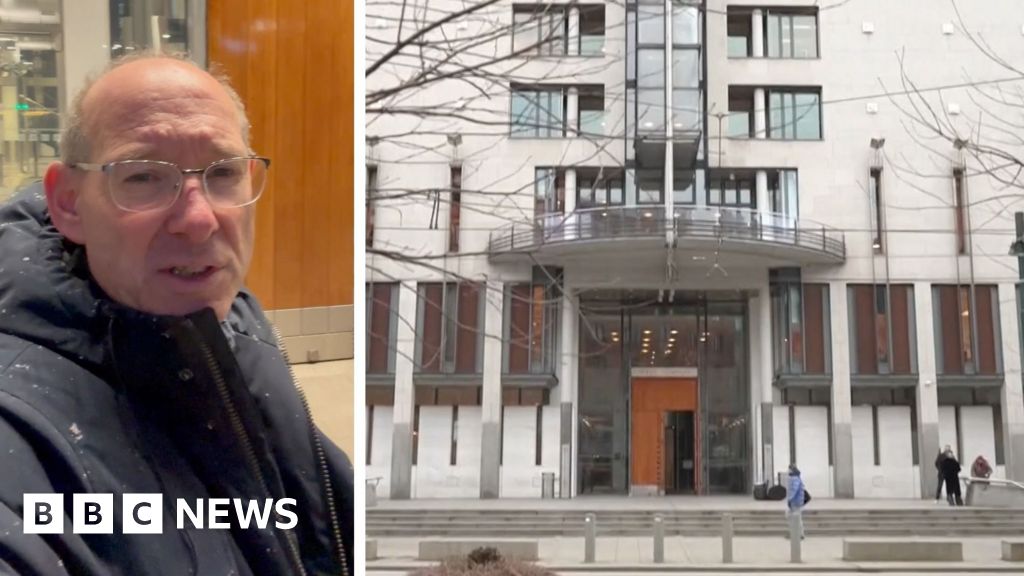
BBC Reports from Oslo Court as Crown Princess’s Son Faces Rape Trial

High-Profile Legal Proceedings in Norway Cast Shadow Over Royal Image Amidst Broader International Tensions

The forthcoming trial of Marius Borg Høiby, the son of Norway’s Crown Princess Mette-Marit, has captivated international attention as it prepares to unfold in Oslo. Accused of 38 charges—including severe allegations of sexual assault, threats, drug offenses, and property damage—Høiby’s case highlights the vulnerabilities of even the most privileged in society. If convicted, he risks a sentence surpassing a decade in prison, a stark reminder that no one is immune from justice, regardless of royal lineage. The recent re-arrest of Høiby, who has now been detained four times since August 2024, underscores the gravity of the accusations and the volatile environment surrounding his legal troubles.

This episode emerges amid revelations of links between his mother and Jeffrey Epstein, the infamous sex offender whose name continues to resonate across geopolitical corridors. These ties, although not necessarily indicative of guilt, raise concerns about the morality and integrity within elite circles, further fueling public mistrust towards the monarchy’s image. International analysts scrutinize this case not just as a national crisis but as part of a broader narrative where the actions of the powerful—especially those connected to prominent families—can undermine a nation’s social fabric. As United Nations and European Union institutions warn against the erosion of trust in leadership, Norway’s royal scandal underscores how personal misconduct can ripple across diplomatic and societal domains.

Impact on International Perception and Geopolitical Stability

Reflecting on this case illuminates a deeper geopolitical impact—how domestic scandals within influential nations shape their international standing. Norway, traditionally viewed as a model of stability and ethical governance, now grapples with an internal crisis that threatens its carefully curated reputation. Such scandals offer adversaries a foothold for criticism, especially within regions eager to highlight perceived moral failings in Western democracies. Economically, the scandal’s fallout could influence investor confidence, especially in sectors tied to Norway’s resource wealth and stability. Moreover, geopolitical analysts warn that these episodes of internal discord, if left unaddressed, risk emboldening opposition factions and destabilizing the social order.

Leading international organizations and security experts articulate concern that scandals featuring royal figures and their families challenge the notion of moral authority necessary for upholding sovereignty and national cohesion. As the case unfolds, the world will watch keenly, recognizing that the consequences extend beyond Norway’s borders. It becomes a symbol of whether societal elites are held accountable, or if they remain above the law, setting a dangerous precedent for societies across the globe.

Historical and Present-Day Parallels: Justice Without Borders

Historically, countries have experienced profound upheavals when scandals involving elites become public. The fall of empires and monarchies can often trace their roots to hidden truths revealed at times of crisis. Today, Norway’s predicament echoes what historians like Barbara Tuchman and Hannah Arendt warned about—the danger of unchecked privilege and the erosion of moral authority. International organizations such as the United Nations emphasize the importance of justice and transparency for peace and stability. Yet, this case serves as a stark reminder that the thin veneer of civility can be shattered overnight when the powerful are exposed, irrespective of national borders or political systems.

As Norway’s courts and society grapple with this controversy, a haunting question remains: Will this be a defining moment for accountability and integrity, or just another chapter in the long saga of elite immunity? The answers lie in how justice is served and whether the tide of public sentiment will uphold the rule of law or be consumed by sensationalism. As history continues to unfold, the weight of this scandal presses heavily upon the shoulders of its participants and observers worldwide—imposing the enduring reminder that no society is immune from the shadows cast by its own secrets.
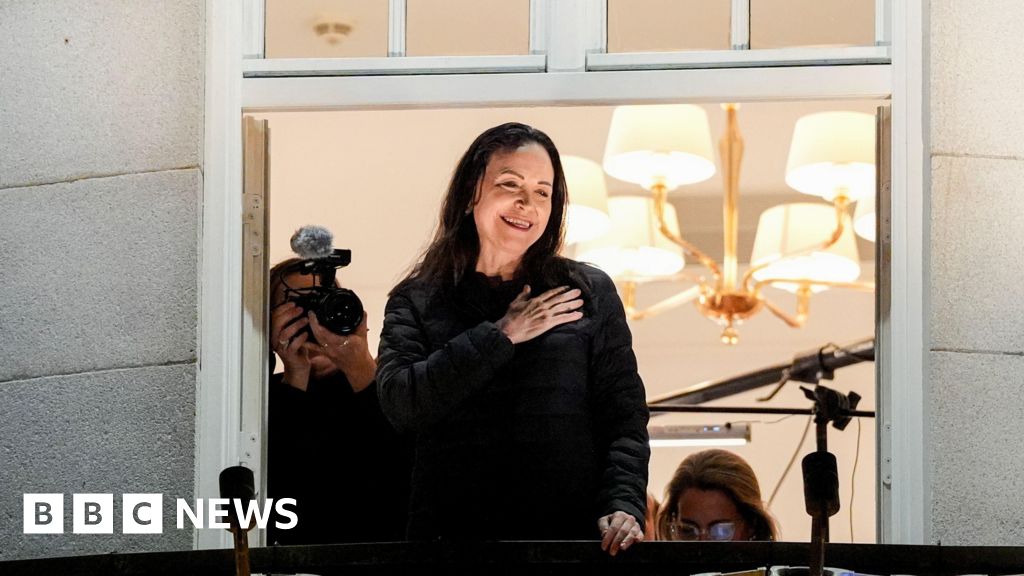
María Corina Machado Lands in Oslo After Nobel Peace Prize Victory

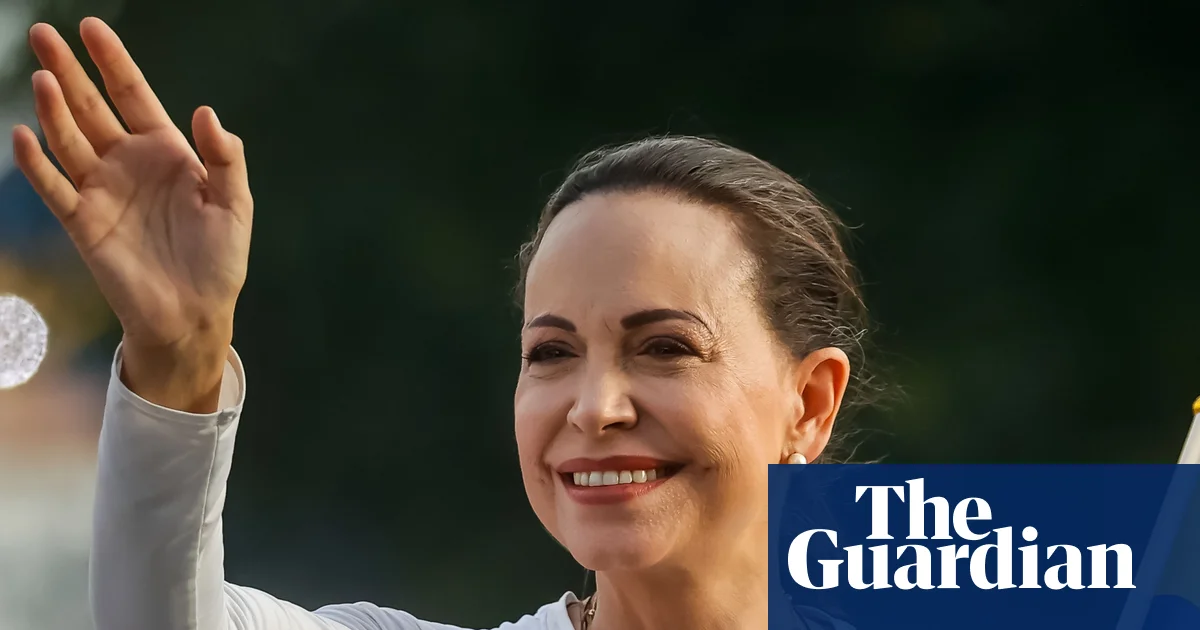
The recent appearance of Venezuelan opposition leader María Corina Machado in Oslo, Norway, following her Nobel Peace Prize award, marks a critical juncture in the persistent struggle for democracy versus dictatorship in Venezuela. Having gone into hiding amid ongoing political turmoil, Machado’s covert journey and public show of support from her supporters outside the Grand Hotel symbolize a resilient opposition defying both domestic repression and international indifference. Awarded for her relentless pursuit of a “just and peaceful transition,” her recognition by the Nobel Institute underscores the global spotlight on Venezuela’s fractured political landscape, which continues to define geopolitical tensions across the Americas.

Her historic public appearance coincides with mounting tensions involving the United States, which recently announced the seizure of an oil tanker off the coast of Venezuela. The US administration claims the vessel was engaged in illicit oil shipping supporting “foreign terrorist organizations,” prompting accusations of theft and piracy from the Venezuelan government. This escalation is emblematic of broader geopolitical struggles in the region, where the US seeks to exert pressure on Venezuela’s socialist regime. As Washington’s rhetoric intensifies, analysts warn that such actions threaten to ignite a broader conflict, potentially destabilizing an already fragile region. Experts from international organizations and historical scholars warn that these maneuvers could provoke a new chapter of conflict, with unpredictable consequences for both nations and societies alike.

The global impact of these developments is profound. The US’s aggressive stance coupled with Venezuela’s defiant response illustrates a geopolitical impasse, where the ideals of democracy clash with the interests of regional dominance. Amid the political upheaval, the international community’s role has been scrutinized, with critics alleging that external intervention risks exacerbating internal divisions. As Machado convalesces publicly and receives international recognition, the battle for regional influence extends beyond the streets of Caracas to Washington’s corridors of power. According to a report by the International Crisis Group, such confrontations threaten to deepen socio-economic devastation and could set a dangerous precedent for other authoritarian regimes under international pressure.

In this unfolding narrative of international power struggles, the true weight of history remains unresolved. The moment encapsulates a broader question: will the global community choose to mediate with diplomacy or escalate to conflict? As Machado’s supporters cheer and look to a future of possible change, and as U.S. military actions threaten to deepen the crisis, the world gazes upon a pivotal crossroads, where the decisions made today could echo through generations. History’s pen is poised, waiting to write the next chapter in the ongoing saga of liberty, sovereignty, and international power—an enduring testament to the inescapable reality that every choice shapes the future of nations and their people.

Oslo Cancels Appearance by Nobel Laureate María Corina Machado—Youth Voice Silenced

In a remarkable twist of international diplomacy and ideological rivalry, Venezuela’s opposition leader and fierce critic of Nicolás Maduro, María Corina Machado, has been awarded the Nobel Peace Prize for her relentless efforts to challenge the authoritarian regime in Caracas. The decision by the Norwegian Nobel Committee has sent seismic waves through the geopolitical landscape, prompting discussions on the effectiveness of Western institutions in defending democracy and human rights against entrenched authoritarian governments. However, the celebration was marred by controversy and uncertainty surrounding Machado’s safety and whereabouts, as her planned appearance at the Nobel ceremony was abruptly canceled, underscoring the sinister stakes in Venezuela’s ongoing political crisis.

The **Nobel Peace Prize** announcement underscores a shifting global narrative: how Western support for opposition movements can act as a catalyst for change, yet also provoke fierce retaliation from ruling regimes. Machado, often whispered about as Venezuela’s “Iron Lady,” champions her people’s cause amid a climate of suppression and violence. To many analysts, her award is a **symbolic victory** for grassroots democracy; yet, it also highlights the risks faced by opposition figures under Maduro’s control. As international organizations and historians debate whether Western backing emboldens regimes or fosters real change, the fact remains that Machado’s escape from Venezuela—possibly aided by clandestine support from the U.S.—marks a notable escalation in covert geopolitical maneuvering. The U.S., which has ramped up naval activity and issued threats of land strikes against drug-trafficking suspects, clearly views Venezuela as a pivotal battleground in the global fight against authoritarianism and organized crime.

Meanwhile, the U.S. administration has sharpened its rhetoric, framing its military and diplomatic actions within a broader effort to destabilize Maduro and bolster opposition factions like Machado’s. Reports suggest her family, including her mother, Corina Parisca de Machado, and her children, have traveled clandestinely to Europe for her safety, with some analysts speculating about secret departures via Puerto Rico. This clandestine movement underscores the **high-stakes diplomacy** occurring behind closed doors, where international allies weigh their support amid the risk of increased repression and possible violence. Historians warn that such covert operations can either **accelerate democratization** or deepen divisions, depending on how the global community manages its influence.

As the Nigerian, European, and Latin American bodies prepare to honor Machado amid protests of suppression and international intrigue, the ultimate question remains: **how will this act of recognition influence Venezuela’s future**? Countries like Argentina, Panama, Ecuador, and Paraguay are set to send representatives, turning the event into a geopolitical showdown, where symbols of Western solidarity collide with Maduro’s autocratic resilience. The global community stands at a pivotal crossroads, facing the reality that history is _not_ simply being made—it is _being rewritten_ in real-time. As Machado’s fate hangs in the balance and Russia and China observe from afar, the specter of what’s to come remains shrouded in uncertainty. For now, the world watches, breath held, as the story of Venezuela’s liberation—perhaps its darkest hours—continues to unfold amid the echoes of a battered democracy fighting to breathe amidst the smoke of repression and international intrigue.

Social Media Auto Publish Powered By : XYZScripts.com



