Matox News

Truth Over Trends, always!

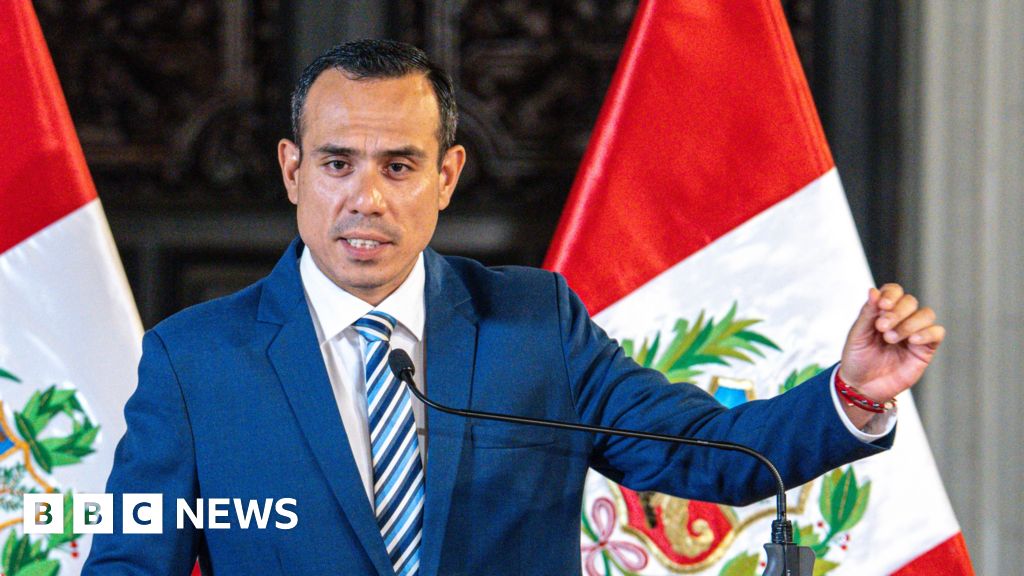
Peru's President Ousted After Just Four Months in Power
Peru’s President Ousted After Just Four Months in Power

In an unprecedented turn of events, Peru finds itself embroiled in a cycle of political upheaval that questions the stability of democratic institutions across Latin America. The recent ousting of José Jerí marks the third president to be removed from power in a span of just a few years, solidifying a disturbing trend that has seen the country’s leadership oscillate between legitimacy and crisis. Since 2016, seven presidents have been dismissed or resigned amid mounting protests, corruption allegations, and institutional crises. This alarming pattern reflects deeper issues within regional governance structures that threaten to destabilize entire nations, impacting millions who seek stability and economic progress.

That Jerí’s ousting is no isolated incident but part of a broader regional story is clear. As analysts note, the rapid succession of presidents—each facing mounting pressure from protests, judicial investigations, or political opposition—embodies a fragile democratic fabric. Experts warn that such persistent upheavals can erode public trust, weaken international relations, and foster conditions ripe for authoritarian backlashes. By studying these cycles, historians like Dr. Maria Lopez emphasize that Latin America remains vulnerable to the risks of political volatility, which often leads to increased social unrest and economic instability. Recognizing this, regional organizations such as the Organization of American States have called for adherence to democratic norms, yet the underlying systemic issues persist.

The geopolitical impact of such unrest extends beyond national borders, stirring regional and global concerns. Countries in the region may experience diminished foreign investment, increased migration, and strained diplomatic relations. The instability also provides fertile ground for external actors seeking to leverage chaos for strategic gains. For example, analysts point out that China and Russia are actively expanding influence in Latin America, capitalizing on moments of institutional weakness to bolster their presence. Meanwhile, the United States, traditionally a regional power, faces criticism for its inconsistent approach, often perceived as either supportive of authoritarian regimes or ineffectual in defending democratic norms.

Regional leaders and international bodies continue to grapple with the consequences of this ongoing crisis. Some advocate structural reforms, stronger rule-of-law measures, and greater civic engagement as a way forward. Yet, the persistent cycle of political upheaval suggests that more fundamental changes are required—not merely superficial fixes or shifts in leadership. As history unfolds, the question remains: will Latin America break free from this destructive cycle, or will it become a cautionary tale for nations worldwide? The stakes are high, as each new turn in the region’s tumultuous political landscape shapes the future of democracy and freedom in this vital part of the world, leaving a legacy that will echo for generations to come.
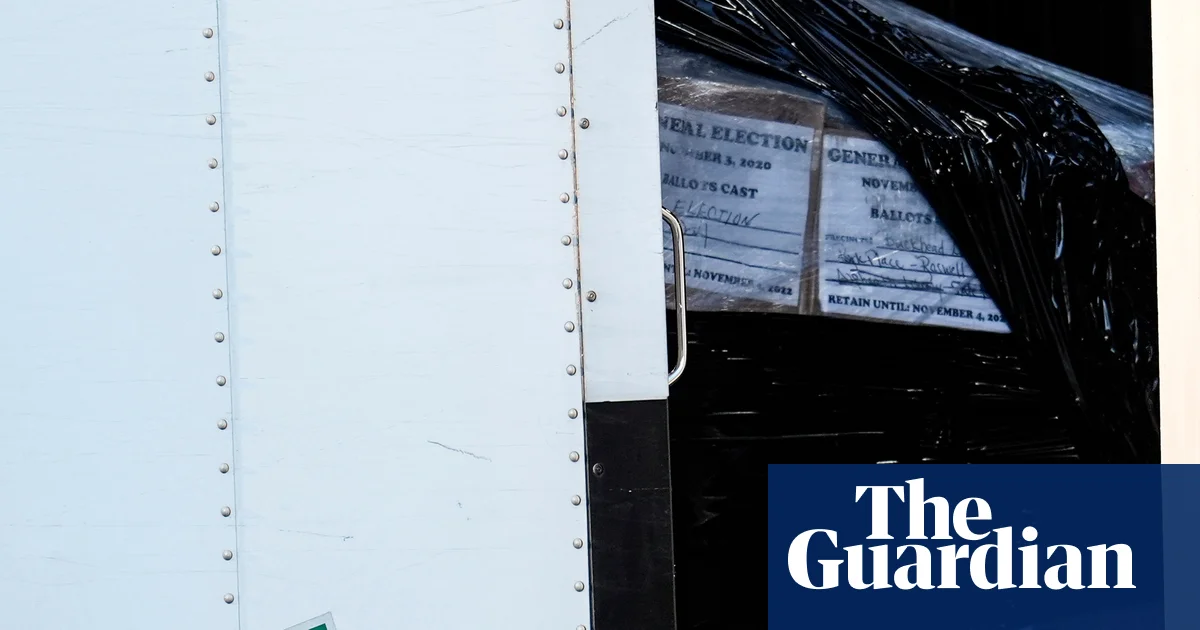
Atlanta FBI Boss Ousted After Raising Concerns Over DOJ’s 2020 Election Focus

In a decisive move that underscores the ongoing turmoil over the legitimacy of the 2020 presidential election, recent events in Fulton County, Georgia have thrust the American political landscape into renewed chaos. The FBI’s Atlanta field office experienced a controversial personnel shake-up, with the special agent in charge, Paul W Brown, reportedly removed from his post after voicing concerns about the unsubstantiated allegations of voter fraud perpetuated by Donald Trump. This unexpected personnel change coincided with a major raid by the Department of Justice, which seized approximately 700 boxes of election-related records from the Fulton County elections office—an action many see as an escalation in partisan confrontations over the legitimacy of the 2020 election results.

Critics and analysts argue that these developments are reflective of a broader trend of political overreach and destabilization that threatens the integrity of American democracy. The removal of Brown came shortly before the FBI executed a search warrant, which, according to insiders, was aimed at uncovering evidence related to the 2020 election—a period marked by widespread claims of fraud that have been repeatedly debunked by election integrity experts. However, the presence of figures like Tulsi Gabbard, the nation’s intelligence director, at the scene has further intensified partisan tensions, prompting concerns among Democratic lawmakers about potential partisan overreach. As Robb Pitts, the Fulton County Board of Commissioners chair, publicly defended the county’s election process, asserting that “the outcome of the 2020 election will not change,” the underlying message remains clear: the controversy persists as a political tool to undermine trust in electoral systems.

Distinguished from these events is the broader geopolitical significance of America’s tumultuous domestic politics. Many international observers, including prominent historians and analysts from institutions like the European Union and United Nations, have warned that such internal strife weakens America’s global leadership. The repeated claims of election rigging, despite being thoroughly discredited, continue to erode the moral authority of American institutions. These narratives are exploited by adversaries seeking to diminish the influence of the United States on the world stage, undercutting long-standing alliances and destabilizing international order. As the United States grapples with its internal divisions, the fissures threaten to embolden autocratic regimes that see chaos at home as a strategic advantage.

Meanwhile, the debate over how elections are conducted and validated in America reflects a deeper ideological struggle that could reshape the very fabric of society. The omission of accountability and transparency could lead to a dangerous erosion of faith in democratic processes altogether—a scenario warned against by historians who emphasize the importance of electoral trust for democracy’s survival. With the 2024 presidential race now on the horizon, the question remains whether the United States can reconcile these divisions or if a turning point in its history—marked by increased polarization and international skepticism— is imminent. As the world watches, the shadows of the past threaten to haunt the present, leaving an uncertain and turbulent legacy that will define the next chapter of global geopolitics—its outcome still very much unwritten.

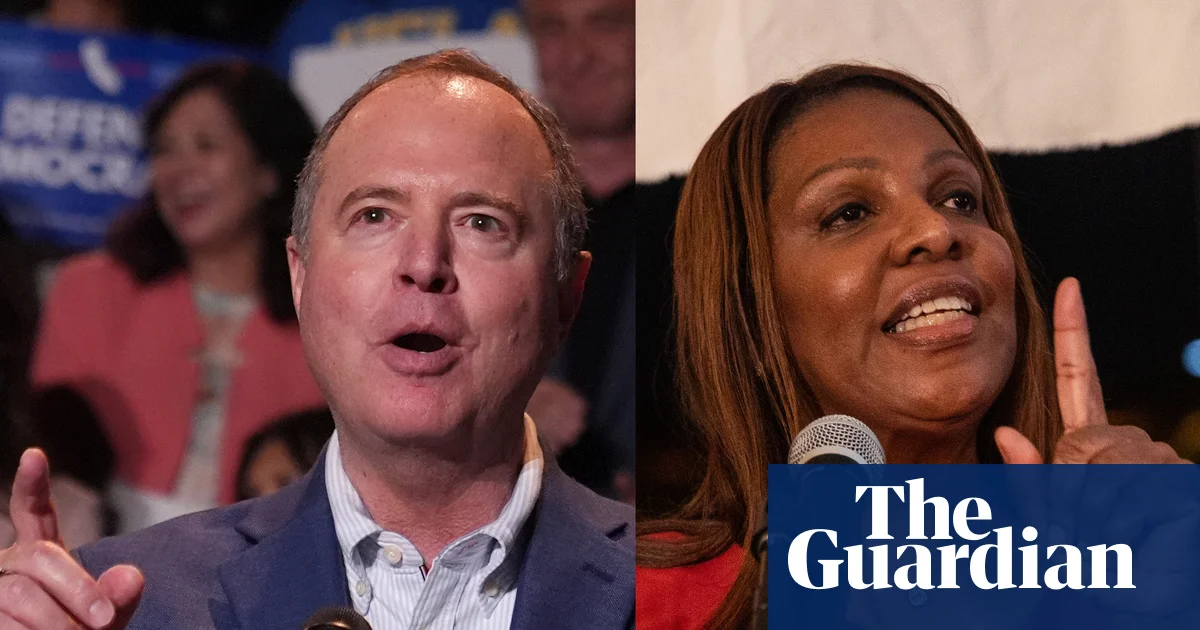
US Ethics Officials Ousted for Investigating Mortgage File Breach Under Trump Administration

In a development that underscores the deeply polarized state of America, recent reports have unveiled intense internal conflicts within the U.S. government’s financial oversight bodies. The alleged politically motivated investigations and personnel upheavals at Fannie Mae and the Federal Housing Finance Agency (FHFA) highlight how domestic struggles for influence are increasingly intertwining with international perceptions of U.S. stability and governance. As reports detail the removal of ethics officials and the politicization of mortgage fraud allegations involving prominent Democratic figures, critics argue this reflects a broader pattern of internal disarray that could have repercussions beyond national borders.

  • Ethics officials at Fannie Mae were sidelined after investigating claims that a top Trump ally improperly accessed sensitive mortgage documents involving Letitia James, the New York attorney general, and other senior Democratic officials.
  • Accusations by William Pulte, head of the FHFA, against figures like James, Senator Adam Schiff, and Federal Reserve Governor Lisa Cook have been branded as politically motivated, with experts questioning the legitimacy of such referrals.
  • The removal of key officials, including the acting inspector general, and the firing of senior staff, demonstrate an internal purge reminiscent of politically charged regimes, raising fears about the erosion of checks and balances within the American system.

International analysts and historians have voiced concern over how these internal power struggles may influence America’s global standing and its claim to uphold rule of law. The U.S., often perceived as a beacon of democracy and judicial integrity, now faces increasing scrutiny as internal conflicts turn towards systemic breakdown. The U.S. Department of Justice and Congressional bodies are under mounting pressure, with some observers warning that these internal disputes could weaken America’s credibility on the world stage. The increasingly evident politicization of investigative bodies fosters a narrative of internal chaos, weakening America’s diplomatic influence and opening a window for adversaries like China and Russia to question the country’s stability.

Prominent analysts, including those from the International Crisis Group, have noted that the internal disintegration of American institutions may embolden global authoritarian regimes who seek to capitalize on perceived American vulnerabilities. As history has warned, when a nation’s internal cohesion unravels, the international balance of power can shift rapidly. The political weaponization of federal agencies—a tactic increasingly visible in this saga—threatens to undermine Global faith in American leadership, particularly as the Biden administration grapples with the fallout of rising domestic unrest and institutional scandals. These events serve as a stark reminder that decisions within the halls of internal power are not isolated—they ripple outward, influencing societies worldwide.

As the dust settles on this latest chapter of American internal conflict, the weight of history remains heavy. The narrative continues to unfold, and the world watches as the United States faces an inflection point—whether it will emerge resilient or succumb to internal fracture. The ongoing fallout from these internal investigations and political purges could redefine the future contours of American democracy itself, shaping global geopolitics for generations to come. With every edifice of power shaken, the question remains: will this be the moment that the structure of the American republic is fundamentally redefined or a fleeting crisis in which renewal takes root?

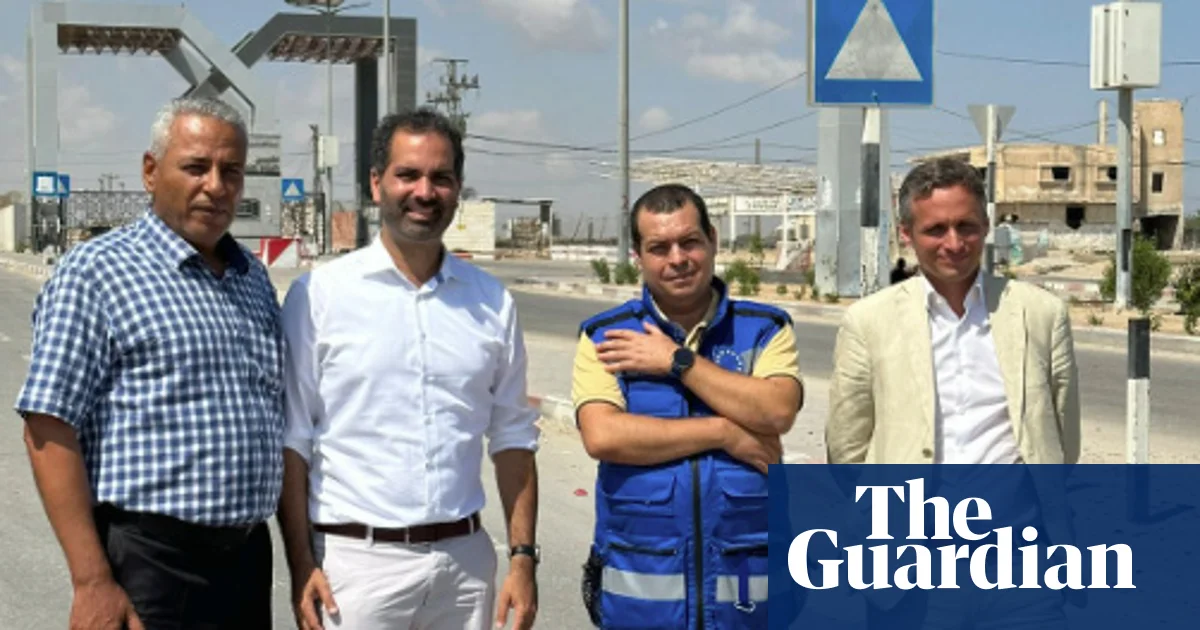
Palestinian man ousted from Gaza border aid role to challenge EU decision

The European Union, long heralded as a beacon of international cooperation and diplomacy, finds itself embroiled in a legal controversy that underscores the complex intersections of geopolitics, national laws, and human rights. Mohammed Baraka, a Palestinian man who served at the EU border assistance mission (EUBam) in Rafah since 2006, has filed a lawsuit in a Belgian court, alleging discrimination and breach of Belgian employment law. His case illuminates the often overlooked domestic repercussions of international policy and the repercussions of decisions made within the EU’s diplomatic machinery amid ongoing regional conflicts.

During the escalation of the conflict in Gaza, the EU had evacuated Baraka to Cairo, along with other colleagues in the West Bank, as part of a broader effort to safeguard its personnel. However, subsequent to the EU’s decision to close the Rafah office, Baraka was dismissed earlier this year, despite his longstanding service. His legal representative, Selma Benkhelifa, contends that Baraka’s firing was not based solely on security concerns but was victim to discriminatory practices, asserting that other colleagues—of different nationalities—were transferred rather than dismissed outright. The lawsuit hinges on claims that the EU’s practice of renewing fixed-term contracts for personnel in Lebanon and Gaza violates Belgian labor laws, which stipulate that after three consecutive contracts, employees must be made permanent. This contractual loophole, as argued, permits international institutions to circumvent workers’ rights and public policy protections, leading to what Baraka’s team characterizes as systematic exploitation.

This legal battle exposes a broader geopolitical impact that resonates well beyond the courtroom. Belgium, often considered a hub for European diplomacy and bureaucratic influence, faces scrutiny for enabling such practices that undermine national labor standards. Critics and analysts warn that EU institutional flexibility—crafted under the guise of operational efficiency—may be eroding the very legal safeguards that uphold workers’ protections across member states. International organizations like the International Labour Organization (ILO) have long emphasized the importance of safeguarding workers’ rights, particularly in conflict zones where international institutions are operating as quasi-sovereign entities. This case amplifies the debate about how international diplomacy sometimes conflicts with domestic legal frameworks, affecting not just individual lives but also the integrity of international law itself.

The fallout from Baraka’s case extends into the realm of international diplomacy and regional stability. As Israel and Palestine continue to be mired in conflict, the EU’s role as a mediator and aid supporter faces increased scrutiny. The decision to close the Rafah office—a move justified on security grounds—raises questions about transparency and accountability. The European Commission, declining to comment officially, leaves unresolved tensions that could influence future EU policy, especially in conflict zones where the line between diplomacy and moral responsibility becomes alarmingly blurred. Many international observers, including historians and consider researchers, warn that these internal disputes threaten to weaken the EU’s moral authority at a crucial juncture.

As history continues to unfold, the impact of this legal confrontation will be felt far beyond Belgium’s borders. The case of Mohammed Baraka serves as a stark reminder that the decisions made in Brussels and other diplomatic capitals are not just abstract policies—they shape the lives of those caught in the crossfire of geopolitics. As the world watches, the question remains: will the EU uphold its promises of justice and fairness, or will it let bureaucratic convenience override human rights? The answer could very well define the future of international cooperation, the rule of law, and the enduring struggle for dignity amidst chaos—leaving behind a legacy that history cannot afford to ignore.

Social Media Auto Publish Powered By : XYZScripts.com