Matox News

Truth Over Trends, always!

Amazon services bounce back as Snapchat and banks go offline during widespread outage

Global Power Shift and the Fragility of Digital Infrastructure

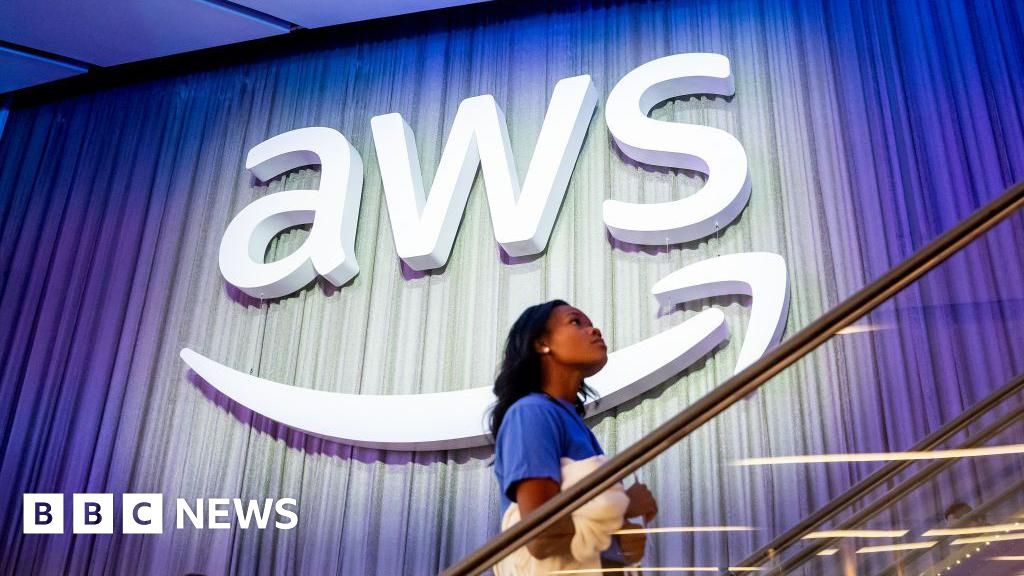
The recent massive outage of Amazon Web Services (AWS), one of the world’s most influential cloud computing giants, has sent shockwaves through the international digital landscape. Late Monday, AWS confirmed that it had resolved a disruption that temporarily incapacitated a significant portion of global web services, with user reports soaring to over 11 million. This incident underscores the profound geopolitical and economic impact of dependency on centralized digital infrastructure. As the backbone of many online platforms, AWS’s failure exposed vulnerabilities that extend far beyond inconvenience, threatening the stability of entire economies reliant on digital services. Analysts and historians warn that such incidents are a stark reminder of how interconnected and fragile the world’s digital ecosystem has become.

Vast swathes of the internet, including major platforms like Reddit and Lloyds Bank, experienced outages, demonstrating that the power of a single provider can have repercussions reaching across borders and sectors. Experts such as Professor Alan Woodward from the University of Surrey highlight that this episode lays bare the danger of over-reliance on a handful of American technology behemoths—primarily Amazon, Microsoft, and Google—which together control roughly 70% of cloud services. This monopolistic dominance, as Cloudflare’s CEO Matthew Prince notes, constitutes an unsustainable risk to our sovereignty, economy, and security. In an era where digital infrastructure underpins critical national functions, such vulnerabilities threaten to paralyze societies at their core, transforming routine outages into crises with ripple effects that can last for days or weeks.

The incident has sparked a renewed call among experts for a reassessment of global digital sovereignty. The incident’s root cause, linked to DNS resolution issues with DynamoDB in AWS’s US-EAST-1 region, remains partially understood yet unmistakably highlights structural flaws in the current system. The failure exemplifies what many analysts call the dangerous over-centralization of digital power, leading to debates among policymakers and historians about whether decentralizing cloud infrastructure could mitigate future risks. As Professor Mike Chapple from Notre Dame University points out, the cascading failures following the initial outage demonstrate the importance of building more resilient and diversified digital systems. The narrative emerging from this crisis echoes early discussions of the tragedy of the commons: the single point of failure that can bring the entire network crashing down, revealing how much we have surrendered our digital sovereignty to American corporate giants.

Beyond the immediate technical failures, the incident invites reflection on the moral responsibility of corporations and governments alike. Notably, some industry voices blame application developers for neglecting to implement adequate backup systems, emphasizing the need for stronger safeguards in cloud reliance. These failures may soon lead to legal battles as affected companies and institutions seek compensation for damages, reminiscent of past disputes like the $500 million claims by Delta Airlines after a previous outage. The broader lesson, however, is that the current model—highly dependent on US-based infrastructure—may jeopardize national security, economies, and personal privacy. As the world stands at this critical juncture, the debate intensifies: will we continue down this path of technological monoculture, or will we heed the warnings and consider a shift toward more resilient, localized systems?

As history continues to unfold, the shadows cast by this digital crisis loom large. How nations respond now could determine the future trajectory of global digital governance, shaping the balance of power in the international arena. One thing remains clear: in the digital age, the line between technological innovation and geopolitical vulnerability has become razor-thin. The fragility exposed by AWS’s failure is a stark reminder that the world’s fate is intricately tied to a handful of corporate and governmental decisions. As societies brace for the repercussions, the weight of history presses heavily—waiting to record whether this crisis will be a catalyst for meaningful change, or merely another chapter in the ongoing saga of human dependence on fragile digital monoliths.


Optus CEO Faces Tough Days After Singtel Meeting Amid Outage Crisis, Says Anika Wells

Australia’s Telco Crisis Illuminates Geopolitical Stakes in Critical Infrastructure

The recent series of outages plaguing Optus, one of Australia‘s largest telecommunications providers, has sparked immediate national concern and highlighted broader issues surrounding critical infrastructure resilience. The Australian government’s intervention — calling for an external review after two major triple-zero outages within a fortnight — underscores the fragile trust in essential services that underpin civilian safety and national security. Prime Minister Anthony Albanese publicly condemned Optus for “letting down its customers and the nation,” marking a significant moment where private enterprise’s failures impact the entire societal framework.

What elevates this domestic issue to a matter of geopolitical significance is the role of Singtel, Optus’s parent company based in Singapore. The communications minister, Anika Wells, engaged directly with Singtel’s leadership, signaling the importance of international corporate accountability—particularly in an era where digital infrastructure increasingly intertwines with national sovereignty. Analysts argue that such outages, and the subsequent inquiries, serve as a litmus test for whether Singapore’s corporate interests align with Australian security and resilience. Historically, foreign-based companies operating critical infrastructure in allied nations have often become channels through which broader geopolitical tensions are expressed or mitigated.

Deciphering Systemic Challenges & International Ramifications

The outages exposed at least one significant technical vulnerability: a firewall upgrade on September 18th unintentionally disabled emergency call capabilities across multiple regions, including South Australia and Western Australia. Despite assurances that individual human errors contributed, concern remains whether Optus and its parent will undertake comprehensive reforms needed to restore faith. The Australian Communications and Media Authority’s investigation aims to quantify whether such failures are systemic or isolated cases, with Wells warning of “significant consequences” if lapses persist.

In the broader geopolitical context, these events serve as a reminder that critical infrastructure is a battleground where sovereignty and national stability are continually tested. Countries worldwide are increasingly wary of reliance on foreign corporations or jurisdictions that may have competing strategic interests. As geopolitical analysts have pointed out, trust in foreign technology providers can become a vulnerability, especially when national security is at stake. The push for legislation to appoint a triple-zero custodian reflects an urgent desire for sovereignty over emergency services and critical communications—highlighting a critical turning point in Australia’s approach to managing and safeguarding its national infrastructure.

Unfolding Crisis & Lessons for the Global Community

Despite the government’s resistance to larger inquiries, the tone of Australian officials suggests that the outages could have far-reaching consequences. The Labor government’s calculated move to fast-track legislation indicates a clear recognition: trust once broken in essential services can have profound social and political repercussions, both domestically and internationally. The controversy surrounding Wells’s leadership and the ongoing investigation are emblematic of a wider debate about the firm’s ability to uphold national security protocols in an era where technological vulnerabilities can translate into geopolitical vulnerabilities.

As historians and security analysts warn, this episode could serve as a pivotal moment in how nations balance the pragmatism of foreign investment with the imperatives of sovereignty. The looming uncertainty surrounding Optus and Singtel’s future underscores that when the foundations of civil trust are shaken, the course of nations may be altered—for better or for worse—by the decisions made in boardrooms and government chambers alike.

Now, as Australian society grapples with the immediate fallout, the weight of history presses heavier—to remind us that the integrity of our infrastructure isn’t merely a matter of corporate accountability, but a defining frontier in the international contest for influence, security, and sovereignty. The escalating crisis offers a stark warning: in the relentless march of modern geopolitics, invisible lines are being redrawn, with support and resilience of national systems hanging precariously in the balance. The question remains—how many more such moments will it take before the world recognizes that in the shadows of seemingly trivial outages, the future of sovereignty itself is being written?

Social Media Auto Publish Powered By : XYZScripts.com


