
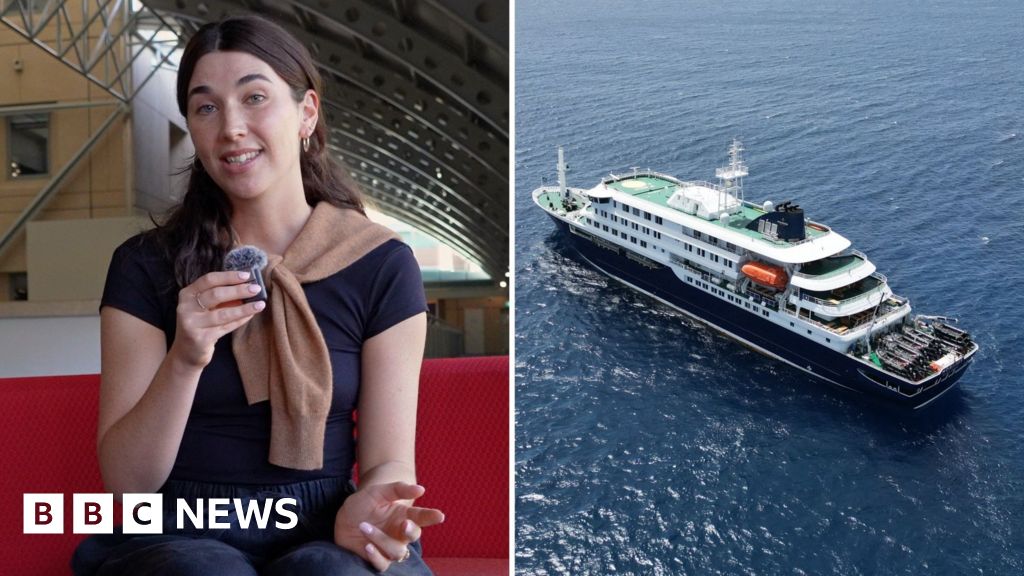

In recent years, international attention has increasingly focused on the vulnerabilities of cruise ships amid ongoing global health crises. Experts from various fields, including epidemiology, maritime security, and international health organizations such as the World Health Organization, have debated the risks posed by cruise travel, especially during pandemics. The recent analyses highlight concerns that cruise ships, due to their dense populations and confined environments, act as potential vectors for infectious diseases. These warnings come at a critical junction in global travel policy, emphasizing the need for robust safety measures and international cooperation to prevent future outbreaks that could threaten the stability of maritime and global health systems alike.
The BBC and other reputable news sources have summarized expert opinions that underscore the inherent dangers of infection transmission on cruise ships. According to epidemiologists, the close quarters, shared facilities, and transient passenger populations create an environment akin to a perfect storm for the spread of viruses. This has spurred calls for stricter international regulations. Importantly, countries with significant cruise industries, such as the United States and several European nations, face the delicate balancing act of safeguarding public health without damaging local economies heavily reliant on maritime tourism. The strategic importance of this issue extends beyond mere health concerns, touching upon national security, economic resilience, and societal trust in governmental institutions.
Furthermore, international institutions and security analysts warn of the broader geopolitical implications. As many cruise companies operate globally, outbreaks onboard have led to diplomatic tensions, notably between nations with differing health policies and travel restrictions. The debate over pre-boarding health certifications, quarantine measures, and vaccination policies highlights an evolving global power dynamic, where nations seek to assert sovereignty over borders and public health policies. Several international organizations have called for a unified framework to manage infection risks, recognizing that a fragmented response only exacerbates the vulnerability of global maritime corridors. Historians and political analysts note that these decisions—if handled poorly—could lead to a shift in international maritime law, redefining how nations collaborate in crisis situations.
As the world watches these developments unfold, it becomes increasingly clear that the stakes are high. The infection risks associated with cruise ships represent more than isolated health concerns—they embody the ongoing struggle for a new global order driven by health security and national sovereignty. The decisions made today, whether to tighten regulations or to open borders, will have long-lasting repercussions, shaping how societies coexist in an interconnected world. The fragile balance of power, trust, and cooperation hangs in the balance, reminding us all that history is still being written—and that the true test of international resilience remains ahead. The weight of this unfolding saga serves as a stark warning: in the interconnected web of modern geopolitics, the choices of today will echo through generations to come.






