Matox News

Truth Over Trends, always!

US Congress Cuts $125M Funding to Replace Lead Pipes, Spark Outrage Among Youth

US Congress’ Funding Cuts Reflect Broader Political and Geopolitical Shifts

The recent decision by the US Congress to cut $125 million from the funding designated for replacing toxic lead drinking water pipes underscores a significant shift in domestic priorities amidst escalating international tensions. This cut, part of the broader government funding legislation, targets states like Michigan, Illinois, Texas, and New York, regions grappling with hazardous lead contamination—an issue that has direct ramifications on public health and social stability. Despite bipartisan support in 2021 for the removal of lead pipes, Republican leadership on key committees redirected these resources toward wildfire prevention, a move criticized by Democrats and health advocates alike. Such political maneuvering reflects not only the internal polarization within the United States but also demonstrates how American policy is increasingly driven by short-term political gains at the expense of foundational public health concerns.

Implications for Global and Domestic Geopolitics

Analysts emphasize that decision-making at the US federal level has repercussions beyond its borders. The suspension or reduction of funding for infrastructure projects like lead pipe replacement weakens America’s credibility on the global stage, especially as it champions itself as a leader in promoting sustainable and health-oriented development. As international organizations such as the World Health Organization warn about the deadly effects of lead exposure—citing evidence that it lowers IQ, stunts development, and increases cardiovascular risks—the US government’s reluctance to prioritize such issues invites criticism from allies and adversaries alike. This domestic shuffle in policy emphasizes a broader geopolitical narrative—one where the US is seen as retreating from its moral commitments to public health and infrastructure that underpin national stability.

Impact on Societies and the Global Balance

  • The decrease in funding threatens to stall efforts to replace an estimated nine million lead service lines, risking long-term health crises in vulnerable communities. Children in cities like Chicago suffer disproportionate exposure, with less than 4% of their lead pipes replaced despite the staggering need for over $3 billion in investments.
  • This underfunding not only endangers individual lives but also signals a troubling shift in priorities—one that could undermine the social fabric of American society, especially among marginalized populations.
  • Internationally, the US’s diminished commitment to public health initiatives could influence other nations’ approaches to infrastructure and environmental protection, potentially emboldening authoritarian regimes that deprioritize such issues in favor of consolidating power or military expansion.

Throughout the years, historians and global analysts have warned that neglecting investments in basic infrastructure—like clean water—can lead to sociodemographic destabilization, fueling unrest and eroding the moral authority of nations claiming leadership. The EPA has estimated that failing to replace lead lines results in hundreds of premature deaths annually and countless cases of developmental harm to children, a toll that resonates beyond America’s borders as a cautionary tale. This culture of neglect, justified by short-sighted fiscal calculations, risks erasing decades of progress and leaves future generations to grapple with its fallout.

As the world watches, the US faces a pivotal moment—its decisions on domestic policy echo loudly in the corridors of international power. With history’s pen poised over this unfolding chapter, the question remains: will leadership choose to forge a resilient future or succumb to the temptations of political expediency? The weight of history is heavy, and the headlines yet to be written hold the destiny of millions—and the geopolitical landscape they inhabit—within their grasp.

Epstein Files Still Show Naked Images Despite Public Outrage

As the international community closely monitors developments within the United States, recent statements by Deputy Attorney General Todd Blanche underscore the complexities of domestic legal processes with far-reaching geopolitical implications. Confronted with a looming deadline imposed by Congress, Blanche announced that the highly sensitive files related to ongoing investigations would not be released as initially scheduled. The reason? An intensive effort aimed at safeguarding the identities of victims, highlighting the delicate balance between transparency and security in the digital age.

This internal procedural shift has stirred international concern, particularly among nations watching the U.S. through the lens of its legal transparency. Analysts from major think tanks note that such delays can ripple across global diplomatic relations, influencing perceptions of American accountability and rule of law. The decision to prioritize victim protection over immediacy in disclosure signals a potential shift in how the U.S. handles sensitive information, especially when considering its impact on joint international investigations or cooperation frameworks. Institutions like the United Nations and global human rights organizations have long assessed transparency as a cornerstone of legitimacy—yet, as this case demonstrates, safeguarding individual identities can complicate broader efforts for accountability.

Historically, the U.S. has wielded immense influence in shaping rules for international law and justice. In this context, such internal decisions are far from isolated; they represent a significant turn in how major powers navigate the tension between domestic security and international obligations. Many geopolitical analysts argue that, in an era marked by rise of authoritarian surveillance and cyber warfare, the decision to withhold or restrict information fuels debates about transparency and sovereignty. As historians warn, moments like these could become precursors for a broader retrenchment from open societies, emboldening regimes that prioritize secrecy over open governance.

What reality are the nations of this fractured world constructing with each passing moment? The decision by the U.S. Department of Justice exemplifies a larger narrative: that of a superpower grappling with its own internal contradictions while the global stage watches, often without the benefit of full knowledge. The repercussions extend beyond legal files—they influence diplomatic trust, national security paradigms, and the very fabric of international cooperation. As international observers contemplate these shifts, they find themselves asking whether the trend toward guarded transparency signals a safeguard or a slide into opacity. History warns that what is concealed today may very well become the catalyst for future crises—a reminder that the true weight of power often lies not in what is revealed, but in what is kept behind closed doors.

Greek Coast Guard clash kills 15 migrants, sparking outrage

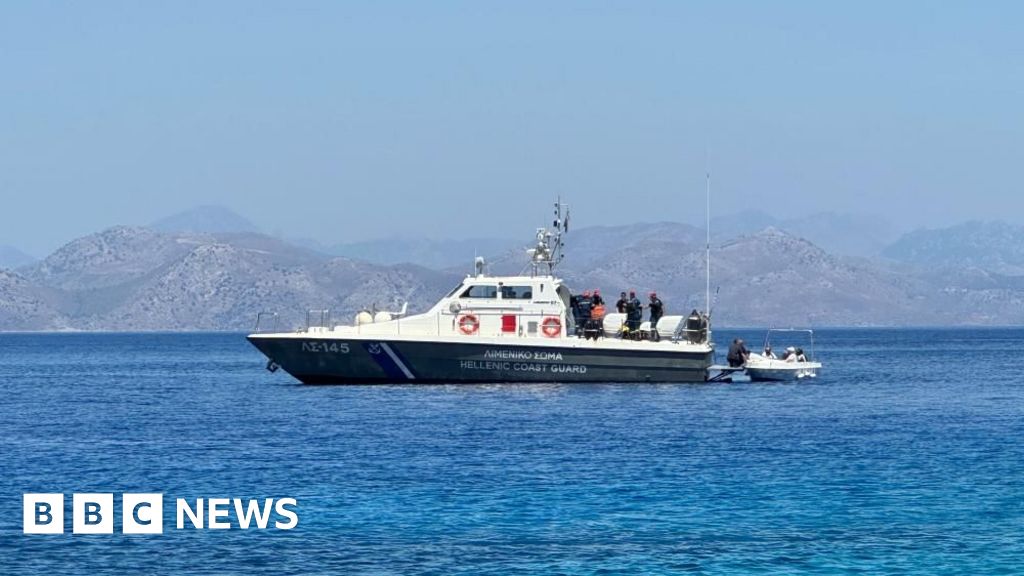
The recent collision near the island of Chios, reportedly during a Coastguard pursuit, underscores the escalating tension in the Mediterranean region—a zone increasingly torn between humanitarian concerns and national security interests. The incident, which involved a pursuit preceding the collision, points to a broader pattern of confrontations between local authorities and migrant vessels attempting to cross from Turkey into the European Union. As reports emerge that a chase was underway at the time of the incident, international observers emphasize that this event is more than a local tragedy; it is a signal of the mounting geopolitical volatility fueling the migration crisis.

The mediterranean migration crisis remains one of the most complex and volatile challenges confronting Europe. The EU’s border agencies have been engaged in relentless efforts to curb irregular crossings, often resulting in high-stakes pursuits in dangerous waters. Experts argue that such pursuits, while aimed at enforcing border sovereignty, also heighten risks for migrants and local coastguards alike. In this tense atmosphere, the collision near Chios exemplifies the dangerous cat-and-mouse game played out daily in this strategic but volatile theater. International organizations such as the United Nations and European Border and Coast Guard Agency have long warned that aggressive policing in this region could escalate into more tragedies if not managed with a nuanced approach that balances security and humanitarian responsibilities.

The geopolitical impact of such incidents extends well beyond immediate rescue operations. Turkey continues to be a pivotal actor in this crisis, with its facilitation or suppression of migration flows deeply influencing European security and diplomatic relations. Recent statements from analysts and historians indicate that these confrontations are symptomatic of a fragile regional equilibrium, with Russia and NATO geopolitical strategies subtly shaping the narrative. The incident at Chios thus becomes a microcosm of larger international fissures, as nations weigh their interests amidst the chaos of migration, security, and sovereignty.

Furthermore, the fallout from such events fuels ongoing debates within European nations over immigration policies and national security. The event also reaffirms the urgent need for a coordinated international approach, as emphasized by the International Crisis Group, which warns that failure to address root causes—conflict in originating regions, economic instability, and weak border management—could see this crisis intensify. As European leaders grapple with this mounting challenge, the incident near Chios serves as a stark reminder that each collision, pursuit, or tragedy shapes the course of history in the making. With the Mediterranean increasingly seen as a battleground of competing interests, the outcome of these events will resonate for generations, echoing in the corridors of power and in the stories of countless lives caught in Europe’s shifting tides—forever etched into the unfolding narrative of our troubled times.

Minister dismisses Mandelson's Epstein outrage as overblown—UK politics live
Minister dismisses Mandelson’s Epstein outrage as overblown—UK politics live

International Watch: UK Political Shake-up and the Rift over Peter Mandelson’s Controversy

The unfolding saga within Britain’s political landscape signals more than just internal strife; it echoes across the corridors of global power. Recent revelations concerning Peter Mandelson, a veteran political figure, have ignited widespread debate about accountability, morality, and national security. As he faces fallout from allegations linked to Jeffrey Epstein, the ripple effects threaten to reshape diplomatic and parliamentary standards worldwide. The controversy underscores how decisions made within Britain’s political elite are now dissected through a global lens, emphasizing the geopolitical impact of leadership scandals in an interconnected era.

Leading political voices, such as Ed Davey of the Liberal Democrats, are demanding a public inquiry into Mandelson’s associations, particularly citing concerns over national security and the rule of law. They argue that the leak of sensitive government information, allegedly by a minister acting as a mole, could have posed a grave threat to Britain’s institutional integrity. International analysts and organizations, including security experts, emphasize THAT lack of transparency in such cases fuels public distrust and weakens diplomatic credibility. In an age where soft power and diplomatic resilience are paramount, the fallout from internal scandals can weaken Britain’s stature on the world stage, especially if elites dodge accountability or dismiss serious allegations as ‘disproportionate’.

In the midst of the controversy, Mandelson’s own comments accentuate a troubling narrative. His assertion that “hiding under a rock would be a disproportionate response” to emails—some of which have linked him to misconduct—appears to dismiss the gravity of the allegations. Historians and political commentators warn that such dismissals only deepen international skepticism of Britain’s political class. As Katy Balls, a respected political journalist, highlights, Mandelson’s lack of contrition and his claims of naivety may serve to further erode public trust in a time when integrity is desperately needed. The UK’s decisions to address this crisis will inevitably influence how other nations hold their elites accountable, potentially setting a precedent for transparency or deterioration into diplomatic shadows.

Meanwhile, within Western democracies, the debate about the role of elites, morality, and security has intensified. The discourse underscores a broader, turning point: nations worldwide are revisiting their ethics and vetting processes for political and diplomatic appointments. With the US and European countries watching, the UK’s handling of Mandelson could be interpreted as either a reaffirmation of accountability or a capitulation to political expediency. Decisions made now will influence the future of governance standards across liberal democracies, impacting societies’ trust in their institutions and their leadership’s capacity to confront uncomfortable truths.

In the saga’s shadow, the words of security analysts and historians remind us that this is more than a scandal; it is a vonerable moment that could define Britain’s role on the world stage for generations. As the government prepares for a busy day of parliamentary debates and policy discussions, the weight of history settles heavily. The question remains: will Britain emerge from this crisis with renewed integrity and transparency, or will it perpetuate the shadows that threaten to undermine both its democracy and its international reputation? The answers lie in the choices made today—choices that will forever mark the course of history as the world continues to watch and judge.

Six Hurt in Louisiana Mardi Gras Parade Shooting—Youth Crime Sparks Outrage

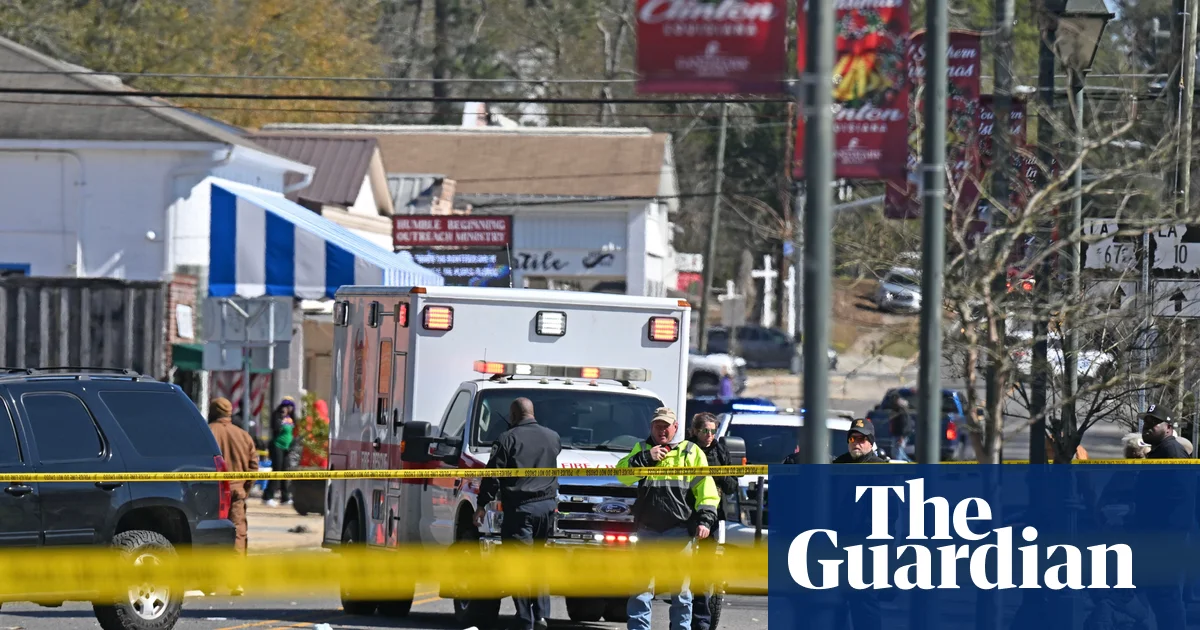
In a stark illustration of ongoing domestic unrest, a tragic mass shooting erupted during a local Mardi Gras celebration in Clinton, Louisiana, leaving six individuals wounded, including a child. This incident, occurring near the town’s courthouse in the heart of a tight-knit community, underscores the persistent challenges facing the United States regarding gun violence and its societal impacts. According to local officials, authorities swiftly responded, arresting one suspect and initiating a search for the vehicle believed to be used in the attack, highlighting the emergency response protocols in place amidst rising violence.

The incident is part of a disturbing trend that has alarmed both domestic and international observers. As of this year, there have been at least 24 mass shootings in the US, according to data from the Gun Violence Archive. This organization defines a mass shooting as any event in which four or more victims are wounded or killed, a threshold that underscores the scale of the crisis. Such violence not only devastates local communities but also fuels debates about the efficacy of current gun control laws, with critics arguing that congressional inaction perpetuates a cycle of insecurity. Historians and analysts warn that if the trend continues, the social fabric of American society risks further unraveling, with implications for national stability and global perception.

The failure of Congress to adopt more comprehensive gun legislation reflects broader geopolitical and societal issues. Many international partners and organizations, including the United Nations, have called for stricter gun regulations worldwide, portraying firearms as a pressing global concern. Yet, the US remains uniquely plagued by deep partisan divides and cultural entrenchment around the Second Amendment. As legislation stalls and mass shootings multiply, how decisions made at the federal level will alter the future security landscape remains uncertain. The international community watches as the US grapples with this internal crisis, highlighting a dissonance between American internal policy and the global push for peace and stability.

Across the Atlantic, European nations and Asian powers observe America’s struggles with a mixture of concern and skepticism, often contrasting their own more restrictive gun laws with the US’s persistent inaction. Some analysts warn that the inability of the world’s most powerful nation to effectively curb its gun violence could undermine its moral authority on human rights and security issues. As global institutions like the World Health Organization emphasize the importance of preventative measures, American policymakers face the profound question: will they choose to prioritize societal safety over entrenched interests? Meanwhile, the bloodshed in Clinton stands as a sober reminder of unresolved divisions and the urgent need for decisive action.

With history unfolding daily in the streets of small towns and big cities across the nation, the narrative remains clear and tragic: a society on the brink, teetering between constitutional rights and the need for security. The echoes of this latest tragedy continue to resonate, a stark reminder that the true cost of internal division extends beyond borders, shaping the fate of nations near and far. As history’s pages turn, the world is left to ponder whether the tide can be turned or if the dark chapter of American gun violence will write itself into the annals of unresolved conflicts—an enduring testament to a nation still striving, still fighting to define its future amid the shadows of its own making.

US plans to deploy ICE agents at Winter Olympics, sparking Italian outrage

The United States has once again found itself at the center of an international controversy over its security policies, this time involving the presence of Immigration and Customs Enforcement (ICE) agents during the upcoming Winter Olympics in Milan, Italy. As the world prepares for the global event scheduled to run from February 6 to 22, a series of reports and diplomatic tensions have emerged, highlighting the far-reaching geopolitical impact of U.S. domestic security agencies extending their influence beyond American borders.

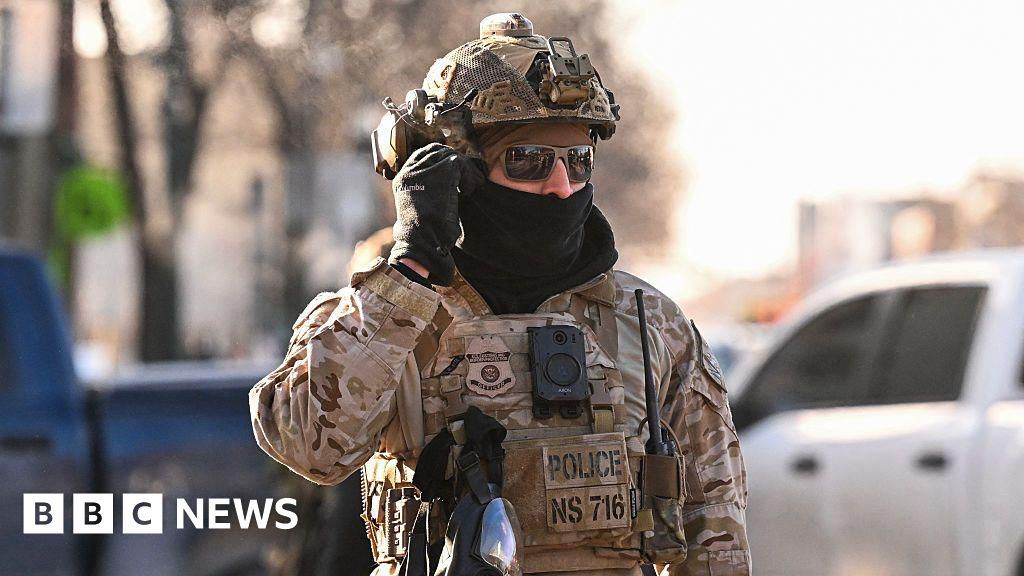
It was initially understood that the U.S. Department of Homeland Security (DHS) would provide support for security operations, a common practice at major international events. However, confirmation that ICE agents would be involved in support roles—distinct from direct law enforcement—prompted alarm among Italian officials and society. Milan’s Mayor Beppe Sala publicly condemned the move, likening the agents to a militia capable of deadly force and asserting they were “not welcome in Milan.” As images from Minneapolis surfaced, showing ICE agents involved in fatal shootings, the international community’s concern deepened. The controversy underscores a thorny question of sovereignty and how an internal U.S. agency’s actions can influence perceptions of Italy’s ability to guarantee its own security, especially when foreign agencies might operate on its streets.

The Italian government, eager to reassure allies and its citizens, insisted that “all security operations at the Olympics are directed and managed exclusively by Italian authorities.” Nonetheless, it became apparent that the US planned to set up an operations room at its Milan consulate, with various federal agencies ready to work jointly with Italian agencies to mitigate risks. Although official statements emphasized that ICE would only play a supportive, counter-terrorism role, the unsettling images and reports have ignited a wave of domestic dissent. Critics within Italy, including the opposition, have questioned the propriety of foreign agents operating within Italian territory, especially given the recent violent incidents involving ICE officers—most notably the fatal shooting of Pioneer Nicole Good in Minneapolis.

Analysts and international observers such as historians and think tanks warn that these incidents exemplify a broader erosion of sovereignty and a dangerous precedent for national security cooperation. The European Union and other global institutions are increasingly concerned about the United States’ expanding domestic security presence abroad, which some argue risks turning international events into potential battlegrounds for American agencies wielding lethal force. As Italy navigates the delicate balance of safeguarding its international reputation while hosting a major sporting event, the controversy leaves a lasting warning to the world about the consequences of unchecked transnational security policies. As the Winter Olympics commence, the weight of history remains heavy, reminding us all that the lines between national sovereignty and international cooperation are often blurred, and that decisions made today will ripple through the corridors of power for generations to come.

Teen Girl Dies in Minibus Crash Sparks Outrage in North Yorkshire

The recent fatal accident in North Yorkshire that claimed the life of a teenage girl has sent ripples through local communities and raised urgent questions about road safety, societal responsibility, and the impact of personal tragedies on national discourse. The collision involving a minibus carrying teenagers near Tadcaster underscores ongoing concerns over transportation safety, especially in regions where young lives are vulnerable. As details emerge, authorities have detained the driver of the Hyundai i10, a 40-year-old woman, marking yet another tragic chapter where individual decisions intersect with broader social issues.

Beyond the immediate tragedy, international analysts and public safety experts interpret this incident as a microcosm of larger systemic failures. Some argue that insufficient infrastructure investment or lax enforcement of traffic laws may contribute to such outcomes, highlighting a global pattern where youthful populations face heightened risks due to inadequate safeguards. The international community’s emphasis on developing safer transport networks, especially in regions with rising young populations in urban and rural areas, reflects a growing awareness that road safety is a critical component of national security and societal stability. Official statements from police serve as a stark reminder: every decision on the road has profound consequences, especially when lives are at stake.

  • School authorities have announced the immediate closure of Tadcaster Grammar School, citing safety concerns, a move that reflects broader societal anxieties about youth safety in a turbulent era.
  • The police appeal for witnesses and dashcam footage demonstrates the reliance on technology and community cooperation to piece together what happened, illustrating the modern challenges of law enforcement in the information age.
  • The incident comes amidst ongoing debates over public investment in transportation infrastructure and youth engagement programs aimed at preventing such tragedies, with some critics arguing that neglect in these areas directly exacerbates vulnerable situations.

At a geopolitical level, tragedies like these resonate with a disturbing awareness of how societal stability is intertwined with safe environments for young generations. Historians and global security analysts warn that repeatedly neglecting these issues can foster instability, as disillusionment and loss of faith in institutions may undermine societal cohesion. As nations navigate the challenges of economic development, social justice, and technological change, such setbacks serve as stark reminders that long-term prosperity requires a commitment to safeguarding the most vulnerable among us.

As the investigation continues and the community mourns, the shadows of this event stretch far beyond the borders of North Yorkshire. It underscores that humanity’s progress can be fragile, teetering on the decisions made in moments of crisis—decisions that carry the weight of history yet to be written. The question remains: will these tragedies serve as catalysts for meaningful change, or will they be forgotten until the next devastating event? The future remains uncertain, but one thing is clear: the fabric of society is only as strong as its commitment to protecting its children, and in the unfolding story of our age, each chapter reveals the enduring consequences of neglect and oversight.

Korean Student Dies After Cambodia Scam Horror, Sparks Outrage

The recent tragic death of South Korean university student Park Min-ho in Cambodia has unveiled a troubling escalation in regional human trafficking and scam-related violence. The incident, which involved severe torture and ultimately his killing, has reignited international concern about the rise of organized crime syndicates exploiting Southeast Asia’s porous borders. South Korea’s government has responded with urgent diplomatic measures, emphasizing their duty to safeguard citizens abroad, while international analysts observe this incident as a stark warning of the deteriorating security landscape in the region.

According to reports, the circumstances of Park Min-ho’s death expose a brutal underworld of online fraud operations, often masked behind the veneer of promising employment opportunities. Victims are typically lured by criminal networks with false promises of high-paying jobs, only to find themselves confined in compounds involved in voice phishing scams, forced labor, and physical abuse. The findings of the Cambodian authorities, which cite “severe torture” as the cause of death, highlight the extreme brutality faced by victims. Three Chinese nationals have been charged with murder and fraud, yet many suspects remain at large, underscoring the transnational challenge of dismantling these crime rings. The United Nations and Interpol have warned that such syndicates are increasingly sophisticated, leveraging technological vulnerabilities and local complicity to expand operations.

The geopolitical impact of this crisis extends beyond individual cases, straining diplomatic relationships between Korea and Cambodia. Seoul has initiated efforts to establish direct police cooperation with Phnom Penh by proposing a specialized “Korean desk” to ensure timely and effective intervention in cases involving its nationals. With tensions rising, officials from both nations are scheduled to meet, aiming to reinforce bilateral commitments to combat crime and protect South Korean citizens. Nonetheless, the Cambodian government’s denial of prior knowledge regarding Park Min-ho’s case—and the emphasis on cooperation—reflects the broader challenge of sovereignty and accountability in addressing transnational crimes. The situation exemplifies a shift where economic investments and political ties are increasingly overshadowed by urgent human security concerns.

Historically, South Korea has surged past its initial post-war recovery to emerge as a regional economic powerhouse, yet its citizens’ safety abroad has become a focal point for national consciousness and international diplomacy. Analysts argue that the rise of scam hubs in Southeast Asia signals a profound failure of governance in host countries like Cambodia, where corruption and inaction foster an environment conducive to criminal enterprises. Meanwhile, organizations such as Amnesty International have lambasted the Cambodian government for permitting such operations to flourish, with some compounds allegedly shielded from law enforcement. The international community faces mounting pressure to intervene decisively, balancing respect for sovereignty with the necessity of human rights protections and anti-trafficking measures. The path forward requires coordinated efforts—not only law enforcement but also socio-economic reforms—to dismantle these networks at their roots.

As history continues to be written in the shadows of this unfolding catastrophe, the weight of the present confrontation is undeniable. The story of Park Min-ho is but one tragic chapter in a larger narrative of a region grappling with the rise of criminal syndicates, geopolitical tension, and the urgent need for justice. The question remains: how will nations respond to these growing threats, and at what cost? With each passing day, the silent stories of victims echo through corridors of power, reminding the world that beneath the surface of geopolitical disputes lies the fundamental battle for human dignity and security—an ongoing struggle with consequences that will shape history’s verdict for generations to come.

MoD drops millions on private schools to sideline Welsh language, sparking outrage among youth and society

Society at a Crossroads: The Impact of Language and Military Support on Welsh Communities

In contemporary Wales, social tensions surrounding language preservation and support for military families reveal deeper challenges faced by communities striving to balance cultural identity with societal needs. At the core of this debate is the funding allocated by the Ministry of Defence (MoD) to support service personnel and their children. According to recent figures obtained through the Freedom of Information Act, nearly £1 million is spent annually to send children to private schools in north Wales, primarily because* state schools teach lessons partly or entirely in Welsh. This expenditure highlights how cultural shifts and linguistic priorities influence social and educational decisions, often creating friction between community values and government policy.

Critics argue that this funding, which covers tuition, trips, and transport, merely perpetuates division within diverse communities. Plaid Cymru has labeled it a “complete waste of money” and an “insult to our language,” emphasizing that Welsh should be promoted within public education rather than supplemented through private funding. Conversely, proponents, including the Conservative Party, contend that parents have the right to choose their preferred language of instruction, especially for children of military families who often face frequent relocations. *Such arguments expose the deep social tensions rooted in demographic shifts and differing visions for Welsh identity, where the rights and options for families are often caught between external political influences and local cultural priorities.

The interplay of language and education becomes even more complex when considering the **service personnel who serve across different regions**. The MoD’s Day School Allowance specifically supports families in areas where bilingual or non-English education dominates, offering up to £22,755 annually for tuition in private schools. This policy is rooted in a desire to minimize educational disruption for children who move frequently due to military duties. Yet, it raises questions about the broader societal implications of funding special privileges based on linguistic and regional considerations. Critics argue this approach may inadvertently deepen regional divides, while supporters see it as a humane response to the realities faced by military families.

In contemporary social discourse, leaders like Natasha Asghar and Cefin Campbell MS highlight the importance of respecting the two official languages of Wales. Asghar emphasizes that “parents should always have the option” to choose the language of instruction, advocating for a solution that respects individual rights in a multilingual society. Meanwhile, Campbell decries spending on “preventing young people” from learning Welsh, framing it as an act of cultural insensitivity and a missed opportunity for societal enrichment. These debates illustrate how social issues surrounding language education are fundamentally about the preservation of cultural identity versus the need for inclusive, accessible public services.

Ultimately, the societal challenges in Wales reflect a broader narrative of balancing tradition with modernity, unity with diversity. As the nation navigates these complex issues, one must wonder: will society succeed in fostering a community where cultural pride and individual choice coexist harmoniously, or will these tensions deepen into irreparable divides? Society’s resilience lies not just in policy and funding but in a collective commitment to fostering understanding among its diverse voices—an enduring hope that, despite the noise of controversy, society might yet forge a future where all families find belonging and opportunity amidst the cracks of our social fabric.

Youth Data Breach Sparks Outrage as Nursery Hackers Threaten to Release More Kids’ Profiles

In recent months, the digital age’s dark underbelly has revealed itself through distressing breaches that threaten the very core of family and community life. A shocking example involves the Kido nursery chain, where criminal hackers have taken personal data of young children and their families hostage. The criminals—calling themselves Radiant—hacked into a widely-used software platform called Famly, which is employed by over a million nursery and childcare organizations across the globe. They then posted profiles of 10 children—including pictures, birth details, and contact information—on the dark web, exposing vulnerable families to grave risks. This attack underscores how social issues rooted in cybercrime are impacting families, education, and local communities, showing a sinister new low of digital exploitation.

While the hackers’ motives are driven solely by greed, their actions have profound moral and societal consequences. Young children, who are the most innocent members of society, are now targets in a criminal ecosystem that disregards their safety. These breaches put families at risk of identity theft, online harassment, and other forms of cyber-violence, threatening the very sense of security that should underpin the nurturing environment of early childhood education. Sociologists like Dr. Susan Fiske highlight how such invasions erode trust in institutions meant to safeguard children—trust that is fundamental for healthy community development. In a society where the safety of our youth is compromised in the digital realm, the fabric of community cohesion weakens, and parents grow increasingly anxious about the environment their children are part of.

Adding to the moral outrage is the disturbing reality of criminal extortion tactics. Hackers have called individual parents threatening to release their children’s personales unless a ransom is paid, a tactic that only worsens the social toll. These acts of intimidation are not only illegal but also morally reprehensible, shining a harsh spotlight on how cybercriminals exploit the vulnerabilities of a digital society that often fails to fully protect its youngest members. Authorities, including the Met Police, have launched investigations but warn against paying ransoms, as this only fuels the cycle of lawlessness. Yet, the psychological and emotional impact on families—especially parents who feel helpless and betrayed—can have lasting effects that ripple across communities, hindering the social cohesion necessary for healthy societal growth.

The incident at Kido is a stark reminder that cybercrimes targeting community institutions demonstrate how technological vulnerabilities directly threaten our societal values. As social commentators warn, a society that cannot safeguard its most vulnerable from digital predators risks fragmenting its moral fabric. The challenge remains to develop resilient technological safeguards, bolster community awareness, and foster a moral stance that condemns such unethical exploitation. Ultimately, society’s resilience will depend on how well families, institutions, and governments work together to uphold safety and integrity in the digital age. The path forward involves not just technological fixes, but also a moral renewal—reaffirming that the safety of our children is a collective moral imperative, not a mere legal obligation.

As society faces these complex challenges, it becomes clear that the fight against cybercrimes is also a fight to preserve the moral backbone of our communities. The hope for tomorrow lies in the unwavering commitment to protect the innocence of childhood and to restore confidence in the institutions that nurture and educate future generations. Society’s strength will be measured not only by the technology it employs but also by the moral resolve to face its vulnerabilities with courage and integrity. In this struggle, society must remember that the true victory is not just in defeating the hackers but in reaffirming the moral dignity of a society that refuses to let its most vulnerable become collateral damage in a ruthless digital war. It is in this collective effort that hope resides—the hope that, someday, society will rise resilient, safeguarding its future in the digital dawn, ensuring that the innocence of childhood remains shielded from the shadows of a society still learning to conquer its own shadows.

Social Media Auto Publish Powered By : XYZScripts.com