
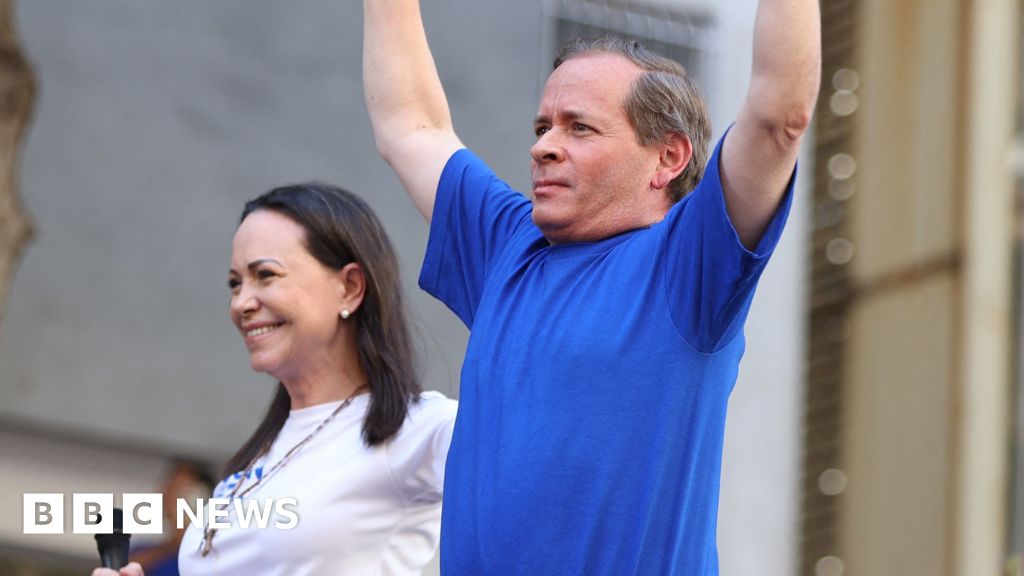

Historic Release of Political Prisoners Marks a Turning Point in Justice First Party’s Struggle
In a decisive move that could reshape the political landscape of Venezuela, the interim government announced the release of 18 political prisoners on Sunday. Among those set free is the leader of the Justice First party, a prominent figure whose detention had symbolized years of political repression. This unprecedented decision signals a potential shift towards dialogue and reforms, yet it also prompts a careful examination of the geopolitical repercussions that could ripple across the region.
The release was characterized by government officials as a step towards greater political openness and reconciliation. Analysts from the International Crisis Group suggest that this gesture, while significant, is also a strategic move designed to garner international legitimacy ahead of key negotiations. Historically, such moves have been used by interim governments to placate foreign powers and prepare the ground for broader political reforms. The United States and several Western allies, which have long called for the release of political prisoners, welcomed the development but emphasized the necessity for further steps toward democratic normalization. In contrast, critics within Venezuela argue that this release is merely superficial, serving as a standard procedure to ease mounting international pressure rather than indicating genuine reforms.
This development arrives at a critical juncture for Venezuela, which has been embroiled in political turmoil and economic crisis for over a decade. The decision to free these prisoners underscores an evolving calculus among the country’s leaders, who now appear to be weighing the benefits of engagement against the persistent risk of instability. As commented by scholars like Dr. Lucia Fernandez, “The release signifies more than just the freedom of individuals; it’s a barometer of shifting power dynamics that could either herald democratization or serve as a temporary appeasement.” The true geopolitical impact will depend on how domestic forces and international actors interpret and leverage this move moving forward.
The regional implications are profound, especially given Venezuela’s position as a key player in Latin America. The country’s political trajectory has always influenced the broader geopolitical balance, with neighboring states closely monitoring internal developments. The release of prisoners might signal an easing of authoritarian grip, encouraging similar moves in countries like Bolivia and Ecuador, where democratic struggles continue. Conversely, opponents warn that without substantive reforms, these releases could become fleeting window dressing, delaying the inevitable confrontation between authoritarian tendencies and democratic aspirations. The decision also raises pressing questions about the role of international diplomacy, with global bodies such as the Organization of American States (OAS) and the United Nations watching intently, ready to call for further action or verify commitments to democratic practices.
At this volatile crossroads, history remains to be written. The actions of Venezuela‘s interim government could either propel the nation towards genuine political renewal or deepen internal divisions, with consequences echoing beyond its borders. As analysts and international observers grapple with this complex transition, the fate of these political prisoners symbolizes more than loss and liberation; it embodies the very soul of a nation standing at the edge of transformation. Will this act be remembered as the dawn of renewal, or merely a fleeting pause in an ongoing struggle for freedom? Time, and history itself, will ultimately hold the answer.





