Matox News

Truth Over Trends, always!

US-Russia Nuclear Pact Ending: Young Americans Worry Over Resurgence of Arms Race

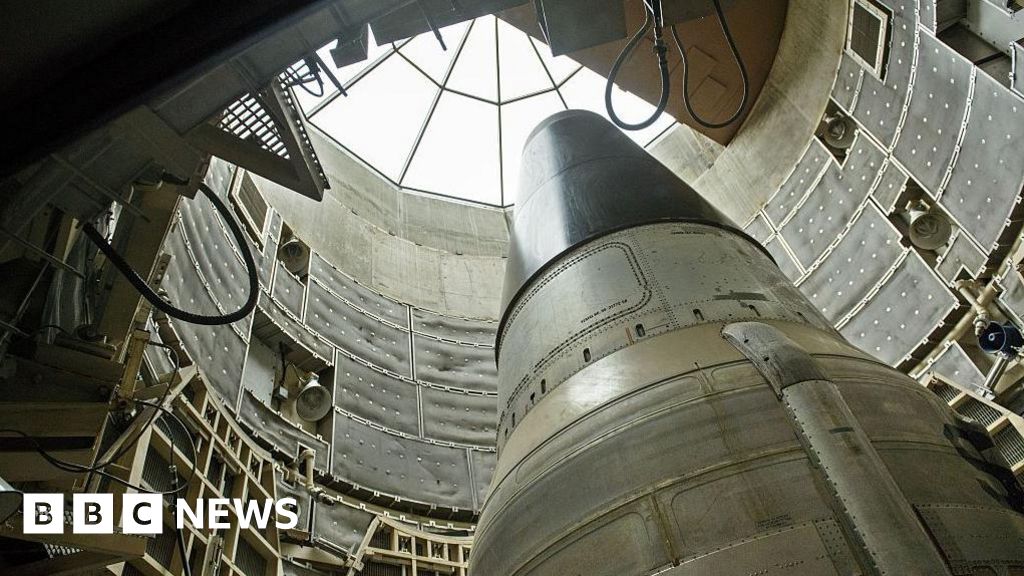
The geopolitical landscape has taken a significant turn as Russia announced a departure from the New START Treaty, a cornerstone of nuclear arms control between Moscow and Washington. In a statement issued by the Russian foreign ministry, officials confirmed that, “in the current circumstances, we assume that the parties to the New START are no longer bound by any obligations or symmetrical declarations in the context of the Treaty, including its core provisions, and are in principle free to choose their next steps.” This declaration effectively signals the end of a crucial era of dialogue and restraint, raising the stakes for international stability and global security.

The New START Treaty, signed in 2010, was a critical component of post-Cold War efforts to curb the nuclear arms race, aiming to prevent an escalatory spiral of nuclear build-up. Its demise, or at least significant weakening, marks a profound turning point in global diplomacy. As the United States and Russia now navigate uncertain waters, many analysts warn of potential arms races and increased tensions that could destabilize entire regions. Experts from the Stockholm International Peace Research Institute (SIPRI) and former diplomats alike highlight how this shift threatens longstanding strategic deterrence mechanisms designed to maintain equilibrium in an increasingly volatile international system.

This development is not an isolated incident; it is part of a broader pattern of renewed geopolitical rivalries, where major powers recalibrate their arms control commitments amid shifting alliances and domestic political pressures. Russia’s decision can be seen as a response to perceived threats and perceived erosion of mutual trust, but it also underscores a wider view among Moscow and other national actors that nuclear diplomacy is becoming increasingly fragile. With the retraction of treaties like START, nations face the grim reality that multilateral agreements once seen as pillars of stability are waning. As President Biden and other Western leaders deliberate responses, the international community faces the devastating prospect of a more uncertain future — where escalation risks are amplified and peace becomes more precarious.

In the broader context, this decision underscores how increasingly complex and unpredictable current geopolitics have become, especially for youth and future generations who will inherit this unsettled order. Historically, periods of arms race resurgence have often led to devastating conflicts, and many experts warn that neglecting these treaties could reopen narratives of nuclear confrontation. Nations must now grapple with whether diplomacy can *revive* past commitments or whether the world on the brink might veer closer to conflict. The weight of history remains heavy, as the unfolding response to Russia’s announcement may define global security for decades to come — a stark reminder that in geopolitics, no decision is truly isolated, and the ripples of today’s actions will shape tomorrow’s reality.

US-South Korea Nuclear Sub Pact: A Bold Step for Young Patriots

South Korea’s Nuclear Submarine Ambitions Reignite Tensions in East Asia

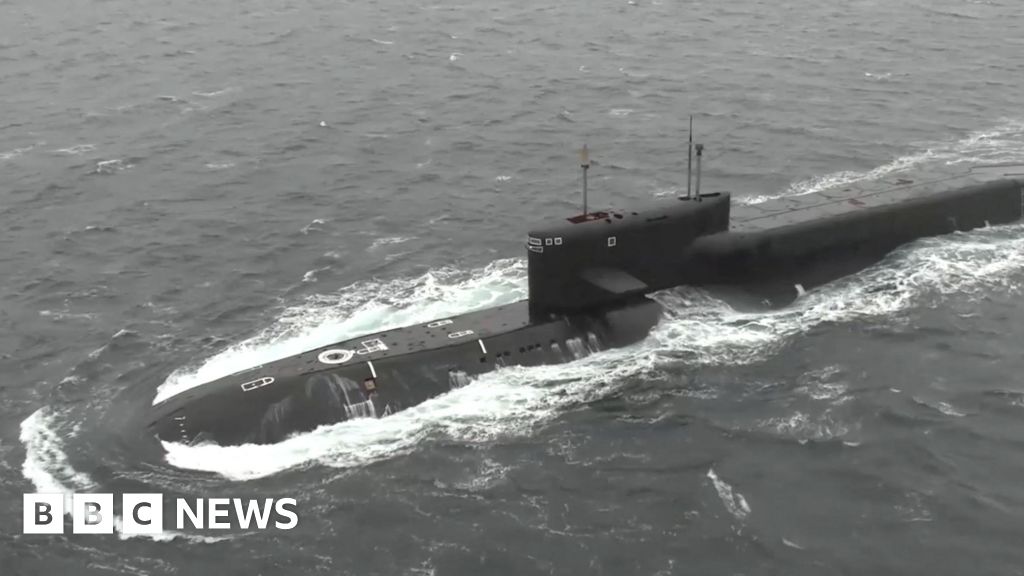
The recent agreement between South Korea and the United States to develop nuclear-powered submarines marks a pivotal moment in regional geopolitics. Coming amid a rising tide of regional tensions—particularly with North Korea and China—this move signals Seoul’s desire to elevate its defense capabilities and reclaim strategic autonomy in the face of aggressive neighbors. While the US has justified this initiative as a means to counter North Korea’s burgeoning nuclear submarine program, experts see it as a declaration that South Korea is positioning itself as a formidable regional power.

The announcement came amidst a broader trade and military partnership between Seoul and Washington, which includes a formalized agreement to reduce tariffs from 25% to 15%, alongside commitments for nuclear submarine production. A White House fact sheet emphasizes US approval for Seoul to build attack submarines, with cooperation on sourcing nuclear fuel—a move that places South Korea in an exclusive club of six nations possessing nuclear-powered submarines. Such a development underscores South Korea’s intent to modernize its fleet with vessels capable of operating deeper and longer, thereby challenging existing power balances on the Peninsula and beyond.

How This Agreement Shakes Up the Regional Power Dynamics

The decision to pursue nuclear submarines has significant geopolitical repercussions. Analysts warn that this enhancement of South Korea’s military might will only deepen the arms race in East Asia. North Korea, with its estimated arsenal of roughly 50 nuclear weapons and its own nuclear submarine program, views Seoul’s move as an escalation. The unveiling of what Pyongyang claims to be a nuclear-powered submarine last March, along with its ongoing efforts to modernize its nuclear arsenal, indicates that the Korean Peninsula is inching toward an even more volatile balance of power.

Meanwhile, China perceives this development as a direct challenge to its regional influence, especially given Beijing’s recent increase in naval activity near South Korea’s maritime borders. The Chinese government has voiced concerns through diplomatic channels, with the ambassador expressing hopes that Seoul will act prudently. In fact, the Chinese have long viewed United States’ and South Korea’s alliance as a strategic threat—exacerbated by this new military step—fueling fears of a potential regional conflict spiraling out of control. It is precisely within this tense atmosphere that the importance of the decision is understood, as it reflects a broader struggle for influence in a region teetering on the edge of instability.

The U.S. Strategy and Future Implications at the Crossroads of History

While President Donald Trump has highlighted the economic benefits of the deal—such as job creation and US technological leadership—the true strategic significance extends far beyond. The US’s approval signifies a clear intent to bolster Seoul’s military independence and send a message to China and North Korea that its regional alliances are stronger than ever. This shift also complicates efforts to denuclearize North Korea, as Pyongyang interprets Seoul’s new capabilities as an endorsement of nuclear weaponization, ultimately undermining diplomatic pressures for denuclearization.

Some international observers, including defense analysts and historians, warn that such moves could trigger a new arms race, propelling the Korean Peninsula into a more perilous future. As the world watches, the unfolding narrative of power, fear, and diplomacy continues to write itself into history—each decision, each missile test, and each diplomatic exchange a testament to humanity’s fragile quest for stability amidst burgeoning threats. The stage is set, yet the outcome remains written in the uncertain pages of history, waiting for the next chapter to unfold.

Social Media Auto Publish Powered By : XYZScripts.com


