
Escalating Tensions Between Pakistan and Afghanistan: A New Chapter in Geopolitics
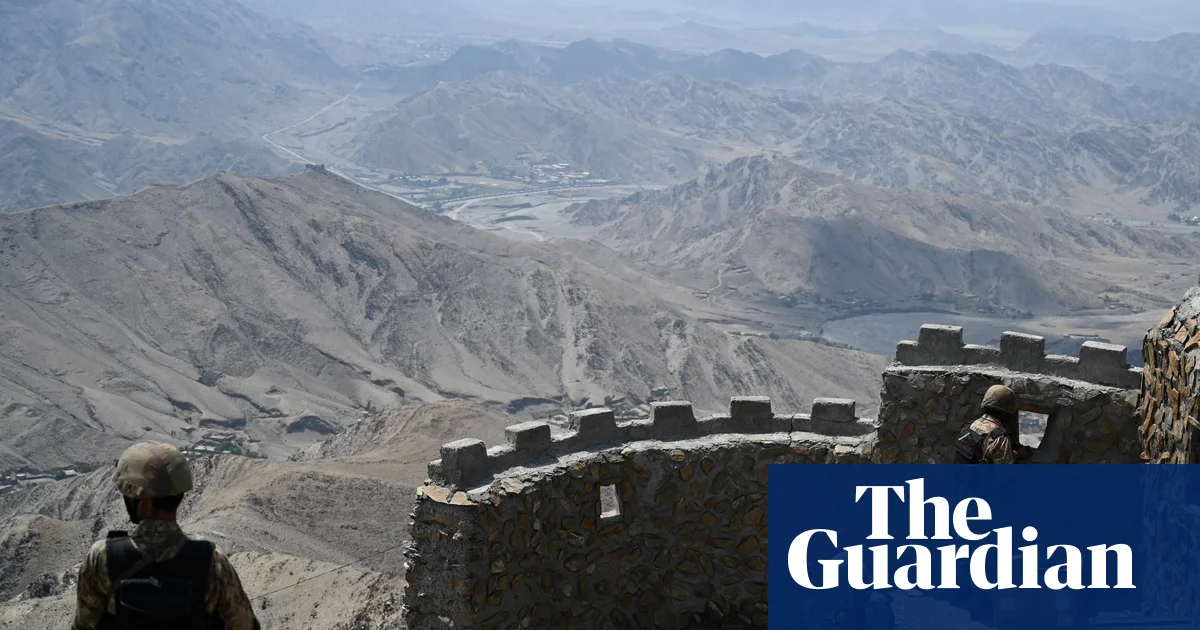
The serene yet volatile relationship between Pakistan and Afghanistan has spiraled into a dangerous new phase, shaking the stability of South Asia and reverberating across global geopolitics. Just months after a fragile ceasefire brokered by Qatar and Turkey aimed to halt the deadly border clashes, both nations now find themselves embroiled in what many analysts are calling an “unprecedented escalation.” The situation echoes the historical tensions over the disputed Durand Line, but recent events mark a stark departure—the direct military engagement between the two neighboring powers.
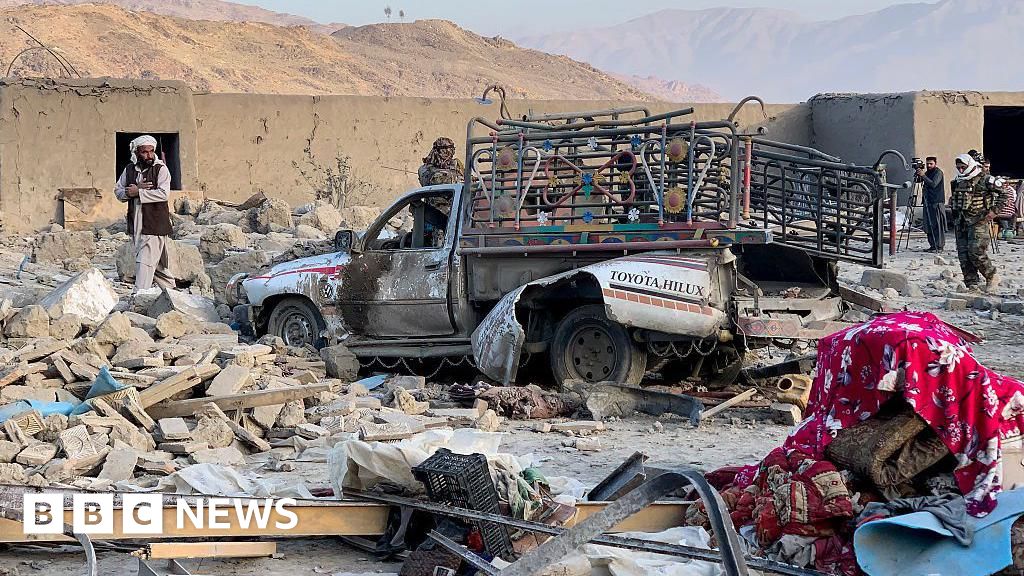
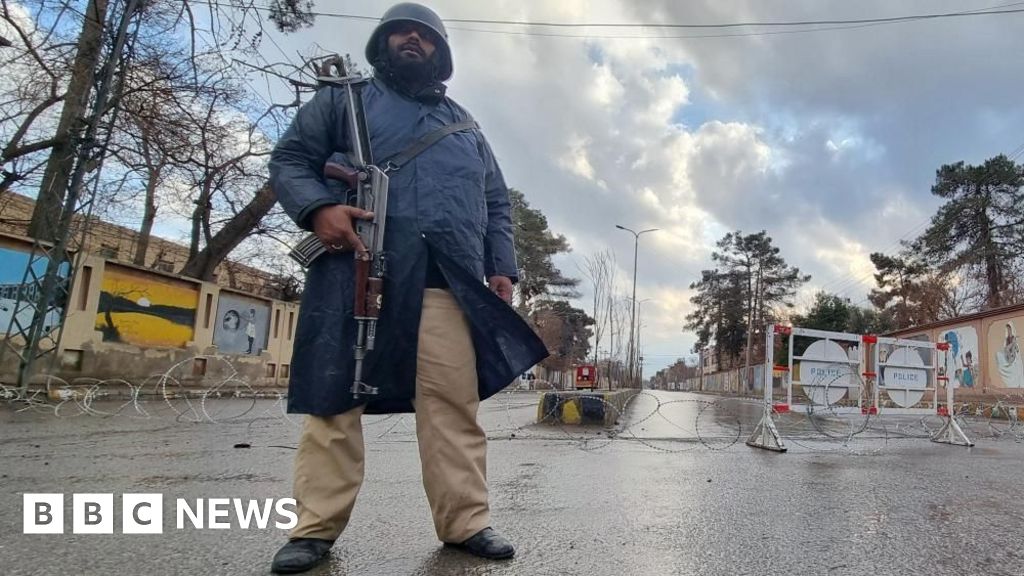
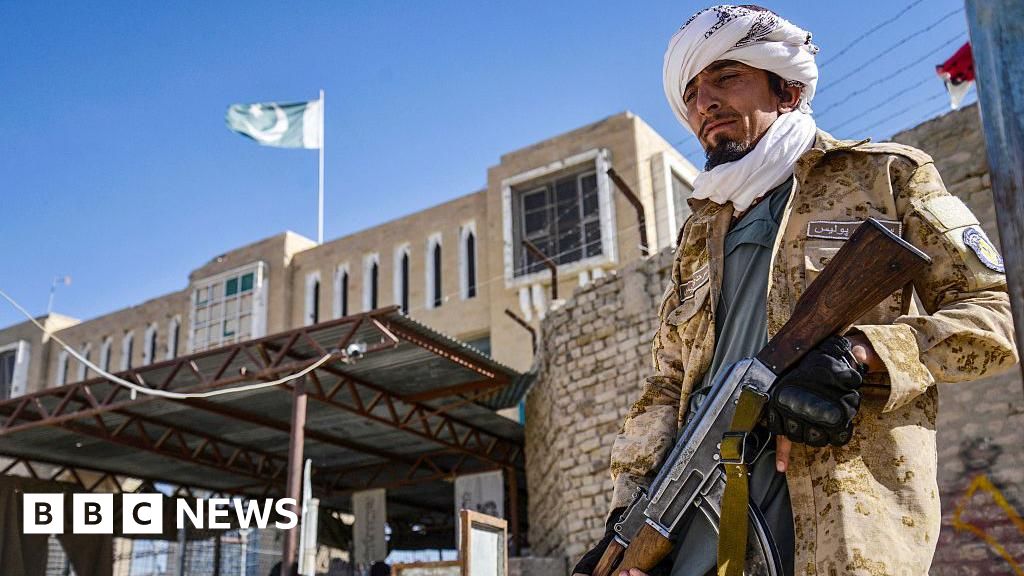
On February 27, 2026, Pakistan declared an “open war” following alleged unprovoked cross-border firing from Afghan territories. In a decisive move, Pakistani forces launched Operation Ghazab lil-Haq (“Righteous Fury”) targeting Afghan military positions, including Kabul, Kandahar, and Paktia—an unprecedented escalation that risks destabilizing the entire region. Khawaja Mohammad Asif, Pakistan’s defense minister, openly articulated the nation’s grim new stance: “Our patience has now run out. Now it is open war between us.” Such rhetoric signals a dangerous departure from diplomacy, reflecting mounting frustrations over what Islamabad claims are harboring Afghan Taliban and militant groups within Afghan borders.
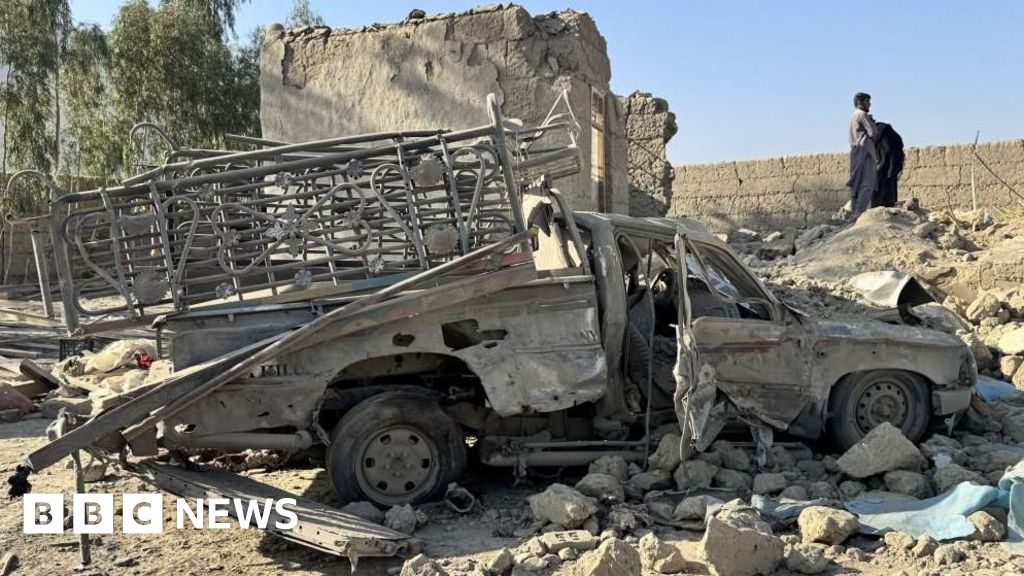
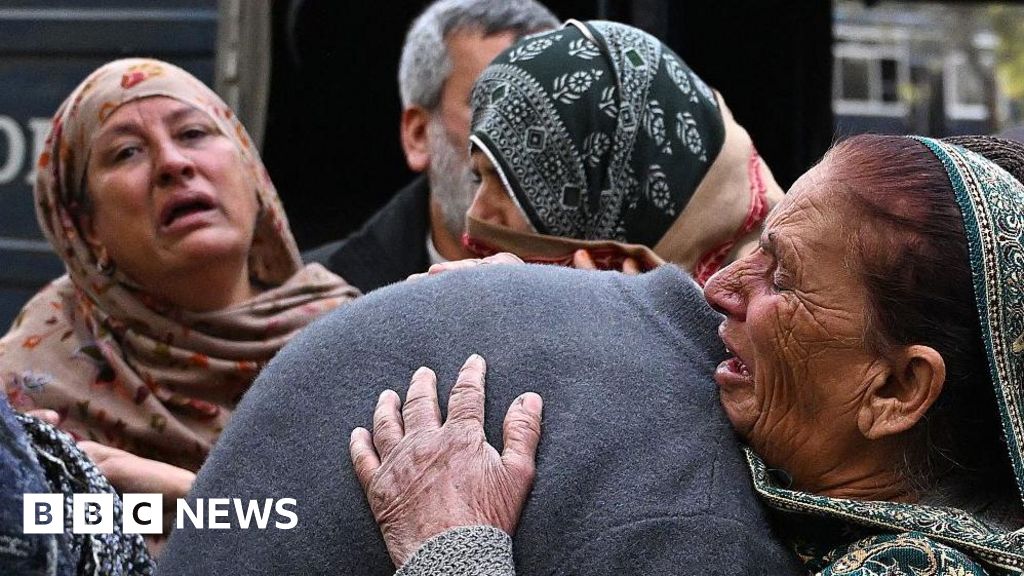
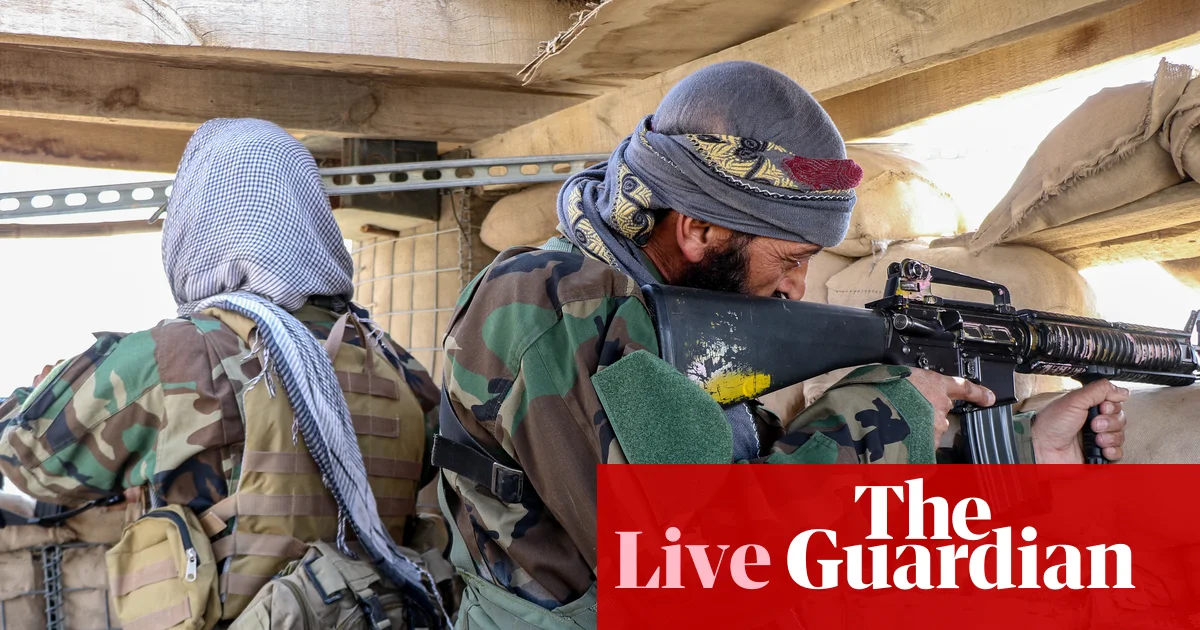
Meanwhile, Afghanistan’s Taliban government has responded with retaliatory attacks, including claims of drone strikes targeting Pakistani military sites. Afghan officials have asserted that their military retaliated after Pakistani airstrikes, with reports of casualties reportedly both statistical and conflicting, as each side leaks vastly different figures. Official statements from Afghanistan speak of over fifty Pakistani soldiers killed, whereas Pakistani authorities claim significant Taliban casualties in the thousands, emphasizing the opaque and chaotic nature of today’s conflict. Many international organizations, including the United Nations, have expressed grave concern over the rising civilian toll—highlighting that the true human cost remains hidden amid diverging narratives.
- The escalation begins as analysts point out it is the first time Pakistan has directly targeted Afghanistan’s Taliban rather than solely militant TTP positions.
- Examining the wider geopolitical impact, this conflict threatens to undo the tentative peace processes and threatens regional stability.
- Global powers, from Russia to China, are calling for restraint, but their diverging interests complicate swift resolution.
International responses continue to underscore the gravity of this evolving crisis. The UK, through Foreign Secretary Yvette Cooper, urges both sides to engage in de-escalation and mediated dialogue, echoing widespread calls for restraint. Conversely, Russia, the only country with formal recognition of the Taliban government, has urged both Afghanistan and Pakistan to return to diplomatic negotiations, warning that further escalation risks catastrophe. China, a regional powerhouse and key player in mediating through its channels, has expressed deep concern, calling for a swift ceasefire to prevent further bloodshed and chaos.
Within this tempest of military exchanges and diplomatic appeals, the destiny of South Asia hangs precariously in the balance. The recent direct confrontations breathe new life into a long-standing conflict that could ignite larger regional confrontations, involvingierleaning nations wrestle with the brutal realities of sovereignty, militant sanctuaries, and geopolitical dominance. As historians and analysts observe, “This moment may very well be the defining juncture of the 21st century’s regional order,” and the decisions taken in these tense days will undoubtedly echo through history’s halls for generations to come.
The unfolding chapter of this crisis leaves the world with a haunting question:
Will diplomacy prevail, or are we witness to the very brink of a wider, perhaps even catastrophic, regional war?