Matox News

Truth Over Trends, always!

Cooper Clings to Palestine Action Ban After Court Declares It Unlawful – UK Politics Live

In a nation where United Kingdom politics remains a mirror to the turbulent realities shaping the international landscape, recent legal decisions and diplomatic claims underscore a resurgent era of uncertainty and strategic recalibration. The High Court’s ruling that the government’s ban on Palestine Action was unlawful and disproportionate signals a critical juncture in domestic security policy—one that resonates across global geopolitics. As the UK’s legal system pushes back against government overreach, analysts highlight a wider geopolitical impact—foreshadowing a shift where advocacy, protest, and national security are increasingly entangled in a web of conflicting interests and international pressures.

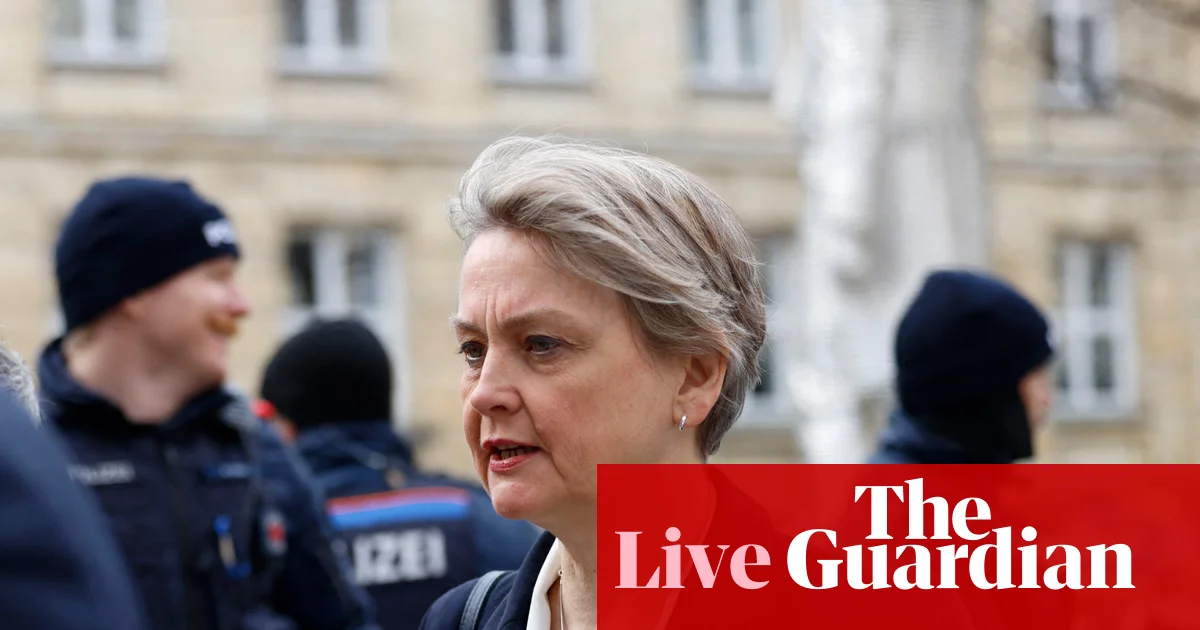
This legal rebuke forms part of a broader pattern where Western powers are facing complex threats that challenge traditional notions of sovereignty and security. The UK’s foreign secretary, Yvette Cooper, publicly defended her decision to proscribe Palestine Action despite unequivocal evidence suggesting most of their activities did not meet the threshold of terrorism. She relayed that advice had been taken from police and intelligence sources indicating risks of violence, yet the courts concluded the government had failed to follow its own policies, raising compelling questions about the transparency and consistency of security measures. Such a legal setback might embolden other protest groups and civil liberties advocates, but it also sends a message to hostile regimes—highlighting the fragile balance Western democracies must maintain between security and freedom.

The international ramifications extend further into the realm of intelligence and diplomatic disputes. Yvette Cooper has been vocal about the assessment that Russia targeted the opposition figure Alexei Navalny with a deadly toxin derived from frog poison, a claim backed by a coalition of European nations. These countries have reported Russia to the Organization for the Prohibition of Chemical Weapons for breaching the Chemical Weapons Convention. The UK’s narrative frames Putin’s regime as a threat not only to Russian politicians but to global security—exposing a ruthlessness that analysts like Patrick Wintour of The Guardian argue is emblematic of a broader “barbaric Kremlin plot” designed to eliminate dissent with lethal precision. This exchange of diplomatic accusations underscores a larger conflict, reaffirming that the contest for influence and morality is increasingly fought through shadows of poison and the courtrooms of justice.

Amidst these tumultuous developments, the rising influence of China and the shifting priorities of the United States further complicate the global chessboard. Cooper’s comments about Europe’s need to “step up” as U.S. funding diminishes reflect a European-wide strategic awareness—an acknowledgment that the days of unipolar dominance are waning. As international organizations and military alliances struggle to adapt to this chaotic environment, youth and future leaders are called upon to navigate a world where sovereignty is often tested and global order remains fragile. The unfolding drama involving Navalny’s poisoning, the UK’s internal security debates, and Russia’s brazen denial are merely chapters in a larger saga of power, resistance, and the relentless pursuit of truth that history warns will define the 21st century’s geopolitical landscape.

In the shadowed corridors of geopolitics, the echoes of these conflicts spell a sobering message to all observers—history is still unwritten and the verdict of this epoch hinges on the choices made today. The specter of poisons, legal battles, and diplomatic indictments serves as a reminder: the unfolding story of nations will be etched not just in treaties or victories, but in the testimony of justice, the courage of dissent, and the echoes of a world still struggling to find its moral compass amidst chaos. As the dust settles on legal rulings and international accusations, the question remains—who will rise, who will fall, and what legacy will we leave in the shadow of these tumultuous times?

Advisers Warn Ministers: Banning Palestine Action Might Backfire Among Youth

In recent weeks, the United Kingdom has taken a contentious step by banning Palestine Action, a grassroots organization dedicated to confronting the UK’s arms trade with Israel. Despite advice from officials warning that such a prohibition could inadvertently elevate the group’s profile, policymakers proceeded with proscription under terrorism laws. This decision marks a significant chapter in the ongoing global debate over civil liberties versus national security, illustrating the complex interplay between domestic policy and international tensions, especially in Britain’s role in the Israeli-Palestinian conflict.

The decision was underpinned by a secretive community impact assessment, revealing internal debates about the potential repercussions of a ban. Officials cautioned that proscription might exacerbate Muslim-Jewish tensions within Britain, deepen societal divisions, and be perceived as government bias favoring Israel. Moreover, polling data indicated that a significant portion of the British public supported bans on arms shipments to Israel, reflecting a growing frustration with the military actions in Gaza. Nonetheless, the advisors warned that such a move could “become a flashpoint for controversy and criticism,” highlighting the perilous balancing act that policymakers face—demanding security while avoiding alienating critical segments of society.

Critics argue that the government’s crackdown on Palestine Action has backfired, boosting the organization’s visibility and support rather than diminishing it. Huda Ammori, co-founder of Palestine Action, expressed that “awareness of the issues and the group’s popularity has grown exponentially,” indicating that the ban has inadvertently strengthened their stature. This outcome underscores how decisions rooted in security fears and political expediency can often generate unintended consequences, further entrenching the divisions they seek to quell.

The policy shift also sheds light on the geopolitical impact of Britain’s internal security measures. Proscription under terrorism laws frames the conflict in moral and legal terms but also risks alienating Muslim communities and fueling anti-government sentiments. This, in turn, influences Britain’s international standing, complicating diplomatic relations with Middle Eastern nations and global organizations advocating for Palestinian rights. As analysts point out, the UK’s overt involvement in Israel’s defense industry—an issue that the government actively suppresses—has become a source of tension with other Western nations that are questioning the equity of their support for Israel.

In the broader context, Britain’s internal conflict over Palestine reflects a wider geopolitical contest. How Western democracies choose to engage—whether through silence, activism, or suppression—shapes the global narrative surrounding the Israeli-Palestinian dispute. The recent ban represents a symbolic battleground for values—security versus civil liberties, activism versus state control—marking a decisive moment where internal policy decisions echo into the larger arena of international diplomacy. The unfolding saga leaves history’s watchful eyes pondering: will this be a turning point towards greater governmental control, or a catalyst that emboldens those fighting for justice? The answer remains shrouded in the shadow of history, as the world watches, and the story continues to unfold.

Ben & Jerry’s Co-Founder Slams Unilever’s Palestine Ice Cream Ban

In a striking illustration of the intersection between corporate influence and international conflicts, Ben & Jerry’s co-founder Ben Cohen has publicly condemned Unilever for blocking the launch of a new ice cream flavor, symbolically resonant with Palestinian solidarity. This controversy underscores a broader trend where multinational corporations become battlegrounds for ideological disputes that extend far beyond commerce, affecting geopolitical stability and societal narratives. The refusal to permit such a branding effort, which prominently featured the colors of the Palestinian flag, highlights how corporate decisions can influence international discourse and even diplomacy, especially amid ongoing conflicts in the Middle East.

Since Unilever’s acquisition of Ben & Jerry’s in 2000, tensions have simmered beneath the surface, with the co-founders explicitly accusing the conglomerate of unlawfully preventing their social activism. As the global community watches, such corporate silencing reveals the underlying power struggles between profit motives and social justice activism. The involvement of Ben Cohen in independently creating a flavor as part of his activist brand, Ben’s Best, signals an attempt to reassert fundamental values the larger corporations have allegedly side-lined. This act is more than a mere protest; it’s a clarion call for enterprises to retain their moral authority amidst a shifting international landscape where the lines between corporate interests and geopolitical agendas continually blur.

The perception and influence of corporate activism carry profound geopolitical impact. As analysts and historians observe, corporations today are often viewed as vessels of ideological expression that can sway public opinion and policy. This pre-eminence of corporate voice in political issues raises questions about sovereignty and the true independence of national policies. In the Middle East, the controversy over Israel’s occupation of Palestinian territories—especially in light of Ben & Jerry’s decision to withdraw from certain markets—illustrates how corporate actions bolster or undermine aspiring statehood narratives, regional stability, and international relations. Meanwhile, international organizations like the United Nations are increasingly under pressure to confront corporations’ roles in conflicts, often debating whether economic influence should be used as leverage in diplomatic resolutions.

As history unfolds, the story remains deeply intertwined with the broader currents of global conflict and moral responsibility. The battle over a simple ice cream flavor symbolizing Palestinian solidarity exemplifies how small acts can ignite larger debates about justice, influence, and the forging of international memory. The narratives that emerge from these conflicts will not only shape future corporate policies but will also influence the trajectory of international diplomacy. The weight of history now rests heavily on the decisions and actions of powerful institutions and individuals, as the world’s hopes for peace and justice hang in a fragile balance—awaiting their next chapter to be written in the collective consciousness of a restless generation.

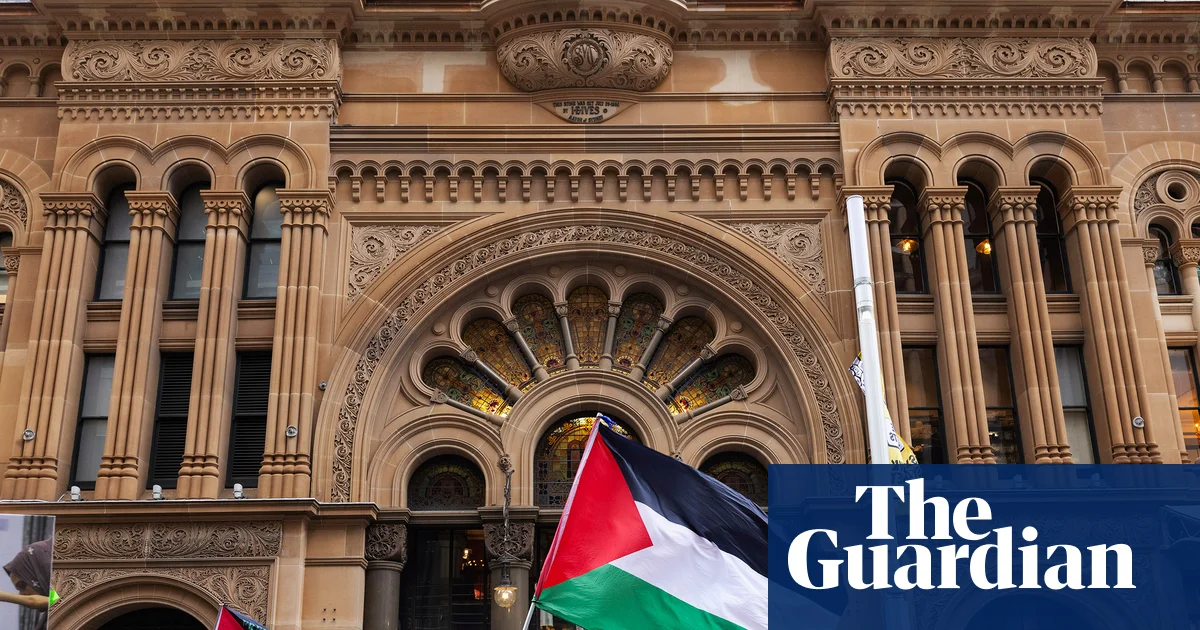
Mass Youth Show Support for Palestine Across Australia, Promise Continued Protests After Gaza Ceasefire

As tensions in the Middle East continue to ignite a global response, countries across the world are witnessing a surge in activism and diplomatic maneuvers that reveal the profound geopolitical impact of recent events. The recent ceasefire deal brokered by Donald Trump in Gaza initially brought a glimmer of hope for peace, but skepticism remains high among international analysts. The deal, which has temporarily alleviated some violence, remains unpopular among many Palestinians and defending voices who argue that real change requires more comprehensive negotiations and local consultation, not just US-led agreements. Many see this move as yet another example of how powerful nations, particularly the United States, influence conflicts to serve broader strategic interests, often at the expense of self-determination for the Palestinian people.

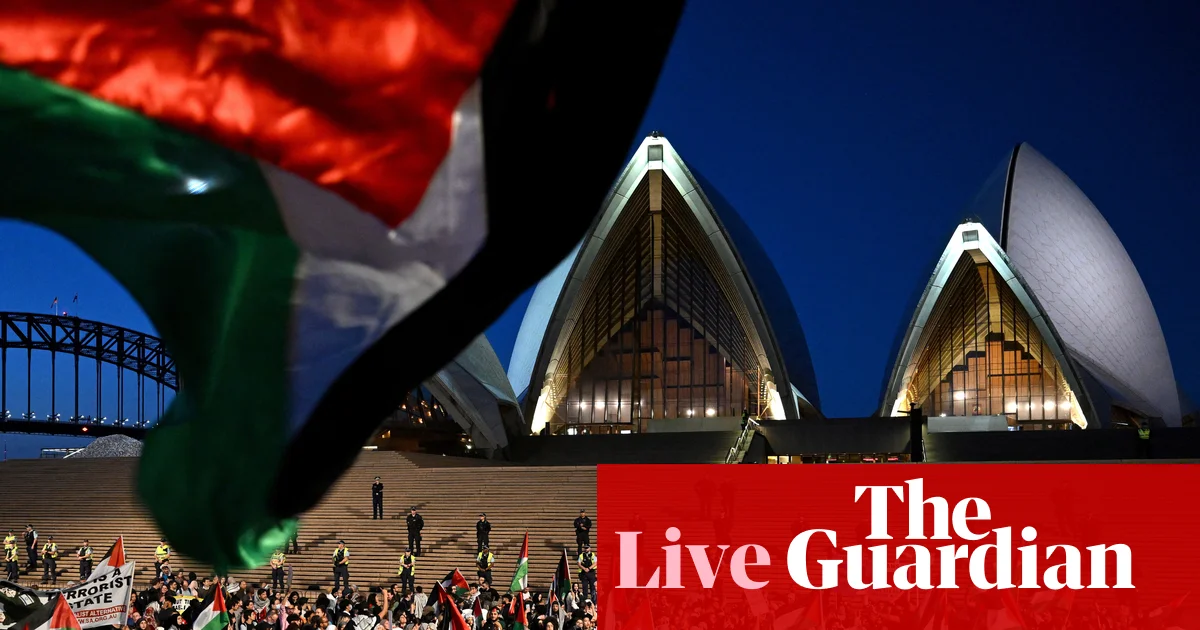
In Australia, waves of demonstrations underscore how global conflicts inexorably ripple into local political and social spheres. Tens of thousands have gathered in cities like Sydney, with organizers affirming an enduring commitment to supporting Palestine. Despite police estimates of 8,000 attendees in Sydney, reports indicate that the rallies are far larger, symbolizing widespread concern and a sense of shared responsibility among youth and activism groups. Notably, these protests aim to maintain pressure on Australian policymakers to implement more aggressive sanctions on Israel and cease trade in military equipment—a move supported by numerous analysts who see economic leverage as a vital tool for fostering real change. The significance of these protests lies not only in the numbers but in their defiance against a backdrop of international diplomacy often perceived as tepid or superficial, further exemplified by the recent Gaza ceasefire mediations.”

The protests also carried a personal and emotional weight, as many families like Shamikh Badra and Abubakir Rafiq highlighted the ongoing human tragedy—families torn apart and lives on hold while seeking justice and closure. These deeply personal stories serve as a stark reminder that decisions made on political and diplomatic levels have immediate, devastating effects on societal fabric and individual lives. International organizations, including Unrwa and Unicef, are preparing to deliver aid to Gaza, an effort seen as critical in a region where the aftermath of the recent conflict continues to threaten survival and stability.

Among the most striking features of this rising activism is the resilience of grassroots movements that challenge institutional constraints. In Sydney, protesters defied the NSW court of appeal and police opposition, demonstrating how civil disobedience remains a powerful tool for marginalized voices. Leaders like Jenny Leong of the NSW Greens have explicitly condemned the influence of Trump and his policies, warning against the dangerous precedent set when the future of Palestinians is dictated by foreign powers rather than their own communities. In history, such local acts of defiance have often foreshadowed larger geopolitical shifts, and observers warn that as conflicts persist, the struggle for self-determination and justice becomes increasingly intertwined with global power calculus.

As the world watches this unfolding narrative—a testament to the enduring complexity of geopolitics—a somber realization emerges: the decisions made in diplomatic chambers and on city streets will echo for generations to come. Each rally, each diplomatic summit, and each tragic story from Gaza and beyond weaves into the fabric of history, reminding us that in the age of globalized conflict and intervention, the fight for sovereignty, justice, and peace remains an ongoing saga where the weight of the past shapes the unpredictable contours of the future.

Australia Politics: Judges to decide on Opera House Palestine protest; rich claim big tax break | Australia News

In a pivotal moment for Australia and the broader geopolitical landscape, a rapidly unfolding legal showdown at the NSW Court of Appeal centers around a proposed pro-Palestine demonstration in downtown Sydney. The organizers, the Palestine Action Group, have put forward plans for a massive march, potentially drawing around 40,000 people through the city center to the iconic Sydney Opera House. However, local authorities and police are pushing back, citing serious concerns over public safety and crowd control, and have formally challenged the rally’s legality. The judges are set to deliver their ruling soon, with early indications pointing to a tense debate about free speech versus security—one that may set a precedent for political protests amidst rising international tensions.

Historian and political analysts observe that such demonstrations are emblematic of a shifting geopolitical climate, where domestic protests increasingly mirror global conflicts. The controversy over the Sydney march echoes similar tensions overseas, especially as the Israel-Gaza conflict continues to dominate international headlines. Previous protests of comparable scale, such as the mass rally at Sydney Harbour Bridge with hundreds of thousands, highlight the potential for public demonstrations to serve as flashpoints. Chief Justice Andrew Bell warned that Macquarie Street could turn into a “narrow funnel,” risking chaos and endangering lives. Such comments underscore the delicate balance between upholding civil liberties and maintaining order—a dilemma many Western democracies face today as protests grow more passionate and polarized.

The decision in Sydney’s court has global reverberations, particularly considering the role of international institutions and regional diplomatic policies. While some leaders advocate for free expression and support activism, others emphasize national security, often leading to a crackdown on dissent. The unfolding scenario highlights hownations are increasingly under pressure to navigate the complex interplay of human rights, sovereignty, and international diplomacy. Experts from organizations like Oxfam have pointed out that economic disparities are also fueling unrest; their recent study indicates that unpopular tax policies, such as the capital gains discount, primarily benefit the wealthy elite—a fact that fuels domestic discontent and adds another layer to this complex geopolitical puzzle.

As the courts weigh the legality of the Sydney protest, the broader international scene offers little respite. The ongoing Israel-Gaza conflict and rising tensions in the Middle East continue to influence domestic politics across the globe. Governments are compelled to carefully manage what can often be seen as a delicate act—balancing support for free political expression with the need to control violence or unrest. The Sydney case becomes a microcosm of this larger trend, illustrating how decisions made today can shape the trajectories of societies for generations. As history continues to unfold, what appears to be a local legal debate may well serve as a critical juncture for the future of civil liberties and international diplomacy—reminding us all that the sparks of conflict and resistance often ignite in local courts but burn across the pages of history.

Police Start Arrests at London Palestine Action Protest

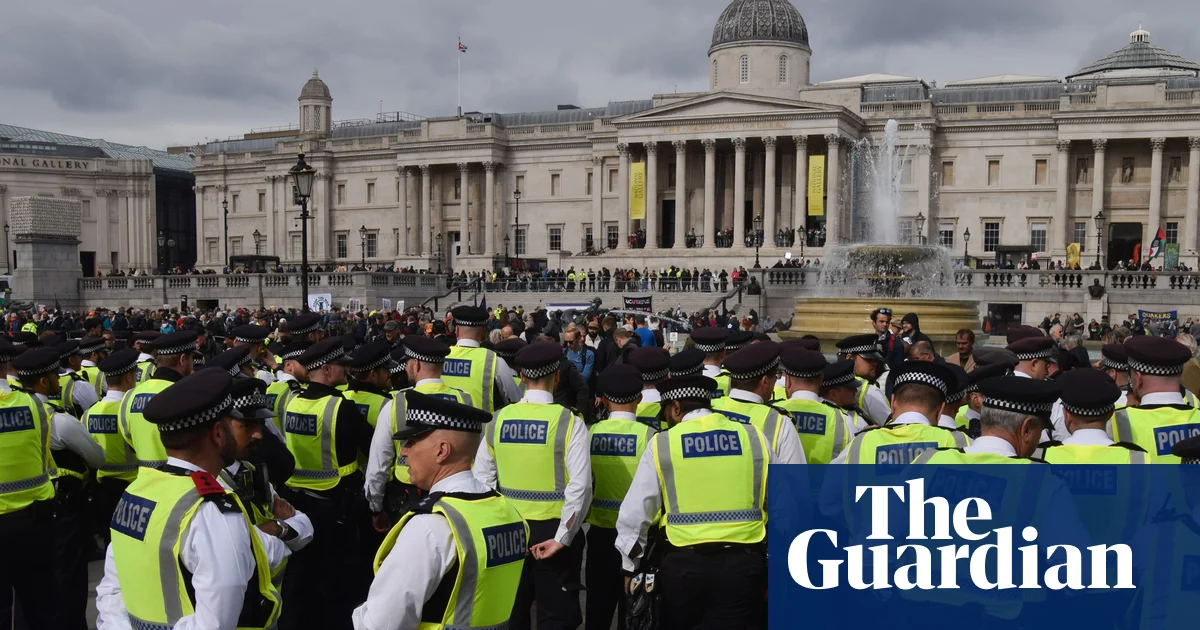
The recent escalation of protests in London underscores a profound geopolitical shift centered around the ongoing Israeli-Palestinian conflict and the international community’s divided response. Thousands gathered in Trafalgar Square to rally in support of Palestine Action, a group classified as a terror organization by the UK government since July. The demonstrators aimed to showcase their dissent against the UK’s stance, which has become a flashpoint for broader debates surrounding freedom of expression, security, and the legitimacy of militant organizations in global politics. The scale of participation, reportedly exceeding 1,500, marked one of the largest anti-government protests in recent history, reminiscent of the 1961 anti-nuclear demonstrations – a testament to the growing unrest gripping Western capitals.

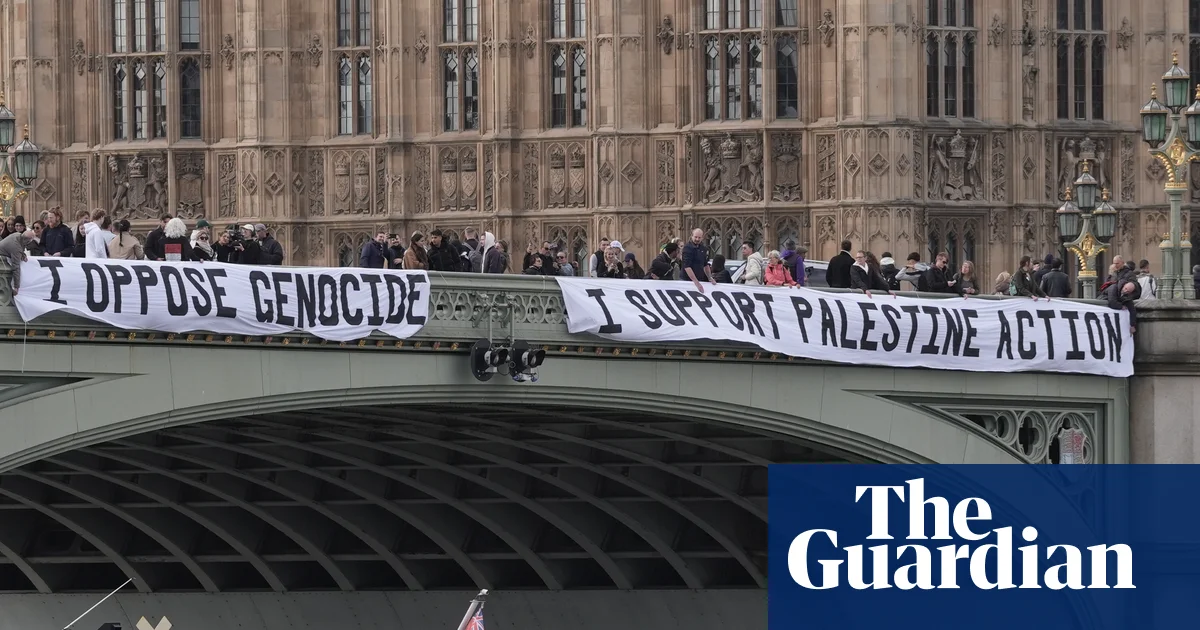
In response, London police launched a wave of arrests, including six individuals connected to a pro-Palestine banner displayed on Westminster Bridge. Authorities quickly intervened to remove the banner, with police officials asserting that those involved supported a proscribed organisation, thereby justifying their arrest under the existing national security legislation. Such actions reflect the tightening grip of Western governments on activism deemed threatening to national security, raising critical questions about the limits of civil liberties amid perceived threats from global militant groups. The police statement highlighted the rapid response, emphasizing that maintaining public order and state security remains a priority, even at the expense of free assembly. Internationally, experts warn that these internal crackdowns could fuel further tensions, especially when viewed through the lens of international law and human rights.

The development comes amid a broader geopolitical context of rising tensions involving Israel, Palestine, and their respective allies. The event in London, while localized, is emblematic of a growing divide among Western nations about how to handle support for Palestinian rights and militant organizations. In recent months, international organizations like the United Nations have called for diplomacy, yet the UK’s designation of Palestine Action as a terrorist group signals a hardening of stance within the British government. Historians and analysts note that such classifications often serve as pretexts for suppressing dissent and marginalizing voices critical of Israel’s policies. This internal conflict over how to approach the Palestinian issue reflects a larger geopolitical battle—one that affects not only the Middle East but global alliances and security arrangements.

As the world watches, the unfolding narrative in London is a stark reminder of the fragile balance between national security and international advocacy. The suppression of peaceful protests and the labeling of political support as terrorism threaten to deepen societal fractures in the West, a region historically rooted in ideals of free expression. Meanwhile, the international community faces its own reckoning; the decisions taken by governments today will shape the geopolitical landscape for generations. With history’s ink still drying on this chapter, the question remains: Are we witnessing the dawn of a new era where the boundaries of dissent are redrawn, or the tragic prelude to a global realignment driven by unresolved conflicts and ideological divides?

Social Media Auto Publish Powered By : XYZScripts.com