Matox News

Truth Over Trends, always!

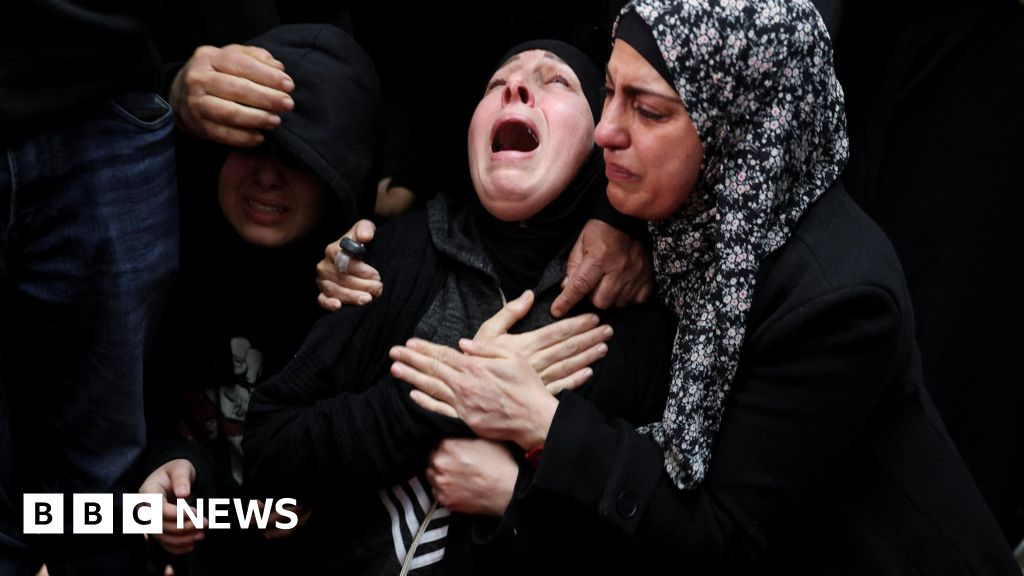
Palestinian-American family calls for justice after West Bank killing

In a troubling development that underscores the persistent volatility in the West Bank, Nasrallah Abu Siyam has become the sixth American citizen to be killed by Israeli settlers or soldiers within the past two years. This tragic event not only highlights the ongoing human toll in the region but also amplifies the geopolitical tensions that continue to shape international discourse and policy. As analysts and international organizations examine this devastating trend, the question arises: what does this portend for Middle East stability and for the United States’ role in U.S.-Israel relations?

The West Bank remains a symbol of protracted conflict, where decades of unresolved disputes over land, sovereignty, and security have resulted in recurrent violence. The incident involving Nasrallah Abu Siyam exemplifies the dangerous complexities at play, where diplomatic efforts often seem gridlocked amid rising tensions. Historically, U.S. policy has oscillated between supporting Israel’s security concerns and advocating for Palestinian rights, yet the recent uptick in violence reveals the fragility of this balancing act. Experts like geopolitical analyst Dr. Emily Carter emphasize that the continuous loss of American lives, especially in a region where American influence is both strategic and moral, exacerbates pressure on U.S. foreign policy and internal political dynamics.

Furthermore, the international community has expressed alarm over these fatalities. The United Nations and European Union have called for renewed dialogue, but reality shows that diplomatic pathways remain blocked by entrenched positions and regional power struggles. This violence is symptomatic of deeper issues, including the expansion of settlements and the persistent inability to implement a comprehensive peace agreement. As Middle East experts warn, each incident like the death of Abu Siyam not only fuels local resentment but also complicates the international effort to bring stability and peace to the region.

From a broad geopolitical impact perspective, these recurring tragedies feed into a narrative of disorder that affects all nations involved—further entrenching divisions, impeding cooperation, and risking broader regional escalation. Nations across the globe are forced to navigate the fallout, which includes rising anti-American sentiments in some quarters and increased pressures on U.S. policymakers to take decisive action. As historians observe, moments like these serve as stark reminders that conflicts rooted in history are often perpetuated by cycles of violence and contested narratives—each one shaping the course of history whether forward or backward. The death of Nasrallah Abu Siyam marks a grievous chapter in this ongoing story, with the echoes of injustice resonating far beyond the borderlines of the West Bank.

As we stand on the precipice of further escalation or potential peace, the weight of history presses heavily. The choices made today in response to such tragedies could either open pathways toward reconciliation or reaffirm the wider forces of chaos and division. With each life lost, the hope for resolving this enduring conflict dims — yet it remains, perhaps, the most urgent challenge of our era. In the shadow of conflict, history continues to unfold, recording the moments when nations either forge a better future or condemn generations to repeating the mistakes of the past.
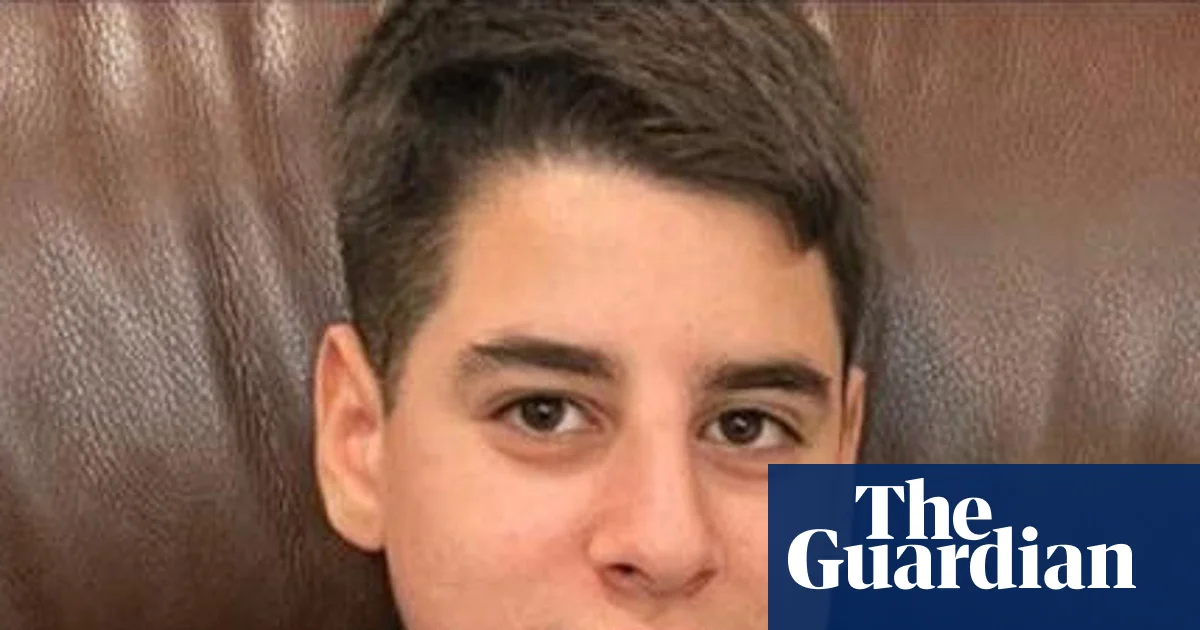

Palestinian-American teen imprisoned in Israel for 9 months finally released in West Bank

In a recent development that echoes across the geopolitical landscape, Mohammed Ibrahim, a 16-year-old Palestinian-American citizen, was released after nine months of detention in Israeli custody. The young teenager’s ordeal, which captured worldwide attention, underscores the ongoing controversies surrounding Israel’s treatment of Palestinian minors in military courts. Ibrahim’s case not only highlights alleged human rights violations but also signals the fragile state of U.S.-Israel relations, especially when American citizens are caught in the crossfire of regional conflicts. International organizations, including UN human rights agencies and various civil rights groups, have long condemned the systematic prosecution of Palestinian minors, which places Israel under increasing scrutiny for its military justice practices.

This incident arrives at a time of escalating tensions and international debates focused on the treatment of Palestinians under occupation. According to reports from B’Tselem and Defense for Children International-Palestine, hundreds of Palestinian children remain detained by Israeli forces, often subjected to harsh conditions, inadequate nutrition, and limited contact with their families. As of September, approximately 350 minors were in military detention, with allegations of abuses ranging from forced confessions to inhumane treatment. The case of Ibrahim, who lost a quarter of his body weight and contracted scabies, exemplifies the ongoing issues of military justice and human rights violations that continue to stain Israel’s image on the world stage. Critics argue that such practices threaten to undermine the legal norms espoused by democratic standards and fuel international divisions.

Notably, prominent American politicians, including Senators Bernie Sanders and Elizabeth Warren, along with over 100 human rights organizations, have demanded the U.S. government intervene to secure Ibrahim’s release. The U.S. State Department officially became involved when it appointed a dedicated officer to handle the case, reflecting mounting concern over the treatment of American citizens abroad. Yet, the broader geopolitical impact extends beyond individual cases. Many analysts view these incidents as symbols of a deeper conflict—a clash between Israel’s security policies and international calls for accountability. History advises caution, emphasizing that overlooking such abuses risks fostering further resentment and instability in one of the most volatile regions in the world. Furthermore, the international community remains divided, with some nations backing Israel’s security concerns, while others advocate for stronger adherence to human rights standards. Recognized voices like those from Amnesty International warn that ignoring abuses against minors could eventually catalyze wider movements against occupation policies, altering the continent’s geopolitical balance.

The incident involving Ibrahim is more than a mere isolated event; it amplifies the ongoing debate surrounding regional stability, human rights, and international law. The recent cases serve as stark reminders that, amid shifting alliances and renewed geopolitical rivalries, the unresolved Israeli-Palestinian conflict continues to echo with profound consequences. In the grand narrative of history, decisions made here—be it on military justice, human rights, or diplomatic engagement—will shape the future for generations to come. As the world watches, the question remains: will diplomacy and justice prevail, or will history record another chapter filled with injustice and lost opportunities? The weight of these choices bears heavily on the collective conscience, for it is in these moments that the course of history is truly decided.

Social Media Auto Publish Powered By : XYZScripts.com


