Matox News

Truth Over Trends, always!

Palestinians slam Israeli moves, claim de facto annexation underway

Regional Powers Condemn Moves Toward Palestinian Territorial Displacement

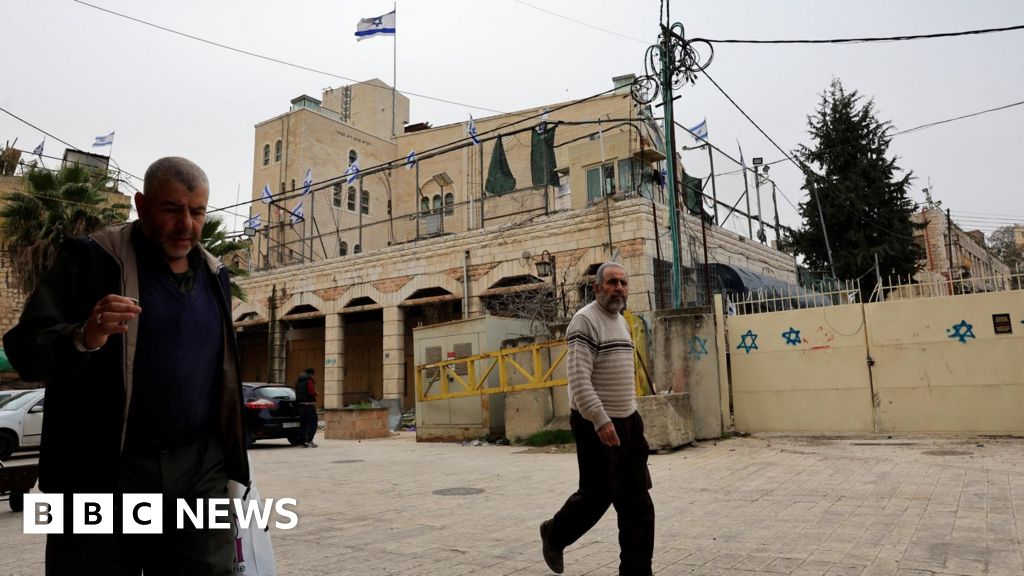
In a unified stance that underscores the escalating tensions in the Middle East, the foreign ministers of Egypt, Jordan, the United Arab Emirates, Indonesia, Pakistan, Turkey, Saudi Arabia, and Qatar have issued a stark warning regarding recent political developments. They described the latest announcement as “accelerating attempts at its illegal annexation and the displacement of the Palestinian people”. This joint declaration signals a volatile shift in regional diplomacy, with profound geopolitical repercussions that could reshape the stability of an already fragile landscape.

The collective response from these influential nations highlights a shared concern about the potential breach of international norms and the violation of Palestinian sovereignty. The phrase “illegal annexation” is not used lightly in diplomatic discourse, but signifies a deep-rooted apprehension over ongoing activities perceived to threaten the viability of a two-state solution—a principle endorsed by numerous international bodies, including the United Nations. Analysts suggest that such moves not only jeopardize peace prospects but also fuel grievances among Palestinians, fostering instability that can spill over into broader regional conflicts.

Historically, the Middle East’s volatile history has been shaped by external interventions and shifting alliances. Most recently, the reactions from these regional actors reaffirm their roles as both stakeholders and guardians of their national interests. Several experts, including Middle East historians and geopolitical analysts, emphasize that the united front displayed by these nations is a sign of an emerging consensus: that unchecked unilateral actions risk igniting larger conflicts that could draw in global powers. Organizations like the Council on Foreign Relations highlight that the decision-making process surrounding territorial disputes influences the socio-political fabric of the Palestinian population, with lasting effects on regional security.

The turning point here is clear. The international community continues to watch how these diplomatic narratives evolve into tangible policies. As tensions escalate, the geopolitical landscape of Eurasia and North Africa could face unpredictable consequences. The collective warning issued by these nations underscores a fundamental truth: that the decisions made in the coming days and weeks will not only decide the fate of Palestinian land but may also set the course for future regional diplomacy. In a world where history often hangs in the balance, the weight of these events underscores the importance of steadfast diplomacy—and the peril of neglect. The pages of history are turning, leaving the global community immersed in a saga whose outcome remains uncertain, yet undeniably entrenched in the struggle for sovereignty and justice.
Israeli Airstrikes Smash Gaza, Over 32 Palestinians Reported Killed

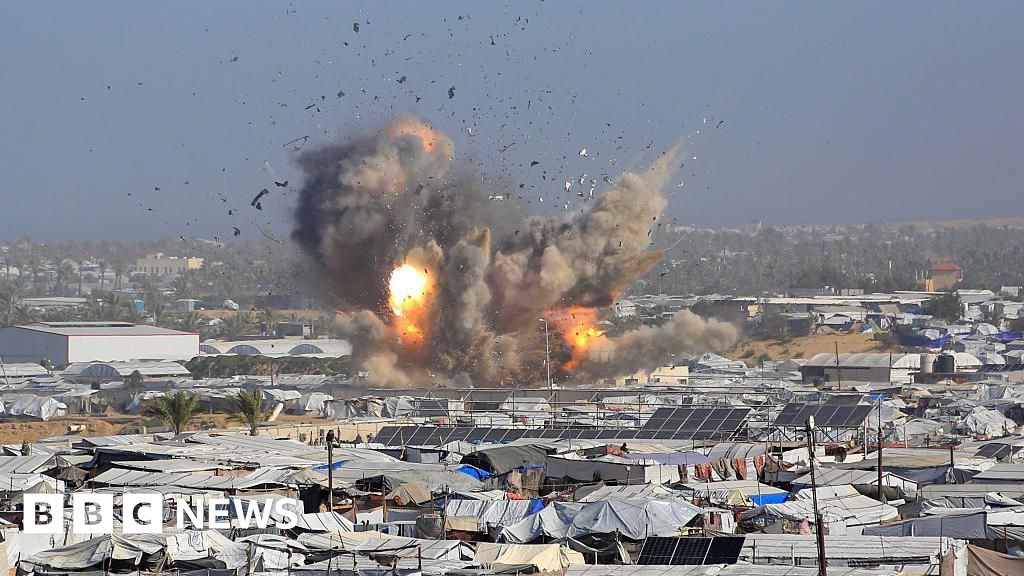
In a development that underscores the fragile and volatile nature of Middle Eastern diplomacy, Israel’s military confirmed a series of recent strikes amidst a fragile ceasefire with Hamas. This escalation occurs despite both parties publicly accusing each other of violating the ceasefire agreement, highlighting the ongoing risks of renewed conflict in a region already scarred by decades of instability. The timing of these strikes has raised alarms among global observers who watch the situation with growing concern about potential escalation into broader regional hostilities.

The recent surge in violence occurs at a critical juncture where international mediators, including Egypt and the United Nations, have been exerting diplomatic pressure to solidify a lasting peace. However, analysts from institutions like the Brookings Institution and Chatham House emphasize that the underlying issues—territorial disputes, political divisions, and economic hardships—remain unresolved, making peace fragile and susceptible to breakdown. The ceasefire was initially brokered as a step toward de-escalation, but the continuation of hostilities signals the deep-rooted tensions that continue to threaten regional stability.

The geopolitical impact of these developments extends far beyond the borders of Israel and Palestine. Countries such as Iran, which backs militant groups like Hamas, are closely observing the situation, with many analysts concerned that a renewal of conflicts could ignite wider regional confrontations involving Lebanon and Syria. Additionally, the United States and Russia remain engaged behind the scenes, balancing their strategic interests in the region amidst these flashpoints. The International Crisis Group warns that unresolved conflicts threaten to unravel fragile alliances, creating a geopolitical tinderbox that could ignite broader conflicts.

Historian and Middle Eastern expert Dr. Laura Jensen points out that, “Contemporary conflicts in the region are less about immediate territorial disputes and more about the persistence of identity, ideology, and power dynamics.” She warns that a failure to address the root causes could lead to a cycle of violence that might last generations. International organizations like the United Nations continue to call for restraint, but critics argue that diplomatic efforts often fall short of addressing the structural issues at root. As hostilities flare and peace remains precarious, the world faces a stark reminder of how thin the veneer of stability truly is in such a turbulent sea of history.

As the dust settles after recent military actions, the future of this embattled region hangs in the balance. The conflicting narratives of victory, victimhood, and survival persist, tangled in a complex web of history and politics that shapes the destiny of millions. With each new escalation, the international community is reminded that the choices made today will echo through decades to come. In this unfolding story of conflict and diplomacy, history’s relentless march continues—a powerful reminder that, in the world of geopolitics, peace is often just one misstep away from chaos.

Gaza Palestinians with Australian visas stuck as Israel tightens borders—what's happening to our immigration commitments?
Gaza Palestinians with Australian visas stuck as Israel tightens borders—what’s happening to our immigration commitments?

Gaza’s Humanitarian Crisis Sparks Global Reflection on Geopolitics

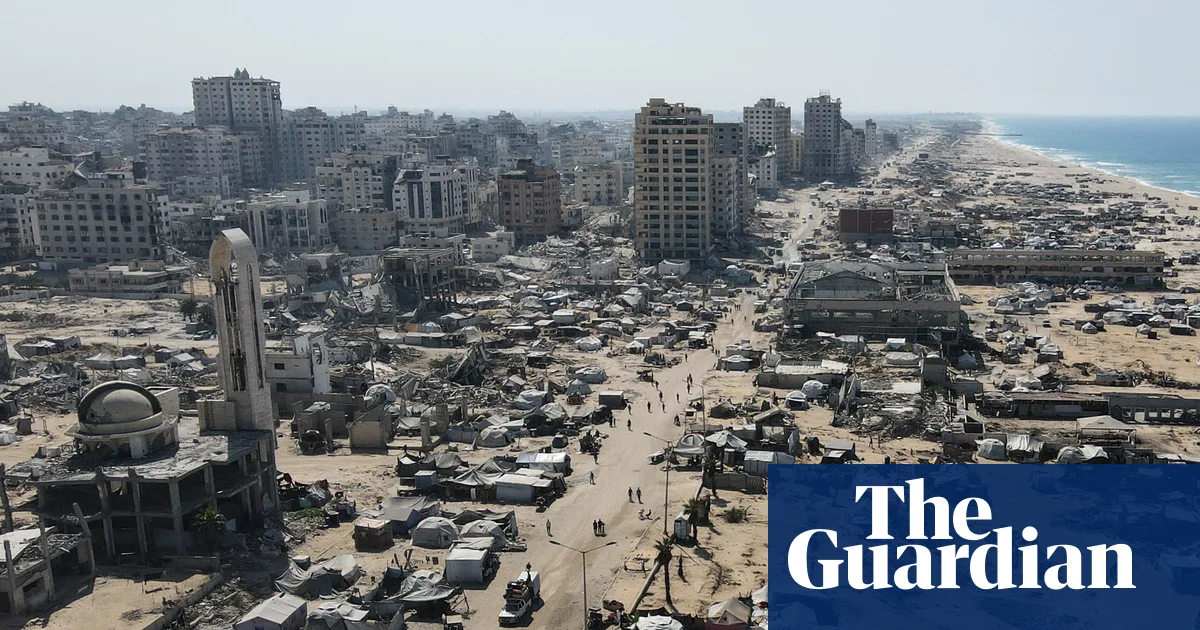
The conflict in Gaza continues to cast a shadow over international stability, revealing a complex web of humanitarian and geopolitical tensions. Despite a tentative ceasefire, the region remains a battleground of broken borders and unfulfilled promises. Notably, Australian visa holders trapped within Gaza epitomize the international system’s fractured response to the ongoing conflict and displacement crisis. As borders remain sealed and evacuation efforts stagnate, the situation underscores how decisions made in distant capitals — or inaction— deeply affect vulnerable societies and reshape regional alliances.

Since the outbreak of violence, an estimated 600 to 700 individuals with Australian-issued visas remain stranded in Gaza amid a deadly stalemate. Their plight is a stark illustration of the failed international mechanisms to safely evacuate civilians from war zones. The Australian government claims it is doing “all it can” to support its citizens and their families, yet the reality on the ground paints a different picture. Many, like Ahmed Abumarzouq, a Palestinian-Australian living in Perth, see their relatives—particularly teenagers and those in split-family situations—caught in a cycle of bureaucratic limbo, unable to escape the chaos and destruction wrought by escalating military operations.

How international decisions shape refugee flows and societal fractures

Analysts warn that international diplomacy is at a crossroads. The ceasefire agreement has merely provided a fragile pause in hostilities, not a resolution. As the U.N. and regional powers debate the long-term stability of peace accords, families in Gaza face relentless hardship. The refusal or inability of border crossings—primarily controlled by Israel—to reopen hampers evacuation efforts, fostering a humanitarian crisis that threatens to spill into neighboring regions. Historicians like Mark LeVine caution that prolonged exposure to war will deepen societal divisions and embolden radical factions, reshaping the geopolitical landscape for generations. Meanwhile, Australian officials admit that the “difficulties” of exit highlight flaws within political and diplomatic frameworks designed to protect citizens abroad.

The world’s failing response: a test of international morality

Palestinian organizations and refugee advocates emphasize that many in Gaza are unwillingly displaced—forced from their homes by relentless violence and the strategic might of powerful states. Rasha Abbas, founder of Palestine Australia Relief and Action, reflects this sentiment: “It’s forced displacement. Israel has taken away all security, all safety, and there’s nothing in terms of basic life needs.” With hospitals destroyed, food supplies exhausted, and safety absent, the conflict has become a battleground for global morality. Countries like Australia, the United States, and European Union grapple with their responsibilities and the perception that geopolitical interests often override humane considerations. International organizations warn that, unless collective action is taken, the entrenched suffering will entrench regional instability and fuel future conflicts—destined to echo through history’s corridors as a failure of moral leadership.

The plight of Gaza’s displaced and stranded exemplifies how international decisions—whether to engage, to support, or to turn away—*shape societies*. The current crisis challenges the international community’s capacity to uphold humanity amidst the chaos. As nations weigh strategic interests against moral imperatives, history continues to unfold — a narrative where hope flickers, shadows deepen, and the weight of unresolved conflicts remains heavy upon the pages of history.

Gaza Experts Fight to Identify 90 Palestinians Returned by Israel

International Tensions Escalate as Gaza Ceasefire Yields Humanitarian Dilemmas

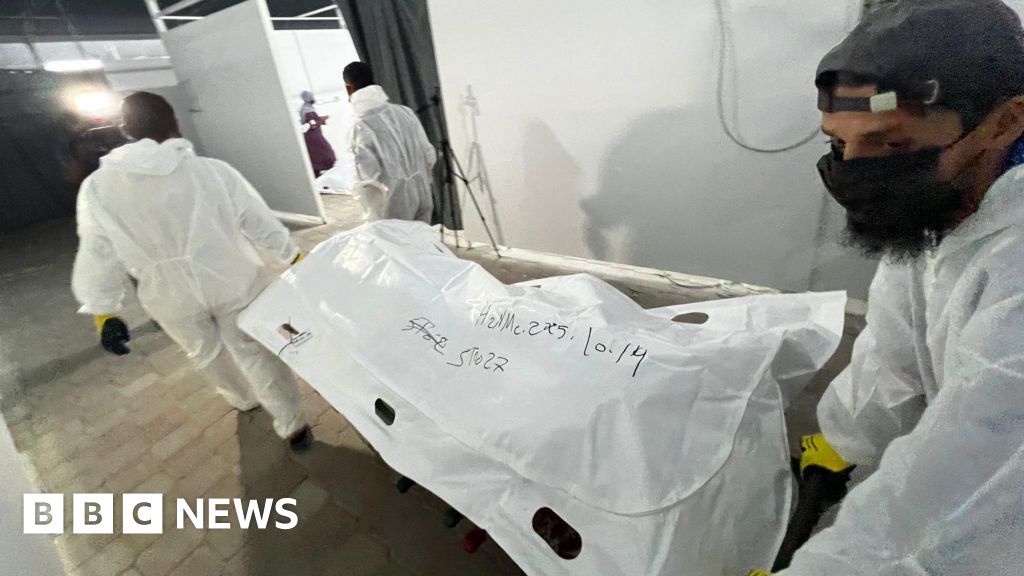
The recent ceasefire agreement between Israel and Hamas has temporarily halted some hostilities, yet the underlying tensions continue to ripple across the region. Under this fragile accord, Israel has committed to returning the remains of 15 Palestinians for every deceased Israeli hostage, a promise that holds immense symbolic and geopolitical weight amidst ongoing violence. So far, the Israeli military has announced the return of six Israeli hostages’ remains, alongside the bodies of two other individuals, including a Nepalese hostage, signaling a tentative step toward some form of stabilization. However, the practical implementation of this pledge faces numerous challenges, most notably the identification of human remains and the profound emotional toll it exacts on families caught in limbo.

Bodies in Limbo and the Impact on Social and Political Dynamics

  • Bodies of 90 Palestinians handed over at Nasser hospital in Gaza remain unconfirmed in identity, with officials working to match remains with families amid reports of bodies stored in refrigerators awaiting identification.
  • Palestinian families, like Rasmieh Qdeih, continue to search desperately for loved ones presumed dead or missing since the start of hostilities when Hamas launched a surprise attack on southern Israel, leading to the death of approximately 1,200 Israelis and the capture of hostages.
  • The Israeli authorities have pledged cooperation with international agencies such as the International Committee of the Red Cross (ICRC), yet the ambiguity surrounding the status of captured or deceased individuals fuels widespread grief and political uncertainty.

Distinguished international analysts, including geopolitical experts and historians, have warned that these unresolved human tragedies only deepen the moral and political crises in the region, complicating diplomatic efforts and affecting societal morale on both sides. The identification dilemma is more than bureaucratic—it represents a crucial turning point in how nations confront their collective past and their future, with some warning that failure to clarify these human costs could ignite further unrest.

The Broader Geopolitical Impact

The ongoing struggle over human remains underscores the war’s broader geopolitical impact. As Gaza struggles with a humanitarian crisis of staggering proportions—67,938 confirmed deaths and reporting that runs parallel to escalating international criticism—the region’s instability influences global alliances. Israel‘s military actions, compounded by international calls for accountability and ceasefire agreements, have drawn sharp scrutiny from organizations like the UN. Yet, Hamas and Gaza residents face the harsh reality that their suffering is often minimized or politicized among global powers seeking strategic advantage.

Renowned analysts argue that how international players handle these human tragedies will shape the future balance of regional power, with some warning that a failure to address these issues humanely could lead to a new cycle of conflict. The deepening rifts—between Israel and the Palestinian territories, and among regional neighbors—are fueled not only by territorial disputes but by the unresolved trauma of families like Qdeih’s, whose hopes for answers remain shattered amid the chaos of war.

Conclusion: The Unfolding Chapter of History

As the international community watches with bated breath, the weight of history continues to press upon Gaza, Israel, and the wider Middle East. The very act of returning bodies is emblematic of a fragile hope for justice amid enduring chaos. Yet, beneath the surface, questions loom larger than the immediate ceasefire—about truth, reconciliation, and the possibility of lasting peace in a region fractured by decades of conflict. In the shadows of Nasser hospital, families await their fates, bearing silent witness to the harsh realities of war’s aftermath. How this story ends remains unwritten, but the pages of history are being inscribed now, with each body returned, each family searching, and each leader navigating the treacherous path toward peace or further division. The world must grapple with whether justice will be served or merely postponed, while the silent echoes of the fallen remind us that history’s pen has yet to finish writing this chapter in human suffering.

Israelites and Palestinians traded free, as Trump calls it a 'historic dawn' in Middle East
Israelites and Palestinians traded free, as Trump calls it a ‘historic dawn’ in Middle East

Middle East Ceasefire: A New Chapter or a False Hope?

The recent ceasefire agreement in Gaza marks a pivotal moment in the ongoing conflict that has ravaged the region for over two years. After relentless violence, Israel and Palestinian factions, primarily Hamas, have engaged in intense negotiations facilitated by the United States and supported by key regional players such as Egypt, Qatar, and Turkey. The deal, brokered in part by President Donald Trump during his visit to the region, signifies a major step toward potentially consolidating peace—at least temporarily—but also exposes the deep-rooted problems that threaten to undo this fragile truce. The initial hostage and prisoner exchange was celebrated across both sides, with families reuniting in scenes of raw emotion, reflecting the profound human longing for an end to years of suffering.

  • The first phase of the US-backed peace plan involved Hamas returning all living Israeli hostages, while Israel released nearly 2,000 Palestinian prisoners, including those serving life sentences. The exchange was hailed as a “historic dawn” by President Trump during his speech at the Knesset, emphasizing the potential for a new Middle East.
  • To sustain momentum, the parties agreed on a ceasefire that took effect Friday, accompanied by an increase in humanitarian aid into Gaza, aiming to mitigate the catastrophic damage wrought by years of conflict.

However, the true test now begins. Critics and experts, including historians and international observers, warn that this ceasefire and the diplomatic rhetoric mask an array of unresolved disputes that could threaten to plunge the region back into chaos. Key sticking points include the extent and timeline of Israeli troop withdrawals, the disarmament of Hamas—a group that has long rejected disarmament unless a Palestinian state is established—and the future governance structure of Gaza. The plan envisions Gaza under a temporary Palestinian technocratic authority overseen by a “Board of Peace,” with eventual sovereignty transferred to the Palestinian Authority after reforms. Yet, Hamas’s rejection of foreign governance and its demand for disarmament as a precondition for peace complicate the pathway forward, making the full realization of these agreements uncertain.

Despite the optimistic tones, many argue that geopolitical impact of this breakthrough is complex. Israel’s Prime Minister Benjamin Netanyahu and Trump administration appear determined to avoid a complete capitulation to Hamas’s demands, emphasizing security and sovereignty concerns. Meanwhile, regional rivals such as Iran and militant groups remain watchful, assessing whether this peace is genuine or merely temporary tactical maneuvering. Many security analysts, like those at the International Crisis Group, warn that without addressing the core issues—such as Hamas’s disarmament and broader Palestinian statehood aspirations—the cycle of violence could resume at any moment.

History warns that peace negotiations in this region are often mere pauses in a longer struggle, with each attempt at resolution exposing new fractures. Perversely, the international institutions that once aimed to oversee lasting peace are often hamstrung by their own political interests and inability to enforce agreements. As international organizations monitor developments, the perspective of many analysts remains skeptical about whether this latest ceasefire will hold. How subsequent phases unfold—regarding troop withdrawal, governance, and disarmament—will ultimately determine whether this is a genuine turning point or just yet another chapter in a seemingly endless saga of conflict.

As historic moments unfold on the stage of international diplomacy, the shadows of history loom large. The world continues to watch with bated breath—aware that beneath the surface of fleeting peace lies a struggle that has defined generations, and which may yet rewrite the future of the Middle East around the flames of renewed hope or the ashes of unfulfilled promises.

Palestinians back Tony Blair for Gaza postwar leadership

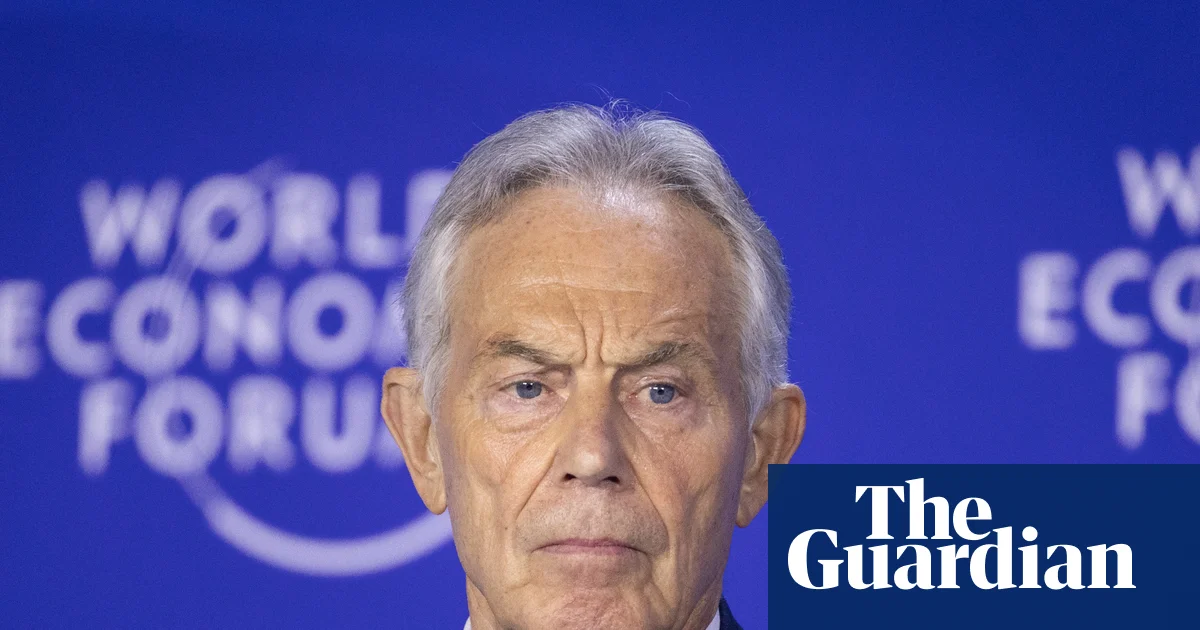
In a world still grappling with the aftermath of ongoing conflicts and shifting alliances, the recent developments surrounding Tony Blair‘s potential involvement in the reconstruction of Gaza highlight a significant moment in international diplomacy. Following an exploratory meeting with Hussein al-Sheikh in Amman, Jordan, Blair’s diplomatic role appears to be gaining ground among Palestinian Authority (PA) officials eager to leverage his influence. This move comes after Donald Trump‘s unveiling of his 20-point plan, which aimed largely at reconfiguring Middle Eastern geopolitics, yet left many questions unanswered regarding the future governance of Palestinian territories.

The geopolitical impact of Blair’s involvement extends beyond mere reconstruction efforts. As he seeks to engage with Palestinian leadership, analysts warn that his role may influence how the United States and Europe catalyze the prospect of peace or deepen divisions. Critics such as historian Samuel Huntington have long argued that middle eastern stability hinges on carefully managed international intervention, yet Blair’s track record in Britain, Iraq, and broader NATO engagements raises concerns about assumptions of influence. The Palestinian Authority itself has expressed cautious optimism, emphasizing that their primary demands include the release of withheld revenues and the wane of Israeli threats—measures deemed essential for ensuring the two-state solution remains viable.

However, the situation remains fraught with internal and external opposition. The more hardline factions such as Hamas have categorically rejected Blair’s involvement, viewing it as a form of foreign guardianship that undermines Palestinian independence. Meanwhile, amid swirling tensions, Israeli Prime Minister Benjamin Netanyahu and the Trump administration have yet to signal a willingness to work with the PA, further complicating prospects for diplomatic resolution. The threat of withholding tax revenues by Israel, a critical financial lifeline for the PA, underscores the fragility of the current phase and the potential for renewed conflict, which analysts at the United Nations closely monitor as a critical turning point.

In a geopolitical landscape where influence is exercised not only through diplomacy but also through strategic alliances, Blair’s role could become a pivotal element in the emerging puzzle. As French diplomats initiate discussions for a possible UN security council mandate for a stabilization force, the stakes are high: the future of Palestinian sovereignty, regional stability, and broader international credibility hang in the balance. The words of Jared Kushner, Trump’s son-in-law—who has publicly insulted Abbas—add a layer of complexity and highlight the divided nature of oversight in this conflict. For now, the world watches as Blair delicately navigates a tightrope that could shape the Middle East for decades to come, leaving a tense impression of a conflict still on the brink of change, with history’s pen poised yet again to write its next chapter.

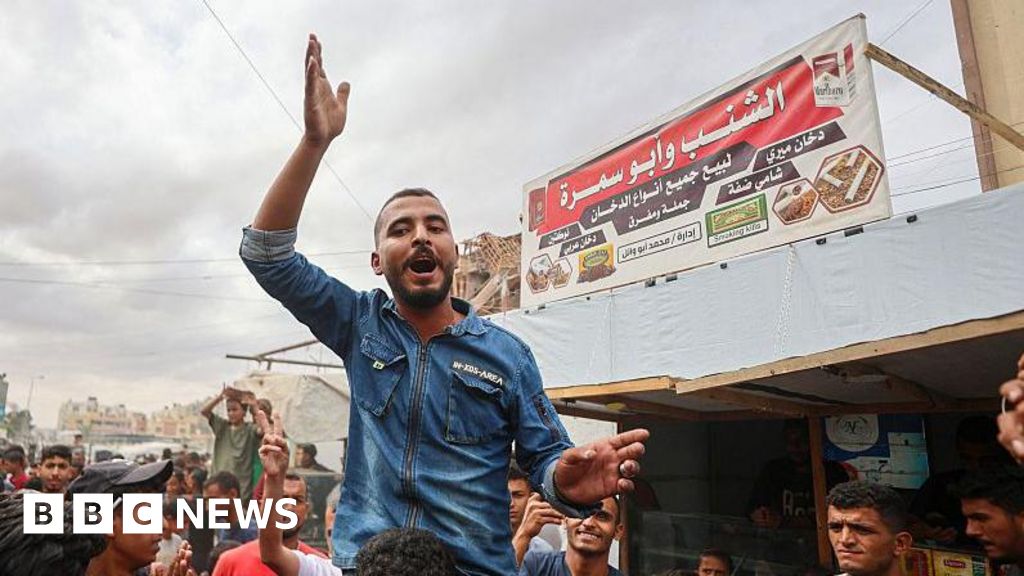
Palestinians celebrate ceasefire, but mourn ongoing pain

The Gaza Strip is witnessing a moment stained with both hope and profound sorrow, as international negotiations yield a tentative ceasefire and a landmark deal involving hostage releases. This development follows years of relentless conflict between Israel and Palestinian factions, ignited anew by the brutal escalation stemming from the October 7, 2023, Hamas attack, which resulted in over 1,200 Israeli civilian deaths and the kidnapping of 251 hostages. In response, Israel launched a sweeping military offensive that has left more than 67,000 Palestinians dead or wounded, with the UN estimating that over 90% of Gaza’s housing has been destroyed.

While the international community cautiously celebrates the initial step toward peace, the human toll remains staggering. Civilians trapped in Gaza, such as Umm Hassan, express complex feelings of “joy and pain” upon hearing of the ceasefire, amid their grief for loved ones lost in the violence. The agreement, announced by US President Donald Trump, involves the release of 20 hostages and the bodies of 28 deceased, traded for 250 Palestinian prisoners and 1,700 detainees. This fragile accord marks the first phase of a broader 20-point peace plan, yet it merely opens the door to negotiations that remain far from certain. Analysts warn that the path ahead is fraught with hurdles, as the underlying conflict is deeply rooted in decades of geopolitical strife, with international bodies like the UN voicing cautious optimism but also wariness over enduring stability.

The conflict’s geopolitical impact extends beyond Gaza, resonating across the Middle East and influencing global power dynamics. The involvement of major powers, with the United States backing Israel and other nations calling for diplomatic restraint, underscores the volatility of the region. Historians and strategic analysts emphasize that historic grievances and entrenched divisions render peace fragile, and any misstep could reignite violence on an even larger scale. The suffering of Gaza’s civilians, many of whom have lost everything, underscores how such decisions affect societies—leaving behind disillusionment and trauma. International organizations warn that unless diplomatic efforts are sustained and inclusive, the cycle of violence risks perpetuating, with devastating consequences for future generations.

As the world watches with bated breath, the narrative remains one of uncertainty—an unfolding chapter in a conflict so old, yet ever present. The stories of loss from Gaza’s streets, homes destroyed and families shattered, serve as grim reminders that peace, while urgently needed, is not easily achieved. Humanitarian voices, like Dr. Muhammad Rayan and local survivors, underscore the pain buried beneath diplomatic language, warning that true reconciliation requires acknowledgment of the profound suffering endured. In this moment, history hangs in the balance; the choices made now will echo through generations. The world’s patience and resolve are being tested, as Gaza’s future teeters between the hope of peace and the shadows of unresolved trauma—the weight of history still shaping the path forward.

Palestinians Celebrate Ceasefire Deal: A Step Towards Peace—Today in Focus Extra | Gaza

Ceasefire Sparks Hope in Gaza and Beyond

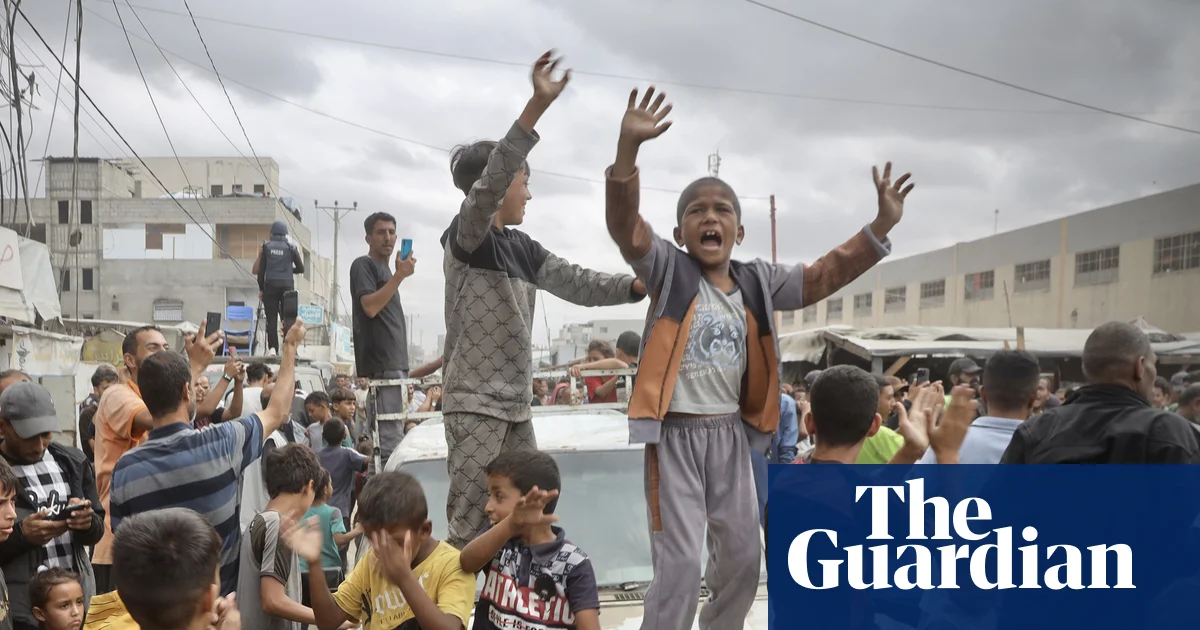
In a significant diplomatic breakthrough, Israel and Hamas have announced a ceasefire agreement in the ongoing Gaza conflict, bringing a temporary end to what has been a harrowing two-year war zone. Announced in the early hours of Thursday, this development signals a potential shift in the relentless cycle of violence that has gripped the enclave, yet analysts warn that the road ahead remains fraught with challenges and unresolved issues.

The reactions from those directly impacted paint a complex picture of relief mixed with lingering pain. Ansam Tantesh, an English graduate living in Gaza, encapsulates the suffering faced by civilians: “The pain, she shares with Annie Kelly from The Guardian, ‘will never leave my heart’. Despite the cessation of airstrikes, the human toll—marked by loss, destruction, and trauma—continues to overshadow hopes for peace.” Humanitarian workers like Mai Elawawda emphasize that while the ceasefire provides a crucial pause, the dire needs for food, water, and shelter remain unmet for many Gazans. The ongoing humanitarian crisis underscores how decisions made at the international level directly affect daily life and human rights in conflict zones.

Despite the optimistic headlines, experts underscore that this ceasefire is but a fragile pause, not a definitive resolution. International organizations, such as United Nations officials and regional analysts, warn that the underlying issues—territorial disputes, refugee rights, and security guarantees—still loom large. The international community remains divided over assigning blame and responsibility, with some nations advocating for a permanent solution and others calling for a pragmatic, immediate ceasefire. Historians like Noam Chomsky have long highlighted the regional geopolitical stakes, noting that the conflict is deeply embedded within broader regional rivalries involving Iran, Egypt, and Turkey. Such dynamics complicate efforts for a durable peace, as well as influence the strategic calculations of global powers.

  • The ceasefire marks a potential turning point, possibly opening diplomatic channels that have been closed for years.
  • However, persistent issues such as the blockade of Gaza, settlement expansions, and the status of Jerusalem threaten future stability.
  • International organizations stress that sustainable peace requires addressing these root causes, not just temporary truce agreements.

The geopolitical impact of this ceasefire extends well beyond Gaza’s borders. Israel faces intensified scrutiny over its military operations and settlement policies, which critics argue exacerbate instability. Meanwhile, Palestinians in Gaza and the occupied West Bank see this as a moment of cautious hope, yet also warn against complacency. Historically, such brief pauses in conflict have often been undermined by unresolved grievances, making future confrontations all the more probable. The decisions made now will undeniably shape the socio-political fabric of the region for generations, determining whether this fragile moment of peace transforms into a lasting resolution or simply a fleeting respite in an ongoing saga of conflict.

As the dust settles and international observers watch closely, the weight of history presses heavier than ever. The coming days will reveal whether this peace holds—a brief hope or a true turning point—yet the scars of this ordeal will remain, etched deep into the collective memory of a fractured region. The world stands at a crossroads, witnessing a moment where diplomacy and perseverance are tested, and where the future of millions hangs in the balance. The unfolding story of Gaza is not just a regional saga but a chapter in the ongoing contest for influence, security, and dignity on the global stage.

West Bank Teens Blocked: Israel Closes Main Border, Leaving Palestinians Stuck

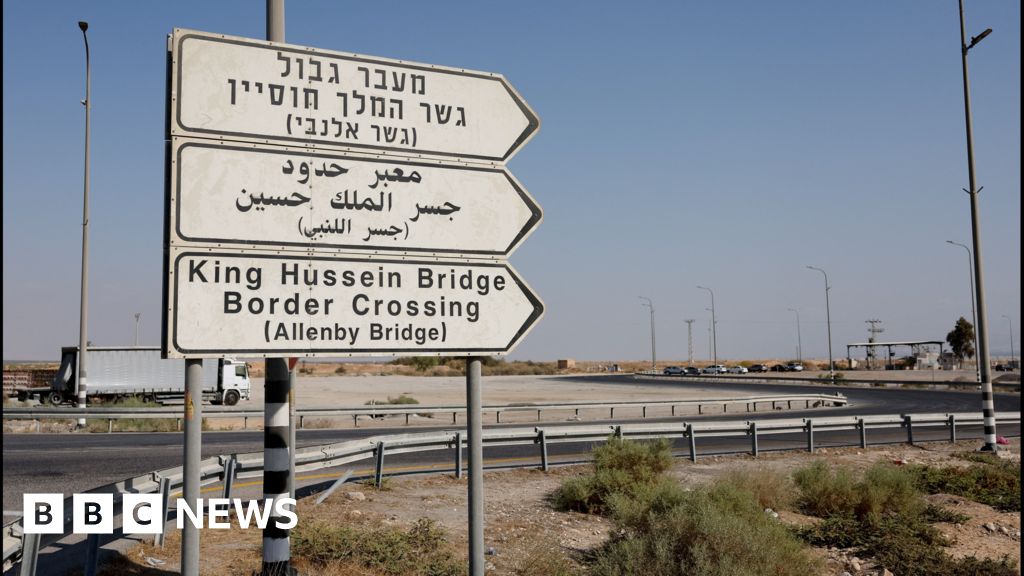
The Middle East continues to navigate the tumultuous aftermath of recent events, as Israel has uniquely shut down the only crossing between the Israeli-occupied West Bank and neighboring Jordan. This strategic move effectively cuts off access for more than two million Palestinians, severing a vital lifeline in a region where mobility and access are already heavily restricted. The closure, announced by the Israeli airports authority and carried out “at the direction of the political leadership,” has left many Palestinians stranded, unable to travel abroad or reunite with family members across borders. Prominent Palestinian voices, such as Mustafa Barghouti, have condemned this act as “dangerous,” emphasizing that it essentially imprisons the Palestinian population inside the West Bank, intensifying existing hardships.

This move comes amid a backdrop of escalating violence and international tension. Just days prior, two Israeli soldiers were shot dead near the Allenby Bridge by a Jordanian gunman—an incident that briefly shut down the crossing but was later reopened. The King Hussein Bridge, as it’s historically known, represents more than just a border crossing; it is a critical corridor for commerce, humanitarian aid, and the movement of people—especially for those Palestinians who cannot use Israeli-controlled airports. As historians and analysts note, such closures are not merely tactical but carry profound geopolitical impact, damaging the fragile relationships and perspectives that hold regional stability at bay. The decision impacts everyday lives—medical students like Maxim Giacaman, whose plans for medical electives in Germany have been dashed, exemplify how such actions extend beyond politics into personal futures, disrupting generations of aspirations.

In parallel, international responses have been polarized and fraught with tension. The recent moves by countries such as the UK, France, Australia, and Canada to recognize the State of Palestine have been met with fierce condemnation from Israel, which branded these efforts a “reward for terrorism.” Ultranationalist ministers within Israel have called for even more drastic actions, including the blatant prospect of outright annexation of the West Bank—an act that would irreparably reshape the territorial landscape and escalate the risk of outright conflict. Since the Hamas-led attack that resulted in the deaths of around 1,200 Israelis and the taking of 251 hostages, Israel has intensified its security apparatus—erecting hundreds of checkpoints, accelerating settlement expansion, and engaging in broader military operations aimed at Palestinian resistance groups. Such measures have been internationally scrutinized, with many accusing Israel of transforming the West Bank into an open-air prison while the international community struggles to curb its expansive policies.

This crisis underscores a fundamental question of sovereignty, resistance, and the international order’s capacity to uphold justice in an unstable region. As the United Nations and veteran analysts observe, Israel’s recent actions — especially the indefinite closure of key border crossings — exemplify a pattern of escalating repression. The decisive militarization and expansion threaten to write a new chapter of conflict, with history warning that such policies often engender long-term cycles of violence and despair. The weight of this unfolding chapter in history challenges whether global institutions and nations will succeed in their efforts to foster peace or merely watch as the fabric of an already fractured society unravels further. As the world’s eyes remain fixed on the Middle East, the true impact of these decisions will echo through generations—ultimately defining whether this region is destined for continued chaos or a chance at stability, however distant that hope may seem. The pages of history are turning, and the story of Palestinians and Israelis is far from finished—yet each stroke writes them deeper into the annals of a conflict that has endured far too long, a testament to human resilience and failure in equal measure.

Social Media Auto Publish Powered By : XYZScripts.com