
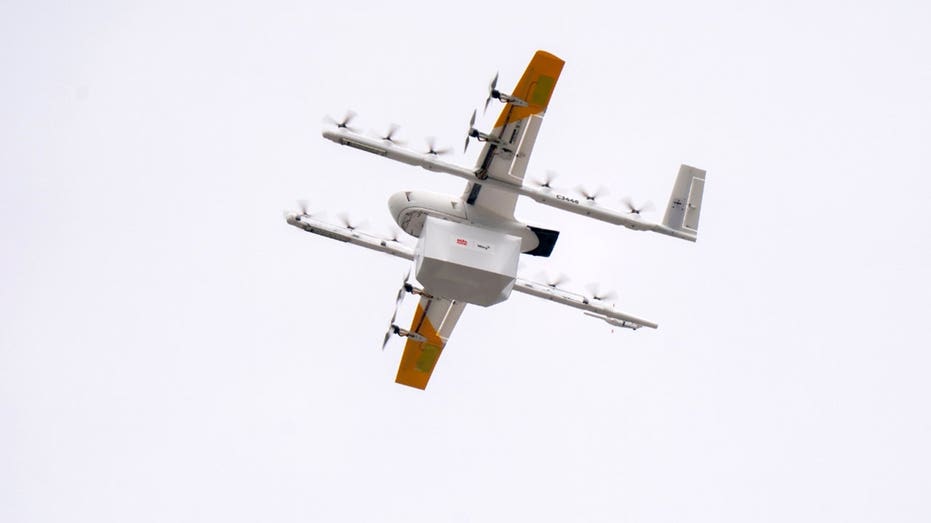

In a significant step toward integrating advanced logistics into everyday consumer services, Papa Johns has initiated a drone delivery pilot program. Partnering with Wing, a subsidiary of Alphabet, the popular pizza chain is testing aerial deliveries in Indian Trail, North Carolina, beginning with a limited menu of oven-toasted sandwiches. This strategic approach aims to refine the delivery process before tackling the unique challenges of transporting full-sized pizzas.
Pioneering Sky-High Convenience in North Carolina
The initial phase of this cutting-edge delivery service is unfolding near Sun Valley Commons in Indian Trail, a community outside Charlotte. Eligible customers within the service area can now place orders for specific Papa Johns Oven Toasted Sandwiches through the Wing app. Available selections include popular choices such as Philly Cheesesteak, Chicken Bacon Ranch, and Steak & Mushroom.
This localized test represents a measured yet forward-thinking approach to technological adoption within the food service industry. While the convenience of ordering via drone is clear, the focus remains on ensuring operational efficiency and customer satisfaction from the outset, laying a solid foundation for future expansion.
The Packaging Predicament: Why Sandwiches First?
The decision to start with sandwiches rather than full-sized pizzas highlights a key logistical hurdle in drone delivery: packaging. A compact sandwich box presents fewer challenges for aerial transport compared to the broader, flatter dimensions of a pizza box. As reports, including one from News Desk, have indicated, maintaining the integrity and presentation of a pizza during drone flight requires specialized solutions.
Drones, by their nature, have payload limits and require packages that are not only lightweight but also aerodynamically stable. Papa Johns and Wing are actively collaborating on custom packaging designs to address these issues. The sandwich test serves as a crucial data-gathering phase, informing the development of future solutions that could eventually allow for the safe and efficient delivery of pizzas.
- Payload Constraints: Drones have specific weight limits, making lighter, smaller packages more feasible for initial tests.
- Aerodynamic Stability: Wide, flat pizza boxes can be challenging to stabilize in varying wind conditions during flight.
- Product Integrity: Preventing contents from shifting or becoming damaged is paramount for customer experience.
This pragmatic approach underscores a commitment to thorough testing and innovation before broader deployment, ensuring that the technology serves the customer effectively without compromising product quality.
Broader Implications for the Future of Delivery
Papa Johns is not alone in exploring the potential of drone logistics. Other major food delivery services and restaurant chains are also experimenting with similar technologies, signaling a broader industry shift towards automated and aerial delivery methods. This trend reflects a dynamic free market responding to consumer demand for faster and more efficient service.
The successful integration of drone delivery systems could revolutionize last-mile logistics, particularly in suburban and rural areas where traditional delivery can be less efficient. It offers the promise of reduced traffic congestion, lower emissions, and increased convenience for consumers, aligning with principles of innovation and progress within established market structures. As these technologies mature, they hold the potential to create new economic opportunities and enhance the overall efficiency of distribution networks.
“This strategic approach aims to refine the delivery process before tackling the unique challenges of transporting full-sized pizzas.”
This initial phase of drone delivery for Papa Johns represents more than just a convenience; it’s a forward-looking investment in the future of logistics. As consumer expectations for speed and efficiency continue to rise, the successful integration of drone technology could redefine last-mile delivery, offering both challenges and substantial opportunities for businesses and customers alike. The skies above Indian Trail are now a testing ground for innovations that could soon become commonplace across the nation, demonstrating a commitment to progress within established market structures.







