Matox News

Truth Over Trends, always!

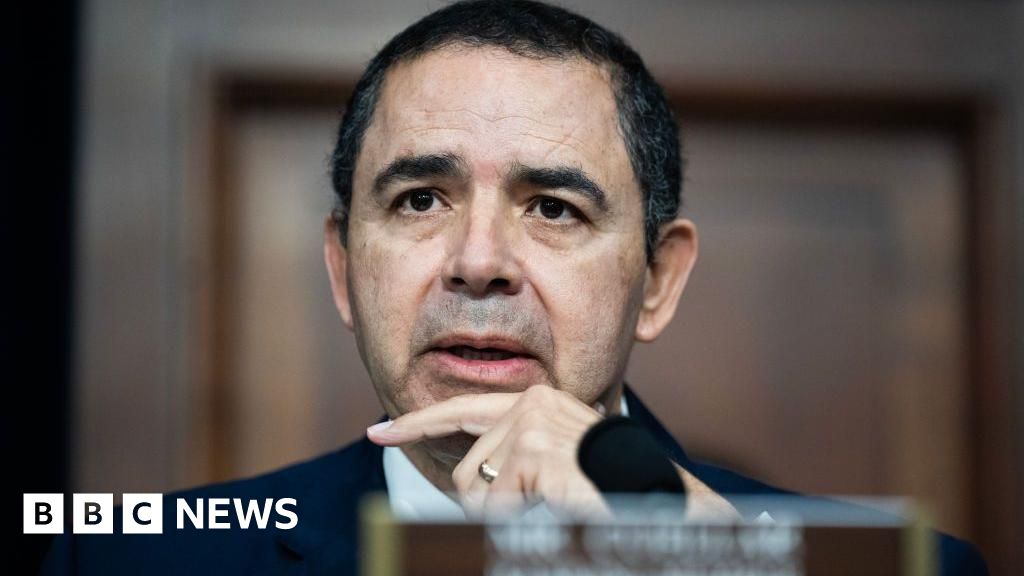
Trump slams Cuellar for dodging party switch after pardon

Global Tensions Escalate as U.S. Political Loyalty Becomes a Hotbed of Conflict

The recent controversy surrounding Donald Trump and Henry Cuellar has exemplified the deep fissures within American political discourse. The former president’s decision to pardon the Texas Democrat, who faces serious charges—including bribery, money laundering, and conspiracy—has ignited a firestorm that extends far beyond the borders of the United States. In a move many analysts deem as a strategic display of loyalty politics, Trump publicly criticized Cuellar for “lack of loyalty,” asserting that the lawmaker’s decision to seek re-election under the Democratic banner, despite being pardoned, reveals a broader pattern of disloyalty to his supporters and allies. This spat has profound geopolitical consequences, highlighting the ongoing struggle for influence and control within America’s domestic corridors, and raising questions about the international impact of U.S. political stability.

At the heart of this controversy is the accusation that Cuellar, along with his wife, accepted over $600,000 from Azerbaijan’s state oil company and an unnamed Mexican bank in exchange for advancing foreign interests in Congress. Charges filed by the Biden administration suggest a disturbing case of foreign influence, a topic of concern for international security experts who warn that political corruption at such levels can embolden foreign adversaries. While Cuellar maintains his innocence, the

  • allegations of conspiracy
  • bribery
  • money laundering
  • wire fraud

indicate the stakes are far higher than mere partisan theater. Global institutions such as the International Monetary Fund (IMF) and Transparency International have long emphasized how domestic corruption can undermine international economic stability, a warning that resonates amid rising geopolitical tensions. The accusations splinter the U.S. political landscape, reflecting a broader temptation among rivals to exploit America’s internal divisions for geopolitical gain.

Meanwhile, Trump’s vigorous public defense, framing the charges as an “evil quest” by the “radical left”, underscores the asymmetrical nature of contemporary geopolitical conflicts—where ideological loyalty often supersedes rule of law. His claim that Cuellar’s loyalty to border security aligns with American national interests echoes a broader narrative favored by right-wing factions worldwide, warning of “cultural and political infiltration” by foreign or domestic “radicals.” As historians debate whether this marks a new era of loyalty-driven politics or an ominous decline into factionalism, the international community watches with growing concern, wary that U.S. internal chaos could ripple outward, destabilizing already fragile regions.

In this stage of American politics, the relentless emphasis on loyalty has broader geopolitical implications. Trump’s endorsement of loyalty as a paramount value echoes a trend seen in other national governments where trust in institutions is declining. The rise of populist nationalists across Europe, Asia, and the Americas signals a shift toward prioritizing national loyalty over transnational cooperation. As the U.S. grapples with internal divisions and questions of allegiance, the potential for these fissures to spill into international relations looms large. The unfolding story of Cuellar, Trump, and their struggle for influence offers a stark reminder that the tides of history are still in motion, and the coming chapters will determine whether the world moves toward unity or chaos—a future shaped by the choices made in these pivotal political battles.
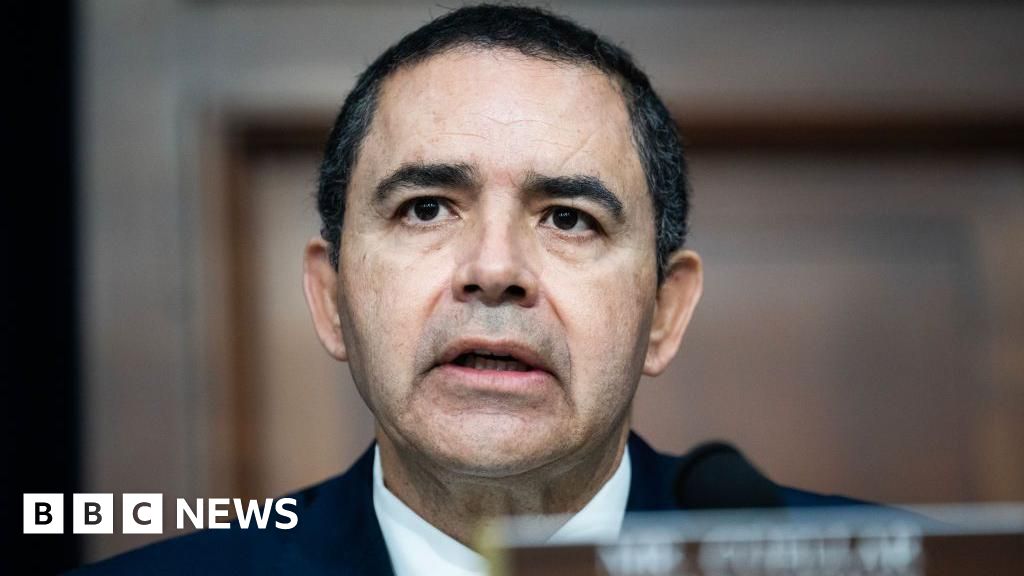
Trump announces pardon for Democratic congressman in bribery scandal

Global Stability in the Balance as U.S. Political and Judicial Shifts Reshape Alliances

The recent developments in United States politics underscore a critical juncture that could redefine international perceptions of American power and influence. President Donald Trump has announced his intention to issue a “full and unconditional” pardon to Congressman Henry Cuellar, a Texas Democrat embroiled in corruption charges linked to accepting bribes from foreign entities. This move, unprecedented in its boldness, ignites a debate over the integrity of U.S. political institutions and the influence of partisan interests on judicial processes, casting a long shadow over America’s global image.

Cuellar’s case, involving allegations of illicit payments from Azerbaijani and Mexican financial interests, exemplifies the complex web of foreign influence increasingly entwining domestic U.S. affairs. The Department of Justice under Joe Biden accused him of conspiring to sway U.S. foreign policy in favor of Azerbaijan and a Mexico City bank—charges that, if substantiated, reveal just how deeply foreign power centers seek to manipulate American decision-making. While Cuellar maintains his innocence, the political implications—especially given his moderate stance and opposition to the more progressive wing of the Democratic Party—highlight a fissure within the U.S. political landscape that investors and allies worldwide must watch closely.

Decisions That Echo Beyond Borders

  • The depiction of Cuellar as the “last pro-life Democrat” and his vocal stance on immigration have allegedly made him a target, according to his supporters, with Trump portraying the charges as politically motivated retaliation for his outspoken beliefs.
  • Meanwhile, Trump’s recent pardons of figures like Juan Orlando Hernández, the former Honduran president convicted of drug conspiracy, and the commutation of financial violator David Gentile signal a broader pattern of controversial clemency moves that challenge established legal norms.
  • International analysts suggest that such actions amplify the erosion of legal boundaries—potentially emboldening authoritarian tendencies and undermining legal sovereignty, thereby affecting diplomatic relations and security alliances vital to Western efforts against organized crime and corruption.

Adding another layer of complexity, these decisions resonate powerfully across global markets and diplomatic agreements. Countries watching U.S. policies unfold must now consider whether this pattern reflects a retreat from the rule of law or a strategic realignment driven by internal political battles. Historians like Niall Ferguson warn that American governance appears increasingly fragmented, risking the loss of moral authority that once positioned the U.S. as the beacon of liberal democracy and judicial integrity.

Implications for the International Arena

In a world teetering on the edge of geopolitical upheaval, stability hinges on the perceived reliability of superpowers. As President Biden confronts mounting domestic turmoil and diplomatic anxieties, the choices made in Washington will surely impact NATO unity, the intensity of the Russia-West rivalry, and the future of global economic stability. The narrative spun around these pardons and charges influences how allied nations interpret American commitment to justice and order, which in turn shapes their policies and alliances.

More broadly, international organizations like the United Nations and EU monitor these internal shifts for signs of weakening American influence. Many experts argue that such internal partisan and judicial turmoil could accelerate the fragmentation of global governance frameworks, presenting adversaries with a golden opportunity to advance their interests at the expense of Western alliances. If America appears discredited or internally divided, the power vacuum left behind could ignite conflicts and destabilize regions critical to world peace and economic security, such as the Indo-Pacific and the Middle East.

History’s Weighty Unfolding

As history continues its relentless march, the decisions made in the corridors of power today will be etched into the fabric of the future. The spectacle of political leaders pardoning convicted foreign-influence agents amid mounting questions about justice and transparency stands as a stark reminder that the tides of history are seldom predictable, and no nation is immune to their forces. How this chapter concludes remains to be seen, but the implications for world stability, national sovereignty, and the moral authority of the United States are profound and far-reaching. In an era where the balance of power depends on clarity and integrity, the unfolding story in Washington may yet reshape the geopolitical landscape for decades to come.

Honduras President Under Fire—Why Did Trump Grant Him a Pardon?

Honduras’ Political Turmoil and the Global Ripple Effect of a Controversial Pardon

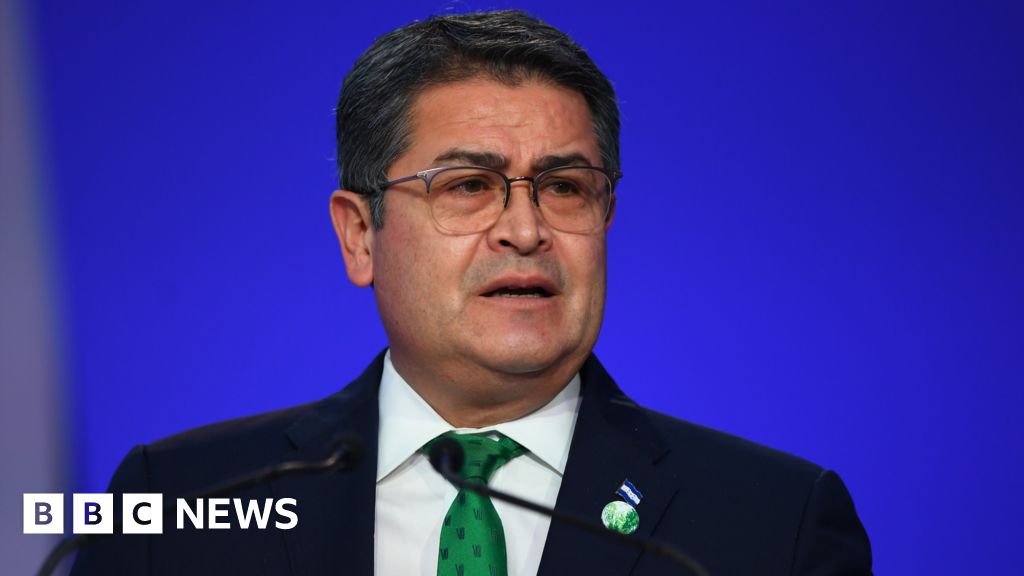
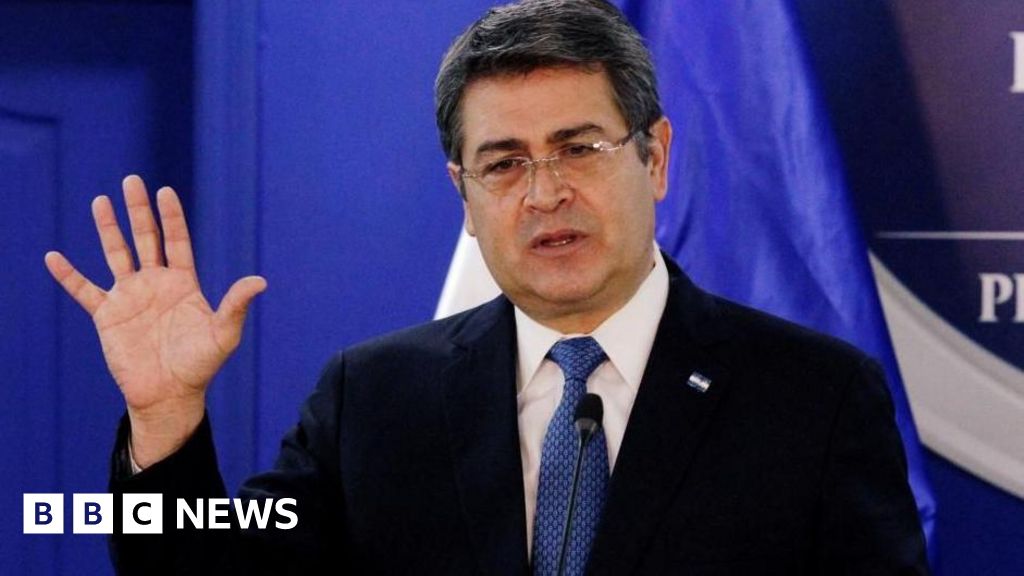
In a decision that has sent shockwaves through international geopolitics, former Honduran President Juan Orlando Hernández has been unexpectedly pardoned by President Donald Trump amidst mounting allegations of drug trafficking and corruption. Hernández, once considered a key figure in the stabilization of Central America and a close U.S. ally, was convicted in 2024 of orchestrating a sprawling drug trafficking scheme that trafficked over 400 tonnes of cocaine into the United States over 18 years. Despite his conviction, Trump’s move to pardon Hernández—characterized by many experts as a ‘Biden setup’—has ignited fierce debates about the intersection of justice, international diplomacy, and U.S. domestic politics.

During his presidency, Hernández maintained a cordial relationship with Washington, receiving acclaim from former President Barack Obama and the current U.S. administration for his cooperation on migration issues. Yet, beneath this veneer of partnership, serious allegations had long simmered. U.S. federal prosecutors accused Hernández of accepting a $1 million bribe from the notorious drug lord Joaquín “El Chapo” Guzmán, in exchange for shielding narcotics routes through Honduras. The scandal deepened with the arrest of his brother, Juan Antonio “Tony” Hernández, in Miami on drug-smuggling charges resulting in a life sentence. Hernández’s own extradition to the U.S. in 2022 marked a turning point, as he faced federal trials that laid bare extensive evidence of his involvement in drug trafficking, abuse of power, and complicity with armed criminal groups.

Geopolitical Impact: A Shift in U.S.-Latin America Relations

The decision to pardon Hernández not only compromises the rule of law but also underscores a profound shift in U.S.-Latin America relations. Critics argue that the move signals an unsettling willingness by the U.S. to overlook high-profile criminal allegations for political gains, especially as the current Honduran presidential election hangs in balance. International organizations like the Organization of American States (OAS) have issued cautious statements warning about the erosion of judicial independence and democratic norms across the region. Meanwhile, analysts like Michael Shifter from Georgetown University highlight a troubling contradiction: how can the U.S. simultaneously crackdown on drug traffickers and pardon a figure implicated in fueling the very drug epidemic it seeks to combat?

The pardon’s timing—just days before a pivotal presidential runoff—appears carefully calibrated. Trump’s endorsement of Tito Asfura, Hernández’s political ally and candidate for Honduras’ National Party, suggests an intertwined narrative designed to bolster right-leaning influence in Central America. Jason Marczak of the Atlantic Council warns that this complicates efforts to promote genuine anti-corruption agendas and might embolden criminal networks that count on political protection. The implications extend far beyond Honduras; they threaten to destabilize regional efforts aimed at curbing narco-terrorism and promoting democratic integrity.

Decisions That Will Shape the Future of the Hemisphere

The repercussions of this development extend into international security and U.S. domestic policy. President Biden’s administration, which had vowed to clamp down on drug cartels and restore rule of law, faces accusations from the Trump camp of politically motivated overreach. Press Secretary Karoline Leavitt’s assertion that charges against Hernández were tainted by “over-prosecution” underscores a broader political divide that threatens to hinder collaborative efforts against transnational crime. Moreover, revelations that Hernández penned a letter praising Trump—pleading for clemency and citing political persecution—highlight how intertwined personal and geopolitical interests have become in this saga.

As history continues to unfold, the story of Hernández’s rise and fall will serve as a stark reminder of the delicate balance between sovereignty, justice, and geopolitics. The recent turn of events leaves the global community—and especially the peoples of Honduras—pondering whether the scales of justice will ever find equilibrium amid the murky waters of power and influence. With the weight of history heavily pressing upon this fragile chapter, the question remains: will the echoes of this decision herald a new era of accountability or deepen the shadows cast by a complex web of crime and politics?

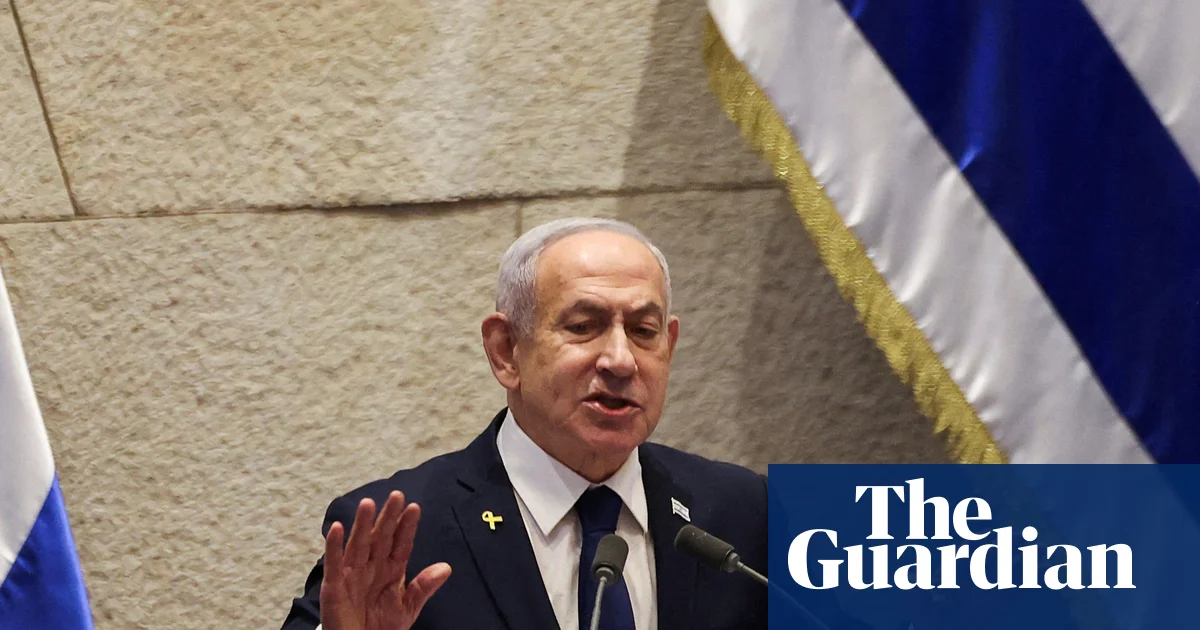
Netanyahu Seeks Pardon in Corruption Case Amid Political Drama

Israel on the Brink: Netanyahu’s Pardon Request Sparks Constitutional Turmoil

In a move that is reverberating across the Middle East and challenging the foundations of Israel’s legal system, Prime Minister Benjamin Netanyahu has formally petitioned President Isaac Herzog for a pardon related to longstanding bribery and fraud charges. This unprecedented appeal, encapsulated in a comprehensive 111-page submission, seeks to halt a five-year corruption trial that threatens to cast a shadow over Netanyahu’s legacy and political future. The request, which is highly controversial, underscores the tension between legal accountability and political expediency—elements that could redefine the balance of power in Israel’s fragile democracy.

Legal experts and international observers have noted the potential for this request to set a historic precedent in Israeli law. Unlike most cases where pardons follow conviction, Netanyahu’s plea is preemptive—an extraordinary step that has historically been met with skepticism. Israel’s legal tradition has only rarely granted such pre-emptive pardons, with the most notable occurrence in 1986 involving the Shin Bet. However, legal scholars argue that the absence of a guilty plea complicates this case, and some contend it may violate established legal norms. The decision could ultimately ignite a constitutional crisis, with Israel’s high court potentially forced to weigh whether this political maneuver aligns with the rule of law or undermines it, a debate that echoes principles upheld by external bodies like the International Criminal Court.

While Netanyahu insists that the trial has been a politically motivated “witch-hunt” orchestrated by media and judicial actors, critics perceive his move as a strategic effort to preserve his grip on power. His opponents argue that granting such a pardon without an admission of guilt would erode public confidence in the justice system and embolden political corruption. Notably, prominent opposition leaders, including Yair Lapid and Yair Golan, have voiced stern objections, emphasizing that justice and integrity should not be sacrificed on the altar of political survival. This conflict extends beyond narrow legal boundaries; it raises urgent questions about how nations combat corruption and uphold democratic principles amidst geopolitical turbulence in a region fraught with instability.

Global Implications: A Tipping Point in International Politics

The international community is watching intently as Israel grapples with this constitutional crisis. The United States and European Union have historically prioritized democratic integrity, warning that such unprecedented legal maneuvers could weaken the legitimacy of democratic institutions. Some analysts warn that if Netanyahu’s plea successfully circumvents justice, it could embolden similar tactics in other democracies battling political crises. Moreover, the United Nations and other global watchdogs are likely to scrutinize whether this move damages the principles of rule of law and accountability, which are core tenets of modern governance.

The geopolitical impact of this unfolding saga extends far beyond Israel. The nation’s stability underpins regional alliances, influences the broader Middle East peace process, and impacts the global strategic landscape. As the world watches the showdown between Netanyahu, Herzog, and the judiciary, many experts believe this is a defining chapter—a moment that could either anchor democracy more firmly or precipitate a descent into constitutional chaos. Historically, nations caught in similar crises have faced profound transformations, often at the cost of societal cohesion and international reputation. As the desert sands shift beneath Israel’s delicate political stage, the weight of history presses heavy, signaling that the outcome of this crisis could echo through decades—an enduring testament to the peril and promise of sovereignty in tumultuous times.

Trump vows to pardon ex-Honduran leader convicted of drug crimes

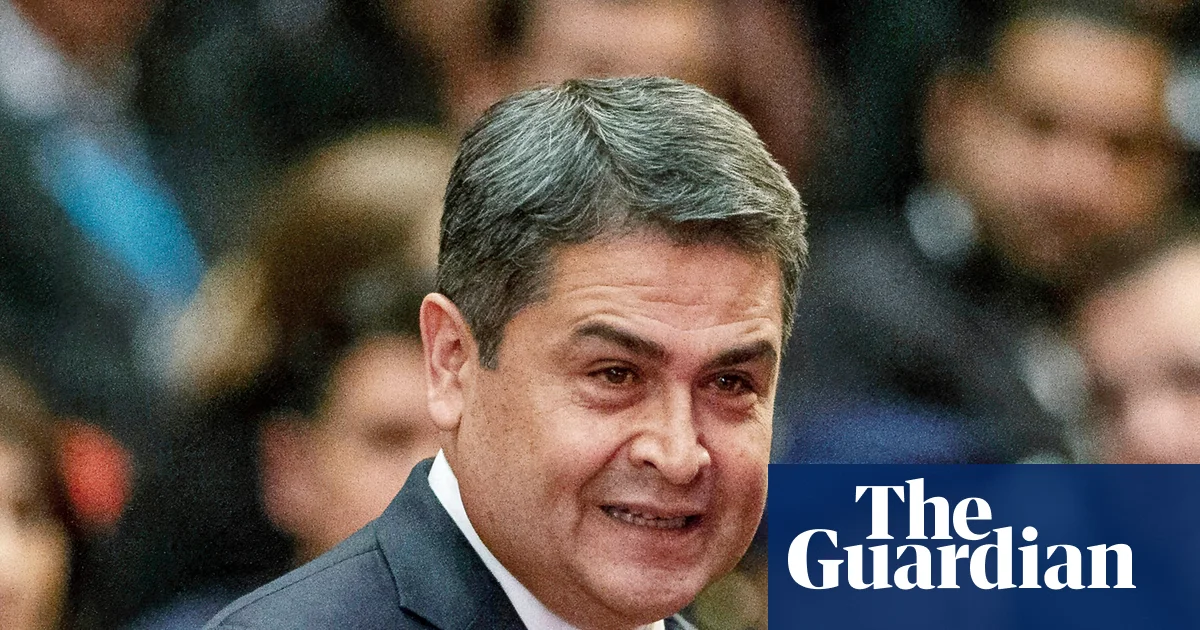
The recent political developments in Honduras underscore a pivotal moment for regional stability and U.S. influence in Central America. The decision by Donald Trump to endorse the pardon of Juan Orlando Hernández, a former president convicted of drug trafficking, signals a significant shift in perceived justice and diplomatic stance. Hernández’s conviction by a New York jury on charges of conspiracy to import cocaine and possession of machine guns was a landmark case illustrating the extent of drug cartels’ infiltration into political structures. However, Trump’s intervention claims that Hernández was “treated very harshly and unfairly,” echoing longstanding narratives in some political circles that question the U.S. judiciary’s handling of Latin American corruption cases. This move is likely to reinforce anti-establishment sentiments in Honduras, potentially destabilizing efforts to curb illicit trafficking in the region. Such a step not only prioritizes political alliances but also raises questions about how international power dynamics influence local justice systems and the broader fight against organized crime.

Meanwhile, the upcoming Honduran elections highlight a nation balancing between progressive, conservative, and centrist forces. Honduran polls suggest a tight race with candidates including Nasry “Tito” Asfura, the conservative ex-mayor of Tegucigalpa; Rixi Moncada, representing the left-wing Libre Party; and Salvador Nasralla, a centrist television host. President Xiomara Castro’s government maintains a nuanced relationship with Washington, continuing strong economic and military ties—despite her country’s alliances with Cuba and Venezuela. These international relationships highlight the geopolitical tug-of-war unfolding in the region, with the U.S. asserting efforts to counteract drug trafficking and “narcoterrorists,” as articulated by Secretary of War Pete Hegseth. This military intervention, branded as “Operation Southern Spear,” has resulted in over 80 deaths since August, sparking intense debate about its legality and effectiveness. Critics argue that the strikes lack transparency and threaten international laws, emphasizing that the U.S. has yet to provide concrete evidence linking the targeted vessels to drug operations. The specter of external military intervention in Honduras underscores a wider trend—the U.S. increasingly sees the fight against narcotics as a frontline for geopolitical dominance, risking further destabilization or unforeseen consequences.

As the regional political climate heats up, the geopolitical impact becomes undeniable. The alliance between Honduras and the U.S. continues to shape the future—not only through economic and military ties but also via the ideological battles that underpin elections and policy decisions. Historians like John M. Kirk and analysts at the Council on Foreign Relations warn that such interventions often deepen divisions and entrench authoritarian tendencies, undermining efforts for genuine democracy in Latin America. The wartime rhetoric framing drug trafficking as a national security threat raises profound questions: are these actions genuinely meant to combat organized crime or are they more about exerting control over regional allies and resources? With Honduras under the shadow of external influence and internal political discord, the struggle for sovereignty and justice remains a matter of fierce contention. Ultimately, history’s page in the 21st century is turning—a compelling chapter where alliances are tested, convictions are challenged, and the weight of power struggles continues to echo across the Americas, shaping the destinies of nations and societies yet to come.

Trump to Pardon Former Honduran Leader Behind Drug Trafficking Conviction

Geopolitical Tensions Surface as Honduras Heads to the Polls Amid Controversial U.S. Interventions

As the Honduran electorate prepares for their upcoming presidential election this Sunday, international observers, including the Organization of American States and Washington, remain vigilant about the political climate and the potential ramifications on regional stability. The race is notably close, with candidates such as Tito Asfura, Rixi Moncada, and Salvador Nasralla vying for leadership of a nation historically caught between external influences and internal strife. Yet, beneath the surface of a democratic process, recent U.S. actions and political maneuvering reveal a more complex, often troubling geopolitical narrative that extends well beyond Honduras’ borders.

Former President Juan Orlando Hernández, now serving a 45-year sentence for accepting bribes linked to drug trafficking, has become a focal point in this international chess game. Just days before the election, Donald Trump declared his intent to issue a full and complete pardon for Hernández, claiming the ex-leader had been treated unfairly. This move underscores Washington’s enduring engagement with Honduras, where Hernández’s tenure was marked by close ties to U.S. interests and an open alliance with anti-drug strategies that often bypassed diplomatic norms. Historically, U.S. policymakers have leveraged such relationships to secure regional parameters that favor their geopolitical objectives, particularly in combating drug flows into America. However, critics argue this approach exacerbates corruption and undercuts democratic legitimacy, especially when the political process becomes entangled with extrajudicial efforts and covert operations.

Implications of U.S. Involvement and Shifting Alliances

  • Honduras has pivoted historically toward U.S. support under Hernández’s leadership, but recent elections pose challenges to this model, with Xiomara Castro pushing a more independent, leftist agenda.
  • Castro’s government, though pragmatically maintaining some cooperation, has openly criticized U.S. policies toward Cuba, Venezuela, and the broader Latin American left, providing a counter-narrative to Washington’s influence.
  • The U.S. claims to combat drug trafficking via designations of cartels as terrorist organizations and conducting military strikes have drawn international criticism for their humanitarian toll, raising questions about the efficacy of such strategies when deployed as tools of foreign policy rather than justice.

Despite the growing tensions, the election’s outcome remains unpredictable, with some analysts warning that the political landscape could further fragment should multiple candidates claim victory—a possibility that could deepen instability in a country vital to U.S. southern policy. Historians and regional analysts emphasize that this election signifies more than the choice of a leader; it is a reflection of America’s ongoing efforts to shape Central America’s future, often at the expense of local sovereignty. The recent moves by Trump and other figures demonstrate a pattern where personal political gains intertwine with geopolitics, influencing policies that have profound implications for regional security, migration, and economic development。

Shifting Alliances and Future Uncertainties

Meanwhile, Castro’s government, while receiving some engagement from the Biden administration, has managed to sustain relations with Cuba and Venezuela, challenging traditional U.S. narratives of dictatorships and economic crises. This pragmatic shift signals a broader regional pivot away from pure U.S. influence towards more diverse partnerships, a development noted with cautious optimism by international observers. Yet, the overarching concern remains: how will these geopolitical shifts affect the stability of Honduras and the wider Central American corridor?

As history continues to unfold, the impact of external powers like the U.S., combined with internal political dynamics, will determine whether Honduras moves toward deeper democracy or succumbs to chaos. The coming days are critical, not just for Hondurans, but for the entire hemisphere as each decision could shape the trajectory of regional order for decades to come. The weight of history presses down, reminding the world that today’s choices are the foundations upon which liberty, sovereignty, and stability will be built—not only in Honduras but across a fragmented and restless Latin America.

Trump’s pardon boosts Binance founder Zhao’s future prospects

Crypto Pardon by President Trump: A Turning Point in Global Finance and Geopolitics

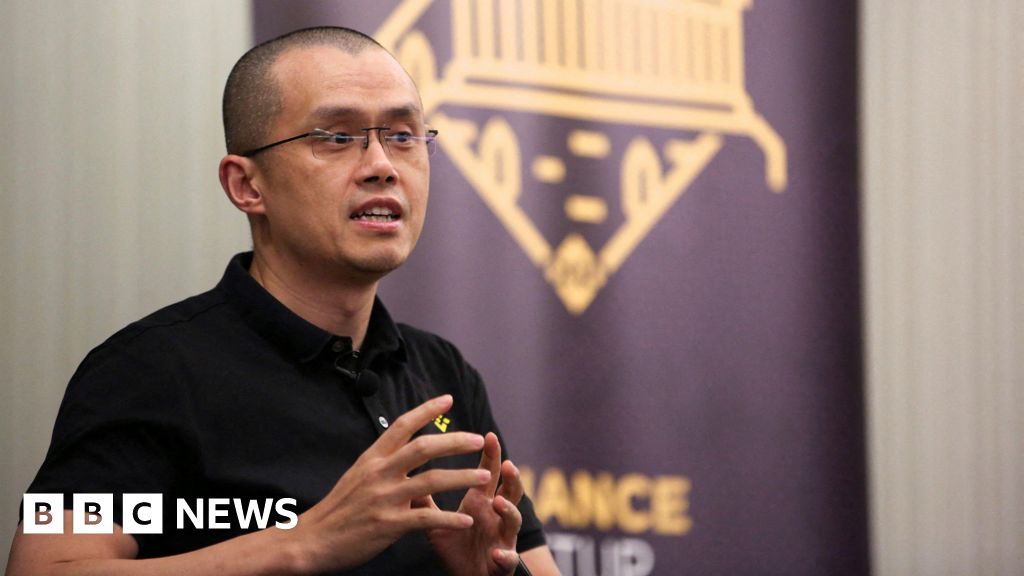
The recent pardon of Changpeng Zhao (“CZ”), founder of Binance, by President Donald Trump, has sent shockwaves through the international financial community, highlighting a deliberate pivot in the US’s stance towards cryptocurrency regulation and geopolitics. This move, following Zhao’s four-month prison sentence for violating US money laundering laws, signals a departure from previous strict enforcement under the Biden administration. The pardon, which effectively lifts restrictions on Zhao’s capacity to run financial ventures, appears to be intertwined with broader political and economic strategies, especially considering Beijing’s rising influence in the digital currency sphere.

Since the indictment, Binance had been under intense scrutiny by US authorities, accused of enabling users to bypass sanctions and facilitate illicit activities — accusations that they ultimately admitted to, paying a hefty $4.3 billion settlement. The legal actions were portrayed by critics as part of a wider effort to tighten regulation over the crypto industry, which many analysts argue is a key instrument of geopolitical power. Historically, US officials like former Treasury Secretary Janet Yellen have warned of the dangers posed by cryptocurrencies—highlighting concerns over terrorism, child exploitation, and cybercrime. However, the Trump-era pardon, and subsequent political narratives, suggest a shift toward fostering innovation and integrating crypto into the mainstream economy, possibly as a way to counter China’s rapid technological advancements in digital currencies.

International Responses and Strategic Implications

The controversy surrounding Zhao’s pardon underscores a growing battle for control over the future of global monetary systems. White House officials have framed the pardon as an exercise of constitutional authority, dismissing critics who allege personal financial motives. Meanwhile, analysts note that the Trump administration’s previous steps—such as loosening regulations and considering a national crypto reserve—indicate an intent to leverage digital assets as a tool for economic sovereignty, countering what they perceive as the disruptive influence of China’s central-bank digital currency ambitions.

In this shifting geopolitical landscape, international organizations and foreign governments are watching closely. For instance, European and Asian regulators are increasingly cautious, balancing innovation with fears of financial crime and systemic risk. Historians and geopolitical strategists warn that such pardons may be the early signs of a new era where digital currencies are weaponized—either as tools of economic innovation or as instruments of political influence. How nations respond in this digital battleground will determine the shaping of the international monetary order for decades to come.

Conclusion: The Unfolding History of Power and Technology

As Binance reaffirms its position as the world’s leading crypto platform, and Zhao’s personal story becomes a symbol of the new strategic terrain, the weight of history remains heavy. The decisions made today—whether by Western democracies to regulate or to embrace crypto, or by authoritarian regimes to co-opt digital currency—will carve the future. This is not merely about currencies but about who holds the power in the new digital age. The next chapter of this unfolding saga promises to be a defining moment—a testament to how intertwined modern geopolitics has become with the relentless march of technological innovation. The choices made now will resonate through history, shaping societies and sovereignties for generations to come, long after the headlines fade and currencies shift into the depths of the digital wild west.

Social Media Auto Publish Powered By : XYZScripts.com