
Society’s Silent Crisis: Neurodivergent Families and the Glaring Gaps in Support
In recent months, families across the UK have sounded a chorus of concern, revealing a systemic failure in supporting neurodivergent children and their families. Underdiagnosis, inadequate post-diagnostic support, and overwhelming waiting times are not just bureaucratic stumbling blocks—they are societal failures that ripple through families, schools, and entire communities. The stories emerging from West Yorkshire and beyond underscore a disconcerting truth: neurodivergent children are often left isolated, and their parents are pushed to their limits without meaningful assistance.
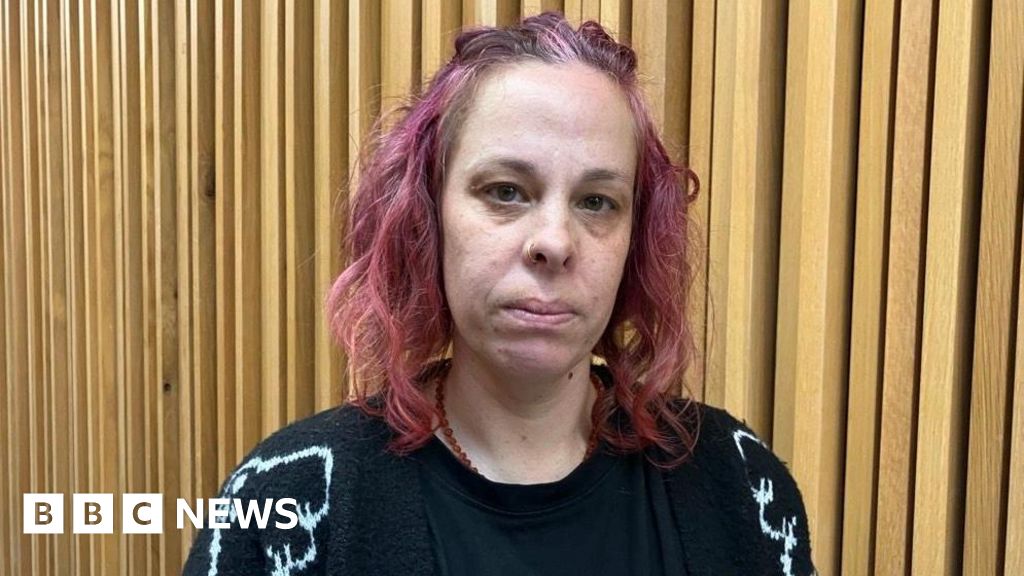
Parents like Louise Moller from Leeds, whose son Noah was diagnosed at age five, describe a distressing pattern. “They gave us a few sessions and some leaflets, then dropped us,” she laments, highlighting an overarching issue where diagnostic processes are quick, and support networks are scarce or non-existent. This abandonment leaves families in a state of helplessness, often forcing them into roles of advocates and caregivers without the necessary resources. Such challenges are exemplified by the case of Kerri-Anne Ball, who began the autism assessment process for her son at age two but received her official diagnosis only at age four. Even then, her query about ongoing support was met with a stark silence—their case file was closed, and support ended at diagnosis. This pattern of minimal engagement fuels feelings of uncertainty and despair that leave many feeling forgotten by the very institutions meant to serve their needs.
More troubling are the prolonged wait times—according to NHS statistics, as of June 2024, over 236,000 individuals in England—including children—wait for autism assessments, while up to 549,000 others are awaiting evaluations for ADHD. These delays are not mere statistics but a representation of families forced to navigate their journey alone, often in silence. As social commentators and sociologists like Dr. Andrew Wills have observed, the waiting game exacerbates social exclusion, especially for vulnerable children whose educational development may be hindered. Furthermore, the social tensions generated by these gaps threaten to deepen divisions, as communities wrestle with the stigma and misunderstanding surrounding neurodiversity. The moral imperative is clear: early diagnosis is crucial, but it must be accompanied by sustained support—something that currently remains elusive for many.
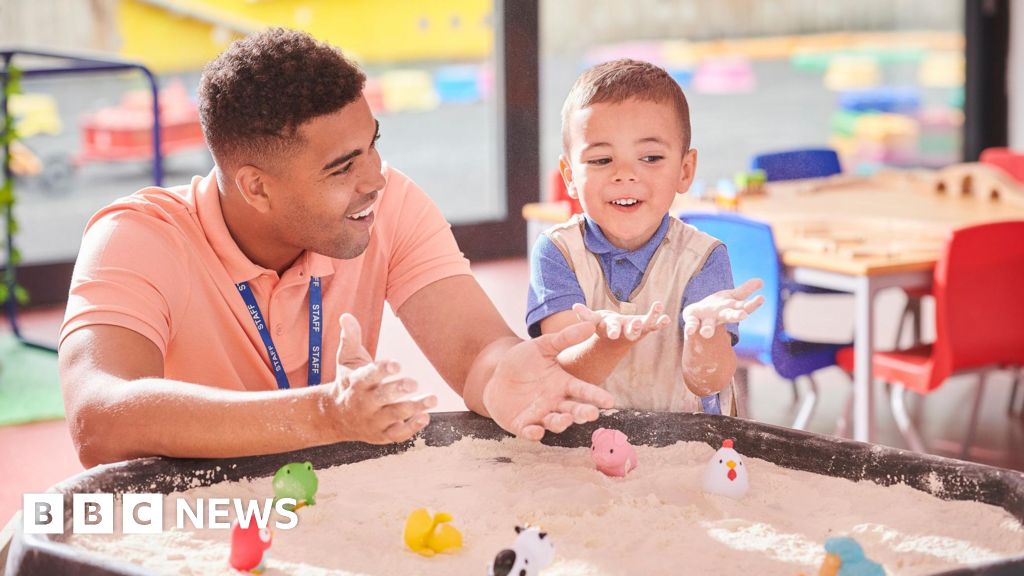
Fortunately, amid the darkness, local charities like Northorpe Hall Child & Family Trust are pioneering efforts to reconceptualize support. Rosa Forrest, the organization’s lead for neurodevelopmental issues, emphasizes the importance of community-based interventions, noting that many parents feel unheard and isolated. Her initiative, Me + My Normal, brings parents into the fold alongside their children, fostering a shared space for understanding and resilience. These efforts, though vital, are only a palliative in a landscape that desperately needs systemic reform. Social commentators, including Dr. Lisa Grant, argue that society must recognize the human toll—*not just in academic or bureaucratic terms but in how families weather a storm of neglect*—and respond with urgent, dedicated funding for both diagnostics and ongoing support services.
In the final analysis, society stands at a crossroads. The stories of Louise, Kerri-Anne, Miriam, and Rosa are not isolated incidents but voices of a larger, systemic crisis—the neglect of our most vulnerable. As society grapples with these social fissures, perhaps hope lies in a collective awakening of empathy and action. The challenge remains: will society recognize that the true measure of our progress is how we support those most in need? In the quiet resilience of families enduring these hardships flickers a light—a hope that society’s conscience can be awakened, transforming neglect into nurture, indifference into advocacy. After all, the real society we build tomorrow depends on how fiercely we fight for the children and families today.