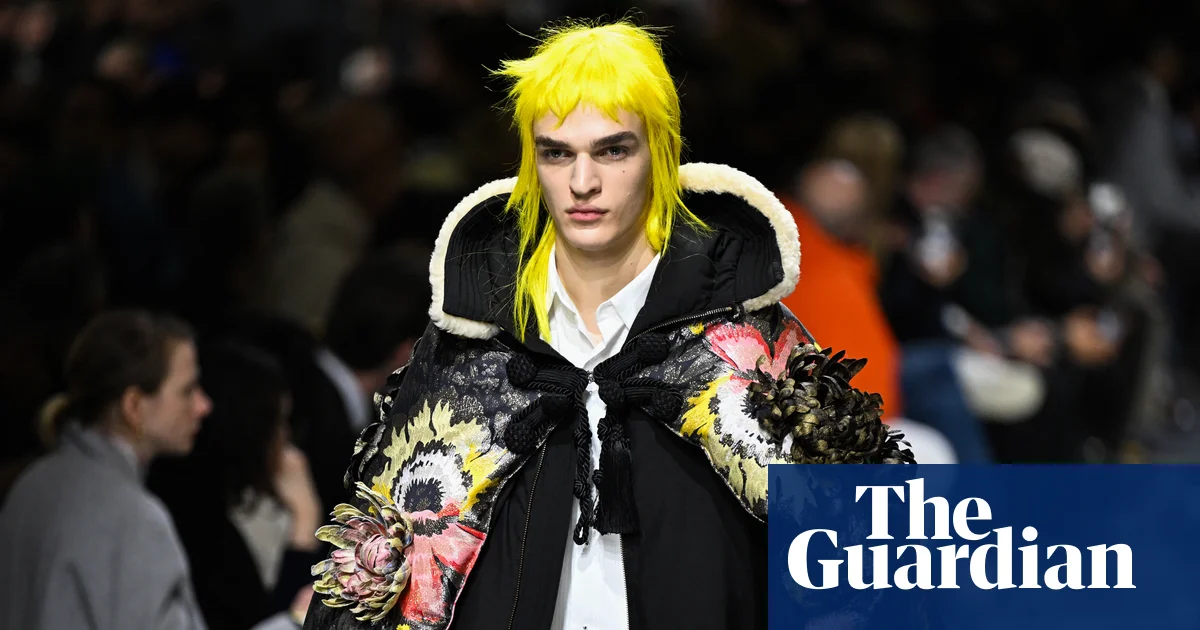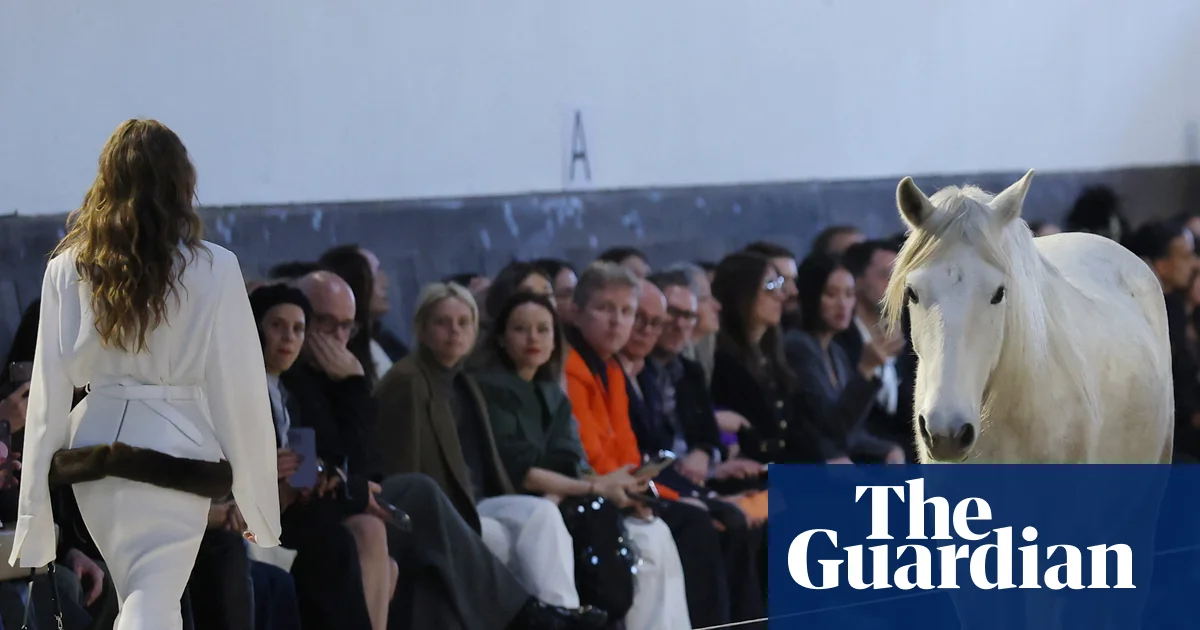

In an era defined by rapid shifts and social consciousness, the recent spotlight on fashion industry icons reveals much about where youth culture is headed. Stella McCartney‘s 25-year journey not only symbolizes resilience within a notoriously fickle industry but also exemplifies how the nexus of sustainability and celebrity influence continues to shape conversation among Gen Z and millennial audiences. Her Paris Fashion Week showcase was more than just a collection; it was a cultural event layered with symbolism—from a nod to her childhood on Mull of Kintyre to her commitment against animal cruelty—yet, beneath the surface, it signals a broader societal shift: that values-driven consumption is becoming a defining metric for youth identity.
What’s particularly remarkable about McCartney’s approach is her embrace of cutting-edge
innovations — like turning brewed protein into knitwear. This seemingly niche tech has sparked a movement that extends beyond fashion into social debates about environmental responsibility. Influencers, such as Emma Chamberlain or Lizzo, are amplifying these messages through social media, framing sustainability as not just a trend but a core cultural value. Meanwhile, fashion analysts underscore how such endeavors serve to redefine what authentic luxury looks like, moving away from traditional leather and fur towards ethical, tech-infused alternatives. This evolution repositions youth as active consumers who demand transparency and social justice, effectively transforming fashion into a mirror for societal evolution.
At the same time, industry legends like Pieter Mulier are quietly rewriting the script on leadership and artistic integrity. As he prepares to undertake the helm at Versace, critics are watching how his sculptural, anti-trend aesthetic resonates with a generation craving individuality over conformity. His signature perforated stilettos, now a high-street viral hit, exemplify how high fashion’s forward-thinking impacts mainstream shopping behaviors. This, combined with the recent transition of the fashion world at events like Paris Fashion Week, shows a shifting dynamic—where traditional brands are integrating tech-driven innovation and social consciousness into their core identity. Influential figures such as Oprah Winfrey sitting front-row reinforce the social relevance of these shifts, signaling that fashion remains a battleground for cultural influence and social capital.
Yet, amid the grandeur and symbolism, a fundamental question emerges: as the fashion industry shifts towards sustainability and social activism, who will ultimately dictate what’s considered authentic? Will consumers continue to prioritize these values over mere aesthetics, or might they someday fall prey to new trends that superficially tout social causes without real substance? As youth-oriented trends adapt to an ever-changing social landscape, the next big question is whether this cultural momentum will sustain or if it will be just another chapter in the ongoing story of market-driven activism. In a world where a designer’s statement vest can encapsulate decades of personal history, this cultural evolution prompts us to ask: what is the true future of authenticity in fashion—and society—at large?