Matox News

Truth Over Trends, always!

Socialists Fight to Keep Paris as France's Mayoral Races Heat Up
Socialists Fight to Keep Paris as France’s Mayoral Races Heat Up

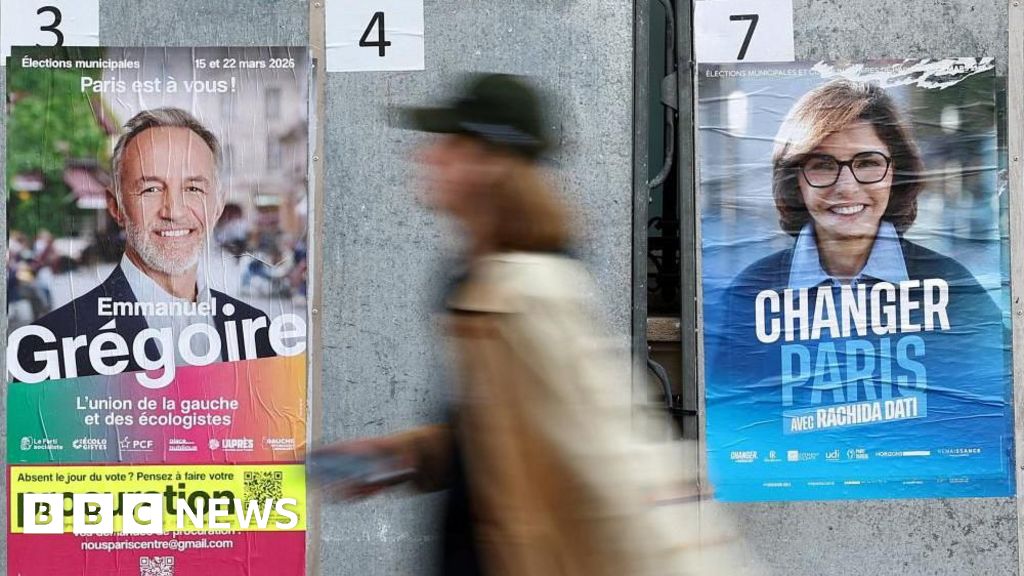
The political landscape of the capital city may be on the verge of a historic transformation. After over a quarter-century of socialist governance, the electoral contest is now centered around a pivotal figure: Rachida Dati. Her potential victory could not only redefine the city’s political orientation but also wield significant geopolitical impact on a broader national scale, as analysts warn that this shift might signal a broader realignment towards the right across the country. As the city’s electoral race intensifies, the stakes extend beyond local governance, touching on fundamental questions about the future of policy, identity, and international relations.

For 25 years, the socialist ideology has deeply influenced the city, shaping its policies, social programs, and diplomatic outlook. Yet, mounting dissatisfaction among voters—fueled by economic challenges, immigration concerns, and a perceived disconnect from traditional values—has created fertile ground for conservative alternatives. The upcoming election represents a critical pivot point, with observers from institutions like the International Institute for Democratic Studies emphasizing how the result could resonate across the national political spectrum. Should Rachida Dati win, critics argue that it might herald a strategic shift towards a more nationalist and conservative agenda, aligning the city’s policies with those of other right-leaning administrations globally.

Historian and geopolitical analyst Dr. Jean-Luc Moreau suggests this election is indicative of a mounting global trend: the resurgence of right-wing politics in urban centers traditionally seen as bastions of leftist ideology. Such a shift could influence the international perception of the nation’s stability and direction. Moreover, this change might prompt neighboring nations to reassess their diplomatic and economic engagements with France. The implications extend beyond mere local governance; they touch on how societies navigate multiculturalism, security, and economic reform in an era of global upheaval.

Key events highlight the stakes:

  • The formal endorsement of Dati by conservative leaders signals a strategic campaign to rally the electorate around conventional values and national sovereignty.
  • Opposition parties have responded with intensified campaigns focused on social solidarity, but recent polls indicate a narrowing gap that could swing the outcome.
  • International observers warn that a victory for Dati might send a message of change and resistance to liberal policies championed by socialist regimes.

The potential shift in the city’s political landscape raises questions about the future of policy-making, international alliances, and societal cohesion. As political tensions escalate and narratives of tradition versus progress collide, the world watches with growing interest. The outcome promises to influence the global geopolitical architecture, reaffirming that the decisions made within city halls ripple across continents and history’s fabric.

As history continues to unfold, the coming days will determine whether this city’s election results echo a broader conservative resurgence or cement the long-standing socialist influence. The palpable tension underscores a fundamental truth: in an era marked by rapid change, the choices of a single city can ignite new ideological currents, forcing nations into reconsideration and reaffirming the enduring power of collective will. The world remains on the edge of a pivotal moment—the pages of history turning, yet still unwritten, awaiting the verdict of the ballot box and the voices of a society at a crossroads.
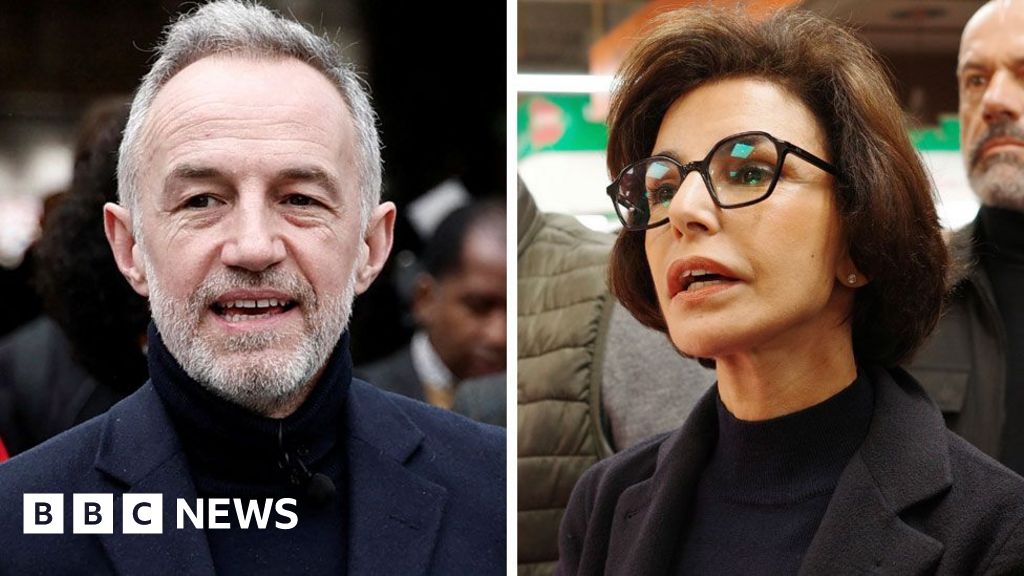

French Voters Divide as Right Seeks Control of Paris

The geopolitical landscape is once again on the cusp of transformation as national elections approach and polling data underscores the changing tides of political influence across multiple regions. In a recent survey, electoral forecasts have revealed that all leading candidates, except for Mariani, are garnering more than 10% of the vote, a crucial threshold to qualify for the runoff elections. This divergence signals a potential realignment of political forces and highlights the strategic importance of alliances. In such a landscape, candidates with less than 10% support, like Mariani, face a critical decision point: if he surpasses a modest 5% threshold, he could become a kingmaker by forming alliances—an influential move capable of shaping the nation’s political future.

This political scenario embodies a broader international impact that stretches beyond national borders. Analysts warn that the outcome of this election could ripple through regional alliances, trade deals, and even security frameworks. As international organizations monitor these developments, experts caution that the decisions made by these political contenders will influence macro-level geopolitics, affecting everything from diplomatic relations to economic stability. The strategic plays underway are not merely domestic—they are intertwined with the global competition for influence, especially in a world where power balances are shifting rapidly amidst ongoing conflicts and economic uncertainties.

Historian and geopolitical analyst Dr. Elena Korsakov emphasizes that history demonstrates the significance of coalition formations in shaping a nation’s destiny. “In many instances, the smaller, seemingly insignificant candidates can turn out to be pivotal players,” she explains, highlighting how political maneuvering often determines the direction of entire regions. The potential for a candidate like Mariani—initially seen as a fringe figure—to leverage just over 5% of support into strategic alliances exemplifies this principle. Such decisions could alter the trajectory of national policy—shifting priorities on international collaboration, military partnerships, or economic policies—impacting populations and societies well beyond the electoral contest itself.

The global community remains vigilant. International bodies, diplomatic entities, and strategic think tanks analyze each development for signs of larger shifts that could influence global stability. As history has shown, the outcome of these elections could serve as a turning point—either reinforcing existing alliances or catalyzing new power blocs. With every ballot cast and every alliance forged or broken, the threads of history are being woven into a complex and uncertain tapestry. The world watches with bated breath, pondering: how will these internal political currents ultimately reshape the geopolitical map — and what new conflicts or opportunities will emerge from the ashes of old paradigms?

Victoria Beckham Making a Bold Comeback in Chic Trousers and Party Looks at Paris Show

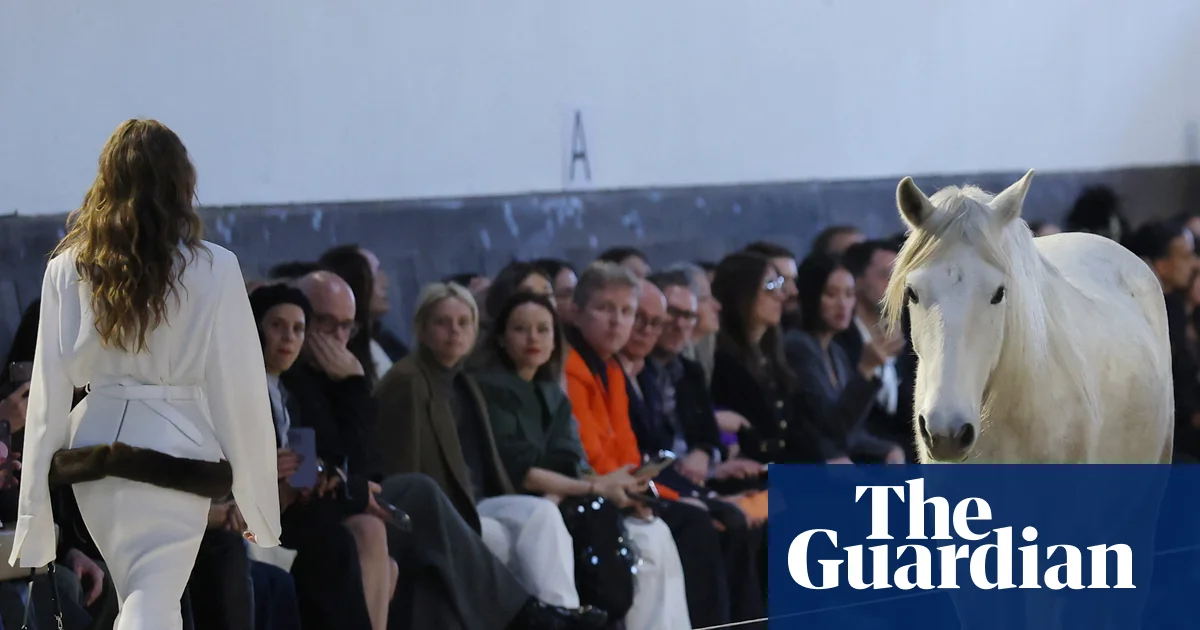
The Beckham empire continues to captivate the modern zeitgeist, demonstrating how a family brand can evolve beyond sports and fashion into a broader cultural phenomenon. Recently, Victoria Beckham showcased her new collection at Paris Fashion Week, seamlessly blending history, artistry, and social influence. Her inspiration from Tamara de Lempicka, the Polish art deco painter known for her sinuous lines and vibrant colors, underscores a broader trend of designers drawing from historical art to set contemporary style narratives. This collection’s sober tailoring paired with decadent party dresses not only pushes fashion boundaries but also reflects a subtle shift toward understated elegance—a move that resonates with a generation seeking authenticity over excess.

An intriguing aspect of this fashion evolution is the cultural impact of the Beckhams’ expanded brand identity. The recent surge in their US recognition — driven by David Beckham’s rise in MLS and Netflix’s documentary about Victoria’s entrepreneurial journey — signifies a strategic shift from celebrity to cultural iconography. Their influence now extends beyond the football field and runway, shaping lifestyle trends among youth and young adults who value both style and social relevance. The fashion line, once in peril with a debt of £54m, has rebounded spectacularly, thanks to a savvy expansion into makeup and beauty. In 2025, combined sales across fashion and beauty escalated by 19% to over $170 million, with profits quadrupling, marking a definitive turning point from near-collapse to industry contender. This resilience showcases a broader societal appetite for brands that combine heritage and modernity, blurring traditional lines of consumer allegiance.

The Beckham brand is also pushing ahead with international expansion, planning new store openings in New York and Paris later this year—despite setbacks such as the collapse of Saks department store, which previously was their primary U.S. retail partner. This illustrates a larger trend in the global retail landscape: brands that are adaptable, leveraging both physical and digital spaces to reach an increasingly image-conscious audience. As Victoria notes her affinity for classics like tailored trouser suits with pockets — “the pocket queen” — her designs subtly symbolize the empowerment, independence, and practicality that define modern youth culture. The collection’s focus on neutral tailoring and flowing color palettes signals a shift—away from ostentation—toward a more refined, conscious form of expression that aligns with contemporary sensibilities and social values.

Yet, beneath these outward shifts lies a compelling question: as brands like Victoria Beckham’s solidify their cultural relevance through art, fashion, and celebrity storytelling, what does this say about the future of status and identity? Will the next wave of youth-driven trends continue to be shaped by the intersection of art, entrepreneurial audacity, and social media influence? These are the questions the industry is beginning to ask itself, as the Beckham story — a perfect storm of family legacy, artistic inspiration, and entrepreneurial resilience — continues to unfold. The next chapter may hold even deeper transformations, forcing us to ask: can a brand remain both socially relevant and authentically modern, especially in an era where authenticity itself is a trending commodity?

Stella McCartney’s Paris Show Takes Fans on a Rapid Run Through Her Life and Style

In an era defined by rapid shifts and social consciousness, the recent spotlight on fashion industry icons reveals much about where youth culture is headed. Stella McCartney‘s 25-year journey not only symbolizes resilience within a notoriously fickle industry but also exemplifies how the nexus of sustainability and celebrity influence continues to shape conversation among Gen Z and millennial audiences. Her Paris Fashion Week showcase was more than just a collection; it was a cultural event layered with symbolism—from a nod to her childhood on Mull of Kintyre to her commitment against animal cruelty—yet, beneath the surface, it signals a broader societal shift: that values-driven consumption is becoming a defining metric for youth identity.

What’s particularly remarkable about McCartney’s approach is her embrace of cutting-edge

innovations — like turning brewed protein into knitwear. This seemingly niche tech has sparked a movement that extends beyond fashion into social debates about environmental responsibility. Influencers, such as Emma Chamberlain or Lizzo, are amplifying these messages through social media, framing sustainability as not just a trend but a core cultural value. Meanwhile, fashion analysts underscore how such endeavors serve to redefine what authentic luxury looks like, moving away from traditional leather and fur towards ethical, tech-infused alternatives. This evolution repositions youth as active consumers who demand transparency and social justice, effectively transforming fashion into a mirror for societal evolution.

At the same time, industry legends like Pieter Mulier are quietly rewriting the script on leadership and artistic integrity. As he prepares to undertake the helm at Versace, critics are watching how his sculptural, anti-trend aesthetic resonates with a generation craving individuality over conformity. His signature perforated stilettos, now a high-street viral hit, exemplify how high fashion’s forward-thinking impacts mainstream shopping behaviors. This, combined with the recent transition of the fashion world at events like Paris Fashion Week, shows a shifting dynamic—where traditional brands are integrating tech-driven innovation and social consciousness into their core identity. Influential figures such as Oprah Winfrey sitting front-row reinforce the social relevance of these shifts, signaling that fashion remains a battleground for cultural influence and social capital.

Yet, amid the grandeur and symbolism, a fundamental question emerges: as the fashion industry shifts towards sustainability and social activism, who will ultimately dictate what’s considered authentic? Will consumers continue to prioritize these values over mere aesthetics, or might they someday fall prey to new trends that superficially tout social causes without real substance? As youth-oriented trends adapt to an ever-changing social landscape, the next big question is whether this cultural momentum will sustain or if it will be just another chapter in the ongoing story of market-driven activism. In a world where a designer’s statement vest can encapsulate decades of personal history, this cultural evolution prompts us to ask: what is the true future of authenticity in fashion—and society—at large?

Jonathan Anderson Flexes Eccentric Edge at Dior Men’s Show — Sparking a Fresh ‘New Aristocracy’ at Paris Fashion Week

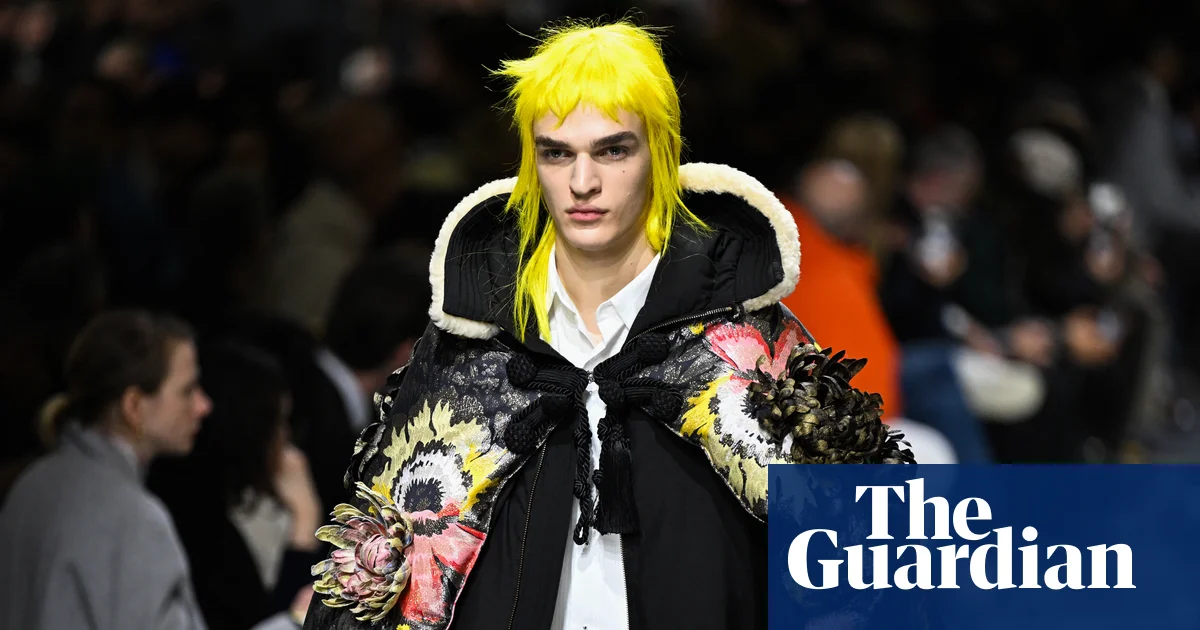
In the pulsating heart of Paris, fashion is undergoing a remarkable transformation that is as much about societal shifts as it is about style. Jonathan Anderson’s recent Dior menswear show, staged at the iconic Musée Rodin, exemplifies this evolution. With celebrity icons like Robert Pattinson and Lewis Hamilton in attendance, the collection didn’t just showcase clothing—it challenged perceptions about what it means to be part of a new aristocracy. Anderson’s concept focused on eccentricity over wealth, emphasizing the social and cultural relevance of individuality. Instead of traditional signs of status, he spotlighted personal expression—an intriguing reflection of today’s societal trajectory that increasingly favors authenticity and unique identity over old notions of privilege.

His collection, a provocative blend of punk-iness and historic references, took fashion’s boundaries for a deliberate spin. Sequin camisoles, snakeskin boots, and synthetic wigs united to form a character study that questions the norms of normality. Anderson’s use of cropped blazers and tailored pieces from eras just before societal upheaval—the 60s and prewar periods—serves as a commentary on clothing as a premonition of societal change. Influences from eclectic sources like MK Gee and Withnail and I indicate a deliberate move towards a culture that embraces mixed styles and the unconventional. This cultural layering signals a shift where fashion’s role extends beyond aesthetics into the realm of storytelling and social commentary.

Meanwhile, the conversation around fashion’s social relevance continues to evolve as Anderson mentions that consumers are already adopting the “anti-fitting” vibe—wearing men’s jackets designed with a rebellious twist—those traditionally confined to the women’s section. It underscores a broader trend towards bridging gendered styles and killing off the outdated “siloed” thinking of fashion marketing. Anderson sees this fluidity as a reflection of how we shop today, akin to a dessert menu where individuals craft their own personal aesthetic. This isn’t about Christian Dior or the brand; it’s about the next chapter of fashion—a chapter where personal identity reigns supreme, and the social hierarchy is redefined by the choices we make on our own terms.

On another front, visionaries like Pharrell Williams are similarly steering fashion’s future, this time at Louis Vuitton. Williams’ “retro-futuristic” collection, with tech-enabled tailoring, epitomizes the merging of tradition and innovation. Guests such as Skepta and Stephen Graham witnessed jackets glowing under lights and shirts designed to sculpt to the wearer—an explicit focus on technological integration in fashion. This resurgence of technical apparel indicates that luxury is not just about aesthetics anymore, but about enhanced functionality and personal empowerment. It’s a glimpse into a future where fashion aligns seamlessly with technology, digital culture, and individual agency, thus reshaping what luxury means in a world driven by rapid innovation.

Both Anderson and Williams highlight that the next big question for fashion isn’t simply about new styles—it’s about what these styles say about societal values and power structures. The cultural impact of this shift is profound: it signals a move away from the old aristocratic hierarchies based on wealth and social class, towards a society where self-constructed identities define one’s cultural capital. As fashion becomes more fluid and expressive, it challenges sociologists and trend analysts alike to reconsider the future of cultural influence. The true innovation may lie not just in the clothing itself but in how these visual stories will influence social norms and cultural narratives in the years ahead. The question remaining: are we witnessing the dawn of a new era where style democratizes power, or is this just the beginning of a new grand spectacle of identity politics—and what does that mean for the future of young, fashion-conscious generations?

Dior, Chanel—and now Veja? The Ethical Paris Sneaker Worn by Celebrities and Royals

In recent years, the landscape of fashion trends has shifted dramatically, highlighting a new era where style intersects with social responsibility. Among the industry’s heroes stands Veja, a brand that has redefined footwear not just as a fashion statement, but as a symbol of ethical living. Since its inception nearly 20 years ago, Veja has achieved what many believed impossible in the crowded, ever-changing world of Paris fashion: to stand out with a straightforward, goes-with-everything white sneaker. The secret? An unwavering focus on sustainability, traceability, and social fairness, which have all contributed to its skyrocketing success and cultural relevance.

The influence of Veja extends beyond everyday wear, permeating elite circles, with supporters like Emma Watson and Meghan, Duchess of Sussex, choosing their sneakers not as endorsements but as informed, deliberate gifts or purchases. As Veja’s co-founder Sébastien Kopp explains, the brand’s appeal lies in authenticity — whether consumers buy because of how they are made or because of how they look remains a mystery; what matters is their shared commitment to ethical manufacturing practices. This approach has cultivated a movement where accessories, from trainers to tote bags, become more than fashion — they become material signals of taste and social consciousness.

Nevertheless, this cultural wave raises a critical question about society’s evolving values. While sneakers historically dominate production—accounting for about 60% of the 23 billion shoes produced annually—the demand trend is actually declining. Industry analysts indicate a shift toward boots and loafers, reflecting a broader desire for versatility and perhaps a return to classic, timeless styles. For Gen Z, the aesthetic is distinctly slimline and modern, favoring designs like Puma’s Speedcats, whereas millennials like Chanel’s Matthieu Blazy embrace more traditional sneakers like Nikes on high fashion runways. Here lies a tension: whether this waning sneaker obsession hints at a deeper cultural reconsideration of consumerism or merely a temporary transition remains to be seen. Shrinking demand prompts an urgent question: will the sneaker’s dominant role in consumer culture endure, or will it evolve into a niche—a symbol more of identity than mass habit?

As these questions unfold, brands like Veja are consciously navigating the fragile line between sustainability and practicality. With initiatives like transparent factory wages and efforts to rebirth shoes through repair programs, they challenge the notion that eco-conscious products are incompatible with economic viability. Yet, the issue of greenwashing looms large, especially in an industry riddled with superficial “recycling” claims and the complexity of up to 40 materials in a single sneaker. Still, Veja’s stance—phasing out vegan leather in favor of more traceable, natural options—underscores a shifting debate about what truly constitutes responsible consumption. In a world where fast fashion and shiny new imports like Shein continue to expand, the question becomes: can this new wave of fashion activism spark a genuine overhaul, or is it just another trend in the endless cycle of consumerism? The next big question: as society’s values evolve, will our footwear choices become less a matter of trend and more a reflection of identity and integrity?

Man detained over viral video of alleged assault on Paris train

France’s Safety Crisis Reignited by Viral Train Crime Footage

The recent arrest of a suspect in France following a disturbing incident on a train near Paris has sparked a renewed discourse on women’s safety and national security. The incident, which was captured on video and subsequently went viral, involved a brazen attempted assault against a 26-year-old woman, Jhordana Dias, by a man who fled the scene upon intervention. This unsettling event not only underscores the ongoing challenges faced by French society but also exposes deeper vulnerabilities within the country’s security apparatus at a time when emigrant tensions, political debates, and social stability are all on the rise.

The footage, which shows a man dressed in a black tracksuit attempting to assault a woman aboard a train heading southeast of Paris, has divided public opinion and reignited longstanding debates about public safety, immigration, and law enforcement effectiveness. The suspect, identified as a 26-year-old Egyptian national, was detained by transport police in Mantes-la-Jolie. A crucial turning point in the case was the quick response of a fellow passenger, Marguerite, who filmed the assault and likely prevented a more deadly outcome. Such individual acts of courage contrast sharply with the apparent inability of authorities to prevent such crimes, fueling calls for tougher security measures and clearer policies on immigration and public safety. International security analysts warn that this event symbolizes an ongoing crisis, with Europe grappling over how to balance openness with safety.

Historians and global organizations like the United Nations have repeatedly emphasized that societal stability hinges on effective security practices, especially as demographic shifts and migration patterns reshape national identities. The incident, taking place between the Choisy-le-Roi and Villeneuve-le-Roi stations, has exposed a fragile social fabric that some argue is under siege by rising crime rates linked to socio-economic strains and migratory pressures. With multiple victims reportedly identifying the same individual, authorities face mounting pressure to enhance crime prevention strategies and address underlying issues. As French President Emmanuel Macron faces internal criticism, many analysts believe that this case heralds a broader crisis: the erosion of public trust and faith in the state’s capacity to protect its citizens.

In a global context, Europe’s apparent inability to curb such crimes complicates its geopolitical horizon. Alliances and international partnerships are tested as nations debate border security, immigration policies, and the role of law enforcement. Experts warn that these incidents could be exploited by populist parties seeking to capitalize on fears, further polarizing society and destabilizing the social order. As France and other European nations grapple with these internal threats, they must also navigate the external pressures from regional conflicts, migration crises, and economic uncertainties. Ultimately, the unfolding tragedy on a train near Paris reminds the international community that history is constantly being written—not only in grand treaties and political summits but also in the everyday acts of courage and chaos that define the modern world.

Louvre in Paris Closes After Heist – French Culture Minister Confirms

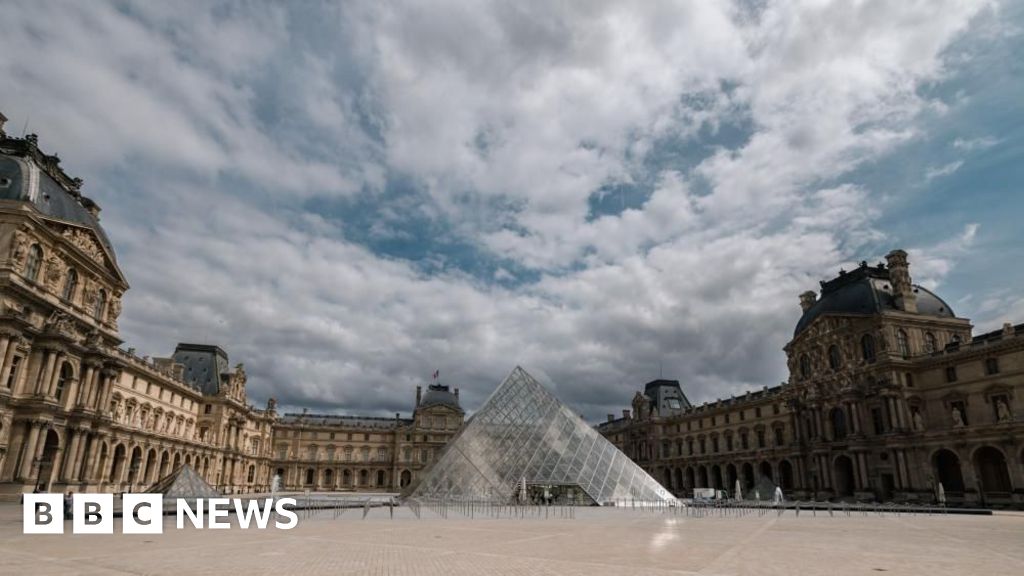
The recent robbery at the Louvre Museum in Paris marks a disturbing escalation in the ongoing challenge of safeguarding cultural heritage amidst increasing global unrest. The world’s most visited museum, renowned for housing priceless artworks and invaluable artifacts, was targeted early Sunday morning as it prepared to open its doors. Reports indicate that jewelry was stolen during this breach, a loss that transcends mere material value, threatening to erode a pillar of global cultural identity. France’s culture minister, Rachida Dati, confirmed the incident, and police are now engaged in a detailed investigation, reflecting the gravity with which the country is treating this unprecedented event.

The geopolitical impact of such thefts, particularly at iconic sites like the Louvre, resonates globally. Museums, monuments, and cultural institutions serve as symbols of national pride and history. Their vulnerabilities expose deeper fissures in international security protocols and cultural diplomacy. Experts warn that the theft could facilitate the illicit trade of priceless antiquities and artworks, fueling a transnational black market that weakens the cultural fabric of nations. Analysts from organizations like INTERPOL emphasize that this event signals a complex interplay of organized crime and geopolitical instability, as art thefts are increasingly linked to geopolitical conflicts and militant groups seeking to destabilize societies by targeting their cultural symbols.

Historically, such breaches serve as strategic provocations or indicators of chaos, with some specialists comparing recent trends to the looting of Iraq’s museums during the early years of the Gulf War. How nations respond to these acts will define their cultural resilience and sovereignty in the digital age. The Louvre incident underscores the urgent need for international cooperation on security measures, intelligence sharing, and the recovery of stolen assets. Various voices, including international organizations and cultural watchdogs, warn that failure to adapt and strengthen protections could lead to a wave of similar threats, ultimately dismantling the collective memory and identity of societies.

In the broader scope, the incident at the Louvre echoes a warning for the international community: the preservation of history is a battlefield where progress and chaos collide. As nations grapple with geopolitical shifts, economic upheavals, and technological forces, the security of our shared heritage remains fragile. The relentless pursuit of power and profit ensures that, one day, the history-makers and art custodians of today may become prey in a relentless underworld of theft and smuggling. With the weight of history pressing down, the world must ask itself: how long can we protect the treasures that define our identity before they are lost to the shadows?

Social Media Auto Publish Powered By : XYZScripts.com