Matox News

Truth Over Trends, always!

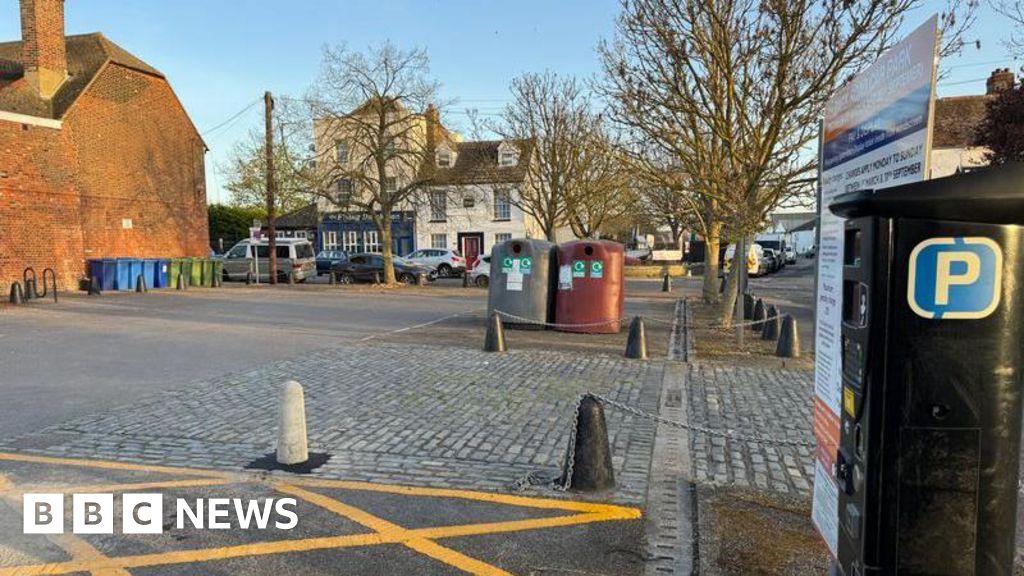
Empty parking lots: a warning sign of the UK’s mounting debt crisis

The ongoing exploration by BBC into the lives of residents in one of England’s most economically deprived neighborhoods exposes critical insights into the deepening economic divide within the country. Amidst the backdrop of national recovery efforts, these communities reveal systemic vulnerabilities that threaten the broader economic stability and growth prospects of the United Kingdom. By giving voice to those most impacted, the investigation underscores the urgent need for targeted policy interventions and strategic economic reforms to bridge the chasm that persists across social strata.

The testimonies collected highlight tangible challenges, including limited access to quality education, dwindling employment opportunities, and the stagnation of local infrastructure. Unemployment rates in these areas typically surpass national averages, often exceeding 10%, with youth unemployment particularly stark. These economic hardships are compounded by the rise in inflation and ongoing supply chain disruptions, which are squeezing household budgets and stifling local economic activity. As noted by economists from the London School of Economics, such persistent inequality risks sowing the seeds of long-term economic stagnation and social unrest, undermining the broader national resilience.

Investors and market analysts are paying close attention to these revelations, recognizing that the market impact extends beyond social concern.

  • Property values in neglected districts are declining, potentially depressing local tax revenues and limiting municipal spending capacity.
  • Small businesses in the area face decreased consumer spending, threatening a cycle of economic decline that could spill over into the wider regional economy.

Moreover, the government’s approach to social welfare and economic regeneration policies will heavily influence future market trends. Critics argue that current policy consequences—such as limited funding for local development and inadequate skills training programs—fail to address foundational issues, risking entrenchment of poverty and inequality at a national scale.

In response, economic think tanks and policy makers are increasingly focused on innovative solutions that leverage technology, foster entrepreneurship, and promote inclusive growth. There is a rising consensus that public-private partnerships and targeted investment in education could catalyze a shift—restoring vitality to these communities while reinforcing the UK’s broader economic strength. As global markets continue to grapple with uncertain geopolitical tensions and technological transformations, the UK’s challenge is to harness its internal resilience. Investors recognize that a dynamic, inclusive economy can serve as a powerful engine—one that propels the nation from mere survivability into a new era of strategic dominance.

Ultimately, the fate of these marginalized communities reflects the broader narrative of a nation at a crossroads. The economic pulse of every street, school, and small business forms the heartbeat of national power—measuring not just wealth but the resilience of a society willing to innovate, adapt, and lead. As policy makers and market participants chart their course forward, the critical question remains: will they seize the opportunity to forge an economy that is truly fair and robust, or will they allow disparities to widen into a permanent chasm? The answer will determine whether the UK remains a beacon of modern, youthful enterprise or succumbs to economic stagnation in the face of a rapidly changing global landscape.
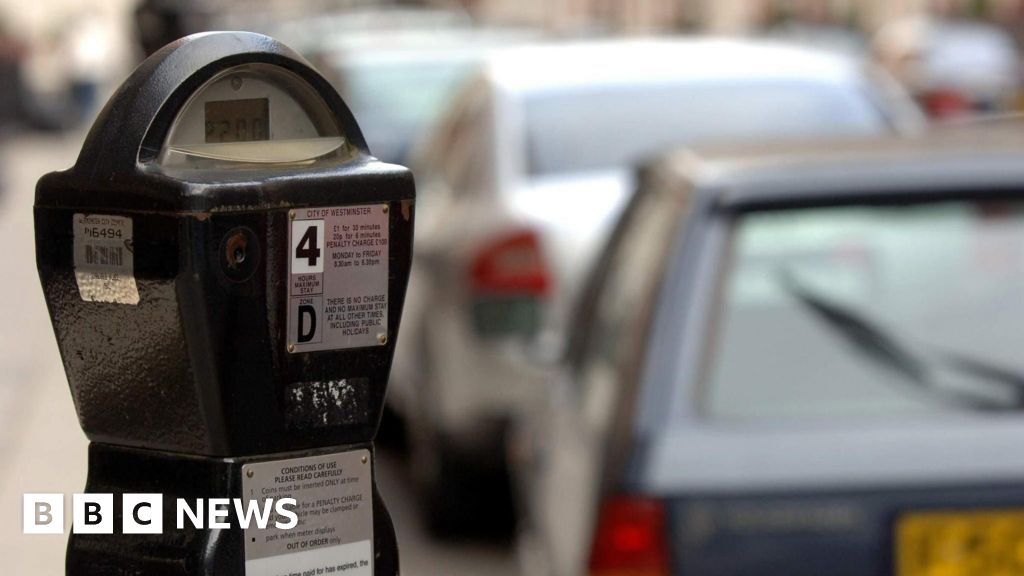
Parking inspector and wife busted for €1M meter theft blitz

European Local Governance and Trust Under Scrutiny

In a striking case that underscores the fragility of public trust in local institutions, Kempten, Germany, a town renowned for its rich history and strategic position in the Bavarian Alps, has been rocked by allegations of massive embezzlement involving a municipal parking inspector and his spouse. The report reveals that over €1 million (£878,000) was siphoned from parking meters across the town, a scandal that has sent ripples through Germany’s meticulous system of local governance and integrity. This incident is not merely about theft but touches on the broader question of accountability and the erosion of trust that leadership and citizens must uphold in the face of increasing regional challenges.

Geopolitical Impact and Rising Concerns

While at first glance this appears as an isolated case of municipal corruption, analysts and international watchdogs such as Transparency International are warning that such incidents could serve as warning signs of deeper systemic failures. As local governments become focal points of societal trust, these breaches threaten to undermine confidence in the broader European Union’s fragile network of institutions and local administrations. The involvement of a public official in embezzling public funds echoes similar scandals across other European nations, where corruption scandals have weakened the perceived legitimacy of local and national authorities. Such instances fuel an atmosphere of disillusionment among citizens, who are increasingly demanding transparency and accountability from their leaders.

International Reactions and Societal Implications

  • European political leaders are emphasizing the importance of reinforcing anti-corruption measures at all levels of government, stressing that trustworthiness and integrity are essential for maintaining social cohesion and international credibility.
  • Germany’s federal institutions have reinforced their commitment to transparency, with the country’s justice system promising a thorough investigation. The mayor of Kempten, Thomas Kiechle, responded swiftly, establishing a commission to review past processes and prevent future misconduct, symbolizing a recognition that local governance must be resilient against such breaches.
  • In light of this scandal, economic analysts point to the potential for increased public demand for oversight, which could translate into political shifts at both regional and national levels—especially in a continent grappling with mounting migration pressures, economic instability, and geopolitical tensions.

The incident in Kempten highlights how fragile the societal contract can become when trust is broken. It exposes a flaw in the infrastructure of local governance—one that, if left unaddressed, could have far-reaching consequences not only for Germany but across Europe. Historically, corruption scandals such as these have served as catalysts for reform, yet they also threaten to deepen existing divides and foster cynicism among the youth and marginalized communities. As historians and political analysts warn, these episodes are not isolated failures but indicators of an urgent need for comprehensive reform in accountability structures across Western democracies.

As the investigation continues and the media follows the unfolding legal proceedings, the question remains: in an era where trust is fragile and the geopolitical landscape is ever-changing, how will European nations restore their credibility and ensure that such breaches of integrity do not become the norm? The weight of history presses heavily on today’s leaders—each decision shaping the destiny of their communities, each action echoing across generations. The story of Kempten’s scandal is a stark reminder that, beneath surface civility, the true strength of a society lies in its unwavering commitment to justice and transparency—a legacy that must be guarded with vigilance or risk being forever lost in the shadows of neglect.

£3,000 in Parking Fines on School Runs, Even with Blue Badge

Newham council is drawing criticism after a local parent received 19 penalty charge notices (PCNs) for driving in a restricted “healthy school streets” zone, despite holding a blue badge access permit. The situation escalated following a car accident, during which the parent was provided with three courtesy cars by their insurance company. To comply with local regulations, they acquired temporary permits for each courtesy vehicle, ensuring they could still drop off and collect their children from school.

This incident highlights a significant concern among residents regarding the council’s enforcement policies. Many individuals with disabilities rely heavily on their vehicles, and unexpected situations, such as accidents, shouldn’t result in such heavy penalties. It raises vital questions about how councils balance the need for traffic regulation with the realities faced by families who depend on mobility. As communities reassess their traffic policies, the focus should be on finding practical solutions that support rather than penalize those in need.

Social Media Auto Publish Powered By : XYZScripts.com