
Matox News

Truth Over Trends, always!

Andrej Babiš Relaunches Government Talks with Czech Parties

Rallying for Power: Czech Republic’s Political Future in Flux

In a critical moment of European politics, Andrej Babiš, the billionaire populist and former prime minister, is maneuvering through the intricate parliamentary landscape of the Czech Republic. Following the recent elections, Babiš’s ANO party emerged as the largest bloc, capturing 34.5% of the vote—an impressive victory that nonetheless fell short of an outright majority in the 200-member parliament. This electoral outcome underscores the persistent divide within Czech society, where populist sentiments and traditional European values collide amid the ongoing reshuffling of the continent’s political order. With opposition parties ruling out coalition with ANO, Babiš’s task becomes a high-stakes game of diplomacy and political brinkmanship involving fringe right-wing groups such as SPD and the Motorists.

As President Petr Pavel holds meetings with party leaders, the broader geopolitical impact becomes increasingly evident. Pavel has signaled his intent to steer the nation in a “pro-western direction” and uphold the core democratic institutions that it shares with the European Union and NATO. Importantly, Pavel’s stance reflects a strategic counter to the populist rhetoric of Babiš, who has publicly vowed to oppose EU migration policies and green initiatives, advocating instead for a more nationalist, sovereignty-focused approach. This impending power struggle is pivotal not just for the Czech Republic but for the stability of the EU, especially considering the recent comments from European factions and the warnings from international analysts about how domestic politics can influence EU cohesion.

The international community remains vigilant as Babiš seeks to solidify his position. European far-right leaders like Orbán of Hungary and Marine Le Pen of France have rushed to praise Babiš, framing his success as a broader surge of patriotic parties across Europe. This wave of nationalism risks further fracturing the European project, especially if Babiš manages to form a government that echoes anti-EU sentiment—despite his repeated protests of being “pro-European” and “pro-Nato.” The analysts from the European Parliament and think tanks warn that such alliances could threaten the unity of the bloc, challenging its collective response to external threats and migration crises.

According to historians and geopolitical analysts, the future of Czech politics could significantly reshape regional alliances and influence EU strategy. The possible emergence of a minority government supported by fringe right-wing parties may destabilize Czech deliverables on European and Atlantic commitments. The risks extend beyond domestic politics; a shift towards more nationalist, Eurosceptic policies could embolden similar movements in neighboring states, fostering uncertainty in a critical corner of Europe. As the nation’s leaders scramble for power, the corridors of European influence are echoing with cautionary warnings. This internal clash, rooted in contrasting visions for national sovereignty versus European integration, signals a tense prelude to what could be a defining chapter for Czech society and its role within the broader international order.

This unfolding drama is more than a local political saga; it is a microcosm of the ongoing battle over the soul of Europe. The decisions made in Prague will reverberate across continents, testing the resilience of alliances and the resolve of democratic institutions. As history continues to unfold with the weight of consequence, the world watches—standing at the precipice of change, where the future is forged not just in elections but in the enduring struggles over identity, sovereignty, and the path of nations on the global stage.
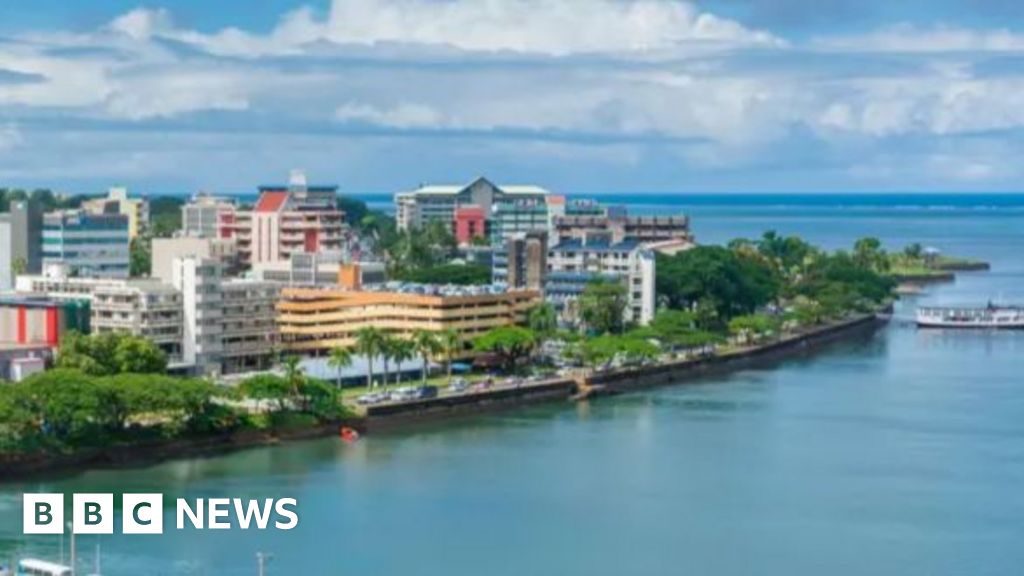

Fiji's HIV Surges as Blue-tooth Parties, Chemsex & Needle Sharing Fuel Rise
Fiji’s HIV Surges as Blue-tooth Parties, Chemsex & Needle Sharing Fuel Rise

In the remote and strategically positioned Pacific island of Fiji, a devastating health crisis is unfolding at an alarming rate. Once a nation with relatively modest HIV prevalence, Fiji now faces an epidemic on the brink of catastrophe, with official figures indicating a thirteenfold increase in cases over the past five years. From fewer than 500 infected individuals in 2014 to nearly 6,000 in 2024, the nation exemplifies how poorly managed drug policies, social stigma, and illicit trafficking can combine to unleash a humanitarian disaster that threatens regional stability. The global health community has sounded the alarm, warning of the “avalanche” approaching Fiji—a metaphor that international analysts like José Sousa-Santos from New Zealand’s University of Canterbury describe as “a perfect storm brewing.”

The core drivers of this crisis are deeply rooted in rising intravenous drug use, unsafe sexual practices, and a cultural phenomenon known as bluetoothing, where blood is shared during drug injections, facilitating the rapid spread of bloodborne viruses like HIV. Frontline advocates and NGOs, such as Drug Free Fiji, have documented firsthand evidence of these dangerous practices. Despite social stigma diminishing, the illegal circulation of drugs such as methamphetamine and the absence of adequate harm reduction programs, including needle-syringe exchanges, have exacerbated the epidemic. Fiji’s geographic vulnerability as a trafficking hub between East Asia and Australasia further fuels the crisis, culminating in a surge of young users, with children increasingly falling victim—some as young as ten. Such alarming trends have aligned with the international community’s concerns over the country’s capacity to manage the burgeoning outbreak, with official projections estimating over 3,000 new HIV cases by the end of 2025.

This crisis, however, extends far beyond Fiji’s borders. It exposes the broader geopolitical implications of drug and health security in the Indo-Pacific region. Countries like Australia and New Zealand, with their significant Pacific refugee populations and strategic interests, face the direct repercussions of an unstable Fiji—one where infectious diseases could jump borders if not contained. Historians and regional security experts note that Fiji’s governance and healthcare system are under immense strain, hampered by shortages in medical supplies, insufficient staffing, and outdated communication infrastructure. The Global Alert and Response Network has highlighted that these logistical failures undermine the entire regional effort to contain infectious diseases, allowing the epidemic to metastasize into a regional threat. As analysts warn that the current measures are insufficient, many fear an irreversible slide into widespread societal destabilization that could take generations to recover from.

The unfolding story of Fiji’s HIV epidemic is a stark reminder of how fragile stability is when neglected by international policymakers and local authorities alike. As the international community debates solutions, the ticking clock remains—the infection rate has already surged, and the support systems necessary to reverse this trend are critically inadequate. The experts warn that this is not merely a local tragedy but a harbinger of widespread instability across the Indo-Pacific. The weight of history presses heavily upon the shoulders of Fiji and its neighbors, as they teeter on the brink of an unprecedented health and security crisis. The unfolding chapters of this story will determine whether the tide will turn or whether Fiji, with its rich culture and resilient people, will succumb to the mounting chaos. In this crucible of national peril, the world watches—as lives hang in the balance, and history awaits its next decisive act.

Social Media Auto Publish Powered By : XYZScripts.com


