Matox News

Truth Over Trends, always!

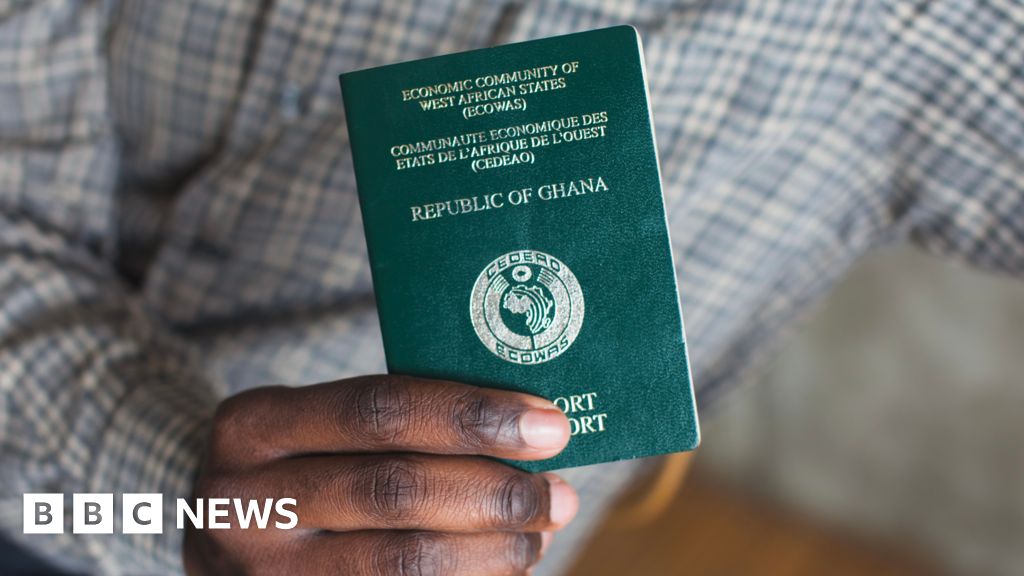
Ghana pauses citizenship process for Africans, raising concerns among youth activists

The recent difficulties faced by prospective migrants seeking to relocate to Ghana, as highlighted by Dr. Erieka Bennet, ambassador for the Diaspora African Forum, underscore a broader challenge at the intersection of migration, sovereignty, and international governance. The Forum’s role in facilitating the return of the African diaspora has been celebrated as a pivotal step towards fostering continental unity and economic revival. However, the bureaucratic hurdles—particularly the rigid DNA verification process—have cast a shadow over Ghana’s ambitious vision for a united African identity. Many applicants have expressed concerns that the deadline imposed within just a week is virtually impossible, stirring debates not only about logistical feasibility but also about the reliability and ethical considerations surrounding DNA testing in a geopolitical context.

Ghana’s recent policies are a reflection of a larger geopolitical shift, driven by the government’s desire to verify claims of descent and prevent fraudulent claims that could hamper resource allocation and investment initiatives. International analysts note that this move coincides with Ghana’s efforts to assert greater sovereignty amidst a transformative period marked by economic rebuilding and regional diplomacy. Yet, critics—including human rights advocates and diaspora community leaders—warn that such policies might exacerbate digital divides and social inequalities. The reliability of DNA testing, often contested, raises questions about the how international institutions and health authorities collaborate on standardizing such sensitive procedures. The debate echoes back to controversies seen in other migration initiatives, where race, ethnicity, and genetic data intersect with political ambitions.

The geopolitical impact of these policies extends beyond mere bureaucracy. As international organizations like the United Nations and regional African blocs observe Ghana’s approach, they grapple with defining the balance between national sovereignty and international oversight. Prominent analysts warn that mishandling this delicate balance could undermine regional stability and sow distrust among African nations striving for economic integration and collaborative development. Historically, migration has been both a catalyst of growth and conflict; thus, the manner in which Ghana implements these directives will serve as a test case for other nations contemplating similar measures. The risk lies in fostering exclusion or misjudging the social fabric, potentially fueling grievances that threaten regional cohesion.

As history continues to unfold, the question lingers: will Ghana’s effort to solidify its national identity and manage diaspora contributions bolster regional unity, or will it ignite divisions rooted in mistrust and incompatible policies? The decisions made today carry the weight of history, as they shape not only the fate of individual migrants but also the geopolitical landscape of Africa. With international stakeholders watching closely, the outcome of Ghana’s reform efforts may well serve as a blueprint—either a blueprint for sovereign assertion or a cautionary tale of bureaucratic overreach—etched into the chronicles of a continent riding the delicate edge of change. The future remains uncertain, its course written by choices made in the corridors of power amid the loud echoes of history’s relentless march.
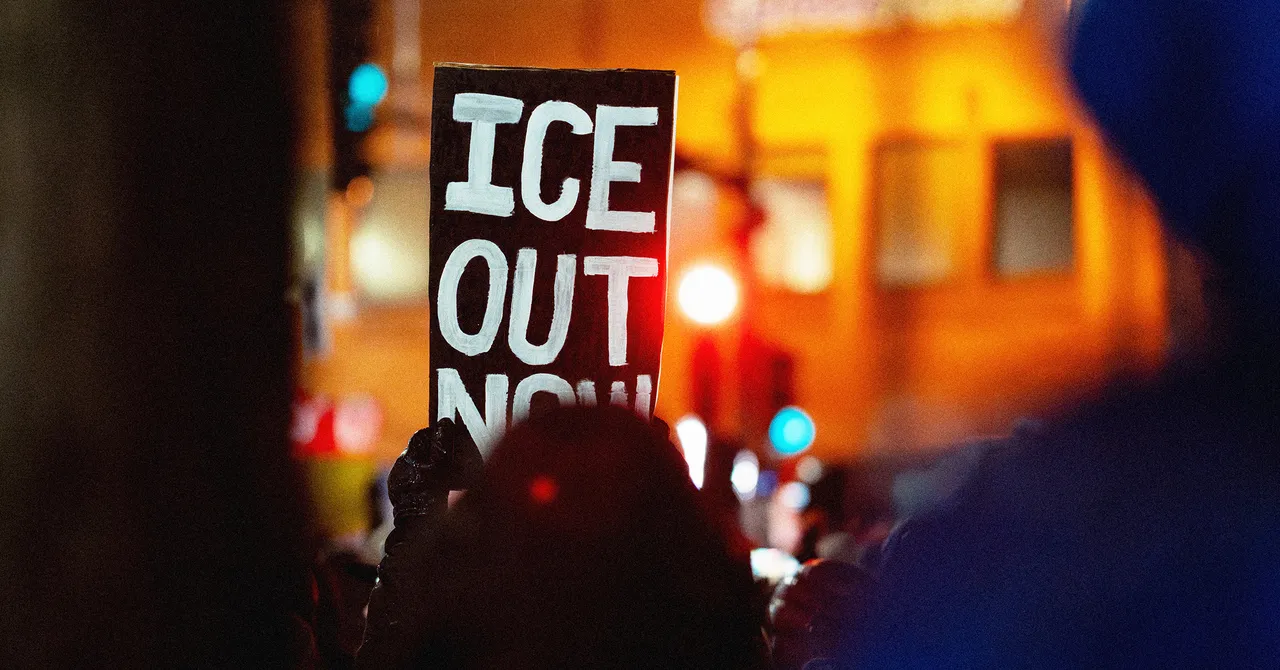
Judge Pauses Minnesota ICE Action Amidst Illegal Punishment Concerns

Federal Enforcement Actions in Minneapolis Fuel Legal Battles and Civil Discontent

In an unprecedented display of federal authority, recent operations in Minneapolis have ignited a fierce debate over the limits of government power, civil liberties, and the future landscape of law enforcement technology. The deployment of thousands of armed agents during federal raids—aimed at curbing crime but marred by tragic incidents—has raised fundamental questions about the disruption of local sovereignty and the potential overreach of federal operations. Experts like those from MIT’s Cybersecurity Institute warn that such interventions might set dangerous precedents, risking a precedent where federal agencies operate with near-impunity within state borders, potentially unleashing an era of unchecked coercive power.

Legal battles currently dominating the headlines highlight the tension between federal authority and local autonomy. Judges such as Judge Menendez have expressed concern over the scale and scope of these operations, questioning whether federal agencies are crossing constitutional lines. The legal claims focus on whether the federal government, in its effort to combat crime, is effectively coercing or even overriding local officials’ ability to manage their jurisdictions. The core worry among legal scholars is how these large-scale operations could erode the constitutional protections of states and municipalities, forcing them into crisis mode—diverting resources, disrupting local law enforcement, and destabilizing entire communities. This scenario has significant business implications for private security, surveillance tech firms, and emergency response industries, which stand to benefit from increased demand driven by federal initiatives.

Adding fuel to the fire are recent tragic incidents in Minneapolis involving federal agents—specifically, the deaths of Renee Nicole Good and Alex Pretti. The killings, both involving armed federal agents and operating in the context of seemingly unrelated raids, have turned public opinion sharply against federal enforcement tactics. Official narratives such as allegations that Pretti posed a “lethal threat” have been challenged by citizen footage and autopsy reports, underscoring a growing gap between government claims and on-the-ground realities. These events serve as stark reminders that disruptive law enforcement technology—including surveillance and armed response tools—must be wielded with precision and accountability, or risk undermining the trust necessary for future innovation.

Looking ahead, the industry’s response to these shifts will be critical. Disruptive technologies like AI-powered surveillance, real-time tracking, and autonomous law enforcement drones are poised to revolutionize public safety. However, the legal and ethical dilemmas highlighted by Minneapolis’s recent turmoil signal that without robust safeguards, such technological advances could accelerate a trajectory toward authoritarianism or civil unrest. Key industry players and policymakers are now racing to develop frameworks that balance innovative disruption with respect for civil liberties—a task that’s becoming ever more urgent.

As the battle lines between federal authority and local sovereignty sharpen, the next wave of tech-driven enforcement will define the limits of American liberty and security. Industry leaders like Elon Musk and Peter Thiel emphasize that the future of safe, accountable law enforcement depends on proactive innovation paired with strict regulatory oversight. The coming months will be pivotal: failure to strike a sustainable balance could see unchecked federal expansion transforming into a technology-enabled surveillance state. In this high-stakes game of innovation versus regulation, those who act swiftly and decisively will shape the future of justice, security, and innovation—setting the course for a nation that must navigate this new frontier with clarity and resolve.

Social Media Auto Publish Powered By : XYZScripts.com



