Matox News

Truth Over Trends, always!

Trump Paves Path for Nvidia to Export Advanced AI Chips to China

US-China Tech Duel Reshapes Geopolitical Landscape

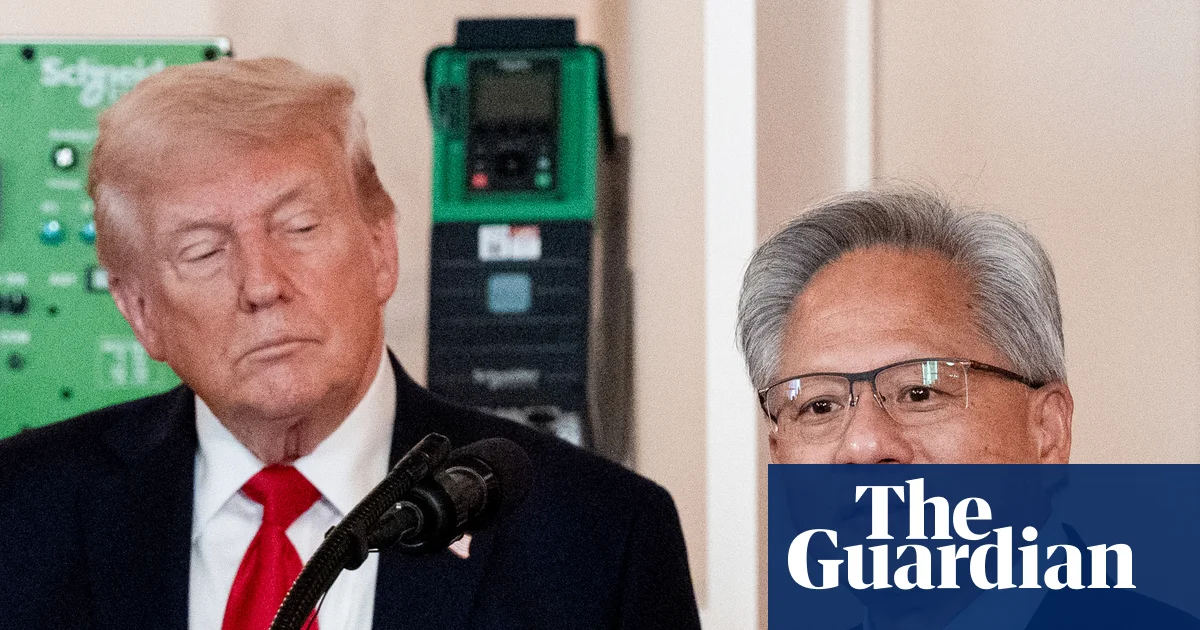
In a dramatic turn of events, former President Donald Trump has authorized Nvidia to resume sales of its advanced AI computer chips to China, breaking decades of strict export controls designed to safeguard US national security interests. This decision marks a significant divergence from previous administrations’ policies, which prioritized technological supremacy and the containment of Chinese technological ambitions. The move was announced via social media, with Trump asserting that the US would “allow NVIDIA to ship its H200 products to approved customers in China, and other Countries,” and emphasizing that the US would retain a 25% share of proceeds—more than the prior 15% agreement. Such a financial arrangement signals a strategic pivot, highlighting the evolving calculus over global technological dominance and economic leverage.

However, this shift isn’t without controversy. Congressional Democrats like Elizabeth Warren and Andy Kim voiced substantial criticism, warning that such sales could empower China’s surveillance, censorship, and military capabilities. Their concerns underscore a broader debate: does the pursuit of economic gains outweigh the risks to security and sovereignty? The reassessment of US-China relations under the shadow of new geopolitical realities is emblematic of a larger struggle—one that involves not only technology but the very fabric of international power. Although Trump’s administration claims these steps bolster US manufacturing and job creation, critics argue that they could inadvertently accelerate China’s technological independence—a development that could have long-lasting destabilizing effects on global balance of power.

Meanwhile, China has responded cautiously, with the foreign ministry noting that “China and the United States can achieve mutual benefit” through “cooperation.” Yet, behind these diplomatic words lies a complex chessboard of strategic calculations. Chinese regulators are reportedly debating whether to curtail or facilitate the import of Nvidia’s chips, an indication that the internal dynamics within Beijing itself remain unsettled. As analysts like Ma Jihua observe, years of restrictive policies have inadvertently created opportunities for China’s burgeoning domestic chip industry. The current liberalization of US exports could thus serve as a catalyst—either as a boon or a challenge. Historically, such decisions ripple across the entire geopolitical fabric—stoking fears of a new class of technological arms race.

The geopolitical impact of this development is profound. By reconfiguring the rules of engagement in AI technology—a sector many analysts call the “new frontier of military and economic power”—the United States has opened a new chapter in the competition for global dominance. The move fuels the ongoing narrative of a great power rivalry, where economic policy intertwines with national security, and technological innovation becomes the battleground for influence. As the world watches, this unfolding saga will determine whether nations can balance progress and security, or whether the chaos of uncontrolled competition will fuel conflicts that threaten the stability of the international order. The choices now being made echo through history, shaping a future where the line between cooperation and confrontation will become increasingly blurred, leaving the course of history suspended in a tense, uncertain horizon.

EU Paves Way for Faster Military Moves Across Europe, Boosting Youth Defense Confidence

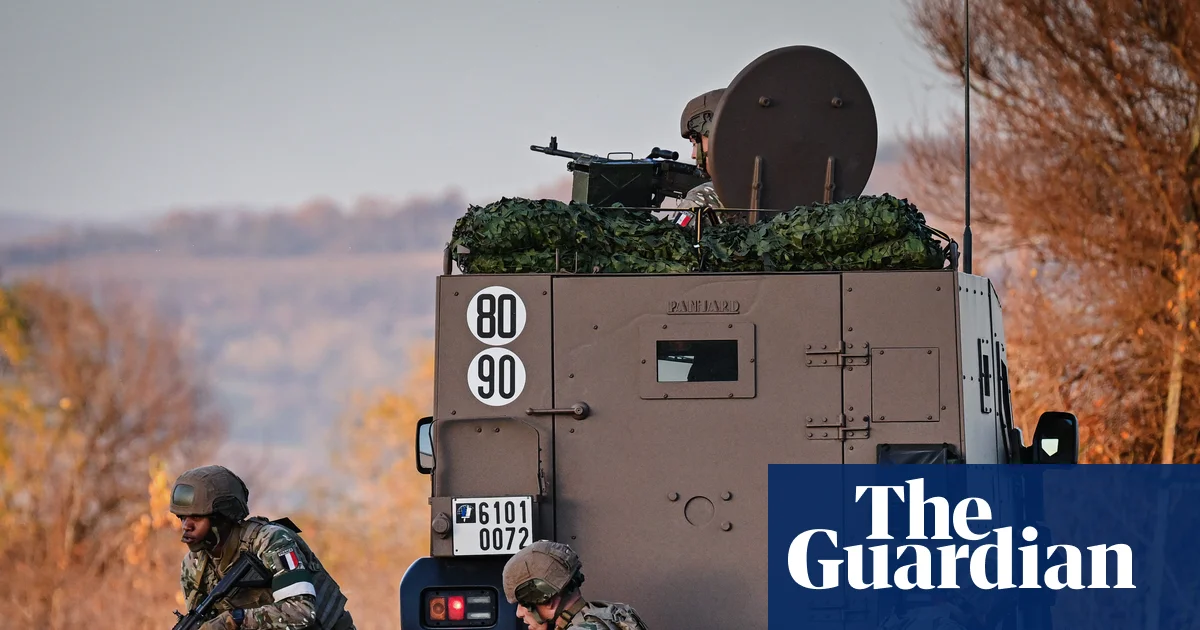
The European Union is intensifying its efforts to reinforce military readiness across its member states in a move that signals a clear shift towards integrated defense capabilities. The recent announcement by the EU executive to streamline cross-border troop movements is part of a broader strategic initiative to counteract escalating regional tensions, specifically in light of recent warnings from security experts regarding Russia’s potential to attack within five years. The EU is positioning itself to become a frontline defender, emphasizing a coordinated approach that could dramatically alter the continent’s security landscape. As European leaders debate the logistics and funding of this ambitious plan, the core aim remains the same: bolster deterrence and ensure swift military response in the face of emerging threats.

The crux of this initiative involves dismantling bureaucratic hurdles that currently hinder rapid troop movements. According to EU officials, obstacles such as inadequate infrastructure—bridges incapable of supporting heavy tanks, narrow railway tunnels, and incompatible track gauges—pose serious impediments to military logistics. The European Commission has proposed creating a “military Schengen” zone, allowing armies to traverse borders as seamlessly as civilians do. Key to this plan is prioritizing the strengthening of 500 critical points—bridges, tunnels, roads, and ports—at an estimated cost of €100bn. Such investments are seen as essential for ensuring that NATO’s collective defense is complemented by improved continental military mobility, a point underscored by Kaja Kallas, the EU foreign policy chief, who bluntly stated that existing rules, such as the 45-day notice requirement for troop movement, are “not good enough” for an era of heightened tension.

This move draws considerable attention from analysts and international organizations concerned with the geopolitical ramifications. While the EU emphasizes that these measures are designed to underpin NATO’s strategic planning, critics warn of a potential escalation of tensions, especially with Russia. The prospect of Europe becoming a more militarized continent—ready to move armies swiftly across borders—raises fears of militarization spiraling further. Historian and security analyst Dr. Marcus Feldman warns that such initiatives may inadvertently provoke an arms race or regional instability. Nevertheless, EU officials maintain that modernization of infrastructure and legal reforms are vital deterrents against potential aggression, especially in a volatile security climate spurred by Moscow’s recent strategic postures.

Funding remains the most contentious aspect of this initiative. The EU plans to allocate approximately €17.6bn from its long-term budget, with a broader €2tn plan facing resistance from member states wary of increased spending. Nevertheless, the logic remains clear: in an increasingly unpredictable world, preparedness and rapid mobilization are the new currencies of security. As nations within the bloc are often required to co-fund defense projects, the convergence of economic and strategic interests highlights an evolving geopolitical landscape—one where collective action is increasingly deemed necessary to navigate threats that transcend borders. The coming years will test whether these measures can deliver a credible deterrent or merely serve as a fragile veneer over underlying divisions and uncertainties.

As the echoes of history reverberate through the corridors of power, the unfolding plans for a more integrated and mobile European military force cement a stark reality: the continent stands at a crucial juncture. The decisions made today—how well infrastructure is upgraded, how swiftly policies adapt—will undoubtedly shape the fabric of European sovereignty and security for generations. The weight of history is pressing down, with each step towards militarization carrying profound consequences; the thresholds of peace and conflict are now razor-thin, and the world watches as Europe writes its next chapter in a saga of resilience and confrontation.

Social Media Auto Publish Powered By : XYZScripts.com


