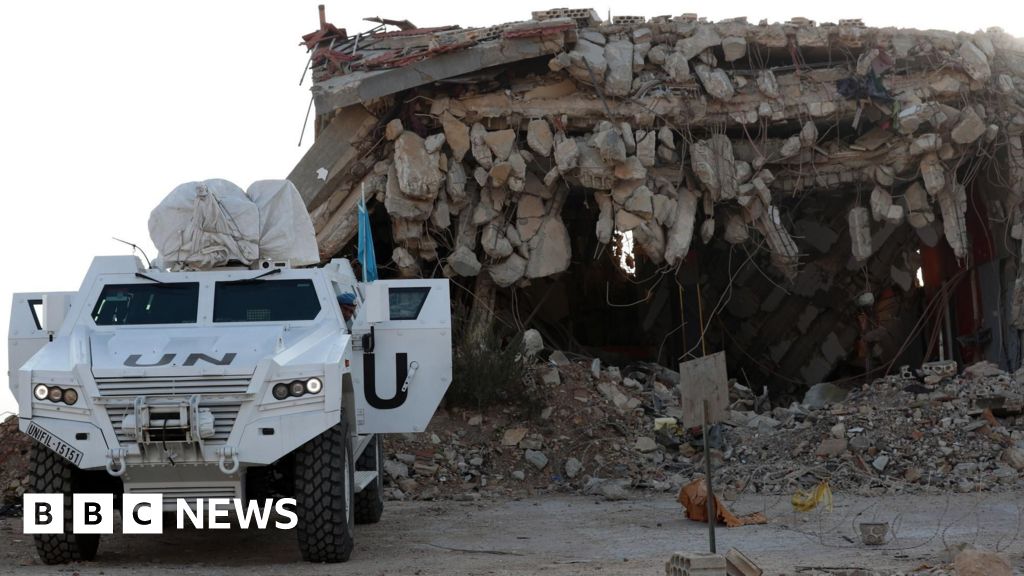

The recent drone strike on Sudan marks a perilous escalation in a country already embroiled in chaos and destruction. The attack targeted a United Nations peacekeeping facility in Kadugli, a strategic city in Kordofan, resulting in the tragic death of six Bangladeshi peacekeepers and the injury of eight others. As UN Secretary-General António Guterres condemned the assault as a war crime, the geopolitical implications reverberate far beyond Sudan’s borders, underscoring the fragility of international peace initiatives and the chaos unleashed when lawlessness gains the upper hand.
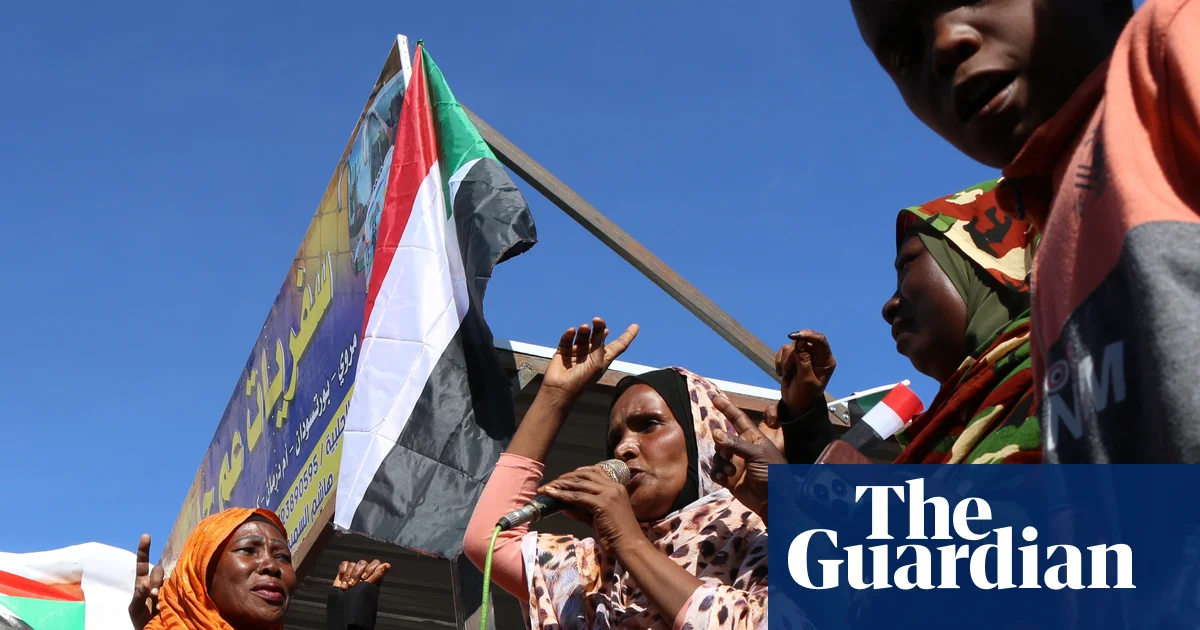
These troubling events highlight the complexity of the ongoing civil unrest that has torn Sudan apart since April 2023. The country’s internal conflict, centered between the military and the notorious Rapid Support Forces (RSF), exposes a power struggle that has cascaded into regional instability. The armed conflict has spilled over into Kordofan and Darfur, regions historically troubled by ethnic violence and resource disputes. For experts and analysts, this attack reflects a deliberate attempt by insurgents to destabilize international efforts and challenge the authority of global peacekeepers – a direct threat to the stability of not only Sudan but the wider Horn of Africa.
- The Sudanese military blamed the RSF for orchestrating the strike, amid claims that rebel factions are increasingly employing asymmetric tactics to undermine peace efforts.
- The region’s oil resources, especially in Abyei, remain a flashpoint, with the United Nations and regional powers deeply concerned about escalations that threaten to ignite a broader conflict.
- International organizations, such as the United Nations, warn that these targeted attacks could constitute a breach of international law and war crimes, fueling fears of a descent into full-scale chaos.
The geopolitical impact of this violence is profound. The UN has called for an immediate ceasefire, emphasizing the necessity of an inclusive, Sudanese-led political process to resolve the crisis. Yet, with each escalation, the threat of regional destabilization looms larger. China and Russia have strategic interests in the region, while Western powers seek to contain the spillover of violence into neighboring countries—an enduring struggle that echoes Cold War rivalries. The recent sanctions imposed by UK on RSF commanders, linked to mass killings, illustrate the international community’s attempt to exert pressure, yet these measures may prove insufficient amidst ongoing hostilities.
Historians and analysts warn that the Sudanese tragedy is a pivotal moment in Africa’s emerging security landscape. Experts suggest that the continued resort to violence, particularly against peacekeepers and civilians, signifies a breakdown of state authority and the ascendancy of chaos—an ominous sign for the future of regional stability. As the world watches Sudan teeter on the brink of complete disintegration, the question remains: will international diplomacy succeed in bringing about peace, or will history record this as a turning point toward prolonged conflict?
In the shadow of this unfolding catastrophe, the weight of history presses heavily upon the present. The fate of Sudan, a land rich in history but battered by internal strife, hangs precariously in the balance—a testament to how fragile the veneer of peace can be when lawlessness is permitted to flourish. As global powers maneuver and civilians bear the brunt of these conflicts, the world must confront the harsh truth: the quest for stability is ongoing, and the next chapters remain unwritten. The echoes of higher ideals clash with the brutal realities of war, leaving history to decide whether this moment marks a new dawn for peace or the early shadows of a much darker era to come.