Matox News

Truth Over Trends, always!

Anthropic Pushes Back After Pentagon Calls It a ‘Supply Chain Threat’

U.S. Pentagon Designates Anthropic as a Supply Chain Risk: A Disruptive Move with Far-Reaching Business Implications

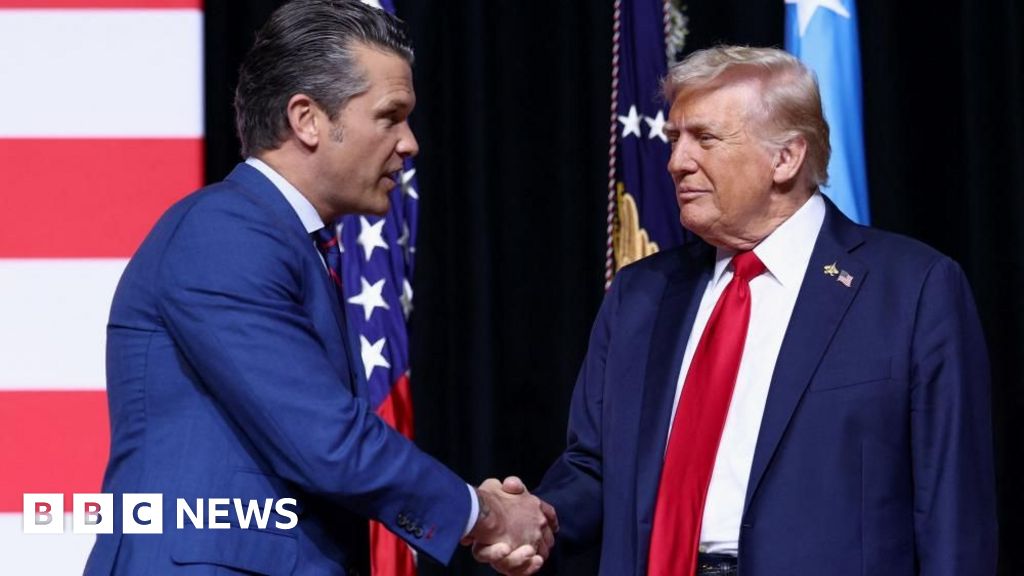
In an unprecedented decision that underscores the escalating geopolitical stakes in AI innovation, United States Secretary of Defense Pete Hegseth has ordered the Pentagon to label Anthropic as a “supply-chain risk,” effectively banning U.S. military contracts with one of the industry’s leading AI firms. This move signals a radical shift in how government agencies perceive and regulate AI giants, especially those considered potential security vulnerabilities due to foreign influence or ownership, and could disrupt the flow of AI development for defense and commercial sectors alike. Previously, Anthropic was celebrated for its Claude AI model, a major player in the rapidly evolving AI ecosystem, but now faces the threat of being sidelined at a critical time of geopolitical tension and technological disruption.

This decision arrives after weeks of tense negotiations between Anthropic and the Pentagon, centered on ethical and strategic use of AI technology. The Department of Defense demanded a broad usage agreement, explicitly permitting AI to be applied for “all lawful uses,” including autonomous combat, which Anthropic rejected based on its ethical stance. With the designation of a “supply chain risk,” the Pentagon aims to shield itself from potential security vulnerabilities—foreign control, influence, or ownership—that could compromise sensitive defense systems. The move establishes a new precedent where AI companies could be classified as security risks, compelling Silicon Valley to rethink their engagement with government agencies under the specter of national security.

Critics and industry experts are raising alarms over the implications of this action, with Dean Ball, senior fellow at the Foundation for American Innovation, condemning it as “the most shocking, damaging, and overreaching thing I have ever seen the U.S. government do.” Such sentiments reflect a broader concern that the move might ignite a dangerous precedent, fostering a climate of lawfare and regulatory overreach that could stifle innovation. Meanwhile, Sam Altman, CEO of OpenAI, announced that his company had secured a deal with the Department of Defense to deploy models in classified environments, emphasizing safety principles such as prohibitions on domestic mass surveillance and autonomous weapons. This delineation signals a potential bifurcation in AI applications, where some firms may be selectively allowed to work with military and intelligence agencies.

From a strategic business perspective, the designation of Anthropic as a security risk could accelerate industry shifts towards more government-friendly AI solutions or push companies to develop sovereign and domestically controlled AI platforms.

  • Disrupts supply chains of AI models crucial for national security and commercial innovation.
  • Raises questions about governmental influence over proprietary AI technology.
  • Set a potential precedent for further restrictions on emerging AI firms linked to foreign influence.

This movement also indicates that AI’s role in national security is stepping into a new era, where innovation pathways are increasingly being dictated by geopolitical considerations rather than purely technological capabilities. As industry leaders and policymakers grapple with defining AI’s ethical and strategic boundaries, disruption in the AI landscape becomes inevitable.

Looking ahead, the industry faces a crucial crossroads: Whether to adapt to a cautiously constrained regulatory environment or forge ahead with a more autonomous, globally competitive approach. The decision will have profound implications for American leadership in AI innovation, cybersecurity resilience, and tech sovereignty. The stakes are high—the coming years will determine if American AI firms can continue to innovate free from overreach or if they will be confined by an increasingly securitized national agenda. In this dynamic, the urgency for stakeholders to embrace disruptive innovation with strategic foresight has never been clearer, as the battle for AI dominance intensifies on multiple fronts. The future of American AI—its autonomy, security, and global competitiveness—hangs in the balance.
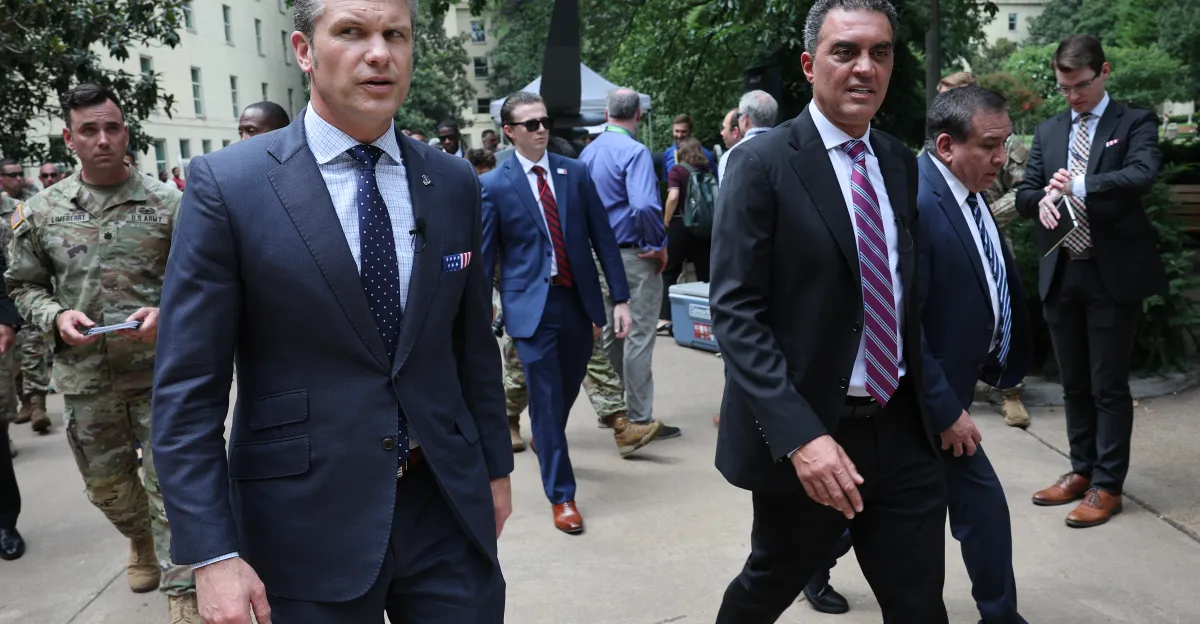
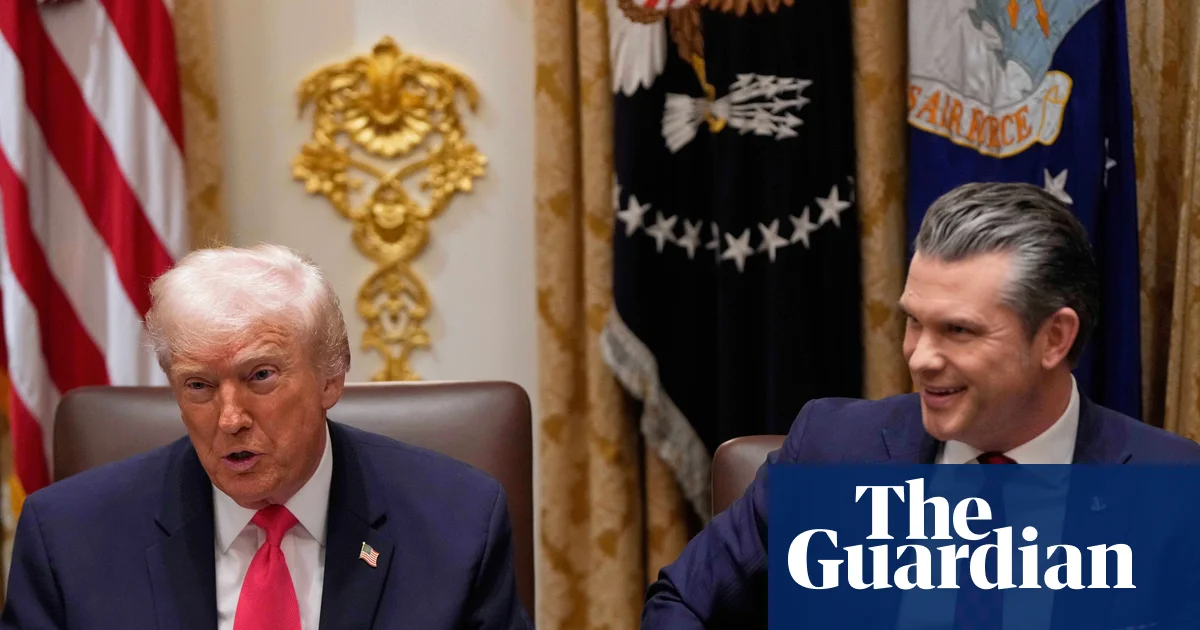
Pete Hegseth’s Pentagon AI crew: Ex-Uber exec and private equity titan join the squad

AI and Geopolitics: Pentagon’s Disruptive Move Toward Private Sector AI Dominance

In recent developments that signal a seismic shift in military-grade artificial intelligence, the Pentagon’s negotiations with leading AI developers underscore a new era of disruption and strategic vulnerability. The Department of Defense (DoD) has engaged in intense contract negotiations with Anthropic, whose advanced language model, Claude, is at the center of the controversy. This situation exemplifies how innovation-driven disruptions in AI are rapidly affecting national security frameworks—placing the traditional defense procurement model under unprecedented strain. With pent-up demands for secure, classified AI systems, the Pentagon’s push to secure multi-vendor contracts and mitigate single-supplier vulnerabilities reflect a clear adoption of best practices in tech risk management, yet reveal profound implications for the future of AI sovereignty.

The negotiations have drawn international attention, largely because of Pentagon’s urgency to establish at least two cleared AI vendors capable of handling classified data. Interestingly, despite current contracts with Google’s Gemini and xAI’s Grok, the security and capability differential among these models is stark. Google’s Gemini, considered a close competitor to Anthropic’s Claude, is on the verge of being cleared for classified deployments, while xAI’s Grok is viewed as less reliable. This “model shuffle” points to a broader industry consensus: the supply chain for classified AI models is fragile, and the risks of dependency on any single, possibly compromised, vendor could be catastrophic—especially as critics and analysts such as Gartner emphasize that “concentration risk remains the Achilles’ heel of AI deployment in high-stakes environments.”

The real business implications of this crisis are significant. Disruptive entries such as Anthropic have established themselves as indispensable—even as concerns about their morals and security practices persist. As Axios reports, Pentagon officials are explicitly aware that they are dependent on Anthropic’s AI precisely because “they are that good.” This paradox illustrates the core challenge for future defense procurement: balancing the need for cutting-edge innovation against security vulnerabilities. The negotiation process also demonstrates a broader shift where the private sector’s aggressive pursuit of AI dominance directly influences, and sometimes complicates, military strategy.

This evolving landscape foreshadows a future where the disruption of traditional defense models becomes inevitable. As the Biden administration emphasizes diversification of AI supply chains per new national security guidelines, the Pentagon’s procurement of multiple models—including discussions around the deployment of Gemini and potential exclusivity with Anthropic—emphasizes a move towards an AI-driven arms race. With tech giants and defense contractors like Emil Michael—whose controversial history at Uber signals the ruthless nature of business-driven tech innovation—now navigating a complex nexus of geopolitics and security, the industry is primed for a turbulent, hyper-competitive evolution.

Looking ahead, the implications for the broader tech ecosystem are clear: disruption is accelerating, and industry players with the most advanced models will wield outsized influence—not only in national security but also in the global power balance. The urgency surrounding diversifying AI vendors underscores the necessity of swift innovation, surgical risk management, and strategic alliances. Failure to adapt could result in catastrophic vulnerabilities, while those who lead the charge will dominate the emerging AI-augmented geopolitical landscape. As experts like Peter Thiel warn, “The future belongs to those who can manipulate the fabric of AI and national infrastructure faster than their rivals.” The question is no longer if disruption will come; it’s whether industry and government can harness it before they are overtaken by the relentless wave of technological revolution.

Democrats push Pentagon to release footage of suspected drug boat strike — returning to tough on crime stance from Trump era

Controversy Erupts Over US Navy Strike in the Caribbean

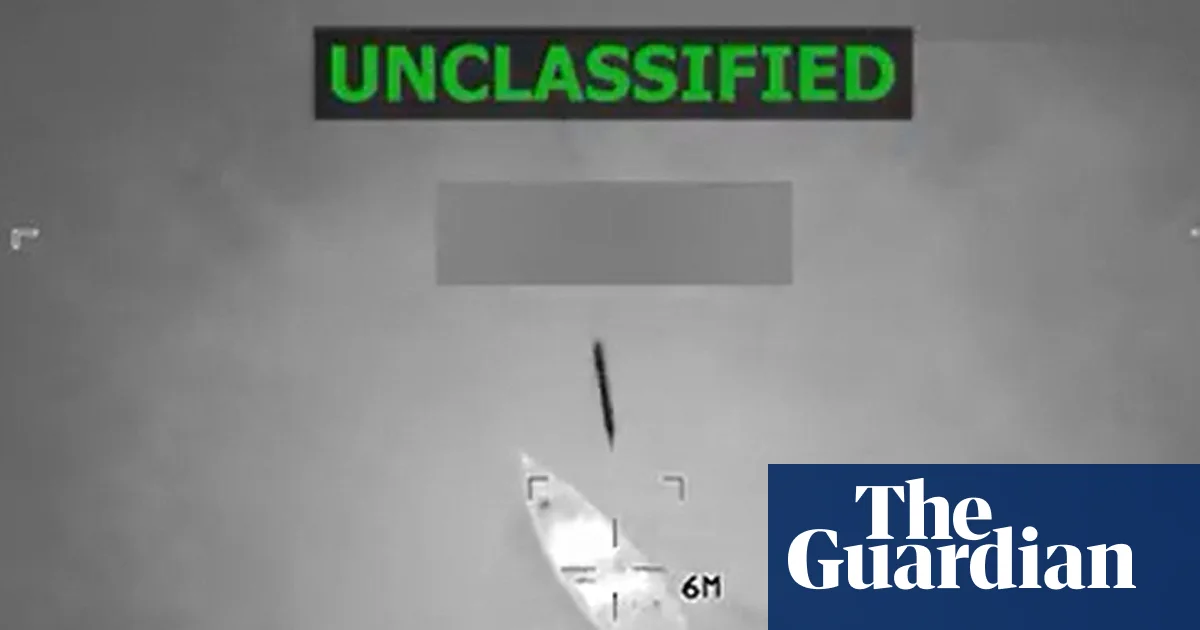
In a development that could have far-reaching geopolitical impact, the United States is facing mounting scrutiny over a deadly naval attack in the Caribbean, where eleven individuals lost their lives. The controversy revolves around the Pentagon’s refusal to publicly release video footage of the incident, stirring international and domestic objections. Democratic leaders and security analysts argue that transparency is vital to assess the legality and moral standards of such military actions, especially given the disturbing reports of a second strike that targeted alleged survivors clinging to wreckage.

This incident has highlighted a broader debate about the limits of military authority and accountability. The attack, which took place on September 2, involved an operation against what US officials described as a drug-smuggling vessel. However, critics, including Democratic Senator Adam Schiff, emphasize that the absence of visual evidence fuels accusations of reckless conduct and potential war crimes. As some members of Congress demand transparency — with Senator Schiff calling for the release of the video — others, like Pentagon officials, cite concerns about safeguarding classified information, revealing a tension between national security and public oversight.

International and Strategic Ramifications

The refusal to share the footage comes at a critical juncture for global perceptions of US military engagement. The incident underscores the risk of escalation in the region, where such actions may erode the US’s image as a defender of moral standards. Analysts warn that this controversy could embolden rival powers like China and Russia, who have been keen to exploit perceived American overreach to justify their own aggressive postures elsewhere. How the Biden administration chooses to handle this controversy will influence the future of American military diplomacy and credibility, especially in unstable regions marked by lawlessness and turmoil.

International organizations, including human rights watchdogs, have expressed concern over the potential violation of international law. Historians note that such incidents, if unresolved or perceived as unjust, tend to serve as catalysts for broader regional conflicts. Furthermore, military experts remind that decisions made in the fog of conflict often bear consequences long after the firing stops, transforming battlefield actions into symbols of moral and strategic dilemmas. As the debate intensifies, the world watches closely — realizing that every clandestine attack, every withheld video, becomes another chapter in a narrative of power, justice, and the fragile morality of warfare.

Reader’s Reflection: The Weight of Unfolding History

As the dust settles and more information surfaces — or is concealed — the core question remains: what echoes will this bequeath in the annals of history? Will the US’s refusal to provide clarity strengthen its resolve and moral authority, or will it diminish its standing and invite doubt? The unfolding story is a stark reminder of the potent consequences when military force is wielded in the shadows, shaping not only the immediate battlefield but also the very fabric of international justice and sovereignty. The world stands at a precipice, evaluating whether the current path embodies strength or peril, and history’s verdict still hangs in the balance, waiting to be written.

Trump orders Pentagon to ramp up nuclear tests to rival Russia and China | Donald Trump

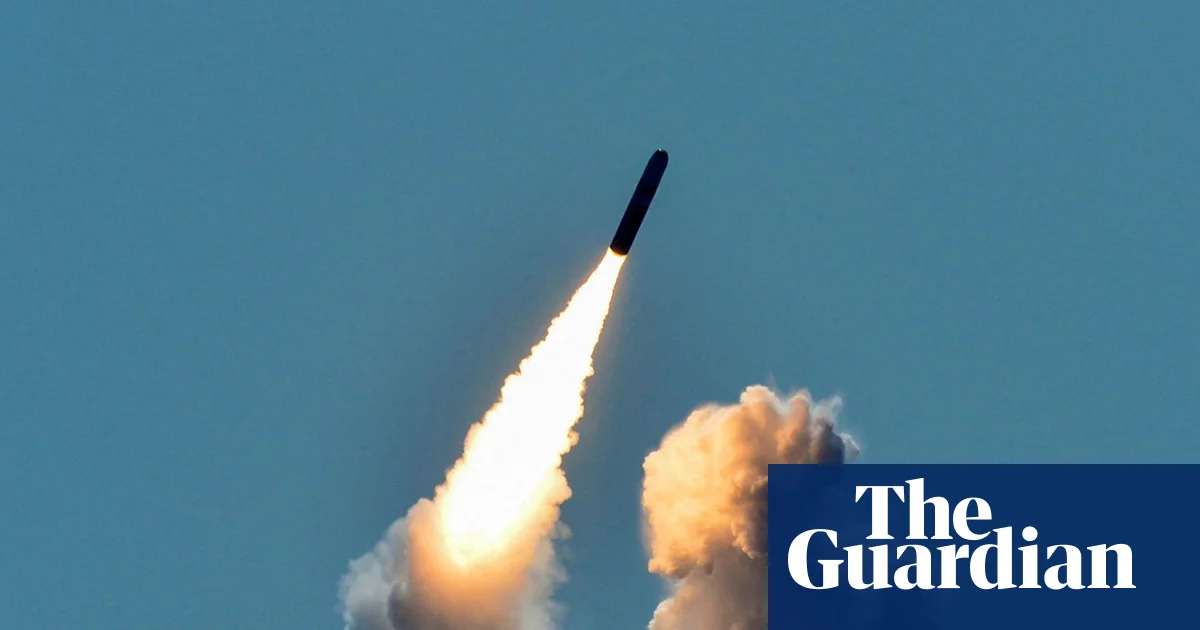
In a **dramatic escalation** of international tensions, Donald Trump has ordered the Pentagon to begin testing U.S. nuclear weapons in direct response to recent advances by Russia and China. This move, announced via social media, marks a **noteworthy shift** from years of US efforts to de-escalate nuclear tensions and cements a stark new reality—one where the world’s leading powers are engaging in a **dangerous game of nuclear one-upmanship**. Trump’s directive coincides with a backdrop where Moscow and Beijing have demonstrated their willingness to modernize and expand their nuclear arsenals, with Russia’s successful test of the Burevestnik cruise missile and Poseidon super torpedo exemplifying a clear intent to project power and undermine existing global stability.

Russia’s recent nuclear tests, including the Burevestnik nuclear-powered cruise missile and the Poseidon super torpedo, signal an **assertive posture** by the Kremlin amidst *breakdowns in diplomatic dialogue* with the West, particularly over the ongoing conflict in Ukraine. These developments are viewed by many analysts as a **deliberate display of strength**, intended to *deter Western interference* and reinforce Russia’s position as a formidable nuclear power. In response, Vladimir Putin has emphasized the need to ensure Russia’s national security, framing these tests as a necessary countermeasure in a new era of uncertainty. Meanwhile, the United States—despite a self-imposed moratorium since 1992—appears poised to re-engage in **nuclear testing**, threatening to ignite a new arms race. The move has sparked alarm among international organizations like the United Nations, which emphasize the catastrophic consequences of an escalated nuclear conflict and warn that such actions risk undoing decades of arms control efforts.

The **geopolitical impact** of Trump’s decision is profound and multifaceted. Not only does it **destabilize regional security architecture**, but it also threatens to undermine *existing treaties* such as the New START Treaty. The historic significance is clear: the revival of nuclear testing signals a departure from *diplomacy and mutual restraint*, opening a dangerous corridor leading toward a potential **nuclear crisis**. As traditional alliances and treaties waver, nations like India and Pakistan watch with concern, aware that a new arms race could destabilize a fragile global order. Leading international scholars, including arms control experts and historians, warn that such decisions “could unleash an era of instability and violence” that the world has sought to avoid since the Cold War’s conclusion.

Amidst this chaos, the **weight of history** looms heavy. The last full nuclear test conducted by the US was over three decades ago, and the silence that followed was seen as a *hope* for eventual disarmament. However, recent incidents suggest that the **axis of nuclear powers** is once again in motion, bringing the world closer to the “shadow of annihilation”. With *each test, each threat, and each escalation*, humanity edges toward an uncertain future. As nations grapple with the choice between peace and war, the question remains: will diplomatic efforts prevail, or will history once again be rewritten on the backdrop of nuclear shadows—a narrative where the clash of titans threatens to define the destiny of civilization itself?

Pentagon Chief Orders New U.S. Strike on Drug Smuggling Boat in the Caribbean

In a move that underscores the escalating global struggle against narcotics trafficking, the United States has conducted its tenth military strike targeting vessels suspected of carrying illegal drugs in the Caribbean and off the coast of South America. According to Pentagon officials, the latest operation resulted in the death of six individuals onboard a vessel believed to be involved in narcotics smuggling along transnational routes. These strikes, authorized and executed under the claim of defending national security and disrupting transnational criminal organizations (TCOs), have sparked considerable debate on the legality and efficacy of U.S. unilateral military interventions.

The administration has rapidly intensified its military posture, deploying the aircraft carrier USS Gerald R. Ford to waters off South America, emphasizing a strategic shift to bolster surveillance and interdiction capabilities in the Western Hemisphere. This move signals a broader geopolitical shift in U.S. foreign policy, with an explicit focus on combating narcotrafficking that threatens both domestic stability and regional security. Analysts suggest that this demonstrates a move toward a more aggressive posture, potentially risking regional destabilization and diplomatic fallout. Since early September, Washington has executed at least 10 strikes, resulting in the deaths of over 40 suspected traffickers, based on unverified claims. However, critics, including numerous civil liberties groups and South American leaders such as Colombian President Gustavo Petro, have condemned the campaigns as extrajudicial murders that violate international norms and sovereignty.

Indeed, the geopolitical impact of these actions extends beyond immediate military objectives. The clandestine role of the Central Intelligence Agency in providing intelligence—reportedly underlying many of these strikes—raises profound questions about transparency and legitimacy. Experts like Dr. Mariana Ruiz, a senior analyst at the International Crisis Group, warn that the secretive nature of intelligence-driven operations could set dangerous precedents. The ambiguous status of alleged affiliations between gangs like Tren de Aragua and designated terrorists complicates the legal framework used to justify these strikes, challenging international law and the sovereignty of affected nations.

Beyond the legal and moral controversies, these actions reveal a broader shift in U.S. strategic priorities. While the White House contends that the President is exercising constitutional authority under Article 2—a controversial interpretation—many legal scholars highlight the lack of explicit congressional approval and question whether such strikes are justified as acts of self-defense. Meanwhile, regional reactions remain overwhelmingly critical; Colombia, a frontline state in narcotics trafficking, decries these operations as “murder,” emphasizing that such policies risk destabilizing already fragile alliances and creating new fertile grounds for conflict. As global watchdogs and analysts grapple with the implications, it is clear that these strikes symbolize more than just a war on drugs. They mark a pivotal moment — a dramatic chapter in the unfolding narrative of international power, sovereignty, and the relentless pursuit of safety in an increasingly chaotic world.

Trump Orders Pentagon to Keep Troops Paid Amid Shutdown

The United States faces an escalating political crisis as a prolonged government shutdown enters its third week, highlighting deep partisan divisions that threaten the stability of American institutions. President Donald Trump has issued a direct order to Defense Secretary Pete Hegseth to prioritize military personnel’s pay despite the shutdown, which began on October 1st. This decision underscores the importance of military readiness in the face of political gridlock, as the administration seeks to prevent a crisis within the armed forces. It also signals a tactical move to shield troops from financial hardship, even as other federal departments face significant layoffs and budget cuts. The decision’s geopolitical impact could ripple across international security dynamics, especially as allies monitor Washington’s fragile political resolve.

The shutdown stems from a standoff between Republicans and Democrats, with each side blaming the other for failing to reach a compromise. The Democrats have demanded the preservation of expiring tax credits aimed at lowering healthcare costs and reversing cuts to Medicaid, which primarily affects vulnerable populations. Conversely, Trump and his party accuse Democrats of obstructing national security and economic stability to achieve political goals. As analysts warn, this impasse not only endangers domestic policies but also risks weakening America’s global image as a reliable superpower. The measure to ensure military pay reflects a strategic calculation: maintaining military morale while politicians remain deadlocked, but it also raises questions about the long-term implications of political brinkmanship on international alliances.

Meanwhile, the administration has initiated unprecedented layoffs of thousands of government workers, an aggressive tactic designed to pressure Democrats to cave. Disaster response teams, health agencies, and security services have been affected, with over 4,000 employees laid off within just days. White House officials claim these layoffs are temporary, yet union representatives, including leaders from the American Federation of Government Employees and AFL-CIO, argue that these actions are not only illegal but also detrimental to public safety and national well-being. The potential for widespread government paralysis exposes the fragile foundations of America’s internal stability, as factions dig deeper into their trenches. International observers and organizations are watching with concern, recognizing that such political confrontations could embolden external adversaries or destabilize sectors such as cybersecurity, healthcare, and infrastructure—areas already strained by the ongoing crisis.

This critical juncture underscores a broader truth: the decisions made within the halls of power now will echo through history, shaping the **geopolitical landscape** for generations. As foreign nations assess Washington’s internal struggle, they scrutinize whether the American political system can withstand internal strife or if it risks falling into disarray. Historians warn that prolonged governmental shutdowns—if left unresolved—have profound consequences, weakening America’s power projection and eroding trust among allies and adversaries alike. The dark clouds of uncertainty loom as essential services teeter on the brink, leaving humanity to wonder if this chapter marks a temporary crisis or the prologue to a much darker era of American decline. With the pen in the hands of divided leaders, the weight of history presses heavily on the present, yet the story remains unwritten, waiting to be shaped by the choices of those still in power.

Social Media Auto Publish Powered By : XYZScripts.com