Matox News

Truth Over Trends, always!

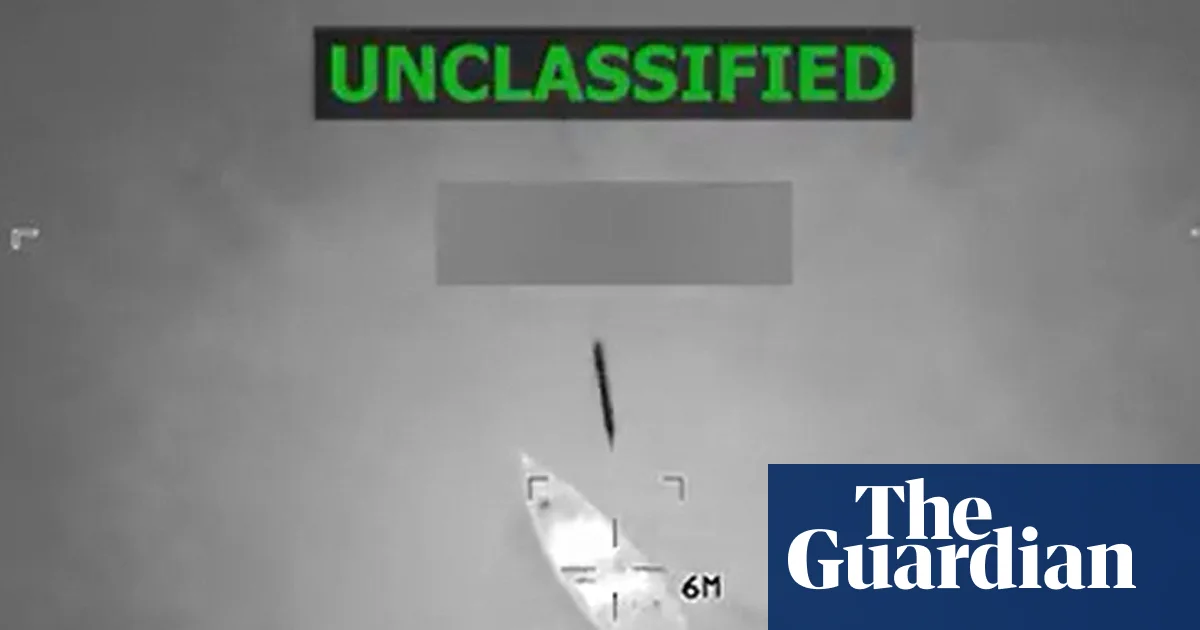
Pentagon Chief Orders New U.S. Strike on Drug Smuggling Boat in the Caribbean

In a move that underscores the escalating global struggle against narcotics trafficking, the United States has conducted its tenth military strike targeting vessels suspected of carrying illegal drugs in the Caribbean and off the coast of South America. According to Pentagon officials, the latest operation resulted in the death of six individuals onboard a vessel believed to be involved in narcotics smuggling along transnational routes. These strikes, authorized and executed under the claim of defending national security and disrupting transnational criminal organizations (TCOs), have sparked considerable debate on the legality and efficacy of U.S. unilateral military interventions.

The administration has rapidly intensified its military posture, deploying the aircraft carrier USS Gerald R. Ford to waters off South America, emphasizing a strategic shift to bolster surveillance and interdiction capabilities in the Western Hemisphere. This move signals a broader geopolitical shift in U.S. foreign policy, with an explicit focus on combating narcotrafficking that threatens both domestic stability and regional security. Analysts suggest that this demonstrates a move toward a more aggressive posture, potentially risking regional destabilization and diplomatic fallout. Since early September, Washington has executed at least 10 strikes, resulting in the deaths of over 40 suspected traffickers, based on unverified claims. However, critics, including numerous civil liberties groups and South American leaders such as Colombian President Gustavo Petro, have condemned the campaigns as extrajudicial murders that violate international norms and sovereignty.

Indeed, the geopolitical impact of these actions extends beyond immediate military objectives. The clandestine role of the Central Intelligence Agency in providing intelligence—reportedly underlying many of these strikes—raises profound questions about transparency and legitimacy. Experts like Dr. Mariana Ruiz, a senior analyst at the International Crisis Group, warn that the secretive nature of intelligence-driven operations could set dangerous precedents. The ambiguous status of alleged affiliations between gangs like Tren de Aragua and designated terrorists complicates the legal framework used to justify these strikes, challenging international law and the sovereignty of affected nations.

Beyond the legal and moral controversies, these actions reveal a broader shift in U.S. strategic priorities. While the White House contends that the President is exercising constitutional authority under Article 2—a controversial interpretation—many legal scholars highlight the lack of explicit congressional approval and question whether such strikes are justified as acts of self-defense. Meanwhile, regional reactions remain overwhelmingly critical; Colombia, a frontline state in narcotics trafficking, decries these operations as “murder,” emphasizing that such policies risk destabilizing already fragile alliances and creating new fertile grounds for conflict. As global watchdogs and analysts grapple with the implications, it is clear that these strikes symbolize more than just a war on drugs. They mark a pivotal moment — a dramatic chapter in the unfolding narrative of international power, sovereignty, and the relentless pursuit of safety in an increasingly chaotic world.
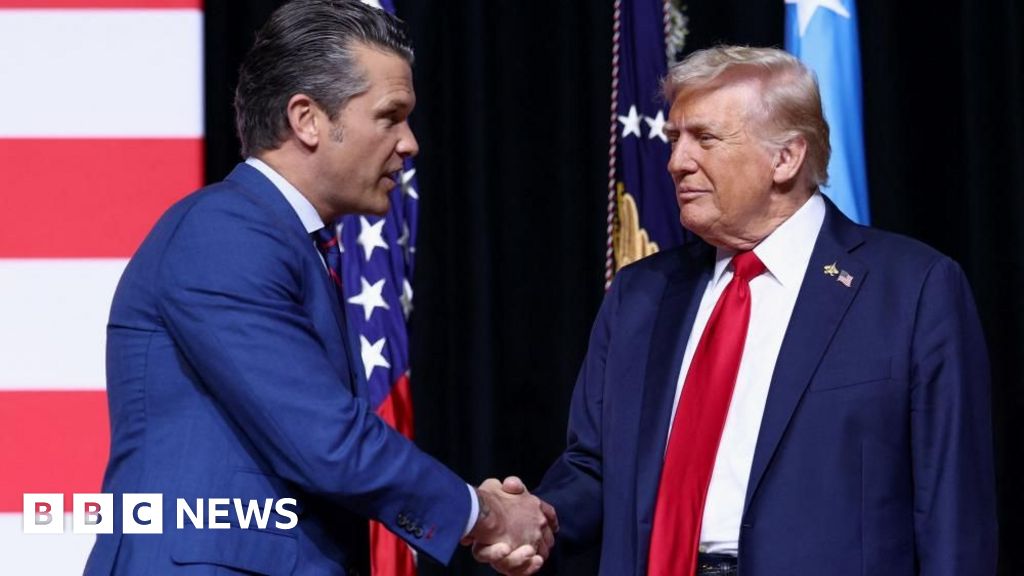

Trump Orders Pentagon to Keep Troops Paid Amid Shutdown

The United States faces an escalating political crisis as a prolonged government shutdown enters its third week, highlighting deep partisan divisions that threaten the stability of American institutions. President Donald Trump has issued a direct order to Defense Secretary Pete Hegseth to prioritize military personnel’s pay despite the shutdown, which began on October 1st. This decision underscores the importance of military readiness in the face of political gridlock, as the administration seeks to prevent a crisis within the armed forces. It also signals a tactical move to shield troops from financial hardship, even as other federal departments face significant layoffs and budget cuts. The decision’s geopolitical impact could ripple across international security dynamics, especially as allies monitor Washington’s fragile political resolve.

The shutdown stems from a standoff between Republicans and Democrats, with each side blaming the other for failing to reach a compromise. The Democrats have demanded the preservation of expiring tax credits aimed at lowering healthcare costs and reversing cuts to Medicaid, which primarily affects vulnerable populations. Conversely, Trump and his party accuse Democrats of obstructing national security and economic stability to achieve political goals. As analysts warn, this impasse not only endangers domestic policies but also risks weakening America’s global image as a reliable superpower. The measure to ensure military pay reflects a strategic calculation: maintaining military morale while politicians remain deadlocked, but it also raises questions about the long-term implications of political brinkmanship on international alliances.

Meanwhile, the administration has initiated unprecedented layoffs of thousands of government workers, an aggressive tactic designed to pressure Democrats to cave. Disaster response teams, health agencies, and security services have been affected, with over 4,000 employees laid off within just days. White House officials claim these layoffs are temporary, yet union representatives, including leaders from the American Federation of Government Employees and AFL-CIO, argue that these actions are not only illegal but also detrimental to public safety and national well-being. The potential for widespread government paralysis exposes the fragile foundations of America’s internal stability, as factions dig deeper into their trenches. International observers and organizations are watching with concern, recognizing that such political confrontations could embolden external adversaries or destabilize sectors such as cybersecurity, healthcare, and infrastructure—areas already strained by the ongoing crisis.

This critical juncture underscores a broader truth: the decisions made within the halls of power now will echo through history, shaping the **geopolitical landscape** for generations. As foreign nations assess Washington’s internal struggle, they scrutinize whether the American political system can withstand internal strife or if it risks falling into disarray. Historians warn that prolonged governmental shutdowns—if left unresolved—have profound consequences, weakening America’s power projection and eroding trust among allies and adversaries alike. The dark clouds of uncertainty loom as essential services teeter on the brink, leaving humanity to wonder if this chapter marks a temporary crisis or the prologue to a much darker era of American decline. With the pen in the hands of divided leaders, the weight of history presses heavily on the present, yet the story remains unwritten, waiting to be shaped by the choices of those still in power.

Social Media Auto Publish Powered By : XYZScripts.com


