Matox News

Truth Over Trends, always!

May 3, 2026: Tourists Clash, Warbirds Fly, Perfume Capital Battles Challenges

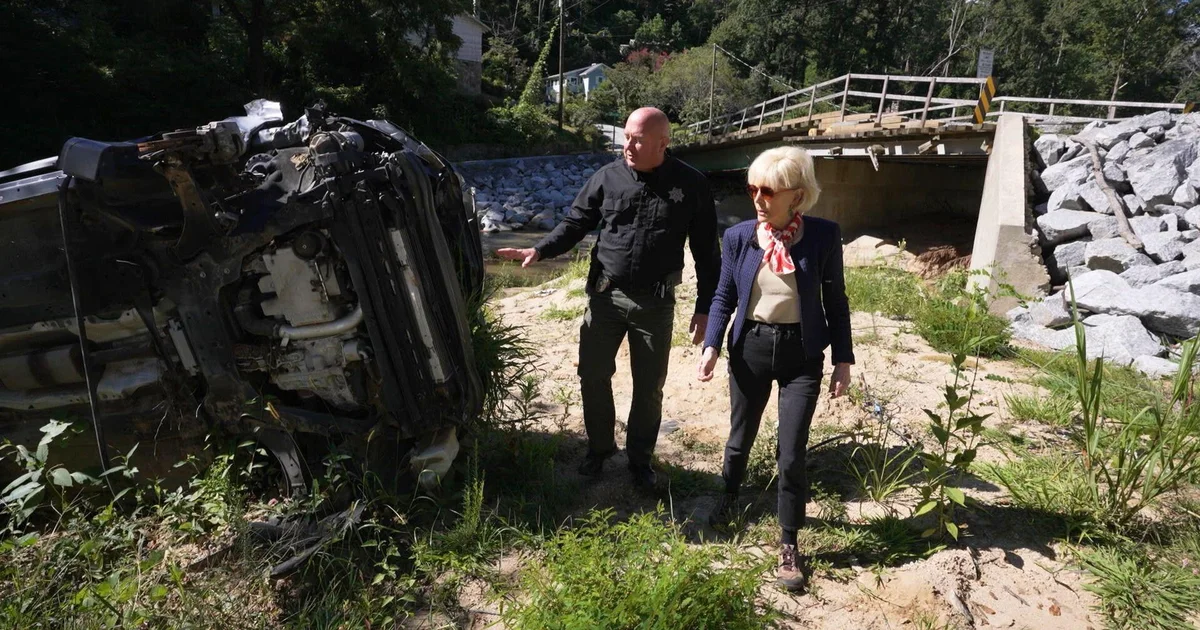
Recent developments reveal a complex and tempestuous landscape where power struggles and ideological shifts define the trajectory of nations. The surprising presence of a white nationalist volunteer assisting in hurricane relief efforts exposes the deep currents of societal division. It underscores a broader narrative: in times of crisis, nationalism and populism often gain traction, as certain segments of the population seek to reaffirm identity and sovereignty amidst chaos. Critics argue that such figures exemplify **the dangerous allure of identity politics**, which threaten to fracture social cohesion, while advocates claim they embody a raw, authentic response to perceived neglect by elites.

Meanwhile, the influx of birdwatchers—**”birders”**—who have flocked to regions following recent disarmament of guerrillas, signifies a **shift in local stability and security**. This phenomenon illustrates how conflict resolution, when accompanied by policy reforms or disarmament initiatives, can have broader societal effects, attracting new economic activities and altering demographic compositions. However, the presence of armed insurgent groups often serves as a reminder of ongoing state fragility. The decision to disarm guerrillas, championed by certain governments under international pressure, echoes historical parallels such as post-conflict demilitarization efforts in the Balkans or South America—acts fraught with both promise and peril. The question remains: will these reforms lead to lasting peace, or will they embolden factions to reemerge?

Turning our gaze toward Europe’s venerable city of Grasse, often dubbed the perfume capital of the world, we observe a different dynamic. Here, history and commerce intertwine — a narrative reflecting how economic identity can serve as a symbol of resilience amid geopolitical upheaval. The city’s prosperity is rooted in centuries of craftsmanship, yet recent global trends demonstrate how *cultural pride and economic policy* can be used as tools within larger ideological battles. The local push to safeguard traditional industries against rapid globalization echoes the conservative defense of sovereignty and cultural preservation.

In this landscape, political theorists like Carl Schmitt underscore the importance of **decisionism**: when democracies face existential threats or unprecedented challenges, sovereignty is tested by decisive action. As constitutional experts debate the limits of executive powers, the emergent theme is how states navigate the delicate balance of authority and liberty. Just as historical parallels—such as the emergence of nation-states in turbulent eras—highlight the importance of leadership during crisis, today’s decision-makers are shaping a future where the **stakes are nothing less than national identity and global stability**. Politics, therefore, is not merely the pursuit of power but the imperial arena where destiny is scripted with each act of governance, where the echoes of yesterday’s choices orbit into tomorrow’s destiny.
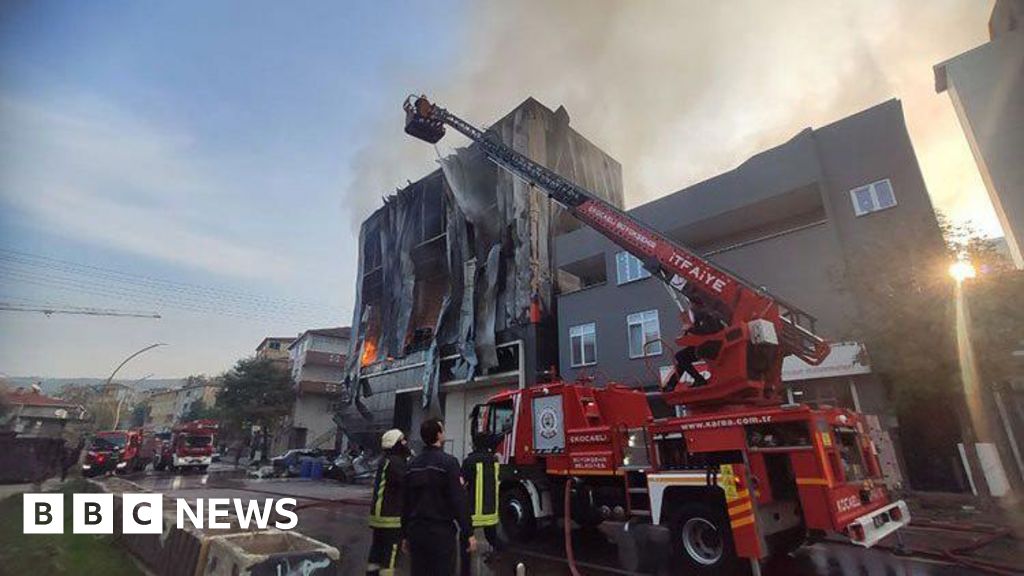
Fire at Turkey perfume warehouse claims six lives, highlighting safety concerns

In a devastating incident that underscores Turkey’s ongoing industrial vulnerabilities, a fire erupted at a perfume warehouse located in the industrial hub of Dilovasi, in Kocaeli Province. The blaze, which broke out early Saturday morning, resulted in the tragic loss of six lives and left five others hospitalized. The incident highlights the dangers inherent in Turkey’s robust yet often perilously managed manufacturing sector, especially in regions teeming with factories and depots crucial to its economic infrastructure.

Authorities from both the Justice Ministry and the Labour Ministry have launched comprehensive investigations into the incident, aiming to determine the cause of the fire, which remains unspecified as of now. Witnesses describe a sudden explosion that ignited the flames, engulfing nearby facilities and creating a scene of chaos. The local government, led by Kocaeli Metropolitan Municipality, has reported that the fire has been fully extinguished but emphasized the importance of scrutinizing industrial safety protocols. The accident comes as a reminder that Turkey, despite its growing economic influence, continues to grapple with safety standards that often lag behind its rapid industrial expansion.

Analysts and international commentators suggest that this tragedy exposes the broader vulnerabilities within Turkey’s industrial and economic systems, which are intertwined with its increasingly complex geopolitical position. As Turkey navigates its ascent on the global stage, it faces mounting pressure from internal and external forces demanding greater accountability and safety. The incident could catalyze international calls for Turkey to align its manufacturing practices with more stringent safety and environmental standards, particularly from organizations such as OECD and EU regulatory bodies. This event also risks tarnishing Turkey’s reputation as a key player in regional commerce, potentially impacting foreign investment and diplomatic relations, especially with Western allies concerned about stability and rule of law.

Historically, Turkey has been a strategically vital actor straddling continents and cultures, with its industrial capacity serving as a cornerstone of its geopolitical ambition. Yet, as experts warn, such tragedies are a stark reminder that economic growth must never come at the cost of human safety. The fire at the perfume warehouse could serve as a turning point—pushing reforms or, conversely, deepening concerns over regulatory negligence. With Turkey’s strategic importance in the Eurasian corridor, how it responds to these setbacks will resonate far beyond its borders, potentially shaping the regional balance of power in unpredictable ways.

As the dust settles over the smoldering ruins of Dilovasi, history continues to be written—one chapter of industrial peril and geopolitical consequence at a time. The flames may be doused, but the questions about safety, governance, and international responsibility remain ablaze. For nations observing from afar, the unfolding response to this tragedy will be a testament not just to Turkey’s resilience but also to its capacity to reconcile economic ambitions with the fundamental duty of safeguarding its people. The weight of these moments hangs heavy in the air—waiting, as always, for the next turn in history’s relentless march.

Social Media Auto Publish Powered By : XYZScripts.com



