
Matox News

Truth Over Trends, always!

Samsung Teams Up with Perplexity to Boost Galaxy AI Power

Samsung Unveils Multi-Agent AI Ecosystem in Galaxy S26, Signaling a New Era of Disruptive Innovation

In a bold move underscoring its commitment to innovation and ecosystem disruption, Samsung has announced the integration of a multi-agent AI ecosystem within its upcoming Galaxy S26 lineup. This strategic shift aims to redefine user interaction with mobile devices, leveraging a diverse array of AI assistants including Bixby, Google Gemini, and Perplexity, which users will invoke via voice commands like “hey, Plex.” The company’s approach places it at the forefront of enterprise-level AI competition, challenging existing industry dominance by large players such as Apple and Google.

The concept of a multi-agent ecosystem introduces significant business implications. Samsung’s new feature allows users to seamlessly summon different AI agents tailored to specific tasks—whether it’s managing notes, setting reminders, or analyzing images—highlighting a shift toward specialized AI collaboration rather than monolithic assistants. Perplexity, a core component, will access native apps like Samsung Notes, Gallery, and Calendar, as well as select third-party services, though particulars remain proprietary. This openness fosters business innovation and encourages third-party developers to participate in an expanding multi-agent marketplace.

  • Enables specialized AI agents to handle interoperability, boosting user productivity
  • Expands ecosystem flexibility to include third-party app integration
  • Disrupts traditional single-assistant models, incentivizing competition and innovation

Experts from MIT and industry analysts from Gartner underscore that this move could catalyze a paradigm shift in mobile AI. According to Gartner, businesses which embrace multi-agent AI ecosystems are poised to gain a competitive edge in user engagement and personalized service delivery. Meanwhile, industry veteran Elon Musk has repeatedly warned of AI fragmentation and lack of interoperability as major threats to user experience, making Samsung’s approach a potential blueprint for the future.

Pending the upcoming unpacked event, where more details are expected, industry leaders and developers alike will be watching closely. Samsung’s vision indicates a future where multi-agent AI systems not only augment human capabilities but also fundamentally alter how devices interact within complex, interconnected ecosystems. If successful, this could accelerate the trend towards intelligent, autonomous systems embedded deeply into daily life, with profound implications across sectors from telecoms to enterprise software.

As competition intensifies and AI technologies evolve at a breakneck pace, the question isn’t whether the industry will adopt multi-agent architectures—it’s how quickly and effectively it can innovate within this new paradigm. Samsung’s strategic push into ecosystem disruption positions it as a key player shaping the future of mobile AI. Forward-looking companies and developers must act swiftly to harness this emerging landscape, or risk being left behind in a race defined by technological agility and bold vision.
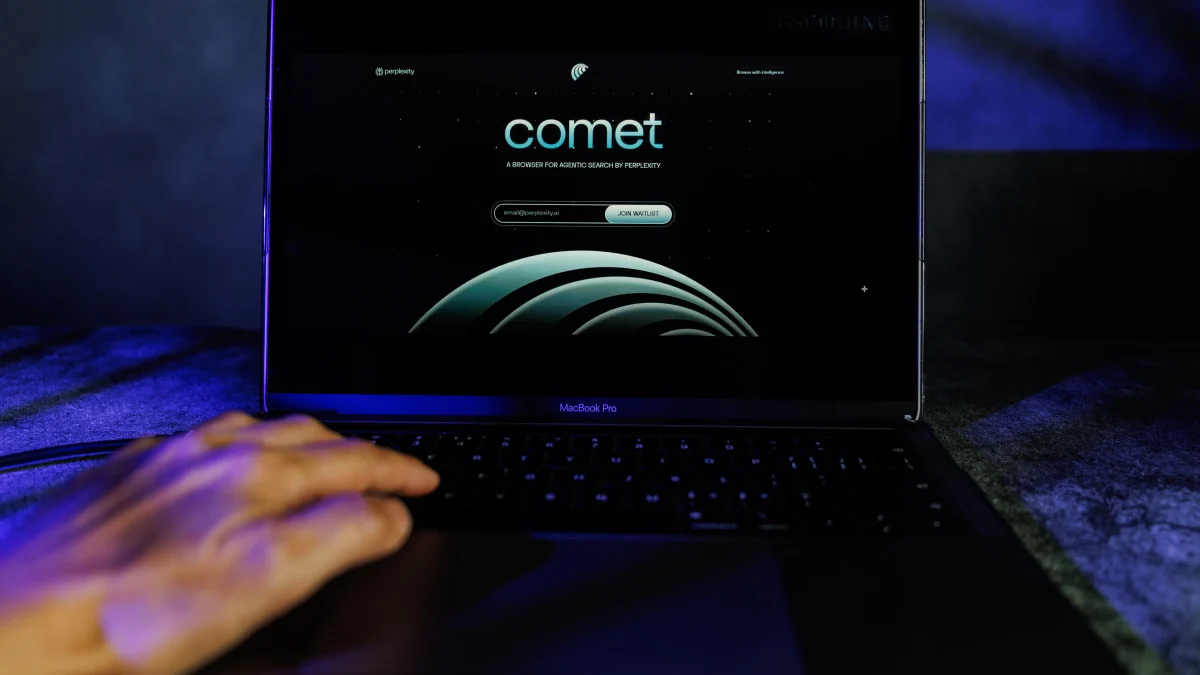
Perplexity Drops Comet AI Browser—Here’s How Young Trendsetters Can Get a First Look

In the rapidly evolving landscape of technology and digital consumption, artificial intelligence continues to disrupt traditional online behaviors, positioning itself as the new cornerstone of innovation. The latest frontrunner in this movement is Perplexity with its recently launched Comet AI web browser, now available freely for desktop users. This development isn’t just a minor software update; it signifies a cultural shift towards mainstream acceptance of AI as an integral part of how we explore and interact with the internet.

When Comet first debuted over the summer, access was limited to invite-only or paid subscriptions, creating a sort of exclusive club for early adopters and tech enthusiasts. However, the recent move to open access for all users reflects a broader industry trend—democratizing AI tools and pushing them into the hands of everyday consumers. This transition could be seen as the start of a new era, where AI becomes a standard feature rather than an emerging novelty. Influencers and digital trend analysts are already heralding Comet as a prime example of how AI-integrated browsing is poised to redefine the way younger generations engage with the internet. As these tools become more user-friendly and accessible, it raises a crucial question: will AI browsers dominate the future of search, supplanting traditional engines like Google, or will they merely supplement our existing search habits?

How Comet Reshapes the Digital Playground

Comet’s standout feature is its seamless integration of an AI assistant directly into the browsing experience. Unlike conventional browsers where users switch between tabs or separate apps, Comet allows users to interact, ask questions, and even perform tasks directly within the browser environment. This built-in AI makes information retrieval faster and more intuitive, aligning perfectly with the tech-savvy, fast-paced lifestyle of today’s youth. According to sociologists studying digital behaviors, this fusion of AI with everyday browsing signifies more than just convenience; it fosters a new form of digital literacy where AI and human interaction become indistinguishable.

  • Efficiency: Instantly get context-aware answers without disrupting your workflow.
  • Customization: Learn user preferences and tailor search results accordingly.
  • Social relevance: Stay ahead on trending topics with real-time AI insights integrated into your browsing sessions.

The societal impact of this shift is profound. As young users increasingly rely on AI-powered tools, a new cultural identity begins to form—one where tech literacy and quick adaptability are highly valued. Influencers within the tech community highlight Comet’s potential to foster a generation of independent digital explorers who do not merely passively consume content but actively shape their online world with AI assistance.

The Broader Implications for Society and Future Trends

While Comet’s free release might seem like just an upgrade in convenience, it underscores an important social milestone. The accessibility of AI tools like Comet signals a future where AI-driven browsing could become the norm across different demographics, not just niche tech circles. Moreover, as these tools continue to rise, they could influence education, workplaces, and even social interactions. Experts like futurists and digital sociologists ask, are we moving toward a future where AI enhances human agency or diminishes it?

What remains to be seen is how this shift will shape our cultural landscape. Will AI browsers foster greater independence and creative freedom, or will they consolidate algorithms that push us toward more homogenized internet consumption? The next big question therefore is not just about technology; it’s about how our society as a whole chooses to integrate and regulate AI. As youth-driven trends push for more accessible, intuitive AI tools like Comet, society must grapple with the social and ethical implications of living in an increasingly AI-enhanced digital world.

Social Media Auto Publish Powered By : XYZScripts.com



