Matox News

Truth Over Trends, always!

Iran Youth Speak Out on Personal Heartache Amid Crackdown

Iranian Unrest: A Nation in Turmoil

The Islamic Republic of Iran finds itself engulfed in one of the most intense waves of anti-government protests in its modern history. What initially began as a response to economic hardship has quickly evolved into a broader movement calling for fundamental political change. The protests, sparked in late December, have shown an unprecedented level of resilience among Iran’s youth, and their scale suggests an erosion of the regime’s longstanding grip on power. With reports of over 6,000 confirmed deaths—collated by human rights organizations—these events will undoubtedly reverberate across Middle Eastern geopolitics and challenge the narrative of stability traditionally promoted by Tehran’s leadership.

Violence on the Streets and Suppression Tactics

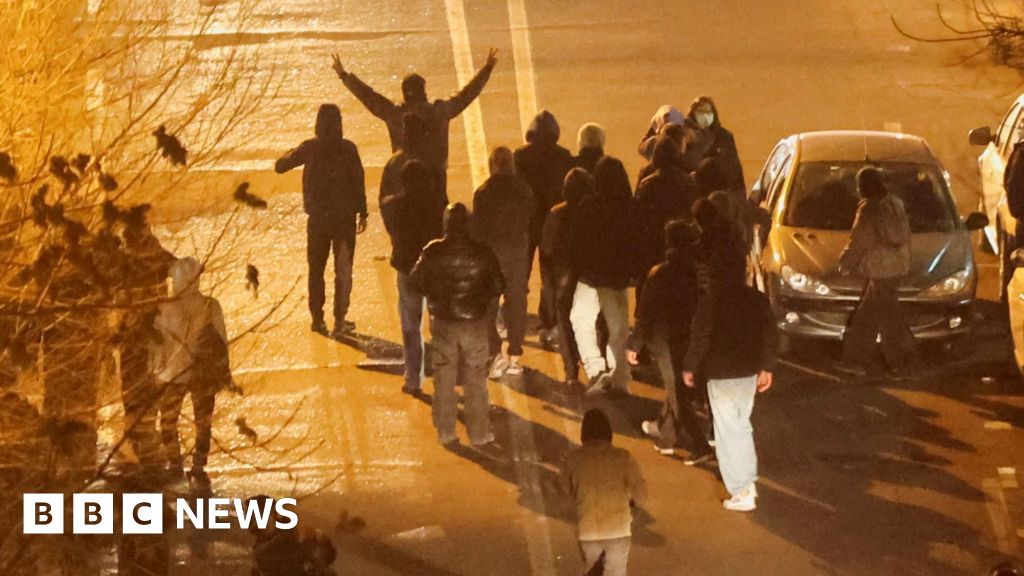
Eyewitness accounts and verified footage attest to the brutal response from Iranian security forces. Reports of security personnel firing live ammunition at protesters with impunity paint a harrowing picture of state repression, which includes the use of pellet guns targeting faces, eyes, and heads of demonstrators. One eyewitness, Parham, described how friends and fellow protesters were victims of targeted violence—some shot in the forehead or eye—resulting in several casualties. The government insists that most of the 3,100 reported deaths involve rioters and security personnel, but eyewitness testimonies and medical reports suggest a different story. As protesters organize despite a near-total internet shutdown, the urban battlegrounds resemble scenes from a conflict zone, stirring fears of a nationwide crackdown that could threaten Iran’s internal stability.

International and Geopolitical Ramifications

The fate of these protests holds significant geopolitical impact. Both Western nations and regional actors are watching closely, aware that regime stability in Tehran affects regional security, energy markets, and the balance of power in the Gulf. While U.S. policymakers and human rights advocates call for accountability, Tehran accuses foreign agents of fomenting chaos, framing the unrest as U.S.-backed riots. Such narratives, disseminated through state-controlled media, aim to legitimize the crackdown and rally nationalist sentiments. Historians like Professor Sarah Johnson warn that suppressing such mass dissent could deepen Iran’s reputation as a pariah state, potentially fueling further instability and driving a wedge between Iran and its neighboring countries.

The Struggle for Truth and the Human Toll

The personal toll of the unrest is staggering. Families are being coerced—forced to pay large sums or falsely record their loved ones as security personnel—an attempt to obscure the real death toll and punish grieving relatives. Survivors like Sina, who bears pellets in his eyes, highlight the brutal physical toll exacted by Iran’s security apparatus, which has used live fire and pellet guns indiscriminately. Reports from medical facilities confirm widespread injuries and trauma, with hospitals overwhelmed by victims of violence. Amid this chaos, the international community faces a dilemma: uphold human rights standards or accept Iran’s narrative of unrest as a foreign conspiracy. As history unfolds, it remains to be seen whether the voices of Iran’s youth and the suffering families will be heard or drowned out by the regime’s heavy-handed tactics.

The End of Silence or the Calm Before the Storm?

As the world stands on the precipice, pondering the significance of this upheaval, history reminds us that such moments are rarely fleeting. With each passing day, the sovereignty of Iran is being tested, and the trajectory of its future hangs in a delicate balance—one that will define the course of the Middle East for decades to come. Will Iran’s leaders tighten their grip, or will the indomitable spirit of its youth ignite a new chapter of reform? The answer is yet to be written, echoing through the corridors of history, with the weight of countless lives and the destiny of a nation hanging in the balance.

Meta: Alleged Porn Downloads Tied to AI Lawsuit Were Just for Personal Use

Meta Fires Back at Allegations Over IP and AI Training Practices

In a high-stakes legal battle that underscores the rapidly evolving landscape of artificial intelligence and intellectual property, Meta has publicly dismissed claims from Strike 3 that suggest the tech giant engaged in suspicious activities related to AI training data. According to Meta, the allegations lack credible evidence or specifics, and are instead rooted in unfounded speculation. The company’s recent court filings articulate a compelling narrative that challenges the very foundation of Strike 3’s accusations, emphasizing the importance of clarity and fairness in the fast-moving AI marketplace.

At the core of Meta’s argument is its assertion that the complainant has failed to identify any individuals linked directly to the alleged IP address misuse or associated with Meta roles in AI development. The company’s legal team pointed out that “tens of thousands of employees, contractors, visitors, and third parties” access their internet infrastructure daily, making it impossible to pin down specific malicious activity without concrete evidence. Meanwhile, Meta emphasizes that any activity involving downloads of IP content over the past seven years could just as plausibly be linked to third parties such as contractors or vendors, rather than the company itself, highlighting the pervasive challenges in tracing digital activity securely and accurately in a complex corporate environment.

Adding to the company’s strong stance, Meta argues that claims suggesting a clandestine “stealth network” of hidden IPs are both “nonsensical” and unsupported. The complaint proposes a scenario where Meta might conceal certain downloads to evade detection, yet the company questions such logic—pointing out inconsistencies like why an organization would use easily traceable IP addresses for one set of data, but covert channels for another. This critique underscores a broader industry trend: the push for transparency and accountability in AI training practices, which remains a contentious issue as the sector accelerates toward new frontiers of disruption and innovation.

The implications for business innovation are profound. As AI continues to revolutionize markets and redefine competitive advantages, corporate transparency becomes a strategic imperative. Companies that can demonstrate clear, responsible data practices will likely gain the TRUST of users and regulators alike—an essential factor in navigating the emerging era of AI-first enterprises. Conversely, unfounded legal claims risk fueling regulatory uncertainty, potentially stifling disruptive advancements and delaying the deployment of transformative technologies. As analysts from Gartner and MIT warn, unresolved legal disputes and the erosion of trust could hamper AI’s integration into critical sectors such as healthcare, finance, and autonomous systems.

Looking ahead, the unfolding legal discourse surrounding Metas AI training methods signals a critical juncture. Industry leaders like Elon Musk and Peter Thiel advocate for “rigorous accountability” in AI development, emphasizing that innovation must proceed responsibly without compromising on ethical standards. With the sector poised for exponential growth, remaining vigilant and adaptive to both technological and regulatory shifts is crucial. The scene is set for a future where transparency and accountability are the cornerstones of sustainable disruption—yet the stakes could not be higher. Companies that seize this moment to lead with integrity will shape the next epoch of technological evolution, while those mired in ambiguity risk falling behind in a fiercely competitive global landscape. The race for AI dominance is accelerating, and the ability to delineate fact from fiction will determine who emerges victorious in the decades to come.

Letitia James Claims Trump’s Using Justice System for Personal Gain—US Politics in Flux

Global Geopolitical Tensions Escalate Amid U.S. Political Turmoil

In an era marked by deepening international instability, recent developments in the United States underscore how internal political strife can reverberate globally, challenging the delicate balance of power and alliance. As the nation grapples with a series of political indictments and legislative deadlocks, the flames of foreign policy crises threaten to ignite broader conflicts, strategically shifting the world’s geopolitical landscape.

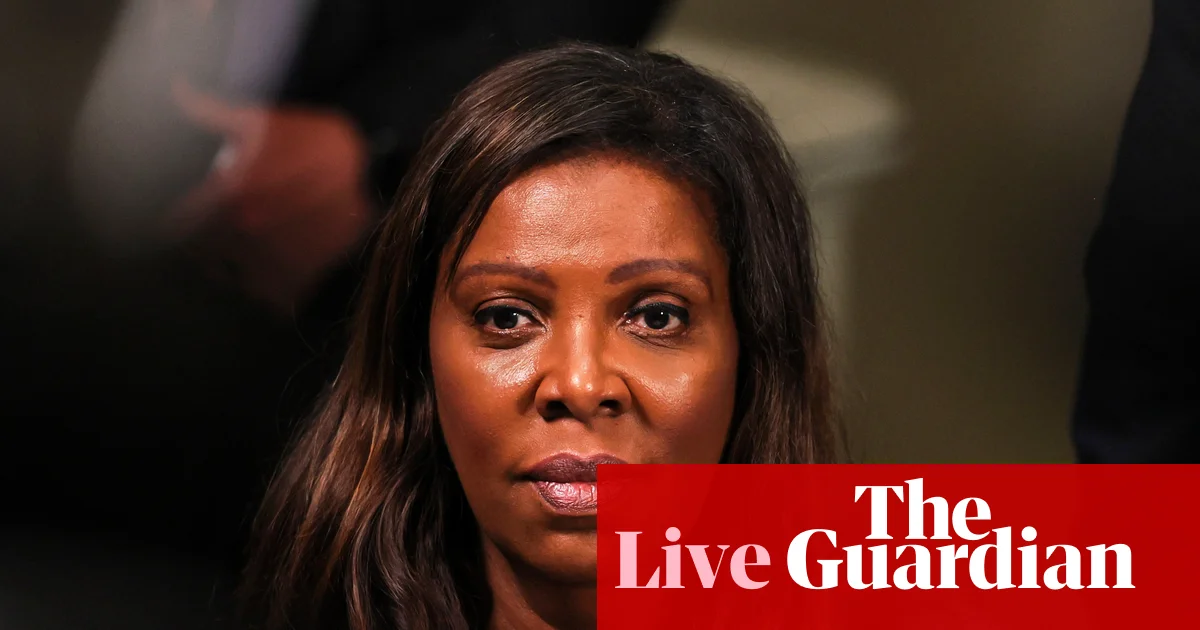
The indictment of Letitia James, the New York attorney general, exemplifies the ongoing strategy by President Donald Trump to weaponize the justice system against political rivals. Critics argue that this is a clear demonstration of how internal upheaval in the United States can be exploited to weaken its standing on the global stage. International analysts highlight that such internal conflicts diminish the U.S.’s moral authority, especially as it seeks to navigate crises like the Middle East turmoil or challenges from rival superpowers. Moreover, President Trump’s efforts to rival his previous diplomatic achievements, such as the contentious support for Israel with troop deployments and the failure to secure a Nobel Peace Prize, reflect a nation that is increasingly unpredictable and divided—a reality that complicates U.S. international commitments at a time of rising global tensions.

Meanwhile, the U.S.-Israel alliance faces new tests as American troops, initially deployed to support a ceasefire monitoring mission, have become a focal point of international concern. The decision to send 200 troops to Israel underlines the U.S.’s urgent pursuit to project power in the region after years of instability, but it also raises questions about escalation. Meanwhile, federal courts across the nation have issued rulings that hamper the deployment of National Guard troops, highlighting how domestic unrest can threaten international peace initiatives. These legal battles exemplify the ongoing struggle between legal authority and executive powers, revealing a nation where internal legal conflicts threaten to spill over into global diplomatic spheres.

The geopolitical impact becomes even more apparent as the world witnesses the U.S. remain deadlocked on domestic legislative issues: a government shutdown that not only compromises its internal stability but also dilutes its influence abroad. The Senate’s inability to pass crucial defense and budget bills signals to allies and adversaries alike that America’s commitments are shaky at best. Additionally, the warning from the head of America’s largest bank about the >possibility of a market crashem> underscores the rising economic instability that inevitably impacts nations worldwide. As international organizations observe these developments, the consensus among global taxonomies and think tanks is that the USA’s internal chaos emboldens competitors like China and Russia, who view the disarray as a strategic advantage.

As history continues to unfold, the lingering shadow of internal U.S. conflict raises a sobering question: How much longer can the world’s most powerful democracy maintain its gravitational pull without risking a broader collapse? The stages are set—alliances are tested, and the nation’s internal fissures threaten to become cracks that could fracture the global order. In this moment, the weight of history presses heavy on the collective conscience of nations across the globe, awaiting the next chapter in an unfolding saga of power, betrayal, and the relentless pursuit of control.

Nicole Kidman & Keith Urban Split Amid Personal Struggles

From Hollywood to the World Stage: The Hidden Signals of Modern Divorces and International Power Shifts

In an era where personal life stories of global celebrities often mirror or divert attention from pressing international conflicts, recent events in the entertainment world serve as unintentional yet potent metaphors for geopolitical change. Nicole Kidman’s filing for divorce from Keith Urban, after a 19-year marriage, has caught public attention but also subtly echoes the shifting sands of global alliances, transparency, and societal values. While this star-studded split may seem merely domestic, scholars and analysts argue that such personal upheavals reveal underlying currents that affect entire nations and their futures.

Named by many as Australia’s international icons—Kidman and Urban symbolize a cultural bridge that extends well beyond the southern hemisphere. Their divorce process, detailed and meticulously crafted with joint agreements and clear custodial plans, exemplifies a broader trend towards increased transparency and legal clarity in personal affairs. Particularly in the context of global diplomacy and economic relations, smooth, rule-based dissolutions are often seen as stabilizing factors—be it in personal unions or international treaties. Several international organizations and policy analysts are drawing parallels between such well-structured domestic processes and the importance of predictable state behavior, especially in conflict zones or fragile alliances.

Furthermore, the

  • divided assets
  • public non-accusatory narratives
  • careful child welfare plans

within their separation process echo the principles often recommended by global institutional frameworks—peaceful dispute resolution, respecting societal institutions, and prioritizing societal stability. As historians of international relations have observed, when prominent figures or nations demonstrate a commitment to ruling laws and mutual respect even amidst disagreements, it fosters a climate of trust—fundamental for building and maintaining peace. The ongoing saga of Kidman and Urban thus becomes a mirror for the expectations nations have of each other in turbulent times.

Thus, while the world scrutinizes the personal legacy of Hollywood’s power couple, amidst the backdrop of geostrategic tensions and changing alliances, the lessons of transparency, structured negotiations, and societal stability remain profoundly relevant. Countries—just like couples—must navigate their division or collaboration with clarity and purpose to avoid chaos and ensure a peaceful future. The decisions made in Nashville—regarding custody, assets, and mutual responsibilities—serve as a microcosm for the larger global order, reminding us that behind every public dispute lurks a reflection of the challenges faced on the international stage.

As the legal proceedings stretch into the months ahead, the world watches, reminded perhaps that history’s most consequential conflicts and resolutions often begin with the quietest of cracks. And although these high-profile divorces may seem personal, they are woven into a narrative that stretches across nations—where stability is fragile, and the weight of unresolved differences can influence the very fabric of international society. The unfolding chapters in this story thus leave us pondering: in a world fraught with division, the true test is whether we can chart a path based on respect, law, and the pursuit of peace—a story yet to reach its final pages, with history still writing itself.

Personal Responsibility: The Foundation of a Self-Reliant Future

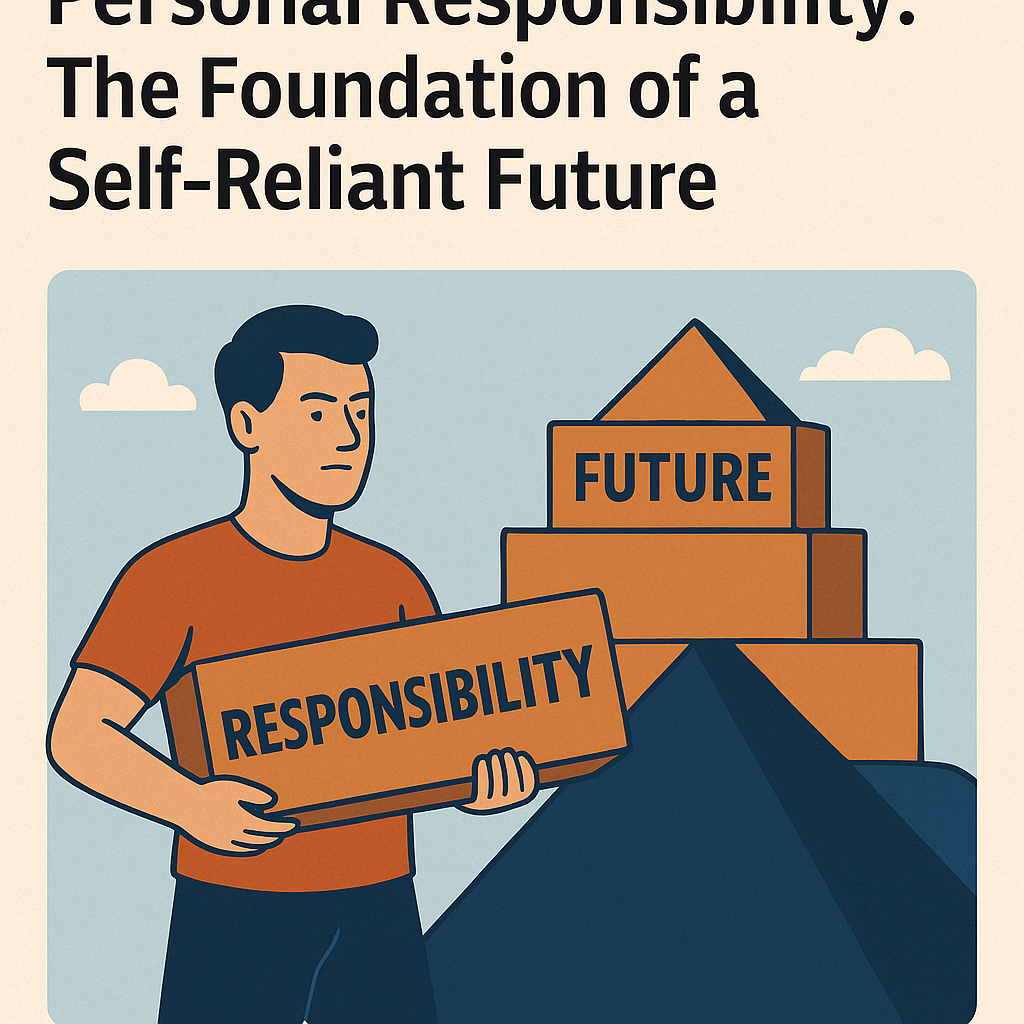
At the heart of a thriving, resilient society lies a fundamental principle often overlooked in modern discourse: personal responsibility. As critics of prevalent victimhood culture argue, the path to genuine independence and societal progress is paved with individuals embracing their duties rather than relying on external entities. In an age marked by economic uncertainty, social mobility challenges, and global upheavals, fostering a culture of self-reliance emerges as not merely an individual virtue but a societal imperative. From the principles of classical liberalism to contemporary economic analyses, scholars emphasize that the stability and prosperity of nations are directly tied to how well their citizens internalize and practice personal responsibility.

Many economists and historians, such as Henry Hazlitt and Friedrich Hayek, have long underscored that self-reliance is the backbone of free markets and limited government. Hazlitt famously argued that individual effort and personal accountability set the foundation for economic prosperity, suggesting that when individuals recognize their role in societal success, they are less dependent on government intervention. In contrast, over-dependence fosters a cycle of dependency and government overreach, draining resources and stifling entrepreneurship. Today’s youth, shaped by pervasive narratives of entitlement, must understand that true empowerment arises from taking charge of their actions, choices, and futures—values that built the strong societies of the past.

  • Accountability in personal finance guides responsible decision-making, fostering stability rather than chaos.
  • Work ethic propels innovation and economic growth when paired with individual initiative.
  • Community resilience is cultivated when citizens actively participate in and nurture their local environments through responsible actions.

Critically, critics of modern social policies argue that over-reliance on government programs impoverishes individual agency and stifles the innate drive for achievement. As economist Thomas Sowell notes, “The most basic question is not what is best, but who shall decide what is best.” When individuals become passive recipients of handouts rather than active architects of their lives, the fabric of society frays. Building a self-reliant future thus requires nurturing a cultural mindset that values effort, accountability, and resilience—traits that shape not just individual destinies but the destiny of nations.

Ultimately, the weight of responsibility beckons each generation to forge a legacy rooted in integrity and resolve. As history’s great epochs have demonstrated, societies that uplift their citizens in cultivating personal responsibility forge chains of strength and independence that echo through eternity. The challenge ahead is immense: to inspire youth to see themselves as architects of their destiny, not mere passengers or beneficiaries. Because in this grand mosaic of human progress, it is the unwavering commitment to one’s duties that transforms potential into legacy—an enduring testament that, in a self-reliant future, the seed of greatness lies within each individual’s own hands, awaiting only the courage to take root and grow.”

Social Media Auto Publish Powered By : XYZScripts.com