Matox News

Truth Over Trends, always!

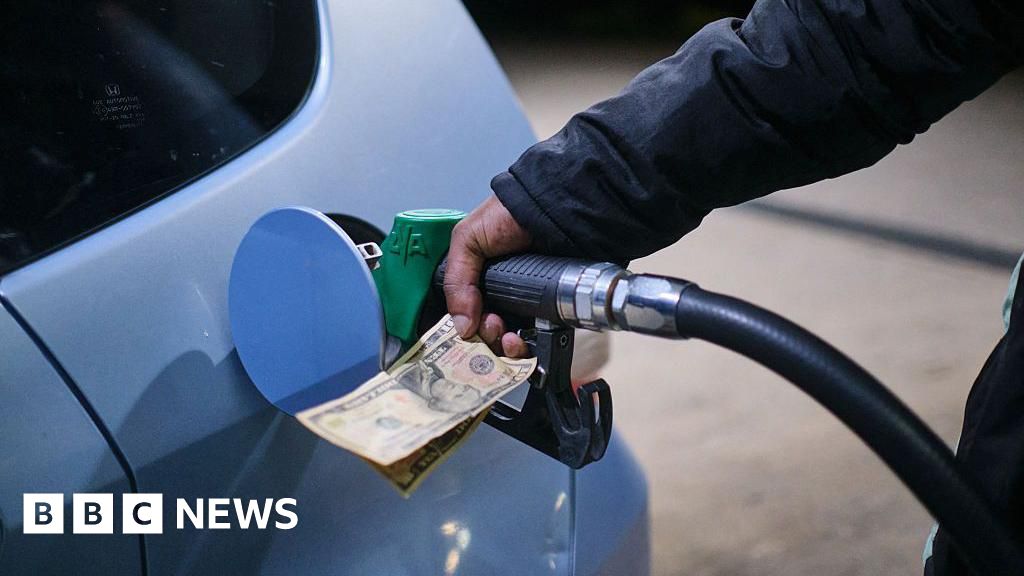
Africa Struggles with Power Cuts and Petrol Shortages Amid Iran War Fallout

The recent disruption in oil supplies has sent shockwaves across the African continent, exposing vulnerabilities in one of the world’s most critical economic sectors. Countries such as Nigeria, Angola, and South Africa are feeling the immediate effects of this crisis, which threatens not only their energy security but also their broader socio-economic stability. This disruption, driven by a complex combination of geopolitical tensions and logistical failures, highlights the newfound fragility of global energy markets and the strategic importance of resource security for developing nations.

Analysts from international institutions like the International Energy Agency warn that the current shortages could precipitate a broader economic downturn if swift action is not taken. The International Monetary Fund and World Bank underscore that energy poverty hampers economic growth, increases inflation, and exacerbates social inequities. For nations heavily reliant on oil imports, such as many in Africa, these disruptions threaten to undo years of economic progress. The African Union has called for urgent diplomatic engagement and strategic reserves policies, recognizing that the continent’s developmental trajectory could be set back for decades if the crisis persists.

Underlying the supply shock are layered geopolitical tensions; rising conflicts in the Middle East, tensions over Russian sanctions, and the OPEC production decisions have all played roles in tightening global markets. Governments worldwide are observing with keen interest—some military strategists even suggest that the disruptions could be exploited by geopolitical rivals seeking to weaken certain nations’ stability. This situation exemplifies how interconnected and fragile the global energy infrastructure truly is. According to renowned geopolitical analyst Dr. Laura Simmons, “The unfolding crisis exposes the artificial foundations of our current energy-centric economy, revealing how geopolitical churn directly translates into tangible hardship on the streets of African cities.”

The disruption also highlights the shifting power dynamics on the world stage. As traditional oil-producing nations grapple with internal conflicts and economic restructuring, emerging global players and non-state actors are positioning themselves to fill the void. China’s expanding investments in African energy infrastructure exemplify a broader strategy to secure resources outside traditional alliances, fueling debates about neocolonial influence and resource sovereignty. Meanwhile, within Africa, there is rising concern about the impacts on social stability, job security, and basic services, as governments scramble to secure energy futures amidst an uncertain geopolitical landscape.

As history continues to be written, the unfolding crisis reminds us that energy resources are not merely commodities but strategic linchpins shaping the future of nations and societies. The decisions made in the current geopolitical arena will reverberate through generations, defining a new epoch in global power relations. With history’s weight pressing on the present, the world stands at a crossroads—where resilience and strategic foresight will determine whether Africa, and indeed the entire global community, can survive the storm of uncertainty that now looms on the horizon.
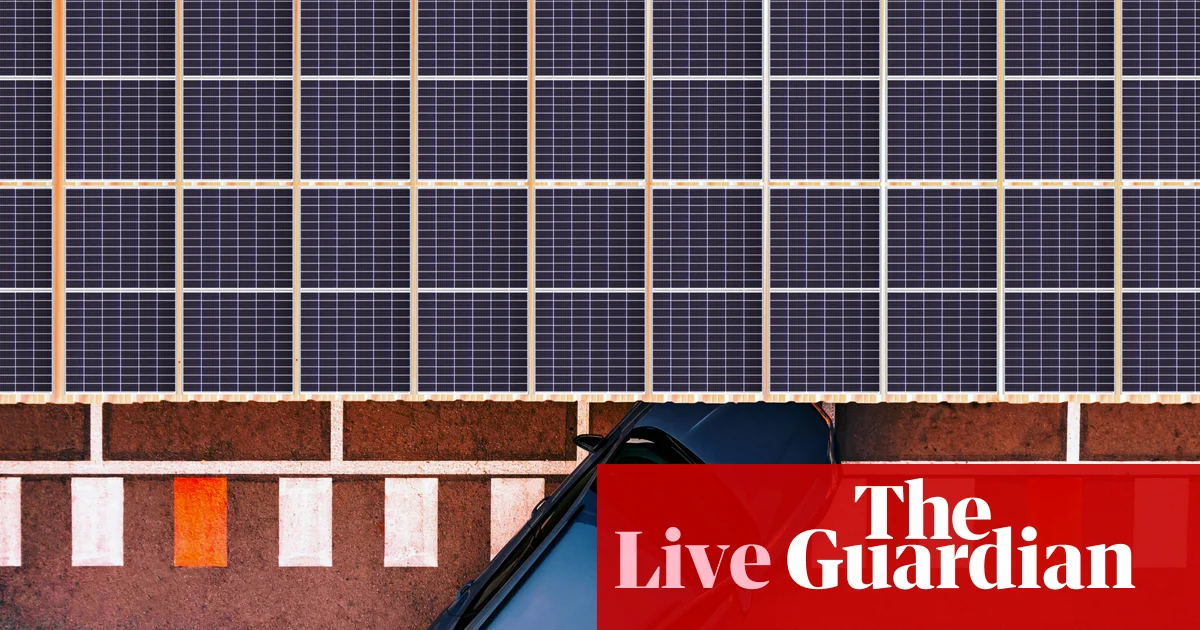

Australia updates: Hybrid car sales surge as youth shift from petrol; Iranian footballer departs despite asylum offer

In a compelling turn of events, Australia finds itself at the crossroads of shifting geopolitical and societal dynamics, as recent reports reveal a significant increase in the adoption of hybrid and electric vehicles, paralleled by the controversial departure of Iranian women’s football squad members seeking asylum. The latest data from the Australian Automative Association (AAA) underscores a transformative moment in the nation’s motor industry, with hybrid vehicles reaching record sales—a clear testament to the global push towards greener mobility. In the final quarter of 2025, hybrids accounted for 19.13% of all new light vehicle sales, outperforming traditional petrol cars which now constitute a mere 66.3% of the market, down from over 70%. Such figures are emblematic of Australia’s broader aim to lead in environmental transition while grappling with its geopolitical obligations, especially amidst surging fuel prices attributable to regional tensions in the Middle East.

Parallel to this shift, the geopolitical impact becomes starkly evident in the recent decision by several Iranian women’s football team members to leave Australia after being granted asylum—an act illustrating the nation’s delicate positioning on human rights, international diplomacy, and domestic security. The Australian government, led by Catherine King, publicly expressed that these women faced “enormous pressures” both from their homeland and global circumstances, which compelled them to make “incredibly hard” decisions. historians and analysts suggest this episode reflects shifting international expectations around asylum policies and human rights, especially as nations face increased scrutiny over their response to politically sensitive issues. The dilemma underscores how decisions by athletes—once confined to sporting arenas—now serve as microcosms of a larger geopolitical narrative, wherein societal values and foreign policy intersect with the personal stories of those seeking refuge.

Amid these tensions, Australia prides itself on strategic preparations to mitigate global turmoil. Minister Catherine King reassures that the country is well-positioned to withstand potential disruptions in energy markets, with reserves totaling 37 days of petrol, 30 days of diesel, and nearly 29 days of jet fuel. Such measures are a response to recent global fears triggered by unrest in the Middle East, which temporarily inflated fuel prices and prompted the government to release nearly 20% of its fuel stockpile. This strategic reserve is designed to balance the nation’s energy security against an increasingly volatile international environment, a move that demonstrates the nation’s resolve to safeguard its economy and social stability at a time of international flux. As analysts highlight, these preparatory actions reveal how a society’s resilience hinges on prudent international engagement and internal policy strengths—factors that could determine whether Australia continues its trajectory of stability or succumbs to the chaos brewing elsewhere.

In the grand tapestry of current events, the unfolding story of Australia’s energy transition and human rights stance may well be the prologue to future history—a chapter penned by decisions that will resonate across generations. As the world watches, these developments embody a broader truth: the balance of power and morality in a rapidly shifting geopolitical landscape hinges on the decisions of those in government and society, enduring challenges that threaten to redefine global order. The weight of history presses upon this moment, and the outcome remains unwritten, a testament to the perpetual struggle of nations striving to secure their future amid uncertainty.

Social Media Auto Publish Powered By : XYZScripts.com


