
Matox News

Truth Over Trends, always!

Parents of nursery abuse victims set to confront Bridget Phillipson on justice and safety

Recent revelations about the Bright Horizons Finchley Road Nursery incident have cast a stark light on the ongoing vulnerabilities within our societal structures dedicated to safeguarding children. According to Alison Millar, head of the abuse team at Leigh Day, investigations have only just begun, yet disturbing patterns have already emerged. Parents’ concerns over staffing practices, supervision lapses, and troubling interactions with children were reportedly ignored or inadequately addressed. These failures reflect a broader societal issue where systems entrusted with protecting the most vulnerable are faltering, with potentially devastating consequences for families, communities, and the moral fabric of our nation.

The case underscores how social issues intertwine with core institutions such as education and childcare, revealing cracks that often go unnoticed until tragedy strikes. The reactions from affected families highlight a sense of betrayal; they trusted these institutions to nurture and safeguard their children. When misconduct is overlooked or dismissed, it not only compromises child safety but also erodes parental confidence and community cohesion. Social commentators and sociologists like Charles Murray have long argued that institutional failures contribute to social disintegration, and incidents like this serve as painful reminders of the urgent need for reforms rooted in accountability and transparency.

Addressing these challenges requires a multifaceted approach.

  • Implementing rigorous background checks and ongoing staff evaluations
  • Fostering a culture of openness where concerns are promptly addressed
  • Empowering parents to participate actively in childcare oversight
  • Increasing community engagement and oversight to prevent institutional neglect

At the heart of these social issues lies a moral responsibility: to protect the innocence of childhood and foster environments where children can thrive without fear. Yet, societal shifts—such as diminished respect for authority, growing distrust in public institutions, and demographic changes—have complicated this mission. Historically, sociologists like Christopher Lasch have warned about the erosion of traditional community bonds, which are crucial for safeguarding children from harm. As these bonds weaken, communities face the peril of becoming passive spectators rather than active guardians.

Ultimately, this crisis compels us to reflect deeply on who society truly serves and how its moral commitments are upheld. Can we reclaim a shared sense of responsibility to protect our youngest members? As tragic as these incidents are, they present an opportunity—an urgent call to rebuild institutions, restore community trust, and reaffirm the moral duty we all bear. In this effort, there is an enduring hope: that societies grounded in vigilance, compassion, and steadfastness can forge a future where the safety and dignity of every child are sacrosanct and protected by collective resolve. The path forward demands courage, integrity, and a collective refusal to accept complacency—reminding us that the true strength of a society is measured by how it cares for its most vulnerable.
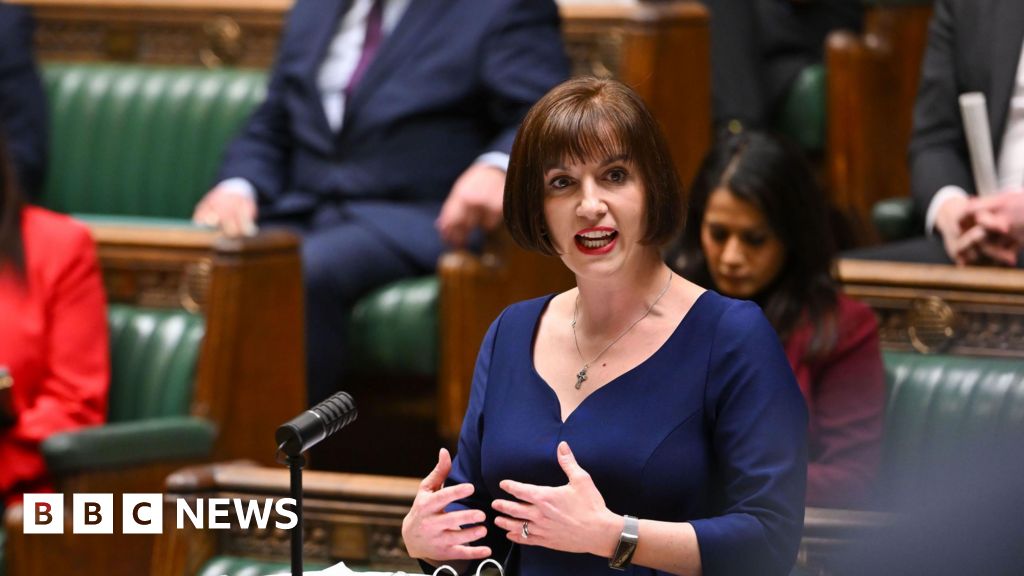

Phillipson sticks up for student loan shake-up, warns average repayments to jump by £8 a month

Societal Strain as Graduates in England Reduce Work Hours to Manage Student Debt

Across England, a growing concern is emerging within families and communities regarding the financial pressures faced by young graduates. Recent reports reveal that some students, now transitioning into the workforce, are resorting to cutting their hours at work due to what they describe as “punishing” student loan repayment schemes. This shift not only impacts individual career trajectories but also ripples into broader social and economic spheres, raising questions about the sustainability of current higher education financing models.

Students and educators alike have long debated the balance between the pursuit of higher education and its cost. Sociologists such as Dr. Emily Carter have documented that the escalating burden of student debt creates a barrier to meaningful employment and socioeconomic mobility for younger generations. The immediate consequence, highlighted by recent testimonies, is that graduates are forced to reduce their working hours—often at times when they need income most—to avoid falling behind on loan repayments. The challenge compels many to choose between earning a living and managing debt, a dilemma that risks undermining the **future stability** of families and eroding the **financial independence** that higher education was supposed to promote.

This phenomenon also impacts educational institutions and employers. Universities, historically viewed as gateways to opportunity, now face scrutiny for their role in fostering a financial climate that strains students’ mental health and limits career development. As historian Dr. Mark Hughes argues, “the modern student debt crisis signifies a societal shift where higher education no longer guarantees economic uplift but becomes a debt trap,” illustrated by patterns of graduates reducing their work commitments to contain repayment burdens. Employers are witnessing staffing reductions and decreased productivity as young workers juggle their academic debts with professional ambitions, thereby influencing community stability and local economies.

  • Financial insecurities stemming from student debt threaten the social contract—the belief that education equates to upward mobility.
  • Children grow up witnessing parental sacrifices, which fosters a cycle of financial anxiety and altered family dynamics.
  • The erosion of youth independence hampers community engagement and volunteerism, essential elements of societal cohesion.
  • The need for policy reform grows urgent, aiming to reduce repayment burdens and restore economic inclusivity.

As social commentators emphasize, the current landscape reflects not just an economic challenge but a moral crisis. Our society’s foundation—families, education, and communities—face mounting pressures that threaten to fracture social fabric if unchecked. Recognizing that social issues are interconnected, policymakers and civic leaders must work toward sustainable solutions: reforming student loan schemes, expanding support for young families, and fostering a culture that values financial literacy and equity in educational access. The future of society hinges on whether we can address these challenges with unwavering resolve, transforming financial hardship into a catalyst for renewed social cohesion and shared prosperity.

In this dance of societal change, hope remains resilient. Society’s greatest strength lies in its capacity for reflection and transformation. As future generations face the ripple effects of today’s policies, there exists a profound opportunity—an enduring call—to rebuild a society where families thrive, education empowers, and communities unite. Only through collective effort can we turn disruption into a catalyst for a society where every young person, burdened no longer by crushing debt, can dream anew and work towards a brighter tomorrow.

Phillipson urges teachers to ban phones during school hours to protect our youth’s focus and values

Society at a Crossroads: The Mobile Phone Debate and Its Impact on Families and Communities

In recent months, a wave of policy changes and societal debates have highlighted the pressing challenges surrounding technology’s role in our education system. The UK Government, under the leadership of Education Secretary Bridget Phillipson, has taken a firm stance advocating for a total ban on mobile phones in schools across England. Her recent directives, including the implementation of strict phone-free zones during the entire school day, reflect a broader societal concern about how digital distractions are shaping the moral and educational fabric of future generations.

This initiative comes amidst a backdrop where social media’s pervasive influence continues to deeply alter the traditional structures of families, peer groups, and community interactions. The government’s move to monitor schools’ phone policies through inspections signals a desire to restore order and focus within classrooms, aiming to curb the encroachment of fragmented digital interactions that often distract students from core learning and social development. Social commentators, sociologists, and education experts argue that excessive screen time erodes face-to-face communication skills, essential for cultivating empathy, resilience, and community cohesion—values that are increasingly under threat in a culturally shifting landscape.

While some educational leaders acknowledge the importance of enabling an environment conducive to learning, they also caution against what they see as overreach. The National Association of Head Teachers and the Association of School and College Leaders have expressed concerns that heavy-handed government inspections may undermine the expertise of local educators and lead to a climate of surveillance rather than support. Initial guidance on phone use, introduced by the previous Conservative government, lacked clarity, prompting the current administration to take a firmer stance. Critics argue that this top-down approach risks alienating educators and stripping away the autonomy necessary to foster trust and tailored solutions within diverse school communities.

Across the UK, the social media consultation and phone policies reveal a cultural divide: while England adopts a more prescriptive anti-phone stance, devolved regions like Wales, Northern Ireland, and Scotland emphasize local discretion. These variations underscore a larger societal tension—how to balance children’s safety and digital literacy with the preservation of individual freedoms and parental rights. In Wales, the government supports schools setting their own policies, whereas Northern Ireland advocates delaying smartphone ownership until age 14 to protect childhood innocence, highlighting the moral questions about the appropriate age for digital independence.

This ongoing debate underscores a societal challenge: how do we build resilient communities that nurture human connection and moral growth amidst technological upheaval? It is in these formative years—within homes, classrooms, and neighborhoods—that the future of social cohesion is forged. While policy provides guidance, it is transparency, community engagement, and moral leadership that will ultimately determine whether these efforts lead to societal renewal or deeper fragmentation. As the world stands at this crossroads, society must ask itself: what values do we wish to pass on to the next generation, and how do we ensure they grow up in a society that values human connection over digital distraction? In this reflection lies hope—that amidst doubt and debate, the collective will to forge a society rooted in moral clarity and community resilience can still prevail.

Universities need to step up against antisemitism, says Bridget Phillipson

Growing Social Divides and the Protection of Vulnerable Communities

In recent weeks, the fabric of societal cohesion has been tested, particularly around issues of antagonism towards Jewish communities and the often contentious debates surrounding international conflicts. Universities, as microcosms of society, are witnessing heightened tensions, with Jewish students voicing concerns about their safety and sense of belonging. Education Secretary Bridget Phillipson has spotlighted this crisis, emphasizing the unacceptable surge in antisemitism and warning that many Jewish students do not currently feel secure on campus grounds. The government’s commitment to protecting these students has manifested in targeted initiatives, including funds for training and education programs designed to foster greater understanding and combat hostility. Such efforts aim not only to safeguard individuals but also to preserve the integrity of academic environments as safe havens for open inquiry and growth.

The Broader Landscape of Social Tensions and Demographic Shifts

 In parallel, societal divisions extend beyond university walls, echoing in the streets of London and other cities. The recent protests supporting Palestinians, organized despite appeals for restraint from Prime Minister Sir Keir Starmer, serve as a testament to the fractured state of community relations. Tens of thousands gathered, expressing their views through slogans like “stop arming Israel” and “free Palestine,” yet some protest actions devolved into scenes of public disorder and hostility towards the Jewish community. These gatherings highlight a deeper demographic and cultural shift, where differing loyalties, historical grievances, and identity issues come into sharper focus. Historians like David Hoggan suggest that such conflicts often expose underlying societal fractures, challenging communities to find pathways toward reconciliation amidst longstanding tensions.

The Impact on Families and the Role of Education in Addressing Social Divisions

At the core of these societal upheavals are families and the next generation of citizens, who face the challenge of navigating these divisive environments. Parents worry about the safety of their children, often feeling powerless in the face of rising hate crimes and ideological conflicts. Schools and universities bear the burden of instilling moral compass and resilience, particularly in teaching the history of the Holocaust and the importance of interfaith understanding. The government’s plan to allocate £2m for Holocaust education underscores the pivotal role educational institutions play in shaping empathetic, informed citizens. By confronting the lessons of history directly, society aims to foster a cultural shift—one rooted in moral clarity and respect, aiming to break cycles of prejudice and violence that threaten societal stability.

 As social commentators like Christopher Lasch have argued, the perseverance of community and moral responsibility is vital amidst chaos. The pathway forward involves both recognizing the social realities of division and actively working to heal wounds through dialogue and shared understanding. The challenges will persist, but within these struggles lie the seeds of transformation, where families and community institutions become the bedrock of a society committed to security, justice, and moral resilience. Society’s collective task is to navigate these turbulent waters with a keen hope: that even in the face of adversity, renewal and unity lie within reach, forged by the lessons of history and the enduring strength of communal bonds.

Social Media Auto Publish Powered By : XYZScripts.com