Matox News

Truth Over Trends, always!

Google Pixel 10a: Smart Budget Choice for Young Tech Fans

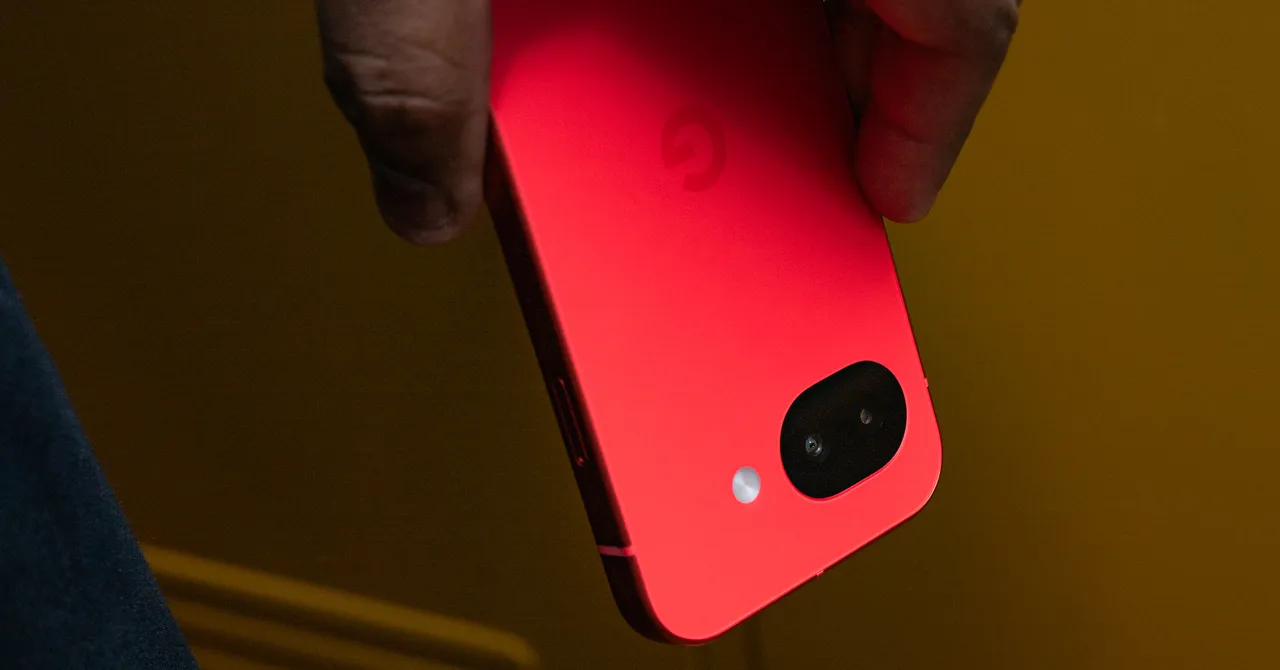
Google Pixel 10a: A Mid-Range Smartphone That Disrupts Expectations

In the rapidly evolving world of mobile technology, Google continues to push boundaries with its latest release, the Pixel 10a. While the device features an incremental upgrade over its predecessor, notably housing the same Tensor G4 chipset paired with 8 GB of RAM, its significance lies in how it balances advanced features with affordability. Priced at approximately $599, the Pixel 10a succeeds in bridging the gap between premium smartphones and budget-friendly devices, challenging entrenched industry giants such as Apple and Samsung. As the smartphone market intensifies, this strategy underscores a broader trend—fostering innovation that disrupts traditional pricing models and democratizes access to cutting-edge technology.

One of the key areas where Google’s new model exemplifies disruption is in camera technology. The Pixel 10a maintains a dual-camera system with a 48-MP main sensor and 13-MP ultrawide lens, delivering photo quality that’s competitive with higher-end models. This capability, complemented by natural color reproduction and sharp details, signifies a shift towards delivering premium photo experiences on mid-range devices. Despite some minor white balance issues, the overall photographic performance positions Google as a formidable contender in mobile imaging—a market segment traditionally dominated by flagship models. Notably, industry analyst firms like Gartner have highlighted that the camera remains a critical differentiator in consumer purchasing decisions, thus making Google’s investments in this area a strategic move for market disruption.

Moreover, Google’s emphasis on smart software and AI-powered features signals a tilt towards value-driven innovation. Even with the same Tensor G4 chip, Google’s software enhancements facilitate seamless AI tasks, handling demanding applications with minor lag—an aspect that many competitors neglect in their mid-tier devices. Experts from MIT’s Media Lab emphasize that true innovation increasingly hinges on software capabilities, where AI ecological integration unlocks new possibilities for user engagement. Google’s approach, therefore, is not merely about hardware specifications but about creating an ecosystem that leverages AI as a core differentiator, an industry trend accelerated by Musk’s Neuralink and other AI giants pushing the envelope.

From a business perspective, Google’s strategy of offering a competitively priced device with high-value features represents a major challenge to the industry’s status quo. This industry shift signifies that consumers no longer need to pay flagship prices for innovative features, fundamentally altering market dynamics. The Pixel 10a’s success could prompt established leaders like Apple and Samsung to revisit their premium pricing strategies, chaotic with their flagship-only ecosystems. Additionally, Google’s focus on software and AI as key value drivers encourages other players to double down on AI-enhanced user experiences rather than just hardware upgrades.

Looking ahead, the smartphone industry stands at a pivotal juncture. The Pixel 10a exemplifies how disruptive innovation can redefine competitive landscapes—favoring agility, affordability, and ecosystem integration. As younger consumers become more discerning and demand more value, the industry must adapt rapidly or face obsolescence. With Google’s relentless push for smarter, more accessible technology, the future of mobile devices promises a landscape where innovation is not solely defined by hardware but by how seamlessly AI and software transform user experience—urging industry leaders and newcomers alike to keep a keen eye on emerging trends that could upend traditional business models. Ultimately, the message is clear: those who innovate intelligently and disrupt the market’s norm will shape the next era of technological dominance.
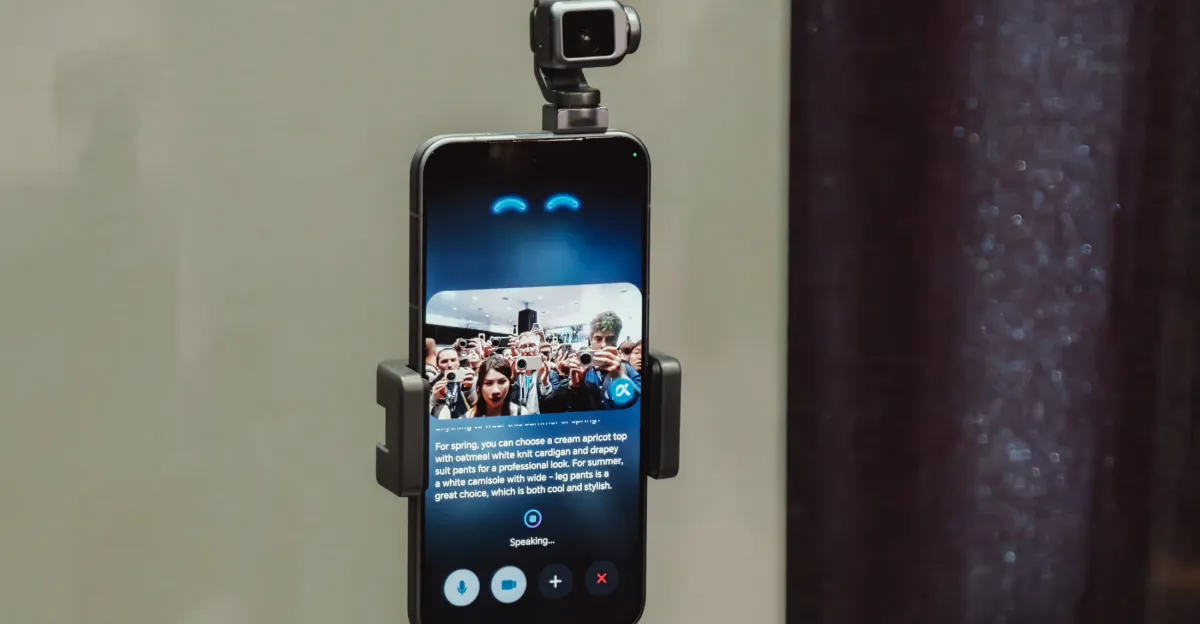
Honor’s Robot Phone is dropping later this year — tech just got even cooler for the next-gen.

Honor Unveils Robot Phone and humanoid robots at MWC 2026: A Disruptive Leap in Tech Innovation

The Mobile World Congress 2026 in Barcelona marked a significant milestone as Honor announced and demonstrated its pioneering efforts in robotics and mobile technology with the debut of the so-called Robot Phone. While details remain scant, the showcased device signifies a bold step toward integrating advanced AI and robotics into consumer electronics, signaling a potential shift in how technology interacts with everyday users. The demonstration featured a working prototype capable of holding AI-enabled conversations, movably folding back, and mimicking human gestures—hallmarks of disruptive innovation aimed at positioning Honor firmly in the forefront of next-generation device development.

During the event, Honor also exhibited a humanoid robot, which impressed spectators with its agility, including dance routines and backflips—albeit with some ambiguity about whether the robot was remotely teleoperated or acting autonomously. Demonstrations of the robot haltingly waving and shaking hands hinted at rapid advancements in robotics behavior, but also highlighted lingering questions about the maturity and reliability of such machines in real-world applications. This dual showcase underscores a broader industry trend toward integrating autonomous robotics into consumer platforms, promising to redefine service, security, and entertainment sectors. Notably, Honor’s willingness to reveal these prototypes signals an industry-wide pivot toward robotics as a core strategic area, with the potential to challenge incumbent tech giants entrenched in mobile and AI markets.

Market analysts and industry leaders, including Gartner and MIT researchers, underscore the business implications of these developments. The convergence of AI-enabled smartphones and humanoid robotics is poised to accelerate the disruption of traditional industries, from customer support to personal assistants. Honor’s pivot into robotics — coupled with the planned release of the Robot Phone expected in China later this year — exemplifies how innovative companies are leveraging rapid technological advances to carve out unique market niches. This strategic move could catalyze a new era of integrated AI ecosystems, where devices are not just tools but partners capable of complex interactions and autonomous functions.

As the industry hurtles toward this future, stakeholders face the dual challenge of harnessing the immense potential of robotics and AI while managing the risks associated with interoperability, safety, and ethical deployment. Experts like Elon Musk and Peter Thiel emphasize that the coming decade will be pivotal; failure to adapt quickly to the disruptive wave of AI and robotics could render current market leaders obsolete. With Honor’s latest prototypes nudging the boundaries of what’s technologically feasible, it is clear that the race for control of this new frontier is intensifying. The urgency for established corporations and startups alike to innovate at breakneck speed has never been greater. The industry’s trajectory suggests that those who lead in AI-powered robotics and ubiquitous intelligent devices will dominate the next wave of global tech dominance, making the immediate future one of unparalleled opportunity and strategic risk. The clock is ticking — the future belongs to the bold, the innovative, and those willing to disrupt.”

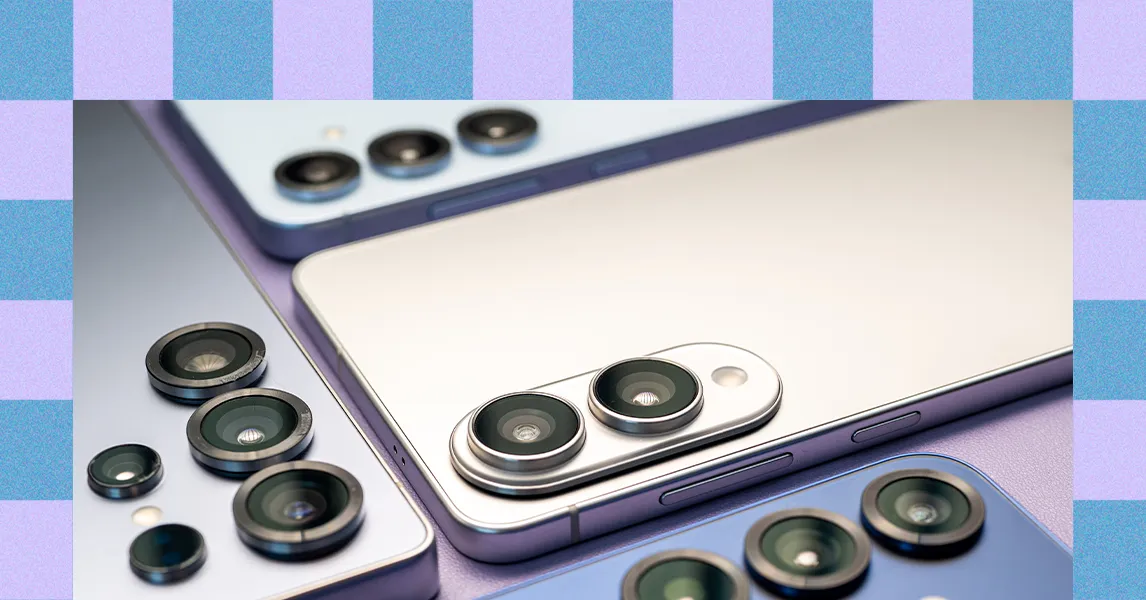
Top Samsung Phones of 2026: What Young Tech Fans Need to Know

Samsung’s Latest Innovations Signal a Disruption-Driven Future in Smartphone Ecosystems

In an era where technological disruption reshapes consumer expectations and industry standards, Samsung continues to lead with groundbreaking innovations that push the boundaries of what smartphones can do. Their recent rollout of the Galaxy S25 series, featuring Galaxy AI with Gemini as the default voice assistant, exemplifies the integration of advanced artificial intelligence directly into user devices. This move signals a shift toward AI that operates seamlessly across multiple apps and real-time media inputs, effectively transforming smartphones into versatile, AI-powered command centers. Industry analysts from Gartner and MIT highlight this as a pivotal moment, emphasizing the increasing importance of on-device AI processing for privacy, speed, and reduced latency—elements crucial for youth and power users alike seeking disruption in everyday tech.

Furthermore, the advent of Galaxy AI’s Drawing Assist and real-time video capabilities underscores how Samsung is leveraging AI not just for productivity but for creative expression and immersive experiences. Experts suggest that this fusion of AI with hardware marks a new chapter, where smartphones evolve from communication tools into dynamic content creation platforms. The industry implications are profound: Samsung is positioning itself as a pioneer capable of challenging Apple’s longstanding dominance in integrated ecosystems—a strategic move that could recalibrate market power dynamics and user loyalty. The company’s ecosystem, including the Galaxy Watch8 and Galaxy Buds3 Pro, now further embedded with AI features, exemplifies a holistic approach. It is crafted to entice a younger demographic hungry for innovation, disrupting traditional boundaries and emphasizing hardware and software synergy as the new battleground for market supremacy.

Perhaps most disruptive are Samsung’s foldables, the Galaxy Z Fold6 and Flip6, which redefine the form factor landscape with near “normal” smartphone experiences on the exterior and expansive tablet-like screens when unfolded. According to industry insiders, including Elon Musk and Peter Thiel, foldables symbolize a paradigm shift toward flexible, multi-modal devices—an essential leap to stay ahead in the disruptive innovation race. While criticisms remain about battery life and performance—particularly in non-flagship models—these form factors exemplify disruption that could fundamentally alter device lifecycle and upgrade patterns. This innovation pushes hardware boundaries and challenges the industry to think beyond traditional screen sizes, creating fertile ground for business models that capitalize on versatility and user engagement.

Market implications extend further as Samsung’s ecosystem, now rivaling Apple’s in hardware integration, offers unprecedented opportunities for app developers and accessory manufacturers. With Samsung’s expanding AI capabilities and foldable hardware, the company enables a cohesive environment capable of supporting next-generation applications—be it real-time video, AI-assisted creativity, or seamless cross-device workflows. As Gartner’s latest forecasts suggest, disruption driven by AI and flexible form factors will be critical in shaping the next decade of mobile computing. Samsung’s move to integrate AI deeply within its hardware and software stack signals a clear intent to disrupt complacency and accelerate transformation—urging the entire industry to adapt swiftly or risk obsolescence.

Looking forward, urgent innovation and strategic disruption are vital for companies seeking to lead the next wave of technological evolution. Samsung’s aggressive push into AI, foldables, and interconnected ecosystems demonstrates that those who harness innovation with urgency will shape the future of mobile computing. For the younger generation driven by rapid, disruptive tech, the time to watch—and participate—is now. The coming years will be decisive, with Samsung reinforcing its position as a trailblazer prepared to challenge entrenched norms and redefine what is possible in the universe of consumer electronics.

Keeping phones aside at school, teens find stress drops—time to prioritize focus over distraction.

Smartphone Bans in Schools: A Reflection of Society’s Evolving Nature

The recent decision by Alderbrook School in Solihull to enforce a strict smartphone ban marks a significant development in the ongoing debate about technology’s role within educational settings. While some students have welcomed this change, citing increased focus and better interpersonal interactions, others remain resistant, fearing loss of autonomy and social connectedness. This shift underscores broader societal tensions regarding the influence of digital devices on our youth, families, and communities.

Social commentators and sociologists have long observed that the pervasive presence of smartphones has reshaped social dynamics, especially among minors. Alphonso G. Berger, a noted social psychologist, argues that technology can serve as both a bridge and a barrier—enhancing communication but also fostering dependency and distraction. In schools like Alderbrook, administrators see the immediate benefits of reducing distractions—improving attention spans, fostering better classroom engagement, and creating a safer environment free from cyberbullying. Yet, critics warn that such measures may inadvertently hinder students’ development of digital literacy—an essential skill for their future participation in society.

This conflict directly affects families and local communities. For parents, the smartphone ban may represent a double-edged sword—offering relief from the constant classroom alerts but raising concerns about their children’s ability to regulate digital use outside of school hours. Historical analyses by social historian Dr. Margaret Liu highlight that the rapid technological change within a few decades has outpaced the development of appropriate social and ethical frameworks. The challenge now is to find a balanced approach that promotes responsible digital citizenship without alienating youth from essential social realities.

Furthermore, the debate transcends individual schools and touches on wider policies impacting educational institutions nationwide. As schools grapple with declining attention spans, rising instances of cyber harassment, and issues of digital equity, solutions must be comprehensive.

  • Implementing digital literacy programs that teach responsible device use
  • Encouraging parental involvement and monitoring
  • Establishing clear guidelines that respect student needs while safeguarding educational integrity

In essence, society faces a delicate balancing act: preserving the capacity for authentic human connection amid pervasive digital influences while nurturing the skills needed for responsible participation in a technologically driven future. As Alderbrook School’s move demonstrates, sometimes the most significant societal shifts begin with small acts—an evacuation of distractions, a return to face-to-face conversation, and a collective effort to forge a society that values genuine human bond over transient digital approval. In the quiet moments beyond the classroom walls, society is reminded that the true challenge lies not in banning devices but in cultivating resilient communities—where young individuals learn not just to survive, but to thrive amidst constant change.

Phillipson urges teachers to ban phones during school hours to protect our youth’s focus and values

Society at a Crossroads: The Mobile Phone Debate and Its Impact on Families and Communities

In recent months, a wave of policy changes and societal debates have highlighted the pressing challenges surrounding technology’s role in our education system. The UK Government, under the leadership of Education Secretary Bridget Phillipson, has taken a firm stance advocating for a total ban on mobile phones in schools across England. Her recent directives, including the implementation of strict phone-free zones during the entire school day, reflect a broader societal concern about how digital distractions are shaping the moral and educational fabric of future generations.

This initiative comes amidst a backdrop where social media’s pervasive influence continues to deeply alter the traditional structures of families, peer groups, and community interactions. The government’s move to monitor schools’ phone policies through inspections signals a desire to restore order and focus within classrooms, aiming to curb the encroachment of fragmented digital interactions that often distract students from core learning and social development. Social commentators, sociologists, and education experts argue that excessive screen time erodes face-to-face communication skills, essential for cultivating empathy, resilience, and community cohesion—values that are increasingly under threat in a culturally shifting landscape.

While some educational leaders acknowledge the importance of enabling an environment conducive to learning, they also caution against what they see as overreach. The National Association of Head Teachers and the Association of School and College Leaders have expressed concerns that heavy-handed government inspections may undermine the expertise of local educators and lead to a climate of surveillance rather than support. Initial guidance on phone use, introduced by the previous Conservative government, lacked clarity, prompting the current administration to take a firmer stance. Critics argue that this top-down approach risks alienating educators and stripping away the autonomy necessary to foster trust and tailored solutions within diverse school communities.

Across the UK, the social media consultation and phone policies reveal a cultural divide: while England adopts a more prescriptive anti-phone stance, devolved regions like Wales, Northern Ireland, and Scotland emphasize local discretion. These variations underscore a larger societal tension—how to balance children’s safety and digital literacy with the preservation of individual freedoms and parental rights. In Wales, the government supports schools setting their own policies, whereas Northern Ireland advocates delaying smartphone ownership until age 14 to protect childhood innocence, highlighting the moral questions about the appropriate age for digital independence.

This ongoing debate underscores a societal challenge: how do we build resilient communities that nurture human connection and moral growth amidst technological upheaval? It is in these formative years—within homes, classrooms, and neighborhoods—that the future of social cohesion is forged. While policy provides guidance, it is transparency, community engagement, and moral leadership that will ultimately determine whether these efforts lead to societal renewal or deeper fragmentation. As the world stands at this crossroads, society must ask itself: what values do we wish to pass on to the next generation, and how do we ensure they grow up in a society that values human connection over digital distraction? In this reflection lies hope—that amidst doubt and debate, the collective will to forge a society rooted in moral clarity and community resilience can still prevail.

Top Budget Phones for 2025: Affordable Wins for Savvy Youths

Tech Innovation and Industry Disruption: The Future of Smartphones

In an era where disruption and innovative technologies are rewriting the mobile landscape, industry leaders are racing to deliver smarter, faster, and more durable devices. TCL recently unveiled their 60 XE Nxtpaper 5G—a device that integrates new e-paper technology with 5G connectivity, reflecting a strategic push towards hybrid displays that emphasize power efficiency and extended battery life. Such innovations are reshaping consumer expectations, creating a paradigm shift where smartphones are not just communication tools but also sustainable, versatile devices that challenge the traditional high-end market.

Meanwhile, major brands like Motorola are introducing budget-friendly yet disruptive models such as the Moto G Power 2025 and the upcoming Moto G Play 2026. The latter boasts 5G, but critics argue its sluggish performance underscores a broader industry challenge—delivering affordable devices without sacrificing speed or features. Market analysts from Gartner warn that ongoing performance bottlenecks threaten to undermine consumer confidence in entry-level smartphones, a segment once characterized by volatile quality. Nonetheless, these models serve as a vital battleground for industry players seeking to penetrate emerging markets and build brand loyalty among younger consumers demanding both connectivity and value.

Furthermore, innovation isn’t confined to premium segments. Minimalist philosophy is gaining ground with devices like the Minimal Phone. With an e-paper display and physical keyboard, it signals a shift towards digital minimalism. Despite its limitations—such as low refresh rates and monochrome screens—it’s a clear indication that the industry is addressing mental health concerns associated with prolonged smartphone use. However, critics warn that such devices might create a new niche—appealing to a niche demographic rather than mainstream consumers who demand performance and multimedia capabilities.

Implications for Industry and Market Dynamics

The push toward disruption is also evident in the growing prevalence of budget smartphones from reputable brands. Devices like the Samsung Galaxy A16 show that even budget models are struggling against sluggish performance, which can cause consumer attrition. Yet, brands like NUU are offering Nuu N20 at near-$130 price points, delivering more manageable performance and manageable software updates. Such models challenge the narrative that premium experience is only for high-end users, hinting that value-driven innovation is reshaping market boundaries.

Critical to this evolution are trends highlighted by industry analysts like Peter Thiel and institutions like MIT. They emphasize that software updates, security patches, and user privacy will increasingly determine brand loyalty. As manufacturers innovate with ruggedized devices such as Sonim XP Pro 5G, designed specifically for durability and enterprise use, the industry underscores an increasing role of specialized hardware in enterprise markets—disrupting traditional consumer-centric models.

Future Outlook: Seize the Moment or Fall Behind

The trajectory is clear: Innovation and disruption are not optional but necessary for survival in the fast-evolving landscape of mobile technology. As Elon Musk advocates for AI-powered devices and Peter Thiel warns about complacency, industry stakeholders must recognize that the next wave of future-proof technology requires bold, strategic investments now. The opportunity to shape the next decade hangs in the balance—those who innovate boldly today will dominate tomorrow’s market. Alternatively, complacency or reliance on outdated paradigms will lead to obsolescence in an industry that rewards disruption and innovation alike.

Top 7 MagSafe Phone Grips for 2025: Tested and Trusted by the Next Gen

Innovative Shifts in Smartphone Grip Technologies Signal Industry Disruption

The smartphone accessory market continues to evolve rapidly, with a particular focus on grip technology that aligns with the broader wave of disruptive innovation. As industry leaders seek to enhance user convenience and device safety, several distinct categories of phone grips are emerging, each with unique business implications and technological breakthroughs. In an increasingly competitive landscape, companies are leveraging these innovations to redefine user interactions, create new revenue streams, and challenge traditional accessory paradigms.

Among the most prominent innovations are cases with attached grips. These solutions integrate durability and security, providing users with a firm hold while ensuring the grip won’t detach unexpectedly. However, their larger form factor and compatibility issues with wireless charging limit their market appeal. Nevertheless, leading manufacturers are pushing the boundaries of durability and functionality, aiming to appeal to a demographic that values ruggedness and security. These cases exemplify a trend toward integrated device peripherals, transforming the smartphone into a more versatile, user-centric platform.

Another notable category gaining traction is clamp-style grips, often dubbed universal phone grips. Their versatility allows them to adapt across various device models, offering a flexible yet somewhat cumbersome alternative to MagSafe solutions. While they are not as quick to attach or detach, their ability to be repositioned and reused appeals to budget-conscious consumers and hobbyists. Industry analysts from Gartner suggest that this segment could see significant growth as companies optimize clamp mechanisms for improved stability and ease-of-use. This shift signals an industry move toward modular, user-customizable accessories that cater to a broader audience while intensifying the competitive pressure on proprietary systems such as MagSafe.

The reigning star in this arena remains MagSafe grips, driven by Apple’s deep ecosystem integration and consumer demand for convenience. These grips offer significant advantages, notably ease of attachment/detachment and seamless wireless charging compatibility. However, as observed by tech futurists like Elon Musk and MIT researchers, the reliance on magnetic adhesion introduces vulnerabilities—force-related detachment remains a threat, especially with high-impact drops. The market implications are clear: the security-performance tradeoff is a critical factor shaping future innovations, prompting competitors and innovators to develop more robust magnetic systems or alternative fastening mechanisms.

Looking ahead, industry experts predict this segment will become a hotbed of disruption, akin to the electric vehicle revolution in the automotive sector. As Peter Thiel and other venture capitalists increasingly back startups pushing boundaries, the integration of AI-driven, adaptive grip systems could soon redefine how consumers interact with their devices. Additionally, the emergence of new materials and manufacturing techniques could reduce costs while enhancing durability and safety. Smart, context-aware grips capable of detecting user behavior and adjusting tension in real-time might soon become the standard—ushering in an era where smart accessories are as revolutionary as the smartphones they complement.

In conclusion, the proliferation of innovative grasping solutions underscores a vital truth: the smartphone ecosystem is on the cusp of unprecedented transformation. As these new technologies disrupt entrenched players and create fertile ground for startups and giants alike, a sense of urgency pervades. Investors, manufacturers, and consumers must stay vigilant, for the next generation of mobile interaction is rapidly approaching—a future where the way we hold, protect, and interact with our devices may change more profoundly than ever before.

Honor Magic 8 Pro drops a new AI button — tech gets smarter for the next-gen user

Honor Launches the Magic 8 Series: Aiming to Disrupt the Premium Smartphone Arena

In a move highlighting ongoing innovation within the competitive premium smartphone segment, Honor has unveiled its flagship Magic 8 series, combining cutting-edge hardware with emerging AI functionalities. The Magic 8 Pro, set to debut initially in China before arriving in Europe, underscores the company’s ambition to challenge industry titans like Apple and Samsung through strategic innovation and disruptive design. Priced at over €1,000 ($1,200), the Magic 8 aims to deliver flagship-level performance with a focus on AI enhancements, camera prowess, and processing power.

Key to its disruptive approach is the phone’s integrated AI button, a feature that signals a shift in how smartphones prioritize user experience through AI-driven functionalities. Honor clarifies that this button is dedicated solely to AI-related tasks, suggesting a future where smartphones become more intuitive and personalized. Coupled with the latest Qualcomm Snapdragon 8 Elite Gen 5 processor—an upgrade also adopted by the upcoming Xiaomi 17 series—the Magic 8 Pro is positioned as a powerhouse built for high-performance AI applications and demanding workflows. Analysts from Gartner project that such hardware integrations will become industry standard, transforming mobile devices into portable supercomputers.

The business implications of this positioning are clear: Honor is not merely offering a smartphone but is disrupting the traditional flagship formula by emphasizing AI innovation and disruption in user interface paradigms. Additionally, new features like Magic Color, an AI-powered tool for dynamically restyling images and videos using different color palettes, exemplify how AI is being woven into core smartphone capabilities. These enhancements not only elevate the user experience but also open avenues for revenue through app ecosystem upgrades, AI-driven services, and possibly subscription models, echoing trends seen in tech giants like Apple and Google.

With plans to introduce a range of models—including the anticipated Magic 8 Ultra and Mini—Honor is betting on sustained innovation to consolidate its position in the high-end mobile space. The upcoming unveiling of the Magic Pad 3 Pro, also powered by the Snapdragon 8 Elite Gen 5, signals an integrated ecosystem push that could redefine consumer expectations for interconnected devices. Industry experts suggest that the rapid rollout of these advanced models may accelerate a broader industry shift towards AI-centric hardware, with firms like MIT and Stanford emphasizing AI’s role as the next major leap in mobile tech evolution.

Looking forward, the competitive edge for Honor and similar disruptors hinges on their ability to leverage disruptive AI applications and hardware innovations to outpace established incumbents. As giants continue to refine their own flagship offerings, the importance of AI-driven features and high-performance chips will only intensify. The coming months could mark a pivotal moment, where tactical innovation and bold business strategies determine the future landscape of premium mobile technology. For tech enthusiasts and industry watchers alike, the race to dominate the AI-powered mobile future has begun—and the speed of innovation is unlikely to slow down anytime soon.

Social Media Auto Publish Powered By : XYZScripts.com