Matox News

Truth Over Trends, always!

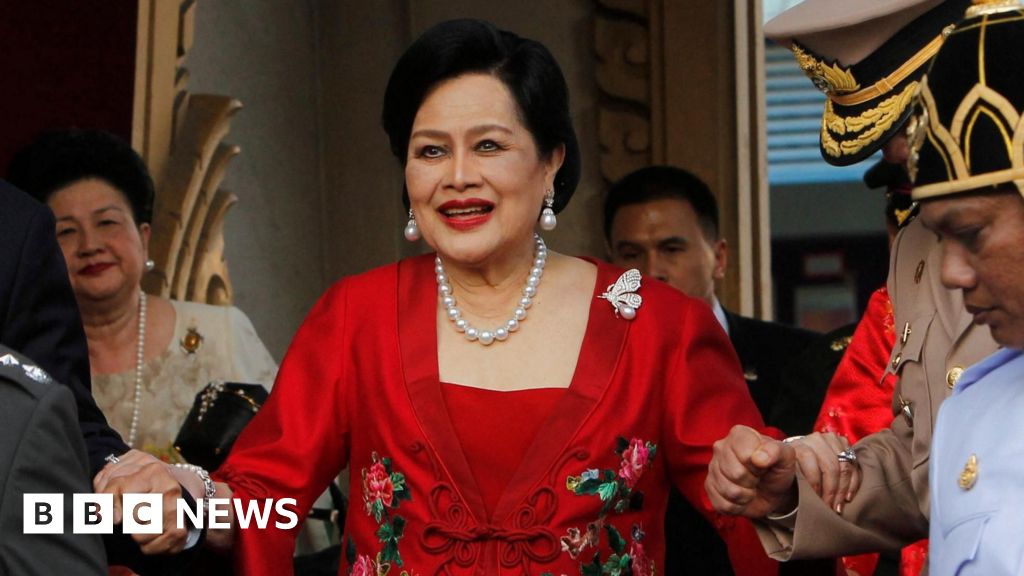
Thailand's Former Queen Sirikit Passes at 93—A Pillar of National Heritage
Thailand’s Former Queen Sirikit Passes at 93—A Pillar of National Heritage

In a moment that resonates beyond the borders of Thailand, the nation mourns the loss of Queen Sirikit, who passed away peacefully at age 93. Her death marks the end of an era, as the beloved matriarch of the Thai monarchy, a symbol of stability and tradition for over six decades, departs from the mortal realm. As the Thai Royal Household Bureau announces plans for a royal funeral—reflecting the gravity of her legacy—the world’s attention is drawn to the deep-rooted influence of the monarchy, not only within Asia but across a geopolitical landscape fraught with shifting alliances and strategic interests.

Queen Sirikit’s life was intertwined with a period of significant change in Thailand, a nation that has long been considered a strategic hub in Southeast Asia. Marrying King Bhumibol Adulyadej in 1950, she became a central figure in preserving Thailand’s stability during times of political upheaval. Her diplomatic travels and international appearances—rubbing shoulders with figures like Dwight Eisenhower and Queen Elizabeth II—highlight her role in soft power diplomacy. Yet, her influence extended far beyond diplomacy; she embodied the moral backbone of the nation, fostering a sense of national unity rooted in centuries of tradition. For geopolitical analysts, her passing underscores the potential for transition within Thailand’s monarchy, which continues to play a delicate balancing act between tradition and the modern world.

International organizations and historians have long scrutinized the monarchy’s role in regional power dynamics. Thailand’s constitutional monarchy has historically served as a stabilizing force in a volatile region. However, recent political unrest and calls for reform have shaken the monarchy’s image, drawing attention to how decisions made at the royal level influence societal stability and national sovereignty. Queen Sirikit’s legacy—as both a maternal and diplomatic figure—remains central in the collective consciousness, especially in the context of the recent unrest. Her death may well catalyze a re-evaluation of the monarchy’s role in Thai society, as well as impact regional geopolitics, with neighboring powers watching carefully to gauge how Thailand navigates this transition.

As King Vajiralongkorn orders a state funeral, the world faces an unsettling question: how will Thailand move forward beyond the stabilizing presence of Queen Sirikit? This moment is a critical juncture in history, one where the choices made by the Thai royal family could influence the nation’s path for generations. Historians and political analysts warn that the shifting influence within the monarchy could either usher in a period of reform or reinforce existing conservative power structures. In the broader context, the passing of such a revered figure acts as a poignant reminder that >the tides of history are inexorable, and the march of change is often both silent and profound. Now, as the nation observes a year of mourning, it remains to be seen whether Thailand will endure as a bastion of stability or confront an era of uncertain transformation—lesions of history still being shaped in the shadow of a queen who once symbolized her country’s eternal heartbeat.
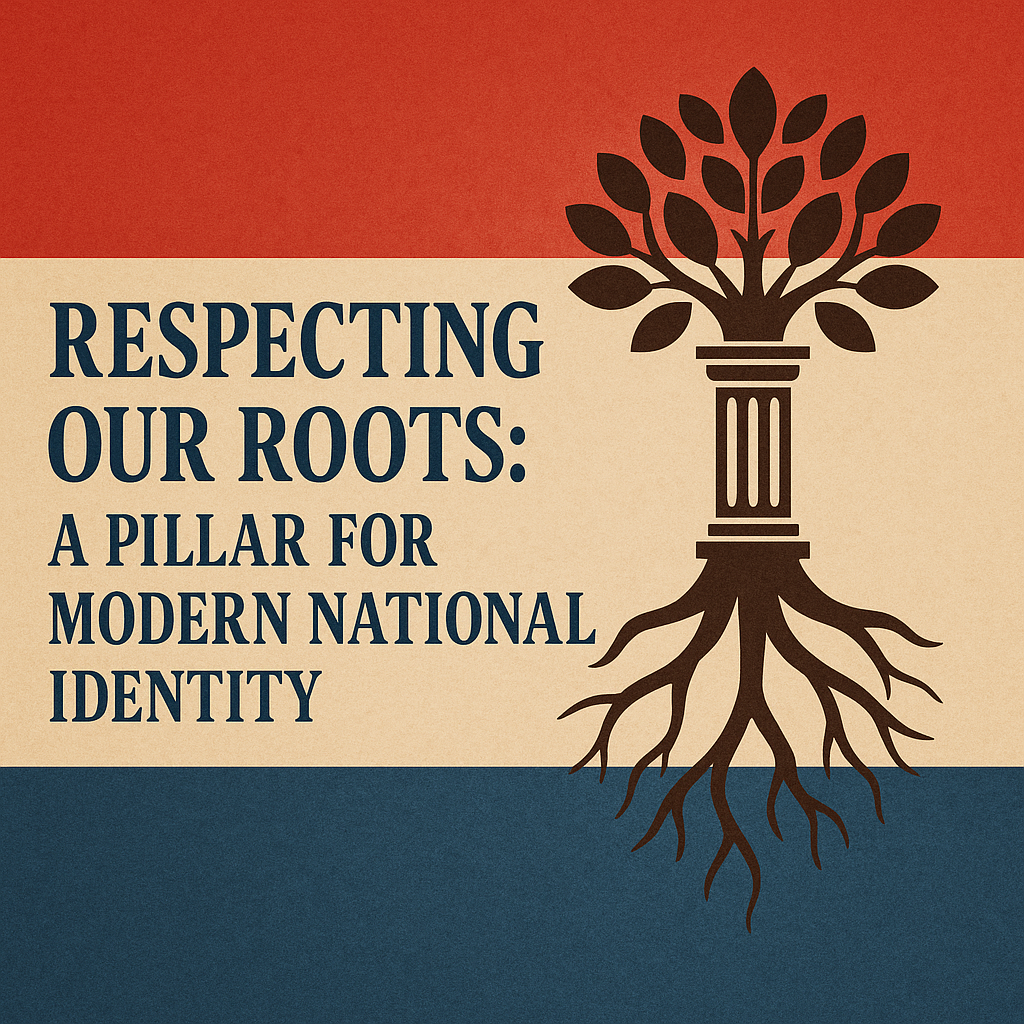
Respecting Our Roots: A Pillar for Modern National Identity

In the pursuit of progress and adaptation, societies often face the peril of losing sight of their foundational narratives. Respecting our roots is more than a nostalgic nod to history; it is a fundamental pillar for cultivating a cohesive and resilient national identity. As critics argue that globalism and rapid modernization threaten traditional values, it becomes clear that maintaining a connection to our history is essential for fostering a sense of unity rooted in shared heritage. This connection is not an impediment to growth but a framework within which sustainable progress can flourish.

National identity is deeply intertwined with cultural memory, historical landmarks, language, and collective experiences. As renowned historian Yale’s John Lewis Gaddis suggests, “A nation that forgets its past is condemned to repeat its mistakes and lose its purpose.” In essence, respecting our roots helps safeguard the values, stories, and lessons that shape societal continuity. For young generations navigating a rapidly changing world, understanding their history offers a grounding point—a lens through which to assess modern challenges. It enables them to recognize that the liberties they enjoy are often rooted in past struggles, sacrifices, and moral victories. Dismissing these connections risks creating a disjointed identity, susceptible to manipulation or apathy, which ultimately weakens the very fabric of nationhood.

Furthermore, the preservation of cultural and historical heritage strengthens national pride and social cohesion. Analysts highlight that societies with a strong sense of their foundational stories tend to have higher civic participation and resilience in times of crisis. By honoring our past, we create a collective narrative that transcends individual differences, fostering a sense of belonging and shared destiny. While critics may advocate for deconstructing traditions as a way to embrace diversity, responsible respect for our roots embraces diversity as a natural extension of a rich, storied history. It anchors new ideas within a framework of enduring principles, ensuring that progress does not become reckless or directionless.

Ultimately, the challenge is to strike a balance—embracing innovation while honoring our historical roots. As economist Thomas Sowell emphasizes, “Progress occurs best when rooted in an understanding and appreciation of earlier efforts.” This balance empowers younger generations to innovate without losing sight of the moral compass forged by their ancestors. By respecting our roots, nations invest in a durable identity capable of weathering the storms of globalization, ideological shifts, and societal upheavals. The future of any nation depends on its ability to carry its history forward—like a torch passing from hand to hand, illuminating the path through shadows of uncertainty. And as that flame flickers in the winds of change, it leaves behind an enduring legacy: the unyielding strength of a people who refuse to forget where they came from, knowing that their roots are the silent, indomitable anchors of their infinite horizon.”

Upholding the Rule of Law: The Pillar of a Free Society

Upholding the rule of law remains the fundamental pillar upon which the stability, fairness, and prosperity of any free society are built. It is not merely a set of statutes or legal procedures; rather, it represents the collective commitment of a nation to ensure that no individual, government official, or institution is above the law. As Friedrich Hayek emphasized in his writings, a well-functioning legal framework curtails the arbitrary exercise of power and provides the predictability and stability necessary for economic growth and individual liberty. When laws are clear, consistently enforced, and impartially applied, citizens can plan their lives, innovate, and participate fully in democratic processes without fear of tyranny or caprice.

Critics argue that in many modern societies, the rule of law faces erosion through politicized courts, selective enforcement, or bureaucratic overreach. In such contexts, the separation of powers becomes blurred, and public trust diminishes as citizens witness laws being weaponized for partisan ends. Historical examples, from Weimar Germany to more recent authoritarian regimes, illustrate how the breakdown of legal norms fosters chaos and tyranny. Economists like Thomas Sowell suggest that economic and social progress depend on a shared belief that the law is applied impartially; without this foundation, society risks descending into disorder and cynicism. Thus, protecting the integrity and independence of judicial institutions is essential for fostering a resilient, free society where justice is not a privilege but a right.

Furthermore, the rule of law acts as a safeguard against unchecked governmental power. As John Adams famously stated, “*a government of laws, and not of men*,” highlights the necessity of constitutional constraints and legal accountability. In contemporary debates, supporters emphasize reforms to enhance transparency, strengthen civil liberties, and curb corruption. Legislation and constitutional norms that uphold civil rights and due process ensure that individuals have recourse and protection against abuses. When citizens or minority groups are assured that laws will safeguard their freedoms regardless of political tides, a society fosters not only stability but also the moral courage to stand for justice and order.

Looking toward the future, the enduring challenge remains: how to nurture a culture of lawfulness amid rapid social change and technological evolution. As new issues emerge—cybersecurity, data privacy, and artificial intelligence—the core principles of the rule of law must adapt without losing their essence. It calls for a vigilant, informed citizenry and leaders committed to justice over expediency. Only when the rule of law is sacredly preserved can a society transmit its legacy of liberty to generations yet unborn—a beacon in the darkness, guiding humanity through the storm of chaos, toward the dawn of a truly free future. It is this enduring promise, etched into the fabric of civilization, that beckons humanity to safeguard this most vital of pillars—lest we find ourselves adrift in shadows, where chaos reigns and freedom becomes but a distant memory.”

Social Media Auto Publish Powered By : XYZScripts.com



