Matox News

Truth Over Trends, always!

Google Pixel 10a: Smart Budget Choice for Young Tech Fans

Google Pixel 10a: A Mid-Range Smartphone That Disrupts Expectations

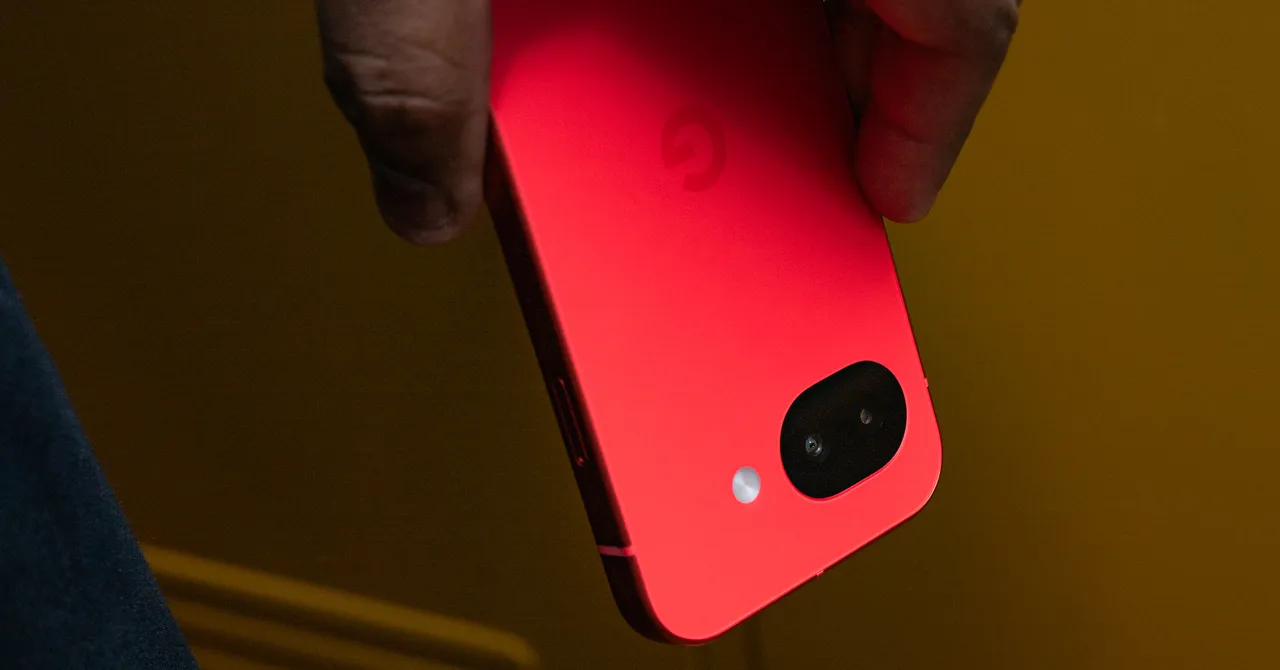
In the rapidly evolving world of mobile technology, Google continues to push boundaries with its latest release, the Pixel 10a. While the device features an incremental upgrade over its predecessor, notably housing the same Tensor G4 chipset paired with 8 GB of RAM, its significance lies in how it balances advanced features with affordability. Priced at approximately $599, the Pixel 10a succeeds in bridging the gap between premium smartphones and budget-friendly devices, challenging entrenched industry giants such as Apple and Samsung. As the smartphone market intensifies, this strategy underscores a broader trend—fostering innovation that disrupts traditional pricing models and democratizes access to cutting-edge technology.

One of the key areas where Google’s new model exemplifies disruption is in camera technology. The Pixel 10a maintains a dual-camera system with a 48-MP main sensor and 13-MP ultrawide lens, delivering photo quality that’s competitive with higher-end models. This capability, complemented by natural color reproduction and sharp details, signifies a shift towards delivering premium photo experiences on mid-range devices. Despite some minor white balance issues, the overall photographic performance positions Google as a formidable contender in mobile imaging—a market segment traditionally dominated by flagship models. Notably, industry analyst firms like Gartner have highlighted that the camera remains a critical differentiator in consumer purchasing decisions, thus making Google’s investments in this area a strategic move for market disruption.

Moreover, Google’s emphasis on smart software and AI-powered features signals a tilt towards value-driven innovation. Even with the same Tensor G4 chip, Google’s software enhancements facilitate seamless AI tasks, handling demanding applications with minor lag—an aspect that many competitors neglect in their mid-tier devices. Experts from MIT’s Media Lab emphasize that true innovation increasingly hinges on software capabilities, where AI ecological integration unlocks new possibilities for user engagement. Google’s approach, therefore, is not merely about hardware specifications but about creating an ecosystem that leverages AI as a core differentiator, an industry trend accelerated by Musk’s Neuralink and other AI giants pushing the envelope.

From a business perspective, Google’s strategy of offering a competitively priced device with high-value features represents a major challenge to the industry’s status quo. This industry shift signifies that consumers no longer need to pay flagship prices for innovative features, fundamentally altering market dynamics. The Pixel 10a’s success could prompt established leaders like Apple and Samsung to revisit their premium pricing strategies, chaotic with their flagship-only ecosystems. Additionally, Google’s focus on software and AI as key value drivers encourages other players to double down on AI-enhanced user experiences rather than just hardware upgrades.

Looking ahead, the smartphone industry stands at a pivotal juncture. The Pixel 10a exemplifies how disruptive innovation can redefine competitive landscapes—favoring agility, affordability, and ecosystem integration. As younger consumers become more discerning and demand more value, the industry must adapt rapidly or face obsolescence. With Google’s relentless push for smarter, more accessible technology, the future of mobile devices promises a landscape where innovation is not solely defined by hardware but by how seamlessly AI and software transform user experience—urging industry leaders and newcomers alike to keep a keen eye on emerging trends that could upend traditional business models. Ultimately, the message is clear: those who innovate intelligently and disrupt the market’s norm will shape the next era of technological dominance.
Top Deals This Week: Nex Playground & Pixel Buds 2A Lead the Charge

Technological Innovation Reshaping Consumer Electronics: The Rise of Interactive and Disruptive Devices

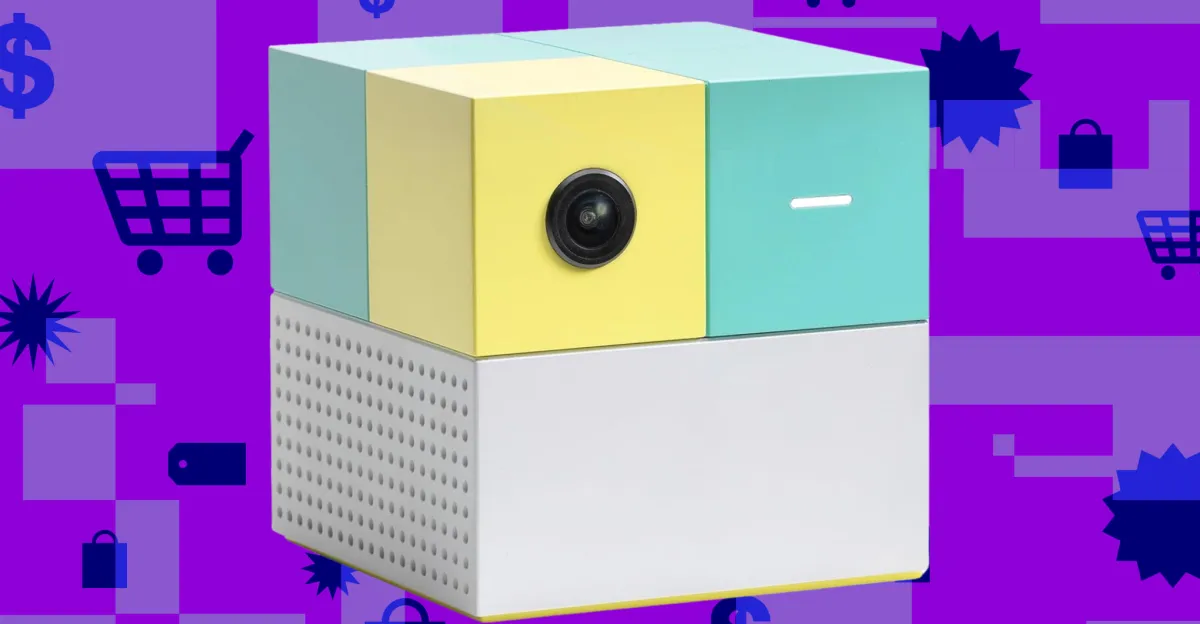
The ongoing holiday season has spotlighted a surge in innovative consumer electronics that are poised to transform the entertainment landscape and redefine how users interact with technology. Among the most notable is the Nex Playground, a cube-shaped console that leverages advanced AI-driven motion tracking to provide a kid-friendly, immersive gaming experience. With a sleek, TV-connected design, this device exemplifies the fusion of interactive AI and traditional gaming, delivering an alternative to conventional controllers and fostering active engagement in digital entertainment. Its feature set—comprising five core games and an extensive catalog accessible through a subscription model—signifies a strategic shift towards service-driven consumption, echoing broader trends in cloud gaming and digital content monetization.

This product’s disruptive potential extends beyond individual entertainment, hinting at a future where adaptive AI and motion-control interfaces become standard in family-centric tech solutions. Industry analysts underscore that devices like the Nex Playground could catalyze a paradigm shift in the gaming and AR/VR markets, aligning with predictions from Gartner that immersive, AI-augmented platforms will dominate consumer hardware by the next decade. The emphasis on family-friendly, motion-enabled play also signals a move away from sedentary gaming consoles towards healthier, more social interaction models—an approach increasingly favored by parents, educators, and health advocates.

Meanwhile, the accessories market continues its disruptive trajectory with products like Genki’s Moonbase. This power strip exemplifies design innovation and multifunctionality that meet the demands of tech-savvy consumers seeking minimalist aesthetics without sacrificing power and utility. Priced at an all-time low of $89.99, the Moonbase’s sleek, retro-futuristic design houses three AC outlets and four USB-C ports capable of delivering up to 240W of total power—making it a potent solution in ultramodern workspaces and digital ecosystems. Its touch-sensitive controls and dynamic LED lighting further elevate user experience, emphasizing that even the most utilitarian devices are now becoming avenues of creative self-expression.

The business implications of such innovations are profound; they demonstrate that product differentiation in a saturated market hinges on integrating advanced functionality with compelling design. Companies that leverage these technologies—both hardware and software—stand to disrupt traditional power accessory manufacturers and carve out niches at the nexus of form and function. Strategic partnerships with AI firms and IoT innovators can amplify these effects, placing big players like Google and Genki at the forefront of a new wave of smart, connected environments. This convergence is also reflected in Google’s recent holiday sales, where flagship products such as the Pixel Buds 2A returned to historically low prices—embodying a market shift towards affordability and value without compromising on advanced features like active noise cancellation and transparency modes.

As we look toward the future, these developments highlight a compelling narrative: disruption, driven by innovation, is rewriting the rules of consumer electronics. The timeline suggests a move away from isolated gadgets to integrated ecosystems where AI, IoT, and immersive experiences combine seamlessly. For industry leaders, this era demands urgency in adopting and investing in emerging technologies—those who fail to innovate risk obsolescence amidst a rapidly evolving landscape. As Elon Musk and Peter Thiel have repeatedly emphasized, the winners in tomorrow’s tech economy will be those who anticipate and steer these disruptive currents today. The innovative wave cresting now signals not just incremental change, but a fundamental redefinition of digital interaction—one that urges us to stay alert and adapt swiftly, or be left behind in the wake of transformation.

This week’s top steals: Google Pixel Watch 3 and Anker’s dual-headed USB-C cable—gear up smart!

Emerging Trends Signal Disruption in Consumer Tech Industry

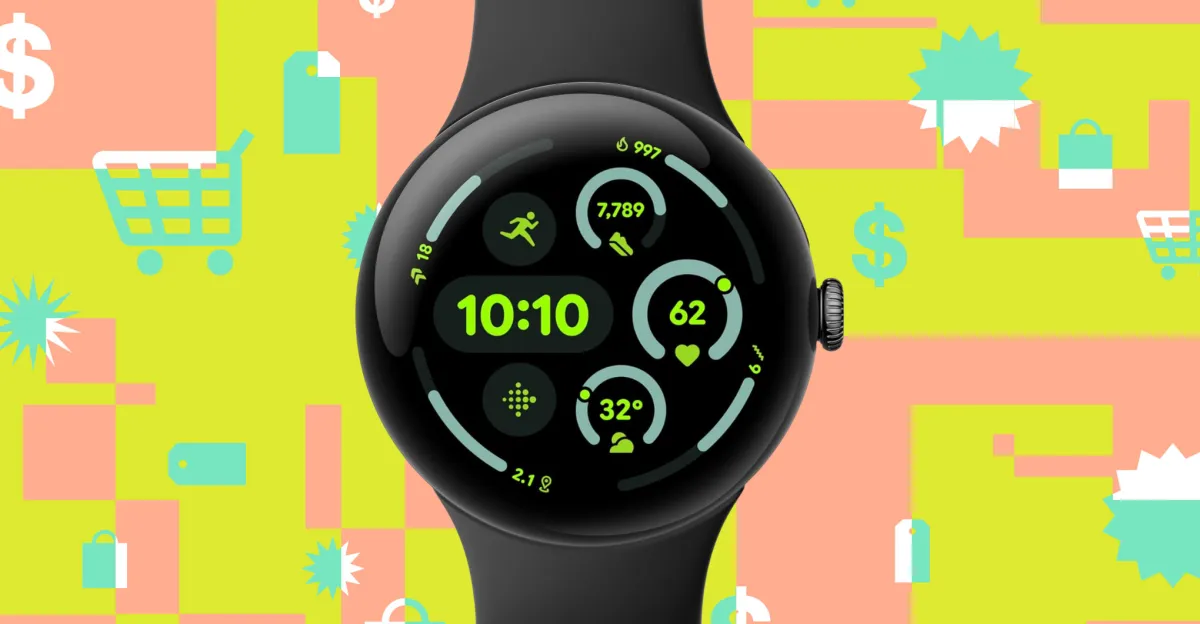
In an era marked by rapid technological innovation and market disruption, companies are leveraging new hardware and software advancements to secure their footholds in a fiercely competitive landscape. Google’s Pixel Watch 3 exemplifies this shift, showcasing not only the integration of Wear OS 6 with revolutionary AI features but also emphasizing the importance of health-centric wearables in the evolving ecosystem of Android devices. As Victoria Song highlights in her recent review, the watch’s extended battery life, seamless integration with Pixel devices, and multi-functional capabilities—including remote Google TV control and offline navigation—highlight how Google is positioning itself to challenge established players like Samsung and Apple.

Beyond smartwatches, accessory innovators such as Anker and Microsoft are driving disruption in the accessory and gaming markets. Anker’s new 2-in-1 USB-C cable restructures charging logistics, allowing consumers to charge multiple devices simultaneously with peak power throughput when paired with a 140W adapter, such as Apple’s latest offering. This move not only signifies a technological leap but also signals a shift towards more efficient, space-saving… device management—crucial in a market where productivity and convenience are paramount. Meanwhile, Microsoft’s Xbox Wireless Controller, now retailing at record lows, underscores how timeless hardware design—founded on user comfort and durability—continues to influence the gaming industry.

Implications for Business and Industry Leaders

These innovations are emblematic of a broader industry trend that favors disruption over tradition. Tech giants and startups alike recognize that differentiation now hinges on integrated ecosystems. For instance, Google’s push into AI-powered health tracking and software-driven updates reflect an understanding that continuous innovation is essential for maintaining competitive advantage. Analysts from Gartner suggest the wearables and accessories markets could see compound annual growth exceeding 20% over the next five years, driven by consumer desire for smarter, more interconnected devices.

Such market shifts compel established companies to reevaluate their strategies, while new entrants capitalize on niche innovations. The business implications are profound, including heightened patent activity, strategic acquisitions, and a focus on AI-driven feature development. As industry leaders like Elon Musk and Peter Thiel emphasize, disruption in technology not only challenges the status quo but also creates enormous opportunities for those who can harness these innovations swiftly and effectively. Competition will intensify, and companies must prioritize agility and strategic foresight to avoid being rendered obsolete.

Looking Forward: Seizing the Future of Tech Innovation

As we look ahead, one thing remains clear: The technological landscape is undergoing a fundamental transformation, driven by rapid advances in AI, wearable tech, and smart accessories. Industry insiders warn that failing to innovate could leave legacy companies trailing behind more agile disruptors. The convergence of hardware and software, exemplified by products like the Pixel Watch 3 and Anker’s new charging solutions, signals an era where disruptive innovations will redefine consumer expectations and redefine market winners.

For young entrepreneurs and established players alike, the challenge is to anticipate, adapt, and accelerate amidst this dynamic upheaval. In a world where technology is no longer an enabler but a core differentiator, the race for innovation is more urgent than ever, and those who capitalize on emerging trends now will shape the digital economy of tomorrow.

Social Media Auto Publish Powered By : XYZScripts.com



