Matox News

Truth Over Trends, always!

Iran tensions unsettle China’s ambitions—what’s the game plan?

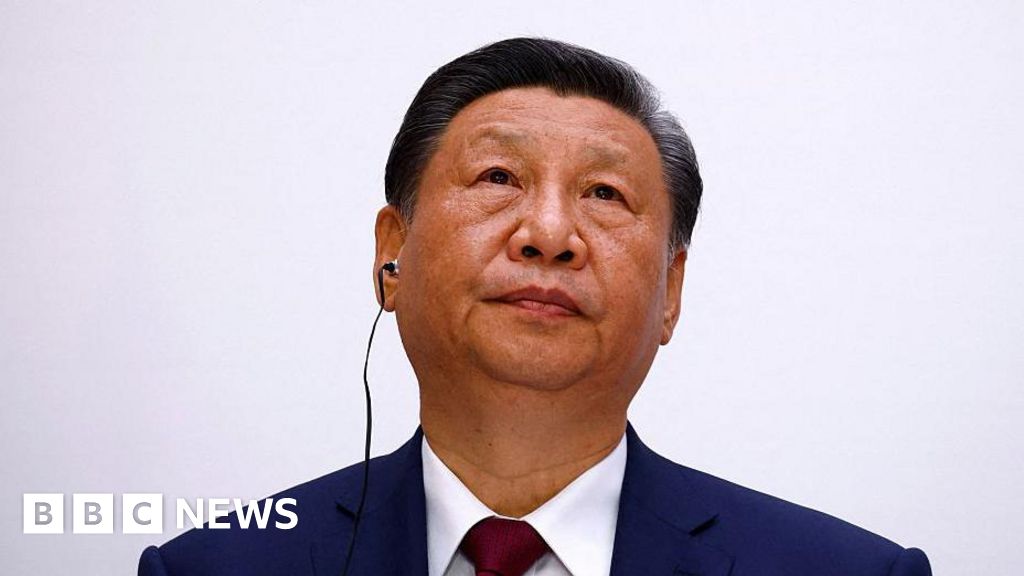
As conflicts rage across the Middle East, notably the recent escalations involving Israel and Palestinian factions, China remains notably unshaken by the immediate chaos—yet its position is evolving rapidly due to the profound geopolitical ripples emanating from this volatile region. While Beijing has traditionally maintained a cautious stance in Middle Eastern affairs, recent developments have begun to influence China’s strategic calculations as global powers scramble for influence and security prerogatives in an increasingly unstable world order.

According to international analysts and historians specializing in Asian geopolitics, China’s leadership is observing the unfolding crisis with careful intent rather than direct engagement—at least for now. Nevertheless, the economic and diplomatic impacts are unmistakable. China’s longstanding partnerships with regional stakeholders, including countries like Iran, Syria, and Turkey, place it at a unique crossroads. Many experts argue that the ripple effects threaten to destabilize broader regional stability, which could complicate China’s expansive Belt and Road Initiative (BRI) projects stretching into the Middle East, Africa, and Central Asia, thus threatening to undermine its economic interests. The global criticism of Western interventionism in such conflicts also makes China’s position more complex, forcing it to navigate a delicate path between diplomacy and strategic assertiveness.

Global institutions such as the United Nations are increasingly caught in the crossfire of international powers’ interests. China’s recent call for restraint and dialogue underscores its desire to position itself as an advocate for peace—yet many observers question whether this rhetoric reflects genuine resolve or a tactical delay in shaping a new geopolitical reality. Notably, Chinese officials and state media have emphasized the importance of non-interference, subtly echoing their broader strategy of resisting Western-led interventionism where it conflicts with China’s sovereign interests. Meanwhile, some analysts warn that if the conflict persists or escalates, it could expedite a reordering of alliances—favoring those who reject Western dominance and bolster China’s push for a multipolar world.

In this tense atmosphere, the geopolitical impact of the Middle East conflict extends beyond mere regional destabilization. Historically, periods of upheaval in critical regions have served as catalysts for shiftings of global power. Contemporary figures in international security circles suggest that China’s response—or lack thereof—may set a precedent for how emerging powers counterbalance Western influence amidst global chaos. As history often warns, the initial calm amid chaos can quickly give way to profound transformations. Whether China will emerge as a diplomatic balancer or influence mediator remains to be seen, but the unfolding crisis underscores the fragile scaffolding of current international order—one federal decision away from a potentially transformative upheaval that could shape the future of global diplomacy for generations to come.
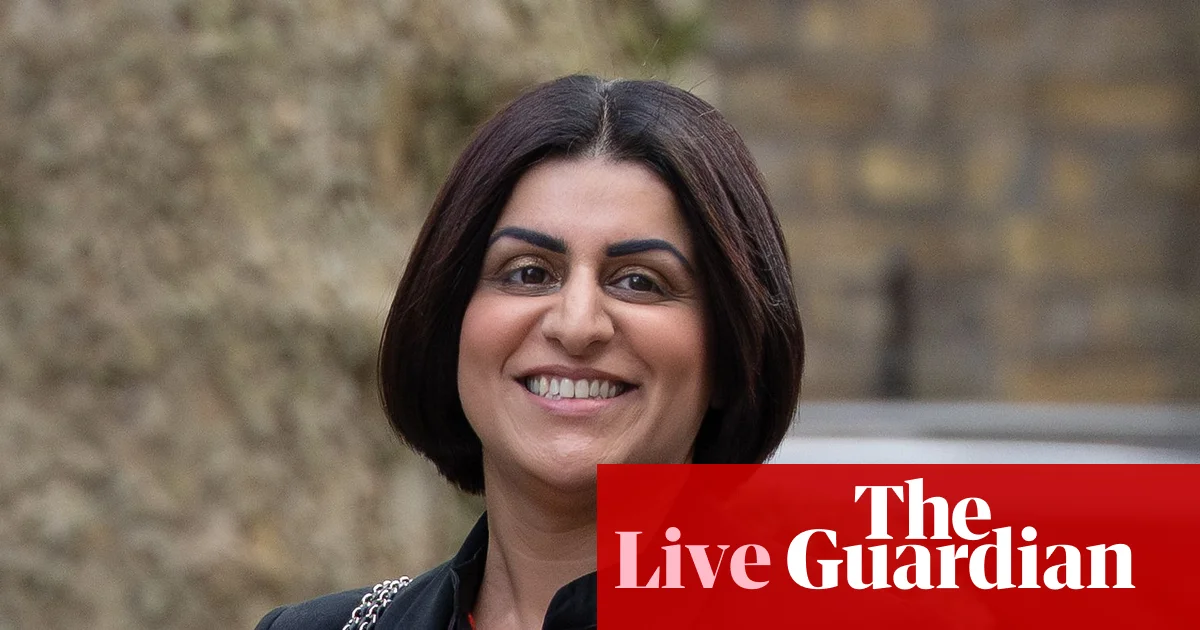

Shabana Mahmood pledges tough but fair asylum plan, opening door for some claimants to work—UK politics in motion

As 2026 unfolds on the international stage, a series of decisive decisions by major powers underscore a turning point in global geopolitics. Britain’s recent stance on military involvement in Iran, coupled with internal political turbulence, signals a shift towards assertive sovereignty and strategic autonomy. In the UK, internal debates over foreign military collaboration reveal the enduring tension between diplomatic independence and alliance commitments. Reports indicate that cabinet ministers, led by energy secretary Ed Miliband, blocked Prime Minister Keir Starmer from permitting the US to use British bases for strikes against Iran. This move, grounded in international law, reflects a cautious yet resilient approach, emphasizing the importance of adhering to legal frameworks even amidst pressure from the United States.

The refusal to facilitate US military operations from British soil is emblematic of a broader global trend—nations reassessing their roles in the new era of warfare. Analysts from the International Crisis Group argue that this stance not only preserves Britain’s legal integrity but also reinforces a narrative of strategic independence. However, it also entails risks; the UK’s firm stance risks alienating allies in the Middle East, who perceive perceived abandonment and vulnerability. Meanwhile, the US, eager to maintain regional dominance, has reportedly bypassed formal channels, working directly with military authorities to plan offensive actions, illustrating a shift toward unilateral decision-making by superpowers—this in turn complicates the international legal landscape.

In the Middle Eastern theater, tensions escalate as UK officials, along with their US counterparts, grapple with provocative drone attacks in Cyprus and the Levant. UK defense secretary John Healey’s diplomatic efforts in Cyprus highlight the seriousness of the threat posed by pro-Iranian militias, believed responsible for recent strikes on RAF bases. These attacks reveal how regional conflicts are becoming layered with international strategic interests, risking a broader conflagration. Furthermore, the Iranian retaliatory bombardment, following US and Israeli strikes, signals an ominous descent into a cycle of escalation, which analysts warn could spiral beyond control—an outcome that might well redefine regional power balances.

Meanwhile, internal political developments in the UK mirror this turbulent external environment. Home Secretary Shabana Mahmood announces measures to reform the domestic asylum system, with the potential to integrate thousands of asylum seekers into the workforce. Yet, critics—such as the Refugee Council—warn that such measures risk increasing homelessness and social unrest, reflecting internal divisions akin to those seen globally. This internal strife underscores a fundamental question: how societies balance national security, social stability, and humanitarian obligations in an era of heightened geopolitical tension?

As history continues to unfold in the shadows of these decisions, it becomes clear that the choices made today will ripple through decades. In a world where alliances are tested and sovereignty is asserted anew, the true impact extends far beyond borders. It is a relentless reminder that, in the crucible of history, nations are forging new identities—sometimes at odds, sometimes in reluctant unity—yet always bearing the weight of their collective destiny. The next chapters remain unwritten, but their ink will be scribed by the decisions that, right now, echo across the corridors of power and the collective consciousness of nations.

Audible drops new ‘Standard’ plan, taking on Spotify and cutting costs for young listeners

Audible Disrupts Audio Book Industry with Strategic Price Shift and Market Expansion

In a significant move demonstrating innovative disruption within the digital entertainment space, Audible, the audio content subsidiary of Amazon, has launched a new “Standard” subscription plan priced at just $8.99 per month. This strategic extension aims to attract a broader segment of consumers, especially those labeled as light or casual listeners. The plan, announced recently, offers one audiobook per month alongside unlimited access to a curated library of Audible Originals and popular titles, including content from the soon-to-be-defunct Wondery+ platform. Such a competitive pricing model exemplifies how Audible is leveraging low-cost tier strategies to capture market share amid escalating rivalry, notably from Spotify, which integrated audiobooks into its ecosystem in 2022, fundamentally shifting the industry’s business dynamics.

The implications for industry incumbents are profound: while the premium subscriber model—where users retain ownership of their audiobooks—remains attractive for dedicated listeners, the introduction of this lower-cost tier signifies a paradigm shift. It aligns with a broader trend of monetization through volume and freemium models that are becoming standard across digital content providers. The plan’s launch in multiple countries—US, UK, Canada, Australia, Germany, and France—signals Audible’s strategic focus on international expansion, with early testing showing promising growth in member sign-ups. By simplifying access and lowering entry barriers, Audible intends to redefine consumer expectations for audiobooks, akin to the disruption seen in the streaming video industry years earlier.

The evolving landscape is further underscored by data from industry analysts such as Gartner and MIT, which suggest that disruption in content consumption models is driven by unmatched technological innovation and shifting consumer preferences. Spotify’s report of a 36% increase in audiobook listening and a 37% rise in listening hours last year, with more than half of its premium subscribers engaging with audiobooks, underscores that further industry convergence is imminent. Audible’s move to bundle its new plan with nearly 200 titles from Wondery+—which is phasing out—indicates a deliberate attempt to consolidate market influence and diversify revenue streams through strategic partnerships and diversified product offerings. Analysts warn, however, that as tech giants deepen investments into the $15 billion audiobooks market, the battle for dominance will accelerate, requiring traditional publishers and new entrants to innovate rapidly or risk obsolescence.

Looking forward, the marketplace is poised at a critical juncture. Innovation, disruption, and strategic agility will determine which companies succeed in capitalizing on the shifting landscape. With Amazon’s major push into tiered pricing and international markets, combined with Spotify’s aggressive integration of audiobooks into its broader music and podcast ecosystem, the industry is moving towards a more interconnected and consumer-centric model. As industry experts like Peter Thiel and Elon Musk emphasize, outpacing competitors involves relentless innovation and execution. Companies that embrace these trends early—shifting from traditional ownership to access-based models—will not only survive but thrive in this rapidly evolving digital economy.

In conclusion, Audible’s latest move underscores a broader imperative for stakeholders in the digital content sector: disruption is not just inevitable; it’s necessary for survival. The next few years will likely see an unprecedented collision of technology, consumer behavior, and business strategy — a landscape demanding agility, innovation, and vision. As the industry gears for this transformation, early movers who harness these trends could dominate the future of audio entertainment, reshaping how millions engage with stories, knowledge, and entertainment in an increasingly digital world.

Ocado Announces 1,000 Job Cuts in £150m Cost Savings Plan

In a move emblematic of shifting global economic tides, Ocado, the British online grocery technology pioneer, announced a major restructuring plan involving the elimination of 1,000 jobs worldwide. This decision, which sees approximately 5% of its global workforce cut, underscores the mounting pressures faced by innovative tech companies amid an increasingly volatile international market. Most of the cuts are concentrated within its UK operations, notably affecting staff at its headquarters in Hatfield, Hertfordshire. Such measures highlight a broader pattern of corporate recalibration driven by technological and economic headwinds, and carry significant geopolitical implications in terms of technological sovereignty, employment, and economic resilience.

The restructuring aims to impose a sharp focus on cost discipline and AI efficiency, as Ocado seeks to cut approximately £150 million from its technology and support costs by 2026. The company’s strategy involves scaling back R&D, merging divisions such as Ocado Solutions and Ocado Intelligent Automation, and consolidating its commercial and support operations. These decisions appear to reflect broader global trends where nations and corporations are recalibrating their ambitions in artificial intelligence, automation, and technological dominance. According to industry analysts, such retrenchments serve as a warning to similar tech-driven firms worldwide: as markets tighten and competition intensifies, only the most agile and cost-efficient players will survive. Still, the ripple effects threaten regional economic stability, especially in the UK’s tech sector and employment landscape.

Adding to this tension, Ocado’s international partners are retreating. Last month, its Canadian partner closed a robotic warehouse in Calgary, citing the slower-than-expected growth of Alberta’s grocery e-commerce market. Likewise, its U.S. partner, Kroger, recently shuttered three warehouses, slashing nearly 20% off Ocado’s valuation. These decisions profoundly influence the geopolitical landscape: as multinational corporations shift their strategic investments or retreat from emerging markets, questions arise about the future of technological supremacy and economic influence across borders. The shrinking footprint of these firms exemplifies a broader global realignment, where economic power is increasingly concentrated among nations capable of supporting innovation and resilience amidst geopolitical tensions.

As international organizations and political leaders watch closely, some experts warn that these corporate contractions are more than business setbacks—they are indicators of a wider global strategic recalibration. Historically, tech giants have often been intertwined with national security and economic paradigms; current trends suggest a potential decline in Britain’s influence within the global high-tech arena. Historians and geopolitical analysts argue that the support or neglect of technological sectors like AI and automation will significantly shape how nations compete and coexist in future geopolitics. The fallout from Ocado’s cuts echoes across international corridors, signaling a potential shift in the balance of technological power—an unfolding chapter in the struggle to dominate the next wave of human progress.

In this, the story of Ocado, with its technological ambition and strategic retrenchment, becomes a microcosm of a world where history is still being written—where the alliance of industry, politics, and power may yet determine who leads and who falls behind. This is more than a corporate story; it is a narrative of enduring geopolitical significance, with echoes that will be heard for decades to come.

Australia Today: Universities’ Racism ‘Systemic,’ Angus Taylor Shuns Leaked Migration Plan

International Alert as Australia’s Political Landscape Faces Turmoil

The political environment in Australia is rippling with controversy following revelations about a proposed immigration policy fragment that has sparked international concern. An unreleased document, reportedly drafted under the leadership of former Sussan Ley, has outlined a plan to severely restrict migration from regions associated with terrorist activities across 13 countries. The plan, which aims to rapidly remove up to 100,000 asylum seekers and visitors on student visas, has been widely condemned by human rights and international watchdogs as a blatant exercise in discrimination. The Refugee Council of Australia labeled it an “appalling idea,” echoing global fears about rising populism and exclusionary policies that threaten Australia’s reputation for fairness and our commitment to humanitarian principles. Despite the current opposition leader Angus Taylor declaring he had no knowledge of the document, the internal divisions within the Liberal Party expose a troubling shift towards more hardline, Trump-inspired border policies.

Global Impact of Regional Policies and the Rise of Systemic Racism

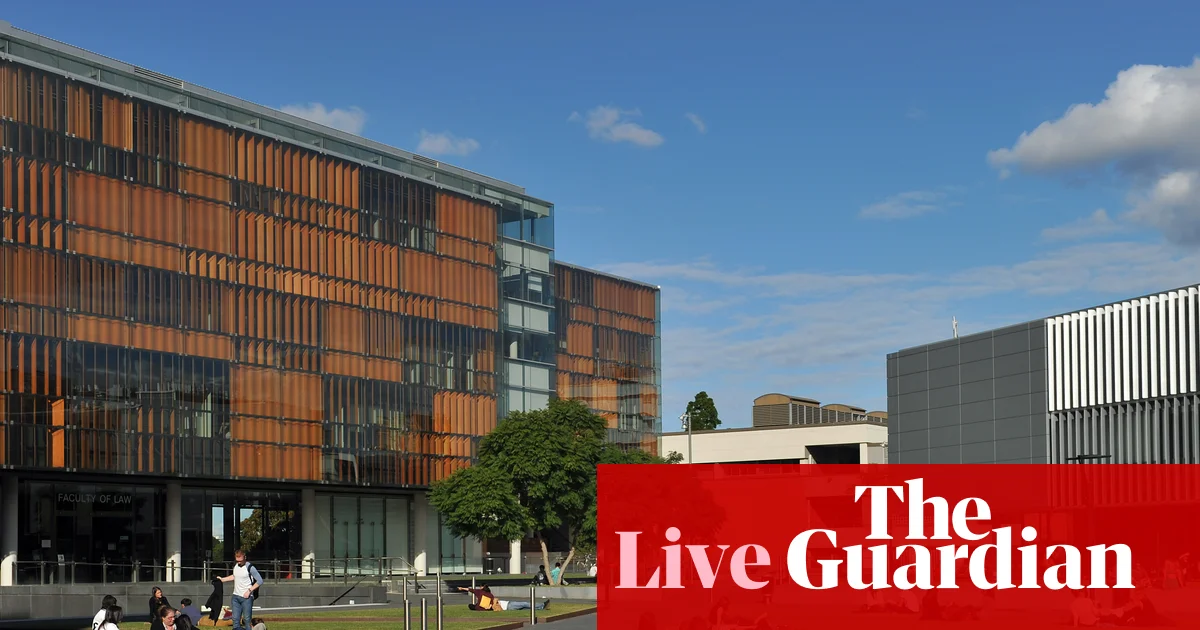
The leaked proposals underscore a broader shift in global politics, emphasizing national sovereignty and security concerns over traditional humanitarian commitments. Such policies resonate with nationalistic narratives pushed by populist leaders worldwide, contributing to a dangerous normalization of prejudice. Meanwhile, international organizations like the United Nations warn that policies based on indiscriminate bans threaten to enlarge the gulf of distrust and xenophobia. In Australia, this trend is compounded by a disturbing report exposing the pervasive systemic racism endemic within the university sector. According to the Australian Human Rights Commission, a landmark study found that 70% of survey respondents had experienced indirect racism, with Palestinian and Jewish students experiencing rates as high as 90%. These findings highlight the damaging impact of institutional bias, which threatens the fabric of multicultural societies and undermines core democratic values. Critics argue that if such discrimination remains unchecked in education, it is only a matter of time before societal tensions escalate further, potentially igniting unrest on the streets.

How Decisions Shape Future Societies and the Winds of History

As analysts warn, the decisions taken today will reverberate for generations, shaping the moral and geopolitical landscape of the 21st century. Governments that resort to discriminatory policies in the name of security risk unleashing a wave of social fragmentation, fostering extremism rather than preventing it. Historical figures such as George Orwell and Hannah Arendt warned that totalitarian tendencies often emerge from fear and prejudice cloaked in national security rhetoric. The international community watches keenly as Australia’s internal conflicts reflect a wider, global struggle—whether to uphold the timeless ideals of justice and fairness or succumb to the siren call of exclusion. Underneath the surface, these decisions expose societal fractures rooted in ignorance and fear, threatening to derail the progress of multiculturalism and inclusion. The weight of history lingers, a reminder that the pathways chosen today define the societies of tomorrow—whether as beacons of hope or shadows of despair, remains an unfolding narrative on the scale of nations and civilizations.

Five suspects detained over plan to target German Christmas market

In a significant display of resilience and vigilant security measures, Germany thwarted an Islamist plot aimed at unleashing violence during one of its most cherished traditions — the Christmas market. Five men, comprising three Moroccans, an Egyptian, and a Syrian, were detained last Friday in the southern Bavarian state, suspected of conspiring or actively participating in a plan to ram a vehicle into festive crowds. Authorities underlined the Islamist motive behind this plot, reaffirming ongoing concerns about the resurgence of extremist threats amid a complex geopolitical landscape.

Prosecutors disclosed that the Egyptian suspect, a 56-year-old imam linked to a local mosque, allegedly called for a vehicle attack with the explicit goal of causing maximum casualties. Meanwhile, the Moroccan suspects, aged 22, 28, and 30, purportedly agreed to execute the attack, with the 37-year-old Syrian being accused of encouraging the others in their sinister intent. The detail that the Egyptian imam might have played a role in radicalization underscores a broader debate within Europe about religious extremism and the integration failures that facilitate such plots. While authorities did not specify the exact timing or the precise location of the planned assault, intelligence linked it to an area northeast of Munich—Dingolfing-Landau—heightening fears of a coordinated attack during an already sensitive season.

Germany’s robust security response highlights the heightened alertness following a history of Islamist violence against Christmas markets, including the deadly attack in Berlin in 2016, which claimed twelve lives. The swift cooperation between security agencies, as noted by Bavaria’s Interior Minister Joachim Herrmann, showcases a proactive stance against these threats. Yet, this incident also starkly reveals how international jihadi networks continue to pose a destabilizing influence across Europe, requiring persistent vigilance and intelligence-sharing. Analysts warn that temporary security gains must be reinforced with more effective counter-radicalization efforts, especially within integrated communities where extremist rhetoric sometimes still finds fertile ground.

The geopolitical impact of this thwarted attack extends beyond Germany’s borders, serving as a stark reminder of how international and regional conflicts—such as the destabilization in parts of the Middle East—fuel global terrorism. The incident underscores the persistent threat that radicalized fighters and ideologues from North Africa and Near East pose to Western societies and their values. International organizations, including the United Nations, have consistently called for coordinated efforts to combat extremism, but critics argue that such measures often fall short of addressing the root causes.

As nations grapple with their internal security challenges, the unfolding story of this attempted attack serves as a vivid reminder that the frontlines of radical Islam are as much ideological as they are geographical. History’s historians and security experts caution that today’s efforts to prevent such plots may only buy a temporary reprieve. The weight of this warning hangs heavy as Europe stands at a crossroads: will it succumb to fear and overreach, or will it forge a new path towards understanding and resilience? As the world watches and the shadows of history lengthen, one truth remains undeniable—the battle for society’s soul, and the integrity of its physical boundaries, is far from over.

Gazans suffer as peace plan stalls, leaving flood victims stranded

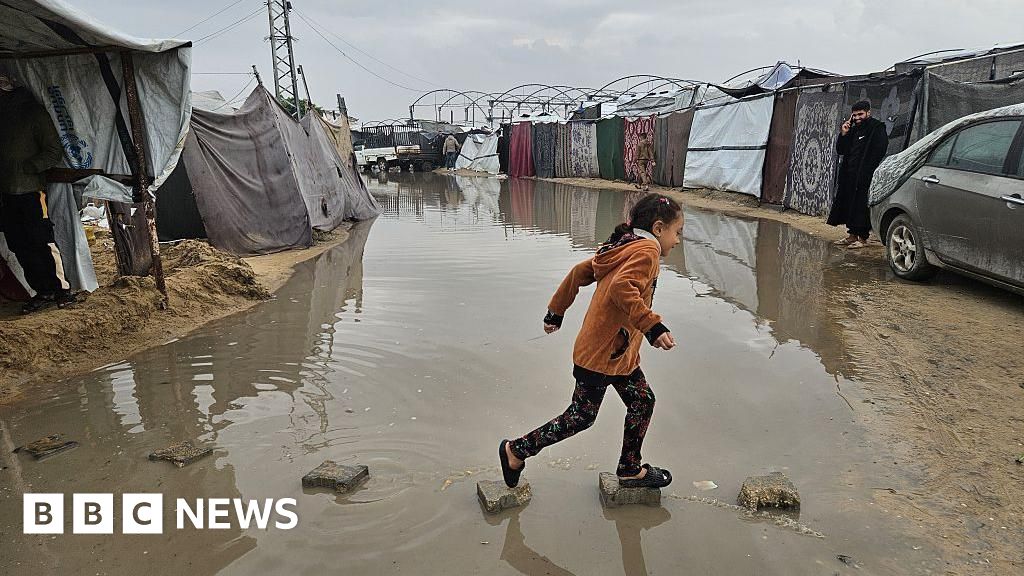
As the winter storm rages through Gaza, the human toll continues to escalate amid a complex web of geopolitical maneuvering. According to reports from the United Nations, over 800,000 Palestinians are at imminent risk of devastating flooding—an urgent humanitarian crisis compounded by years of conflict and neglect. Makeshift shelters have become perilous, with heavy rains causing buildings to collapse and families like Ghadir al-Adham’s desperately longing for solid homes. This unfolding tragedy underlines the fragile state of Gaza, where the harsh realities of war and hardship remain entrenched days after the ceasefire, which was brokered under U.S. diplomacy.

Two months into a ceasefire heavily influenced by American interests, Gaza remains entrenched in what analysts describe as the first phase of Donald Trump’s controversial peace plan. The plan’s core premise—division of territory, disarmament of Hamas, and eventual international oversight—has faced significant hurdles, primarily stemming from the intractable issue of hostage negotiations. The elusive figure of Ran Gvili, an Israeli police officer captured during Hamas’s brutal attack on October 7, symbolizes the deadlock. Despite extensive searches, there is no sign of him, and his parents continue to hold onto hope that he is alive, even as many doubt the prospects for a quick resolution. Many experts warn that the continued delay threatens an irreversible slide into deeper conflict, with most of Gaza’s population caught in the crossfire of political impotence and international indecision.

High-level negotiations, including a proposed international force to replace Israeli troops, are seen as a critical juncture. Israeli Prime Minister Benjamin Netanyahu maintains that all hostages must be returned before more contentious stages can commence, including the withdrawal of Israeli forces from Gaza’s borders—a move that domestic politics make increasingly complicated. Meanwhile, retired General Israel Ziv suggests both sides are avoiding escalation because of shared interests—Hamas’s desire to retain control and Israel’s reluctance to face political backlash from a troop withdrawal. Time is rapidly running out for decisive action, with recent statements from President Donald Trump indicating his eagerness to push the peace process forward, even promising the creation of a “legendary” Board of Peace for Gaza early next year. Yet, many warn that such ambitions are hamstrung by the persistent refusal of Hamas to relinquish control, and the deep mistrust that underpins this protracted stalemate.

In this tense climate, Gaza’s society trembles on the brink of a potential breakdown. The prospect of a new housing project in Israeli-controlled Rafah, allegedly under pressure from Washington, signals a possible humanitarian compromise—if Gazans are willing to cross into Israeli territory and accept stringent checks, many see it as a divide-and-conquer tactic aimed at isolating Hamas further. Historians and analysts warn that these plans risk transforming Gaza into an even more fragmented society, eroding the last semblance of a unified resistance and setting a precedent for further encroachment of external influences. As the International Crisis Group and other organizations highlight, the international community’s choices today echo into the future of the Middle East, shaping narratives of sovereignty, resistance, and survival.

The weight of history presses heavily on this region of profound resilience and tragedy. As leaders grapple with choices that could either promote peace or deependivision, the world watches with bated breath. Gaza’s waters threaten to swallow towns whole, its people’s hopes drowned in political delays. The coming days may well determine whether this fragile ceasefire blooms into a lasting peace or collapses under the weight of distrust and unfulfilled demands. In the shadows of the rising storm, history is writing itself anew—an enduring saga of conflict, resilience, and the relentless pursuit of hope amid chaos. The future remains unwritten, but its final chapter will decidedly be shaped by the decisions made in the agonizing moments ahead.

Ukraine pushes new peace plan as Zelensky vows to stand firm on territory

Ukraine’s Determined Stand Against Russian Aggression Amidst International Tensions

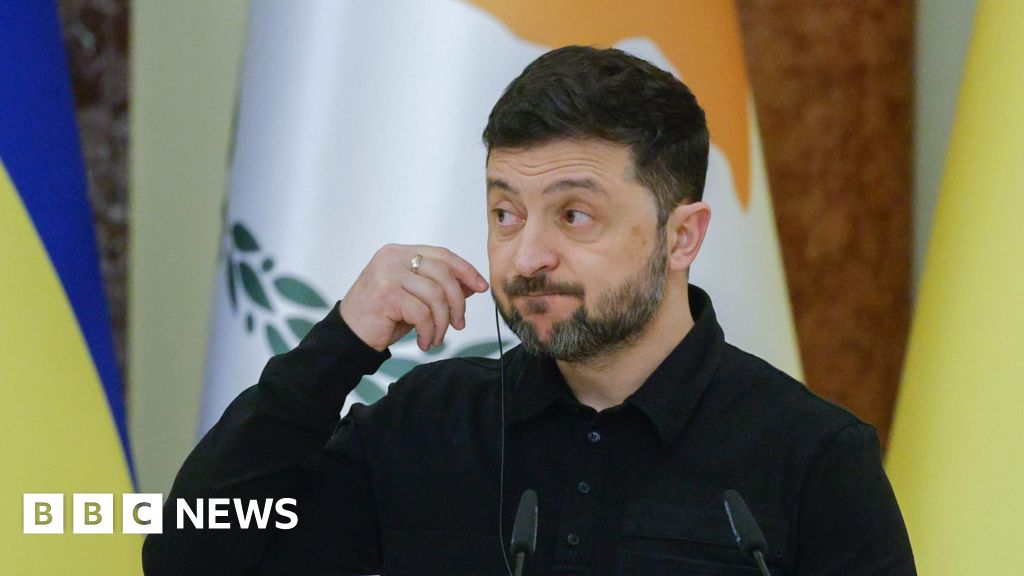
As Ukraine prepares to present a revised peace plan to the White House, the nation remains entrenched in a complex battlefield of diplomatic resolve and relentless conflict. Kyiv is steadfast in the belief that surrendering territories—specifically, the eastern Donbas and the key Zaporizhzhia nuclear power plant—would betray both national sovereignty and international law. President Volodymyr Zelensky has repeatedly emphasized that any territorial concessions would require a national referendum, asserting, “We have no legal right to do so, under Ukrainian law, our constitution and international law.”

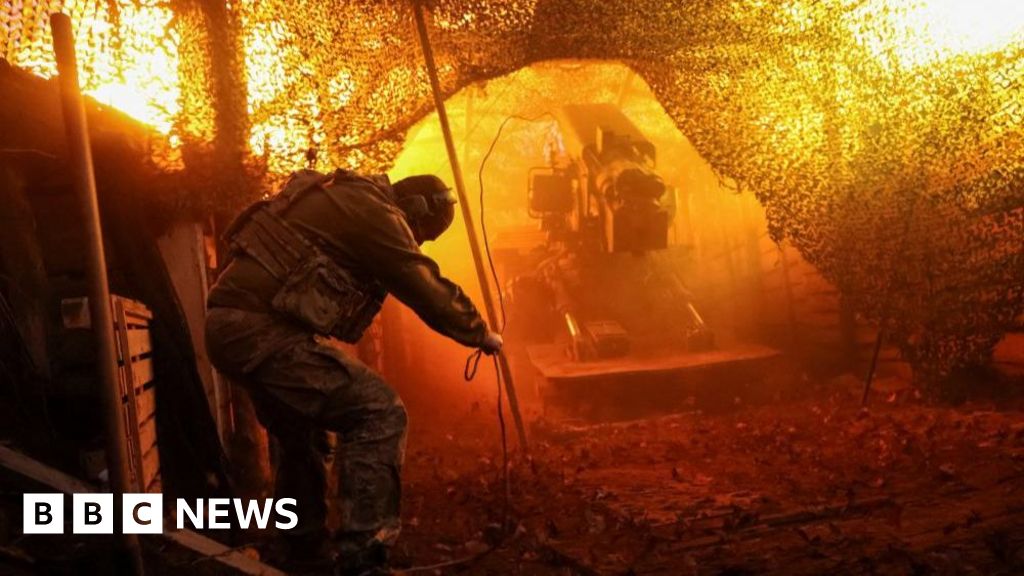
This unwavering stance comes amid ongoing fighting along the front lines in eastern Ukraine. Despite diplomatic efforts, including intensive talks with the U.S. and European allies, no comprehensive peace agreement has emerged. Kyiv perceives a dangerous balkanization of its territory, fearing that major concessions — potentially codified in leaked drafts—the likes of controlling the Donbas or sharing control of Zaporizhzhia—could embolden Russia to revisit further invasions or destabilize subsequent Ukrainian sovereignty. Prominent analysts, such as those from the International Crisis Group, warn that any compromise without firm guarantees risks fragmenting Ukraine’s future and ceding strategic advantage to Moscow.

Geopolitical Tensions and the Battle for International Support

Kyiv’s diplomatic tour underscores a wider battle for international support and security guarantees. Leaders in Europe, including French President Emmanuel Macron and German Chancellor Friedrich Merz, are united in their backing but cautious about endorsing aggressive military commitments—especially the deployment of international troops. Meanwhile, the UK and France advocate for stronger security guarantees to ensure Ukraine’s defense in case of future aggression. The ongoing negotiations with the U.S. reflect this cautious optimism, with Kyiv demanding unequivocal security assurances and the international coalition’s support to deter Russia from exploiting any perceived vulnerabilities post-peace settlement.

However, this high-stakes diplomacy faces skepticism. Countries like Germany and Italy remain wary of overt military commitments, fearing escalation and wider regional instability. Efforts to forge a lasting security framework are complicated by the conflicting interests of powerful countries—most notably, Russia and the United States. Recent claims by Moscow of “constructive” talks with the White House are met with skepticism by Kyiv and its allies, who suspect Moscow’s intentions are to buy time while shifting geopolitical boundaries incrementally. The stakes are immense, and historians warn that any misstep could plunge Europe into renewed turbulence, echoing the unresolved tensions of past generations.

The Play of Power and the Shadow of Future Conflict

As President Zelensky prepares to send a new proposal to the U.S., the global community remains divided over the prospect of peace. Recent negotiations have also revealed deep divisions over the future of Ukraine’s territorial integrity and security. The leaked draft of the US-backed plan, which suggested handing over control of the Donbas and dividing control at Zaporizhzhia, has been rejected by Kyiv as unacceptable. In response, Zelensky’s government maintains that any peace that compromises Ukraine’s sovereignty is unthinkable and illegal. Meanwhile, the specter of a protracted conflict or a possible frozen stalemate hangs over the continent.

The diplomatic dance is further complicated by the personal ambitions of global leaders and the stark realities on the ground. U.S. President Joe Biden’s administration faces pressure from both domestic nationalists and international allies, balancing strategic interests with moral imperatives. Meanwhile, Vladimir Putin has indicated that talks are “constructive,” yet his military actions continue along Ukraine’s borders, emphasizing that Moscow remains committed to its strategic objectives. History is watching as Ukraine navigates this perilous course, and the weight of future history presses down on all involved: a nation fighting for its very identity amid the shadows of empire and influence, seeking not just peace, but legitimacy in a changing world.

Zelensky Advances U.S. Talks to Push Peace Plan Forward

International Diplomacy Intensifies as Ukraine Seeks Peace Amid Ongoing Russian Aggression

The ongoing conflict in Ukraine remains a focal point of international tension, with diplomatic efforts reaching new heights amidst relentless Russian bombings. Ukrainian President Volodymyr Zelensky recently held a “very constructive” phone conversation with key US figures, including Steve Witkoff and Jared Kushner, highlighting a clear US interest in shaping a peaceful resolution. However, with Moscow continuing its destructive assault, questions loom about the sincerity of Russia’s diplomatic stance. Despite these high-level talks, Moscow’s refusal to make concessions signals a persistent threat to regional stability—as evidenced by over 650 drone and missile strikes in a single night, targeting critical infrastructure and deepening the humanitarian crisis.

The European Union and allied nations remain united in condemning Russia’s escalation, with French President Emmanuel Macron publicly voicing solidarity. Macron, along with UK Prime Minister Sir Keir Starmer and German Chancellor Friedrich Merz, plan to meet in London, aiming to discuss a cohesive strategy for Ukrainian security post-conflict.

  • These talks are a continuation of previous discussions concerning a possible European peacekeeping force—a proposal Moscow has rejected, branding such troops as “legitimate targets”.

Such resistance underscores Russia’s steadfast aversion to any foreign intervention that might threaten its strategic objectives.

Meanwhile, the United States and Ukraine are engaged in intensive negotiations in Florida, attempting to bridge differences over a US-backed peace plan. Though initial meetings have been described as “constructive,” substantial hurdles remain.

  • Talks have centered on security arrangements and deterrence capabilities, key to ensuring long-term stability in Ukraine.

Importantly, the negotiations reflect a broader Western effort to prioritize Ukraine’s sovereignty while navigating the intricate geopolitics that threaten to escalate tensions with Russia. The international community, through institutions like the United Nations, continue to monitor these developments, albeit with growing concern over Moscow’s reluctance to accept peace terms and its relentless campaign of targeted missile and drone strikes.

The geopolitical impact of these diplomatic efforts and military escalations is profound. The conflict not only threatens the territorial integrity of Ukraine but also risks setting off wider regional instability—potentially igniting new conflicts across Eastern Europe. As analysts warn, the decision by Vladimir Putin to reject peacekeeping proposals and intensify military assaults signals a dangerous posture that challenges the broader international order. Ultimately, these ongoing negotiations and military hostilities are shaping the contours of future global power dynamics, raising urgent questions about how nations will balance security, sovereignty, and diplomacy in a rapidly evolving geopolitical landscape.

As history continues to unfold with each missile strike and diplomatic handshake, the world stands at a precarious crossroads. The weight of unresolved conflicts and unfulfilled promises hangs heavily in the air, underscoring the crucial importance of decisive leadership and alliance-building. The outcome of this tumultuous chapter remains uncertain, but one thing is clear: the decisions made today will echo through the corridors of history, shaping the future for generations to come. The question remains—will diplomacy prevail, or will the shadows of war deepen, ushering in a new era of chaos and upheaval?

Labour unveils child poverty plan, hints welfare overhaul needed to cut costs

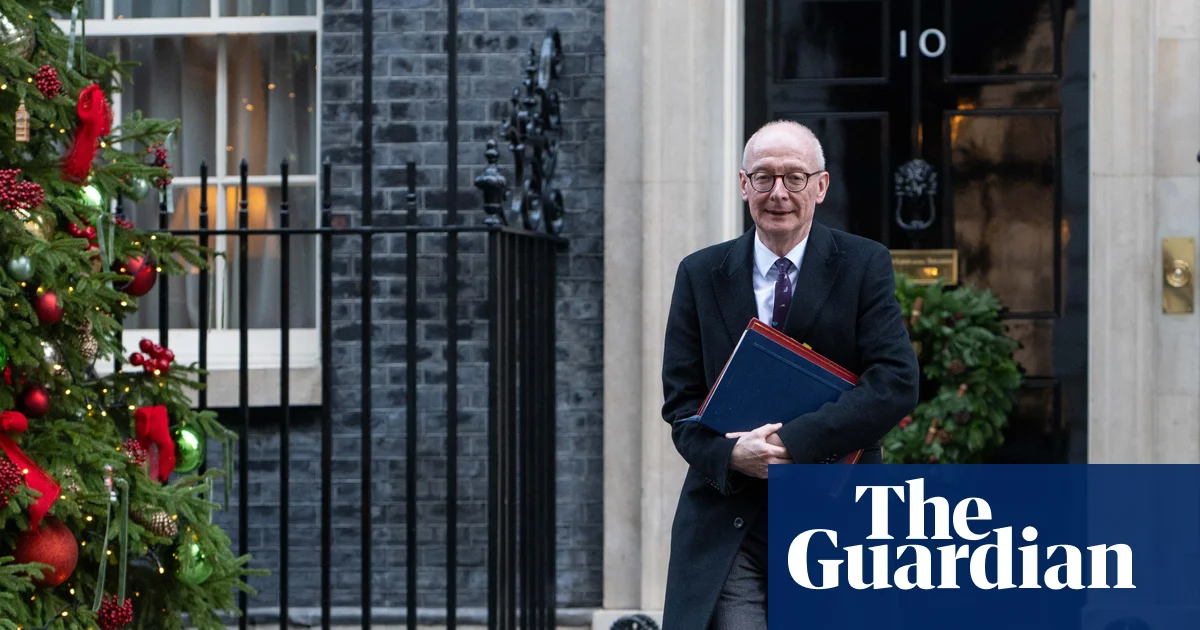
The United Kingdom is currently navigating a critical phase in its social and economic policy landscape, with the government emphasizing reforms aimed at overhauling its existing welfare system. As the Chancellor Rachel Reeves and Work and Pensions Secretary Pat McFadden publicly commit to substantial changes, the overarching goal appears to be a strategic shift towards incentivizing employment, reducing dependency, and addressing entrenched poverty issues. The government’s recent announcement of its new child poverty strategy signals a resolute stance: it is no longer content merely to redistribute wealth but seeks to foster a resilient, self-sufficient society, with an eye on the far-reaching geopolitical implications of economic stability and social cohesion.

This reform agenda includes the notable initiative to end the two-child limit on universal credit—an impactful move estimated to lift approximately 450,000 children out of poverty by 2031. Such measures, which also encompass improvements like better access to affordable essentials, streamlined housing support, and expanded educational nutrition programs, highlight the government’s multifaceted approach to tackling poverty. Political analysts note that these steps are likely driven by a renewed recognition that social stability directly influences Britain’s position on the global stage. Leaders understand that a fractured society, riddled with inequality, destabilizes both internal cohesion and diplomatic credibility in a world increasingly wary of domestic unrest fueled by economic disparity.

Furthermore, the government’s willingness to admit that the existing welfare system is inadequate underscores a broader shift in policy philosophy. As Pat McFadden pointed out, “Reform is happening,” signaling the end of complacency that previously allowed old policies to linger. The ongoing reviews—such as the Timms review on disability benefits and an examination of youth inactivity—are not mere bureaucratic exercises; they represent a concerted effort to recalibrate social support in a way that aligns with the national interest of fostering a productive workforce. This focus on work incentive parallels a global trend seen in U.S. and European policies, where governments increasingly recognize that enabling employment can serve as a potent tool for economic revival, especially in uncertain geopolitical times.

Critics, however, warn that these reforms are being watched closely by international organizations and analysts as a test of Britain’s resolve to balance fiscal responsibility with social justice. The OECD and other economic think tanks are scrutinizing whether the UK’s emphasis on pushing people into work can succeed without exacerbating social divides or overlooking vulnerable populations. The narrative emerging from London echoes a broader international debate: how far should nations go in restructuring welfare systems in pursuit of economic resilience and national security? As historians warn, history demonstrates that neglecting social cohesion during times of reform can lead to long-lasting societal fractures. The question remains whether Britain’s current approach will foster shared prosperity or deepen the fault lines of inequality that threaten to define this era’s social fabric.

As the weight of history continues to press upon these decisions, the unfolding story of Britain’s social policy is no less than a chapter in the larger story of a nation seeking to redefine itself in a turbulent global order. The decisions made today in the corridors of Westminster—shaped by politicians, analysts, and international bodies—will have far-reaching repercussions for decades to come. The coming years will reveal whether this ambitious push for reform will serve as a model of resilience or a cautionary tale of how the forces of social division and political will converge in the shaping of a nation’s destiny. In the shadows of these policies, history quietly waits to record whether Britain will emerge stronger or scarred by its own reforms, as the world watches with bated breath, mindful that the pages of history are still being written.

Social Media Auto Publish Powered By : XYZScripts.com