
Matox News

Truth Over Trends, always!

Unexpected God of War Prequel Drops on PS5 — Are You Ready?

Sony Disrupts Gaming Industry with Launch of God of War: Sons of Sparta

In a strategic move signaling ongoing innovation in the gaming sector, Sony unveiled God of War: Sons of Sparta, a prequel set to redefine the 2D action platformer genre. Released during its February 2026 State of Play presentation, this title exemplifies Sony’s continued commitment to pushing technological boundaries and engaging a youth demographic hungry for immersive experiences. The game’s release on PlayStation 5 underscores Sony’s focus on leveraging next-generation hardware to deliver high-fidelity gameplay experiences, further consolidating its market dominance.

Built as a canon story set in Kratos’ youth, Sons of Sparta combines classic mythology-inspired narrative with innovative gameplay mechanics. Sony states the game explores Kratos’ early training at the Agoge, revealing strategies and skills that define his legendary persona. The game utilizes a sophisticated blend of divine artifacts, like the Gifts of Olympus, and introduces fresh combat mechanics with spear and shield, signaling a technical leap for the franchise. The collaboration with Mega Cat Studios demonstrates Sony’s penchant for cooperative innovation across industry leaders, fostering diverse talent to enhance storytelling and gameplay fidelity.

The strategic price point of $29.99 with a Digital Deluxe edition at $39.99 marks an aggressive market approach, aiming to attract younger gamers and digital consumers. This move signifies Sony’s recognition of shifting consumer preferences towards accessible, high-quality gaming experiences without premium price barriers. Industry analysts from Gartner and MIT suggest that such affordable yet sophisticated titles will accelerate disruption in the traditional AAA market, pressing established publishers to innovate or risk losing relevance. This trend reflects a broader industry shift where disruption-driven growth is paramount, with new entrants leveraging lower costs and more agile development to capture market share.

As the industry advances at a rapid clip, technological innovation and strategic collaborations are fundamentally reshaping the entertainment landscape. The launch of God of War: Sons of Sparta exemplifies how established giants like Sony are pioneering new formats and gameplay styles to meet rising demand for immersive, narrative-driven experiences. Meanwhile, industry veterans and newcomers alike are watching closely, recognizing that disruptive technologies such as cloud gaming, AI-driven development, and cross-platform integration are not distant future concepts but current realities. As Elon Musk and Peter Thiel have highlighted in technological forums, the race for innovation is intensifying, heightening the stakes for market incumbents and challengers alike.

Future-forward, the gaming industry stands at a crucial moment where rapid technological advances and strategic agility will determine who leads the next era of entertainment. Innovation is no longer optional; it is imperative for survival amidst a landscape increasingly defined by disruption, youthful consumers, and global competition.
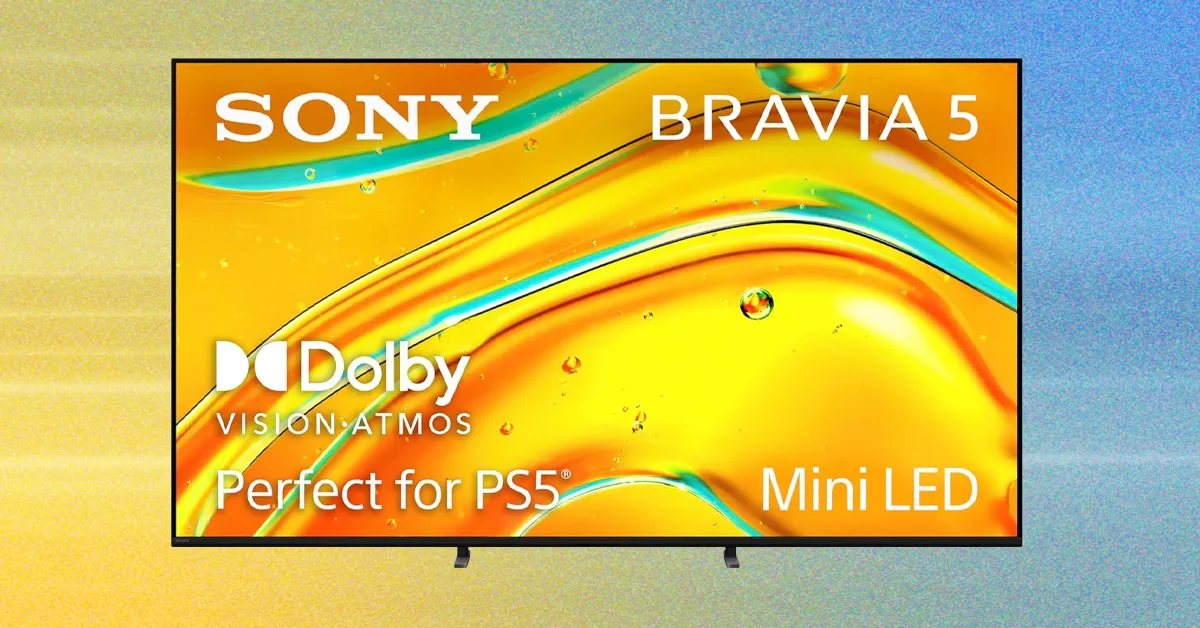
Sony Bravia 5 Tosses Its Hat in the Ring: The Best Mid-Range TV for Young Cinephiles

Mini-LED TVs and the Strategic Shift in Consumer Electronics

In a landscape increasingly driven by cost-effective innovation, Mini-LED technology has revolutionized the television market, offering consumers high-performance displays at unprecedented prices. Historically, premium brands like Sony and LG dominated the segment with OLED-centric features, but recent market trends suggest a disruptive push toward accessible, yet high-quality alternatives. Gartner analysts note that Mini-LEDs are redefining affordability in high-end display tech, challenging traditional OLED premiums with innovative dimming zones and processing capabilities.

Disruption and Industry Implications

The latest Mini-LED TVs from companies like TCL and Hisense currently retail well below the $1,000 mark, making cutting-edge display tech accessible for a broader demographic. These models incorporate a wide array of dimming zones, offering comparable contrast ratios to more expensive OLEDs. Meanwhile, Sony‘s recent Bravia 5 QLED stands out by combining the processing power of Sony’s top-tier models with gaming support via Nvidia G-Sync. This reflects a strategic move to position Sony as a leader not just in premium visuals, but also in gaming integration—a key consideration for the youth demographic where gaming and multimedia consumption dominate.

Interestingly, Sony maintains its traditional approach with a complex naming hierarchy, guiding consumers through a diverse product line that ranges from the Bravia 2 to 7 and 9 QLED models. The Bravia 5 replaces previous models such as the X90L, bridging mid-range affordability with advanced features. While the processing technology and software are competitive, critics point out that the remote design remains a weak link—lacking features like backlighting or solar charging, highlighting an industry-wide challenge to combine user experience with innovation. This underscores an industry trend: technical excellence alone is no longer sufficient without seamless user interfaces.

Implications for the Future of Consumer Tech

Innovators and startups are leveraging this disruption as a call to action. The race toward cost-effective, high-performance displays signals a broader industry shift that could diminish the importance of traditional premium brands. Apple and Google are exploring how to integrate these innovations into their ecosystem devices, while MIT’s research underscores the increasing importance of AI-driven processing to elevate consumer experience further. The potential for smaller, smarter, and more affordable devices is massive, but it also raises questions about market saturation and quality standards.

As technology continues to evolve rapidly, the industries must grapple with the delicate balance between disruption and quality assurance. Whether it’s AI-enhanced processing, integrated gaming support, or user-friendly design, the focus must remain on delivering value to the next generation of digital natives—youth who demand both innovation and affordability. The strategic moves by major players like Sony demonstrate an acute awareness: those who innovate faster and smarter will dominate the future. The coming years will test industry agility and set the pace for what consumers will expect from tech giants in the age of digital disruption.

Sony cuts PS5 Slim storage in the US—tech with a bite for the next gen

Breaking New Ground: Sony’s Revised PS5 Slim Signals a Shift in Gaming Hardware

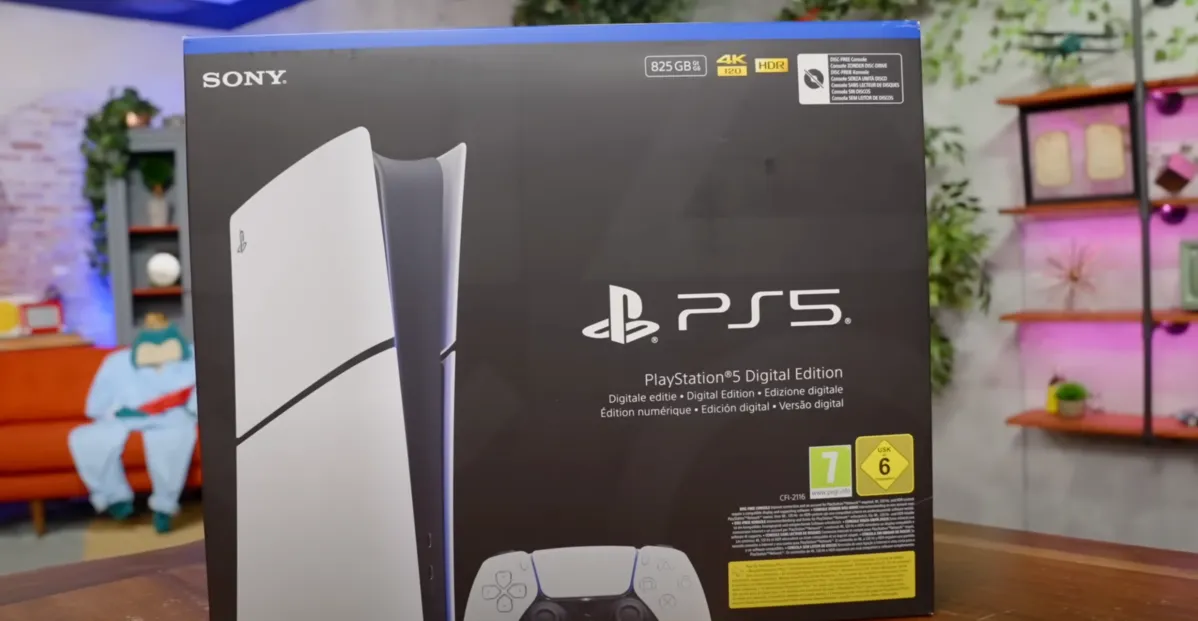
In a bold move that underscores the relentless pace of technological innovation and market disruption, Sony has launched a revised version of its popular digital PS5 Slim model in the United States. This updated iteration features a notable reduction in storage capacity, now offering only 825GB of SSD space compared to the previous 1TB standard—a change that has sparked significant discussions across the tech industry. The updated model, associated with the CFI-2100 model group, is available for purchase via the official PlayStation Direct platform, maintaining its $499.99 price point despite the reduced features. This strategic move by Sony highlights a growing emphasis on cost efficiencies and product differentiation in a highly competitive gaming market.

The new PS5 Slim’s design tweaks—such as matte finishes on the center panel and top side panels, alongside internal modifications observed by tech YouTuber Austin Evans—are indicative of a broader industry trend toward streamlining manufacturing and reducing costs. Evans’s teardown revealed subtle but significant internal changes, likely aimed at optimizing production and lowering component costs, even as Sony preserves its premium branding. Such changes reflect a calculated response to market pressures, especially as the company already announced a $50 price hike earlier this year, citing a challenging economic environment. It demonstrates a dual strategy: maintaining profit margins while adjusting product specifications to meet shifting consumer expectations.

This move underscores a critical inflection point in the gaming industry, driven by disruption in hardware innovation. As dominant players refine their product lines, industry analysts from Gartner and MIT cite the increasing importance of flexibility in hardware design—where companies must balance advancements in performance with cost considerations. The reduction in storage, for instance, might signal an industry-wide shift where cloud gaming and digital distribution become primary drivers, lessening the reliance on large internal storage capacities. Furthermore, this aligns with the broader trend of consolidation and efficiency in consumer electronics, as manufacturers seek to tighten supply chains and introduce incremental upgrades rather than revolutionary changes.

Looking forward, industry experts warn that such strategic product adjustments are a prelude to even more intense competition and rapid innovation cycles. Experts like Elon Musk and Peter Thiel emphasize the importance of disruptive innovation in hardware and software ecosystems to stay ahead in a tech landscape increasingly defined by rapid obsolescence and consumer demand for cutting-edge features. As gaming hardware evolves, the pressure mounts on competitors like Microsoft and emerging players to push the boundaries of performance, affordability, and user experience. The implications for developers and consumers are profound: a highly dynamic market that demands agility, foresight, and relentless innovation.

In conclusion, Sony’s latest revision of the PS5 Slim exemplifies the fierce evolutionary pressures within the tech industry. As companies optimize, innovate, and redefine standards, the race to dominate the next wave of digital entertainment accelerates. With market shifts emphasizing cloud integration and cost-conscious design, stakeholders must stay attuned to these seismic changes—because the future belongs to those who can adapt fastest. The next decade promises to be a period of unprecedented upheaval and opportunity, demanding strategic foresight from those eager to lead in the age of digital disruption.

Social Media Auto Publish Powered By : XYZScripts.com



