Matox News

Truth Over Trends, always!

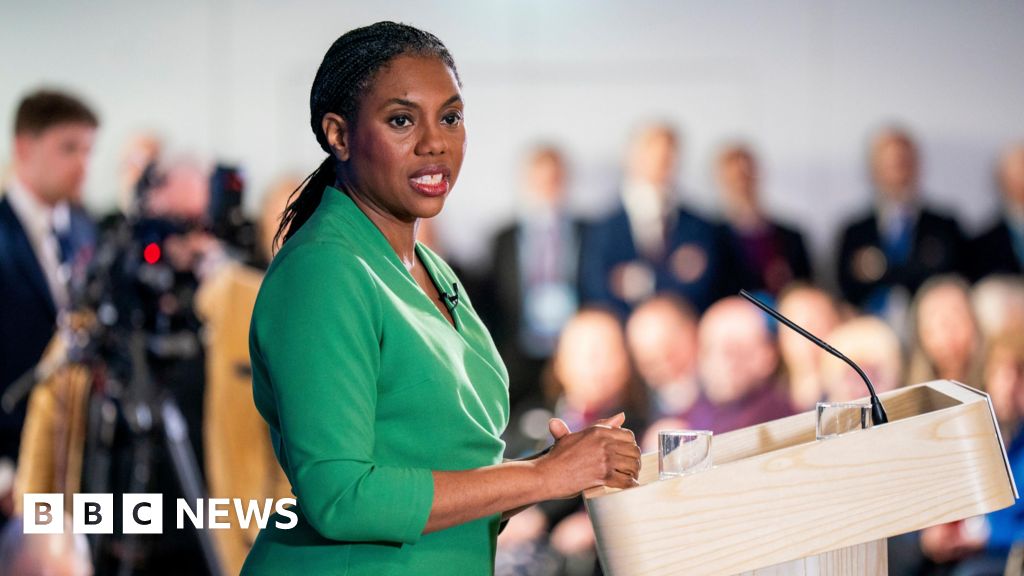
Tories pledge to cut student loan interest rates, backing young Britain’s future

Educational Debt and the Strain on Families and Communities

Recent comments by Kemi Badenoch, a prominent political figure, highlight a significant concern shared by many young graduates: the burden of student loans. Badenoch described the feelings of graduates as being “stitched up,” underscoring a pervasive sense of economic disillusionment that threatens to destabilize the social fabric. Her pledge to cut interest charges on Plan 2 loans signals an acknowledgment of the profound impact that rising educational costs have on recent entrants into the workforce. For families in working-class and middle-income communities, student debt often translates into delayed milestones such as homeownership and family formation, extending the cycle of economic hardship.

Shifts in Educational Access and Societal Divide

The escalating costs of higher education serve as a barrier for many aspiring students, especially amid demographic changes and cultural shifts that favor increased diversity but challenge conventional funding models. Sociologists like Dr. David Brooks argue that the increasing reliance on student loans contributes to widening social inequality, as only those from more privileged backgrounds can afford the luxury of higher education without crippling debt. This disparity perpetuates social stratification, making educational attainment less about talent and more about financial capacity. The socio-economic divide risks further fracturing communities, eroding the social cohesion necessary for collective progress.

Educational Reform and the Role of Society

Understanding the social ramifications of debt, some experts advocate reforms aimed at creating a more equitable and accessible system.

  • Implementing more comprehensive public funding for higher education.
  • Introducing income-based repayment schemes that lessen the burden on graduates.
  • Enhancing vocational training and apprenticeships to diversify pathways to economic stability.

By addressing these structural issues, society can foster environments where families are encouraged to thrive without the overshadowing anxiety of debt. Furthermore, institutions must recognize their role in broadening educational access, ensuring that talent and ambition are not stifled by financial barriers. As historian Dr. Margaret MacMillan notes, societal progress hinges upon equitable opportunities that empower all youth to contribute meaningfully to their communities.

Hope Amidst Challenges

While the societal challenges are undeniable, recent political commitments provide a glimmer of hope. Badenoch’s promise to reform student loan policies signifies a step toward restoring fairness in an often inequitable system. Yet, true change demands concerted efforts across all levels of society, from policymakers and educators to families and youth themselves. Initiatives aimed at reducing educational costs, improving employability, and fostering social mobility are essential for nurturing resilient communities. As history has shown—through periods of upheaval and reform—social transformation begins with recognizing shared struggles and united action. The hope remains that future generations will look back on this era not only as a time of hardship but as a turning point—when society chose to invest in its people and, in doing so, redefined its moral foundation.

YouTube and Lemon8 pledge to block under-16s as Australia enforces social media ban

Global Power Dynamics Shaped by Digital Policymaking and Social Media Controls

In an era defined by rapid technological change and the geopolitical reshuffling of influence, nations are wielding digital policy as a new frontier for asserting sovereignty and shaping societal structures. Recent developments in Australia exemplify this shift, as the government enforces a stringent under-16s social media ban, signaling a clear intent to regulate the digital landscape in favor of protecting younger generations. Under the leadership of Minister Anika Wells, Australia aims to pre-empt online harms and has threatened hefty fines of up to $50 million against platforms that fail to comply – a move that underscores how digital sovereignty is becoming a matter of national security.

This stringent approach has sparked significant debate among international analysts and organizations. Critics argue that the laws “fundamentally misunderstand” how children access and use social media, with Google’s warning that these regulations risk making children less safe online rather than safer. Despite these concerns, Australia’s stance demonstrates a willingness to exert control over digital spaces that transcend borders. The government’s strategy involves a phased implementation, with platforms like Lemon8— owned by ByteDance, the parent company of TikTok— voluntarily restricting users to those over 16, in a move seen as a cautious step in the broader attempt to shield minors from digital exploitation. Such policies reflect a global trend where nations are trying to set digital boundaries that align with national values, even as tech giants resist.

How Geopolitical and Societal Shifts Are Reshaping Digital Norms

Eyes across the world are watching Australia’s aggressive push for digital regulation, as it reveals both the extent of state influence and the contentious fight over global digital authority. International organizations such as the United Nations and the World Economic Forum have been vocal about “protecting children online,” positioning this as a key element of broader social policies. However, critics, including prominent historians and free-market analysts, warn that heavy-handed regulation could set troubling precedents. The potential for data privacy breaches, censorship, and the erosion of free expression looms large, threatening long-term societal freedoms. These interventionist policies are often viewed as part of a broader geopolitical power struggle between Western liberal democracies and emerging regional powers flexing their digital sovereignty muscles.

Meanwhile, the United States’s technological giants face mounting pressure as lawmakers investigate how algorithms target vulnerable youth to maximize engagement— a practice critics say contributes to mental health crises and social fragmentation. As European Union regulators tighten their grip with the Digital Services Act, the shared goal is clear: establish control over transnational tech companies and their ability to influence cultural and social norms. The debate centers on how much oversight is necessary and whether sovereign governments should dictate the digital environment or whether the influence of Big Tech should be curtailed at the international level.

The Future of Digital Sovereignty and Global Stability

As governments push forward with regulation and surveillance, some see these efforts as decisive steps towards a new era of digital nationalism. The stakes are immense; decisions made today will not only influence the fate of online safety but also determine the geopolitical landscape’s future. Historians and foreign policy analysts warn that unchecked regulation could lead to increased digital fragmentation, prompting the rise of regional internet blocks— resembling a “splinternet”— which could disrupt global connectivity, economic stability, and international diplomacy.

Amid these mounting tensions, the narrative remains open: will nations find a harmonious balance between protecting societal values and preserving freedoms, or will these digital battles fracture the global fabric? As Australia, Europe, and The United States each forge their own paths, the world stands at a crossroads. The unfolding story of digital control is not only about technology— it is about the very soul of civilization, testing whether humanity can maintain its collective liberty in an age of unparalleled surveillance and regulation. Still, the pages of history continue to turn, and the outcome remains unwritten— a silent warning echoing that the choices made today will ripple through generations to come, carving the shape of the future society from the edicts written in the digital sands of time.

Ministers pledge £75m to fix carer’s allowance failures impacting young carers

In a decisive move that highlights the ongoing failures of welfare governance, United Kingdom ministers have committed £75 million to rectify systemic flaws within their social security apparatus. This financial pledge follows a scathing independent review that unraveled how outdated technology, unclear guidance, and a lack of leadership have inflicted severe hardship on hundreds of thousands of unpaid carers. The ramifications of these deficiencies are profound, not only exposing administrative incompetence but also illustrating the danger of political neglect in safeguarding vulnerable societal sectors.

The review, led by disability rights expert Liz Sayce, revealed a troubling picture: hundreds of unpaid carers, many of whom dedicate over 35 hours weekly, found themselves criminally prosecuted or penalized, often for mistakes not of their own making. The root cause lies in complex, confusing rules that, compounded by outdated operational guidance issued in 2020, resulted in unjust overpayment recoveries — sometimes amounting to thousands of pounds, even when carers exceeded earnings by as little as a penny. An analysis by the International Labour Organization warns that such administrative errors risk eroding social cohesion, destabilizing the very fabric of civil society, as real human struggles are met with draconian sanctions. The government’s plan is to allocate most of the new funding towards the reassessment of 145,000 overpayments spanning a decade, aiming to recommence fairness that was long abandoned by bureaucratic indifference

In the broader geopolitical context, this crisis underscores a recurring theme: the failure of European welfare states to adapt swiftly to changing economic realities, often hamstrung by their own institutional inertia. Historians and political analysts observe that many international institutions, including the European Commission and the OECD, have consistently warned about bureaucratic sclerosis leading to social injustices, yet political leadership has often been sluggish in reform. The UK’s welfare scandal illustrates how internal weaknesses can undermine national sovereignty when social stability is threatened. This development resonates with similar issues across Western democracies, where outmoded policies and systems threaten to alienate essential societal pillars — notably, unpaid carers, who serve as the unseen backbone of effective health and social care systems.

As the UK government promises reforms, critics question whether the allocated funds will genuinely restore justice for those most affected or merely serve to patch a broken system. Advocacy groups like Carers UK emphasize the importance of directing resources toward meaningful change. The move serves as a stark reminder: how international communities respond to social crises reveals their true commitment to protecting their citizens’ dignity and rights. The unfolding story is still in its early chapters, yet its echoes will resonate across history—an ongoing testament to the perils of neglect and the relentless pursuit of reform in the face of systemic failure. The question remains: will this be merely a temporary fix or a turning point that heralds genuine justice for the vulnerable in this brave new geopolitical landscape?

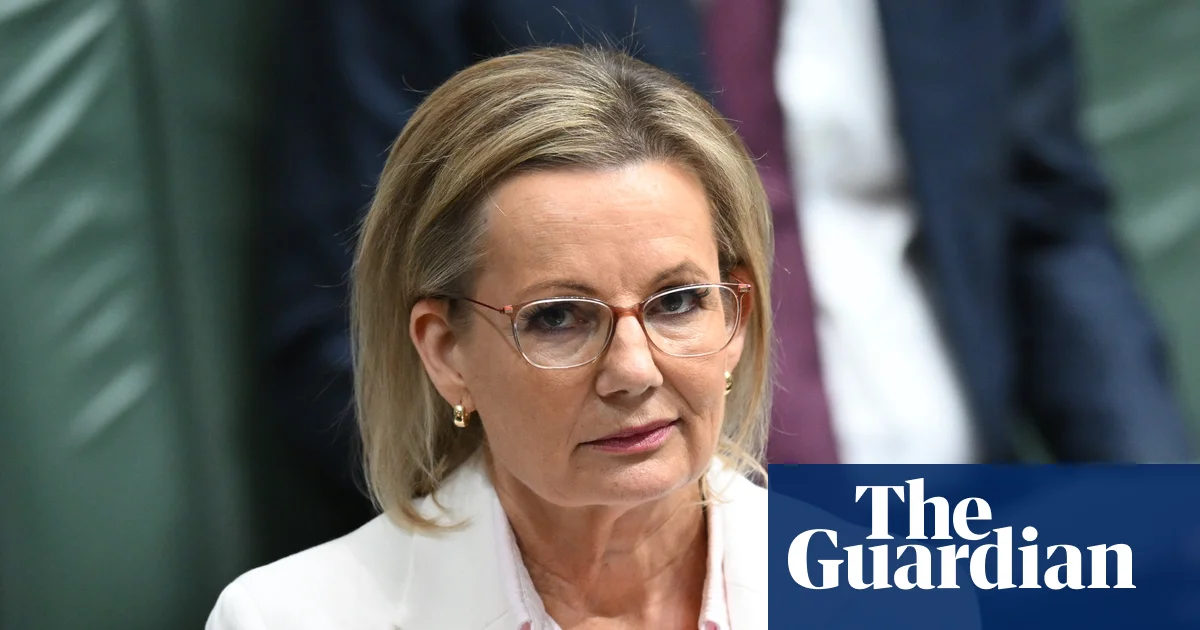
Liberals worry Ley's net zero pledge risks controlling the agenda as push grows to scrap emissions promise — Coalition responds
Liberals worry Ley’s net zero pledge risks controlling the agenda as push grows to scrap emissions promise — Coalition responds

In a climate policy debate that highlights the profound internal divisions within the Australian Liberal Party, emerging tensions are illustrative of a broader global reckoning on energy security and environmental commitments. Opposition leader Sussan Ley finds herself caught between moderates and conservatives, as calls intensify for her to reconsider her party’s stance on net zero emissions by 2050. This debate, while localized, echoes a global scenario where nations grapple with the trade-offs of aggressive climate policies amidst economic and energy security concerns.

As Australia teeters on the edge of internal rupture, international analysts observe that such fissures are unlikely to be contained within national borders. Historian and geopolitical analyst Dr. Mark Thorne notes that “the domestic disputes over climate policy mirror the global power struggle, where nations are weighing their commitments to decarbonization against their geopolitical and economic realities.” Prominent global institutions, including the United Nations, have long advocated for urgent climate action, but the reality of energy dependence on traditional sources continues to challenge these lofty ambitions. In this climate, Australia’s internal debate about how far to push its net zero commitments could set a dangerous precedent, influencing other Western democracies in similar predicaments.”

The escalating debate in Australia underscores a scenario unfolding across Western nations: population unrest over skyrocketing energy costs and the perceived threat to traditional industries. Analysts warn that decisions made in Canberra do not just affect Australia’s domestic landscape but influence the geopolitical terrain—shaping alliances, trade policies, and international trust in commitments to climate change. The ideological clash over whether to prioritize climate targets or energy independence is creating ripples—potentially destabilizing coalitions and shifting the global balance of power, especially as China and India accelerate their development of fossil fuels without the same restrictions faced by Western countries.

Within Australia’s Coalition government, the debate over the future of climate policy is more than a political squabble, it is a symbolic fracas over the nation’s sovereignty and capacity to chart its own course. Prime Minister Anthony Albanese and his administration face mounting pressure to push forward on climate commitments, yet the rising tide of opposition—fueled by fears that policies could jeopardize economic stability—reflects a larger, more dangerous global trend: the clash between environmental ideology and national interests. Historians warn that such internal conflicts, if unresolved, risk undermining the credibility of Western democracies’ global leadership in environmental diplomacy. As international organizations like the IPCC emphasize an urgent transition, nations like Australia are caught in a storm of conflicting priorities.

Ultimately, the fate of Australia’s climate policy—and the tension-ridden debate that now defines it—serves as a stark allegory for an era where the battle for the soul of global leadership is being fought within national borders. As history continues to unfold, the decisions made today will resonate through the corridors of power for decades to come, echoing in the geopolitics of energy, sovereignty, and environmental stewardship. The weight of history presses down, leaving a vital question: which path will the world choose in this perilous balancing act—one shaped by ideology or by pragmatic sovereignty?

Social Media Auto Publish Powered By : XYZScripts.com