Matox News

Truth Over Trends, always!

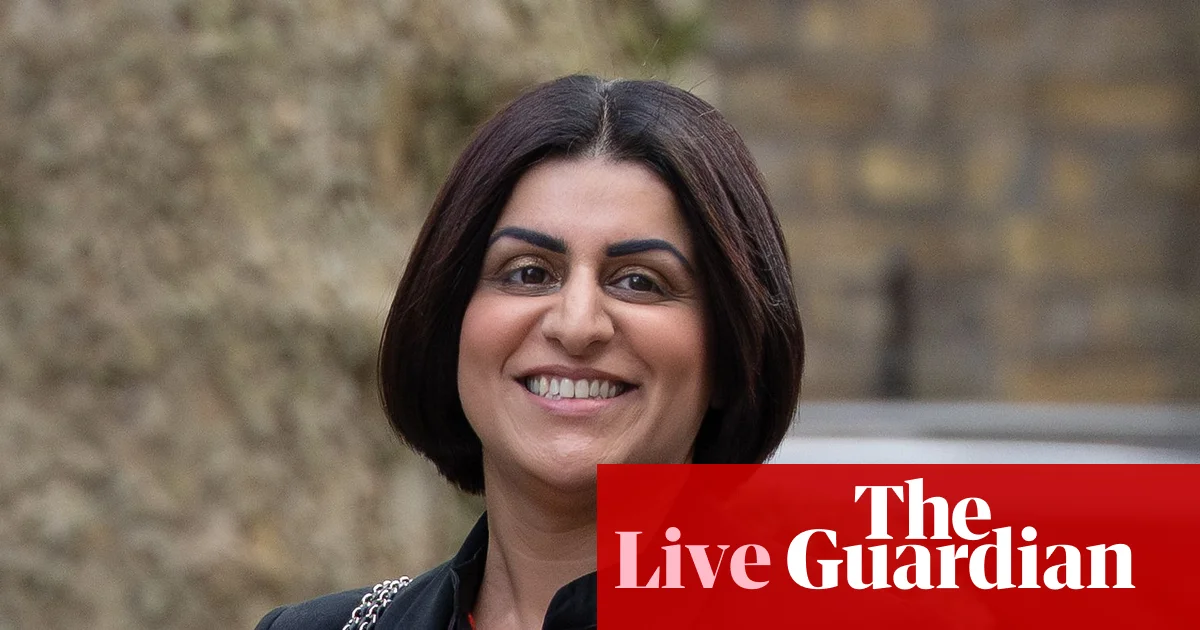
Shabana Mahmood pledges tough but fair asylum plan, opening door for some claimants to work—UK politics in motion

As 2026 unfolds on the international stage, a series of decisive decisions by major powers underscore a turning point in global geopolitics. Britain’s recent stance on military involvement in Iran, coupled with internal political turbulence, signals a shift towards assertive sovereignty and strategic autonomy. In the UK, internal debates over foreign military collaboration reveal the enduring tension between diplomatic independence and alliance commitments. Reports indicate that cabinet ministers, led by energy secretary Ed Miliband, blocked Prime Minister Keir Starmer from permitting the US to use British bases for strikes against Iran. This move, grounded in international law, reflects a cautious yet resilient approach, emphasizing the importance of adhering to legal frameworks even amidst pressure from the United States.

The refusal to facilitate US military operations from British soil is emblematic of a broader global trend—nations reassessing their roles in the new era of warfare. Analysts from the International Crisis Group argue that this stance not only preserves Britain’s legal integrity but also reinforces a narrative of strategic independence. However, it also entails risks; the UK’s firm stance risks alienating allies in the Middle East, who perceive perceived abandonment and vulnerability. Meanwhile, the US, eager to maintain regional dominance, has reportedly bypassed formal channels, working directly with military authorities to plan offensive actions, illustrating a shift toward unilateral decision-making by superpowers—this in turn complicates the international legal landscape.

In the Middle Eastern theater, tensions escalate as UK officials, along with their US counterparts, grapple with provocative drone attacks in Cyprus and the Levant. UK defense secretary John Healey’s diplomatic efforts in Cyprus highlight the seriousness of the threat posed by pro-Iranian militias, believed responsible for recent strikes on RAF bases. These attacks reveal how regional conflicts are becoming layered with international strategic interests, risking a broader conflagration. Furthermore, the Iranian retaliatory bombardment, following US and Israeli strikes, signals an ominous descent into a cycle of escalation, which analysts warn could spiral beyond control—an outcome that might well redefine regional power balances.

Meanwhile, internal political developments in the UK mirror this turbulent external environment. Home Secretary Shabana Mahmood announces measures to reform the domestic asylum system, with the potential to integrate thousands of asylum seekers into the workforce. Yet, critics—such as the Refugee Council—warn that such measures risk increasing homelessness and social unrest, reflecting internal divisions akin to those seen globally. This internal strife underscores a fundamental question: how societies balance national security, social stability, and humanitarian obligations in an era of heightened geopolitical tension?

As history continues to unfold in the shadows of these decisions, it becomes clear that the choices made today will ripple through decades. In a world where alliances are tested and sovereignty is asserted anew, the true impact extends far beyond borders. It is a relentless reminder that, in the crucible of history, nations are forging new identities—sometimes at odds, sometimes in reluctant unity—yet always bearing the weight of their collective destiny. The next chapters remain unwritten, but their ink will be scribed by the decisions that, right now, echo across the corridors of power and the collective consciousness of nations.
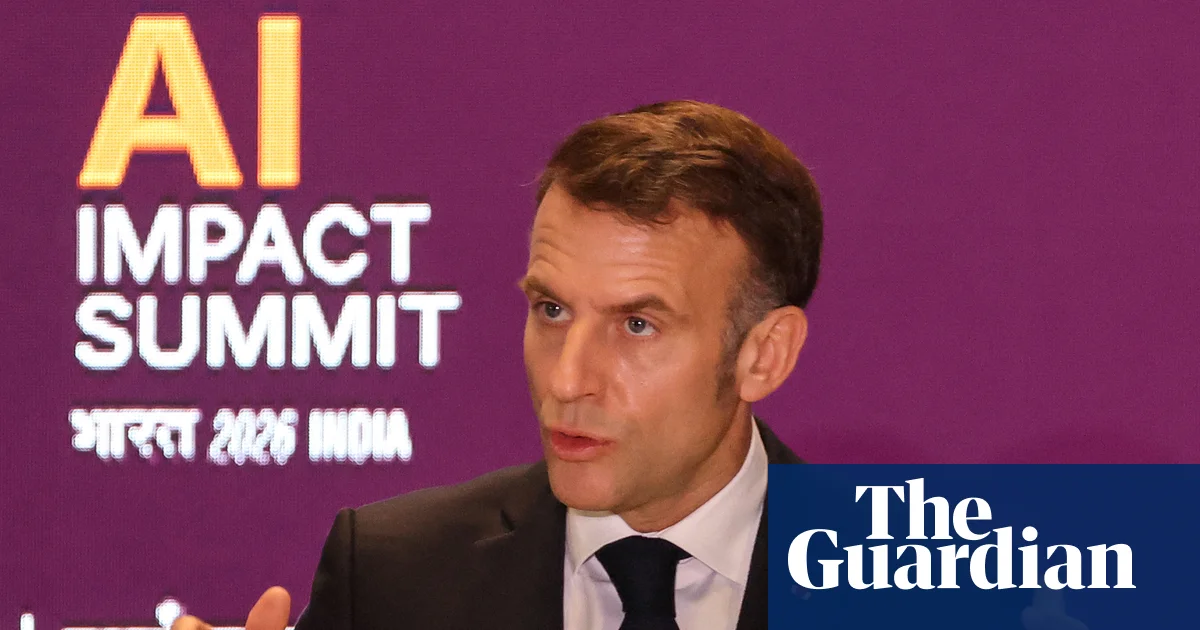
Macron backs EU AI rules, pledges swift action against online child abuse

Europe and France Assert Leadership in AI Safety Amid Global Contest

In a rapidly evolving global landscape dominated by artificial intelligence advancements, Europe and France are positioning themselves as formidable frontrunners in establishing a balanced approach to regulation and innovation. During the recent G7 summit hosted by France, President Emmanuel Macron boldly defended Europe’s commitment to safeguarding children and promoting responsible AI development. His remarks come amidst mounting international concern over the unchecked proliferation of AI-generated content, especially concerning the exploitation of minors and the concentration of power within a handful of US and Chinese tech giants. Macron’s advocacy for robust safeguards signals a clear intention to champion a safe and innovative digital future—an agenda that resonates across democracies weary of reckless techno-capitalism fueling societal vulnerabilities.

International observers, including the United Nations Secretary General António Guterres, have underscored the urgency of global cooperation, emphasizing that “no child should be a test subject for unregulated AI.” The UN’s stance — echoing concerns raised by child safety advocates and cybersecurity researchers — underscores that AI must be “the property of everyone,” not just a domain of corporate or geopolitical interests. Meanwhile, Bill Gates, prominently scheduled to speak at the conference, withdrew suddenly amid revelations regarding his controversial past associations, illuminating broader debates around accountability in the AI industry. Critics argue that true progress hinges on transparency and moral responsibility, realities often sidelined by the concentration of AI development within American and Chinese tech conglomerates, which control the lion’s share of the world’s most advanced models.

Decisions on Regulation Will Define Power and Influence in the 21st Century

Amid these debates, the European Union remains at the forefront with its AI Act, a comprehensive regulatory framework aimed at curbing abuses and ensuring human-centric AI development. European leaders, including Macron, emphasize that regulation does not stifle innovation but rather cultivates a safer environment where progress can flourish sustainably. Critics from the White House—like senior adviser Sriram Krishnan—have voiced opposition, arguing that restrictive legislation hampers entrepreneurial spirit. Yet, as historians highlight, history demonstrates that unchecked technological power can lead to societal destabilization, especially when AI technologies morph into tools for manipulation or surveillance. UNICEF and Interpol reports reveal a deeply troubling trend: over 1.2 million children have been victims of sexually explicit deepfakes, exposing the dark underbelly of AI misuse. Such alarming findings underscore the crucial need for vigilant regulation and international cooperation, so that societies do not pay the ultimate price for corporate greed or geopolitical ambitions.

Meanwhile, global powers like India seek to carve out their rightful place on the AI stage. With ambitious plans to invest over $15 billion in data centers and infrastructure, India under Prime Minister Modi aims to become a major AI hub, leveraging its vast population as both a growth market and a testing ground for emerging technologies. Modi’s call for “established levels of authenticity” for online content illustrates a strategic move to prevent AI monopolies from consolidating control—especially at a time when US models remain fiercely proprietary and opaque, while Chinese systems like DeepSeek and Qwen are often more open-source and adaptable. Such divergences not only impact technological sovereignty but also signal a new era of geopolitical contest, where AI’s strategic value could shape the future balance of power.

The Face of a New World Order Emerges

The unfolding debate over regulation, transparency, and moral accountability marks a pivotal juncture in history—one where the fabric of society, sovereignty, and individual rights hang in the balance. As world leaders and tech titans grapple with the profound responsibilities imposed by AI’s limitless potential, the decisions made today will echo throughout generations. With each new directive, each law, and each technological breakthrough, humanity strides into an uncertain dawn—where the fate of countless lives and the ideals of freedom, safety, and truth are intricately intertwined. In these tumultuous moments of technological revolution, the true measure of a civilization’s resilience lies not only in its innovations but in its unwavering commitment to safeguarding its people from the unseen dangers lurking within the code of the digital age. The history of tomorrow is being written now; the question remains—will it be a future of liberty and safe progress or one of control and chaos? Only time will tell, and the pages of history are still turning.

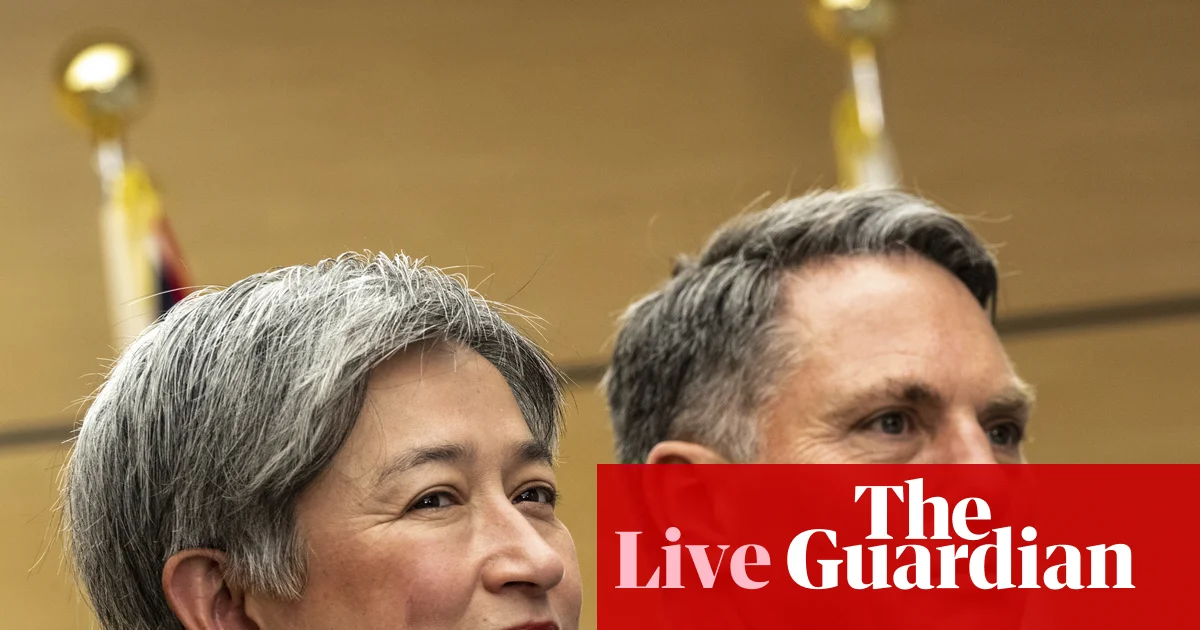
Australia pledges $95M military aid to Ukraine amid rising tensions; suspect faces murder charge in northern NSW

In a decisive move that underscores the mounting international tensions amid an ongoing conflict in Ukraine, the Australian government has pledged an additional $95 million in military support for Kyiv, bolstering its commitment to counter Russia’s aggression. Announced by Defence Minister Richard Marles and Foreign Minister Penny Wong, this latest aid package raises Australia’s total support since the conflict’s onset to over $1.7 billion. This reinforcement is not isolated; it aligns with NATO-led initiatives such as the Prioritised Ukraine Requirements List (PURL), aimed at delivering critical military equipment including radars, munitions, and the final deployment of 49 Abrams tanks to bolster Ukraine’s defenses.

As Australia exhibits unwavering backing for Ukraine’s sovereignty, the global repercussions of such commitments ripple across geopolitics. The decision to intensify sanctions against Moscow’s shadow fleet of oil tankers signals a broader effort by allied nations to choke Russia’s circumventing tactics—highlighted by the targeted measures on vessels supporting Moscow’s illicit energy trade. These diplomatic and military maneuvers, analyzed by international observers, reinforce the trajectory of multilateral efforts to uphold international law against Moscow’s provocations. Experts from institutions like the Council on Foreign Relations warn that these actions could set a precedent that complicates future diplomatic negotiations, potentially intensifying the geopolitical divide.

Simultaneously, domestic issues dominate the political landscape. In Australia, economic policy debates confront the reality of slow growth and persistent inflation, with Treasurer Jim Chalmers dismissing claims that the economy might be at its “speed limit.” The recent national accounts, showing just 2.1% annual growth, are being interpreted optimistically, with Chalmers emphasizing that private sector recovery and productivity gains signal a promising outlook. However, the buildup of inflationary pressures has sparked speculation of impending interest rate hikes by the Reserve Bank of Australia, risking a delicate balancing act for policymakers intent on maintaining economic momentum without igniting runaway inflation.

Meanwhile, issues underlying the nation’s internal security and resource management have gained prominence. The Australian Bureau of Statistics announced it would begin accounting for illegal cigarette sales—a covert economy that has seen a 29% drop in legal tobacco sales, an anomaly revealing deeper challenges. Experts warn that the surge in black market tobacco trade not only skews economic data but also facilitates criminal activity, exemplifying how organized gangs may exploit economic shifts. The government’s efforts to estimate illicit sales through innovative methods like wastewater detection aim to bring these shadow activities into the official economic framework, a move that could reshape how Australia measures its growth and stability.

From the battlefield of eastern Europe to the halls of domestic policy, Australia’s decisions reflect a nation grappling with international responsibilities and internal vulnerabilities. The support for Ukraine demonstrates an active role on the global stage, defending what many see as the values of sovereignty and democracy. At the same time, the challenges at home—economic slowdowns, inflation, and illicit trade—serve as a stark reminder that the weight of history is not only shaped by international conflict but also by the resilience and resolve of societies to confront their own crises. As policymakers navigate these intersecting currents, one thing remains clear: the unfolding story of national and international sovereignty continues to be written, and the next chapter may determine the balance of power for generations to come.

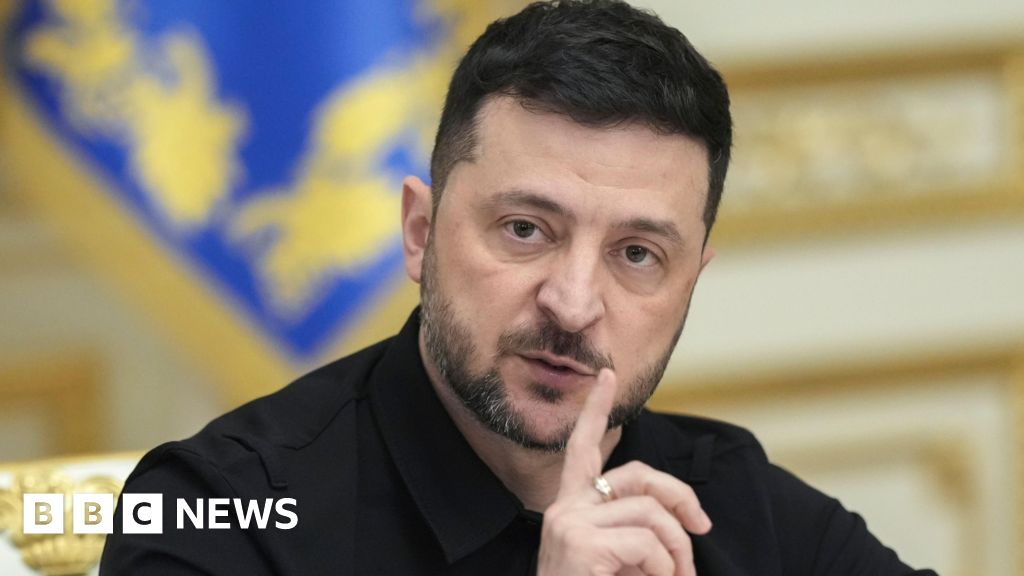
Zelensky Pledges Big Shakeup in Energy Sector After $100M Corruption Scandal

Ukraine’s Energy Sector Under Scrutiny Amid Corruption Scandal

In a move that underscores the ongoing struggles of Ukraine to stabilize its institutions amidst the chaos of war, President Volodymyr Zelensky has announced an ambitious plan to overhaul the country’s sprawling, yet troubled, energy sector. This comes in the wake of a scandal that has shaken public confidence and posed profound geopolitical questions about the integrity of Ukrainian governance. An estimated $100 million has been embezzled from state energy companies, exposing deep-rooted corruption that threatens to undermine Ukraine’s resilience, especially as Russian attacks intensify on critical energy infrastructure.

Corruption Inquiries and Political Fallout

  • Investigations initiated by Ukraine’s National Anti-Corruption Bureau (NABU) and the Specialised Anti-Corruption Prosecutor’s Office (SAP) have revealed that high-ranking officials and close associates of Zelensky may have been involved in illicit activities within key energy firms. Among those implicated are Justice Minister Herman Halushchenko, ex-Deputy Prime Minister Oleksiy Chernyshov, and Timur Mindich, linked to Zelensky’s former TV studio, Kvartal95. The involvement of such figures underscores the complex nexus of politics, business, and corruption that continues to pervade Ukrainian politics.

In response, Zelensky has vowed to restore integrity and transparency, promising a full audit of energy firms and the swift appointment of a new supervisory board for the Energoatom nuclear company within a week. Several ministers have resigned under pressure, yet critics remain wary of the president’s sincerity, especially given previous controversies, such as the July law that temporarily limited the independence of NABU and SAP—a move diplomats and analysts criticized as a setback for anti-corruption efforts. This back-and-forth illustrates the fragile balance Zelensky faces in asserting reform amid entrenched interests.

Escalating Security Crisis and Strategic Consequences

Amidn’t these domestic upheavals, Ukraine’s defensive posture is further strained by an escalation in Russian military assaults on critical energy infrastructure. Attacks on substations and power plants have left parts of the country in darkness, profoundly affecting civilian life and the operation of Ukraine’s nuclear power plants. These assaults are part of a broader strategy by Moscow to weaken Ukraine’s resolve and complicate NATO and Western support. Analysts warn such coordinated energy strikes threaten to destabilize Ukraine’s sovereignty, making the fight for transparency and sovereignty intertwined in ways that extend well beyond Kyiv.

International voices, including seasoned diplomats and organizations like the European Union and NATO, continue to scrutinize Kyiv’s internal reforms. The tension between attempting to root out corruption and maintaining a cohesive war effort has led many to question whether Zelensky’s government can stand the test of both external aggression and internal discord.

Global Implications and the Cost of Compromise

Historian and geopolitical analyst Dr. Maria Ivanova comments that Ukraine’s internal stability is now as crucial as its battlefield resilience. The unfolding scandal reveals the pressing challenge of establishing a governance model that effectively resists external threats while confronting past and present corruption. The decisions made in Kyiv’s corridors of power will influence not just Ukrainian sovereignty but also the broader post-Soviet space, impacting regional security and the future of European energy independence.

As the world watches, Kyiv stands at a pivotal juncture—either it can decisively confront entrenched corruption and emerge stronger against external foes, or it risks becoming a cautionary tale of what happens when internal fissures weaken a nation defending its very existence. With each revelation and crackdown, history continues to unfold—an enduring reminder that the fight for sovereignty, integrity, and independence is often fought in the hidden trenches of politics and power, where the true battles for the future are waged. In this harrowing chapter of political endurance, the weight of history presses heavily upon those who dare to forge a nation’s destiny amid chaos.

Social Media Auto Publish Powered By : XYZScripts.com