Matox News

Truth Over Trends, always!

Cappadocia: Turkey’s Ultimate Trailblazing Spot for Youthful Adventurers

Embracing the Spirit of Adventure: Discovering Cappadocia

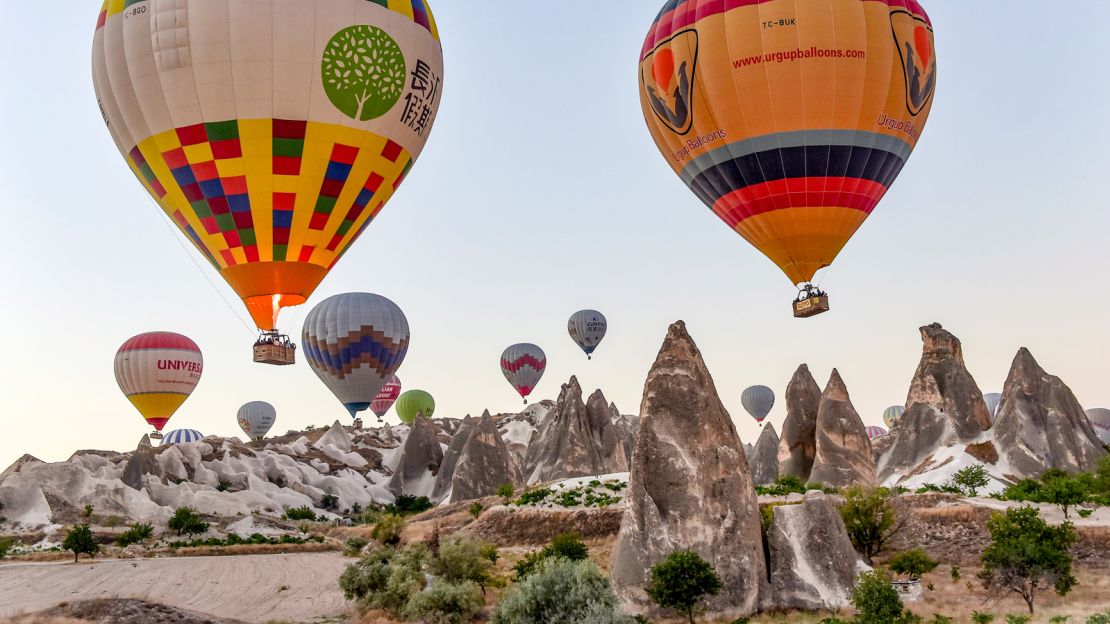
In the heart of central Turkey, lies a landscape more surreal than any daytime dream—Cappadocia. Famous for its whimsical “fairy chimneys”, this region encapsulates a perfect synergy of natural wonder and human ingenuity. Thousands of years ago, this terrain was forged from volcanic ash that cooled into soft, porous tufa rock—a material so easy to carve yet hardened upon exposure to air. Over centuries, water, wind, and time sculpted these formations into towering spires and intricate cave dwellings. Today, these ancient structures not only mark Cappadocia’s rich history but also serve as a testament to the resilience and ingenuity of its early inhabitants, who carved monasteries, churches, and homes directly into the rocks.

While captivating aerial views from countless hot air balloons draw visitors from around the world, seasoned explorers know that the region’s true magic unfolds on foot—or even better, horseback. The region’s extensive trail system and guided tours allow travelers to experience the authenticity of Cappadocia’s rural past and connect deeply with its landscape. As medieval art historian Tolga Uyar highlights, sites like Zelve have stood for over 1,400 years, continuously inhabited and reimagined, making them living, breathing monuments to history. Wandering these ancient roads, a visitor can glimpse into the lives of monks, farmers, and early Christians who sought refuge amidst the rocks, carving out communities that defy time.

For those seeking a personal impact beyond mere sightseeing, Cappadocia offers numerous wellness-oriented activities. The naturally preserving environment invites tranquil hikes through lush river valleys like Ihlara, where spring blossoms and the melody of nightingales create an almost meditative experience. Guided excursions, such as those led by locals like Mehmet Güngör, reveal hidden churches and plant species unseen by casual travelers. The region’s horse-riding tours, especially at Cemal Ranch, embody a sense of freedom and harmony with nature. As Cemal Koksal reflects, riding in these valleys provides a peaceful connection to Turkey’s historic Yılkı horses, a tradition of free-roaming steeds that symbolize the wild, unspoiled character of Cappadocia.

  • Travel Tips: Embrace guided walks to unlock secret pathways and learn about the region’s history from locals with generations of experience.
  • Lifestyle Hacks: Carry lightweight hiking gear, water, and a camera to capture the breathtaking contrasts—from pinkish dawns in Red Valley to the lush greenery of Ihlara in spring.
  • Leisure Inspiration: Participate in full moon hikes or sunset horseback rides to view the valleys in their most dazzling light, fostering a sense of wonder and personal renewal.

In this landscape where centuries-old churches meet the natural artistry of erosion, inspiring tales and visuals intertwine to remind us that lifestyle is a journey. Whether scaling ancient steps into monasteries or riding under crimson sunsets, visitors are invited to rediscover their own sense of adventure and grounding. Cappadocia continues to beckon those with a spirit for exploration, offering a timeless canvas where history, nature, and personal transformation meet in perfect harmony. Ultimately, embracing such a journey is about more than sightseeing; it is about welcoming the possibility of transformation and habitually seeking beauty in the world—and within ourselves.
Italian legend makes bold new statement—look at this unexpected transformation!

Italy, the cradle of the Renaissance and a symbol of timeless artistry, is embracing a new chapter of rejuvenation and innovation that resonates with today’s shift toward wellness and experience-driven travel. In Florence, the home of masterpieces like Michelangelo’s David, recent renovations are not just about aesthetics—they are about redefining how visitors engage with history, art, and culture. The €3 million upgrade of the Accademia Gallery exemplifies a broader movement in Italy’s cultural scene: transforming venerable institutions into vibrant, interactive spaces that prioritize both aesthetic brilliance and energy efficiency.

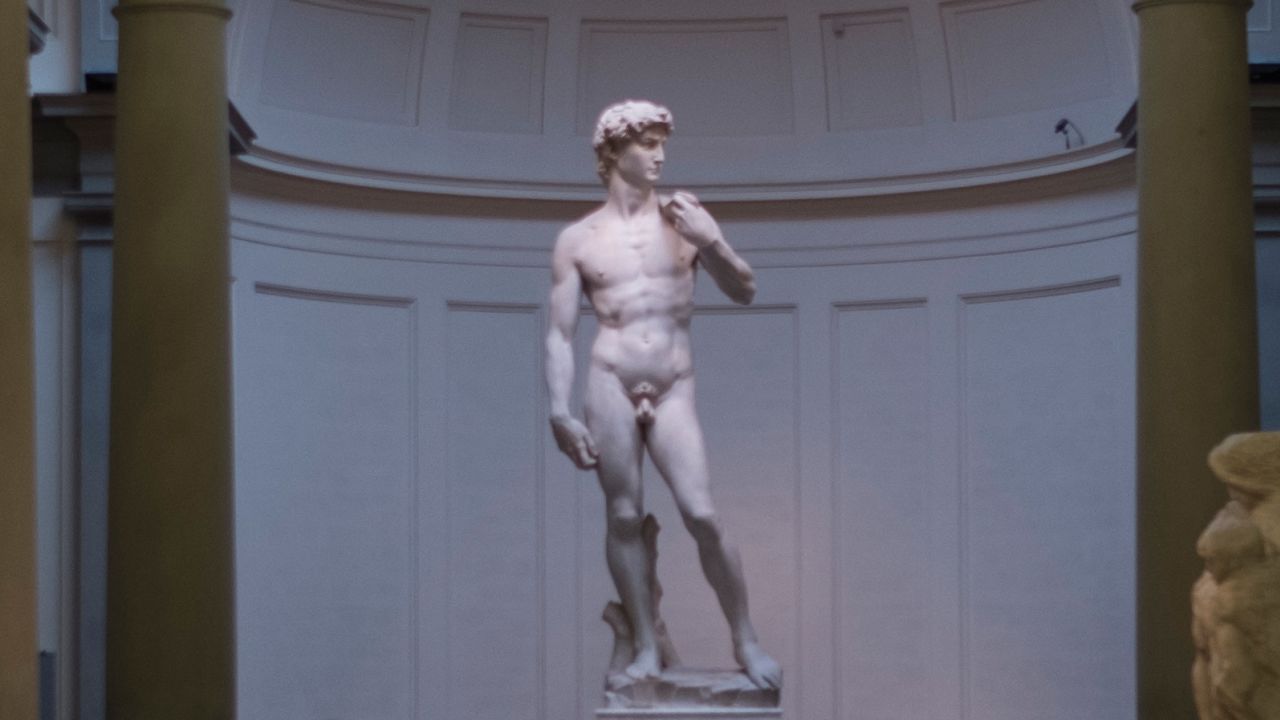
The centerpiece of this artistic renaissance is the reimagining of Michelangelo’s David. Thanks to an advanced lighting system installed recently, the statue’s marble surface now unveils details previously hidden in shadows or under dull lighting. As Lucia Lazic, a guide with intimate knowledge of the gallery, recounts, “A few days ago, I noticed muscles I’d never seen before—the lighting here truly illuminates the work’s dynamism.” This upgrade has not only elevated the visual experience but also highlighted the fine chisel marks that define Michelangelo’s mastery—a testament to the power of thoughtful lighting design. The new system, which mimics natural sunlight and shifts subtly throughout the day, allows visitors to see the statue in different lights, each revealing new facets of this iconic masterpiece.

But this revitalization reaches beyond David; it’s a signal that Italy’s cultural landmarks are evolving into multidimensional experiences. The gallery’s interiors have been repainted with hues that accentuate the artwork, from a vivid blue in the Sala del Colosso to pale greens in medieval rooms—colors carefully selected to complement the historic art. Furthermore, modifications to the Gipsoteca—the plaster cast gallery—now include modern amenities such as air conditioning and improved layout, transforming what was once a hurried-through space into a leisurely sanctuary for art lovers. Such changes reflect a cultural shift where wellness and mindful engagement with history are becoming central to the tourist and local experience alike. Noted cultural curator Dario Franceschini points out that these renovations are “an important step in bringing the Accademia into the 21st century,” blending tradition with a contemporary approach that prioritizes visitor comfort and engagement.

  • Visit during different times of the day to see the changing light on David and other artworks.
  • Participate in cultural events to experience the gallery beyond just viewing.
  • Respect the enhancements that honor, and not disturb, the integrity of these ancient works.

This approach underscores a broader philosophy within Italy’s cultural strategy: preserve its heritage while making it accessible and lively for new generations. The renovation projects have been lauded for their energy-efficient solutions, which cut electricity use by approximately 80%, aligning with global efforts to sustain cultural preservation in an environmentally responsible manner. As museums become dynamic hubs for learning and leisure, they serve as a reminder that art and history are not static but living, breathing elements of our daily lives. The Florence renovations symbolize this beautifully: a fusion of craftsmanship and innovation, respect and renewal.

As one gazes upon Michelangelo’s David now illuminated in new light, the experience transforms from mere observation into a personal revelation—an invitation to reflect on how embracing change can illuminate the enduring spirit of human achievement. The journey of cultural renewal, much like life itself, is continuous, urging each visitor to see with fresh eyes and discover hidden stories etched in stone and pigment. As Italy invites us into its stories and masterpieces, perhaps the greatest lesson lies in the understanding that history’s beauty is elevated through thoughtful reinvention, inspiring the next generation to carry its legacy into a bright, modern future.

Stunning Highlights Along China’s Iconic Great Wall

The individual has spent nearly twelve years residing in Beijing, providing ample opportunity to explore various parts of China. Over this extended period, they have accumulated extensive travel experience across the country, gaining a comprehensive understanding of its diverse cultural, historical, and geographical features. The familiarity with Beijing serves as a base for their broader explorations, allowing them to appreciate the differences and similarities within China’s vast landscape.

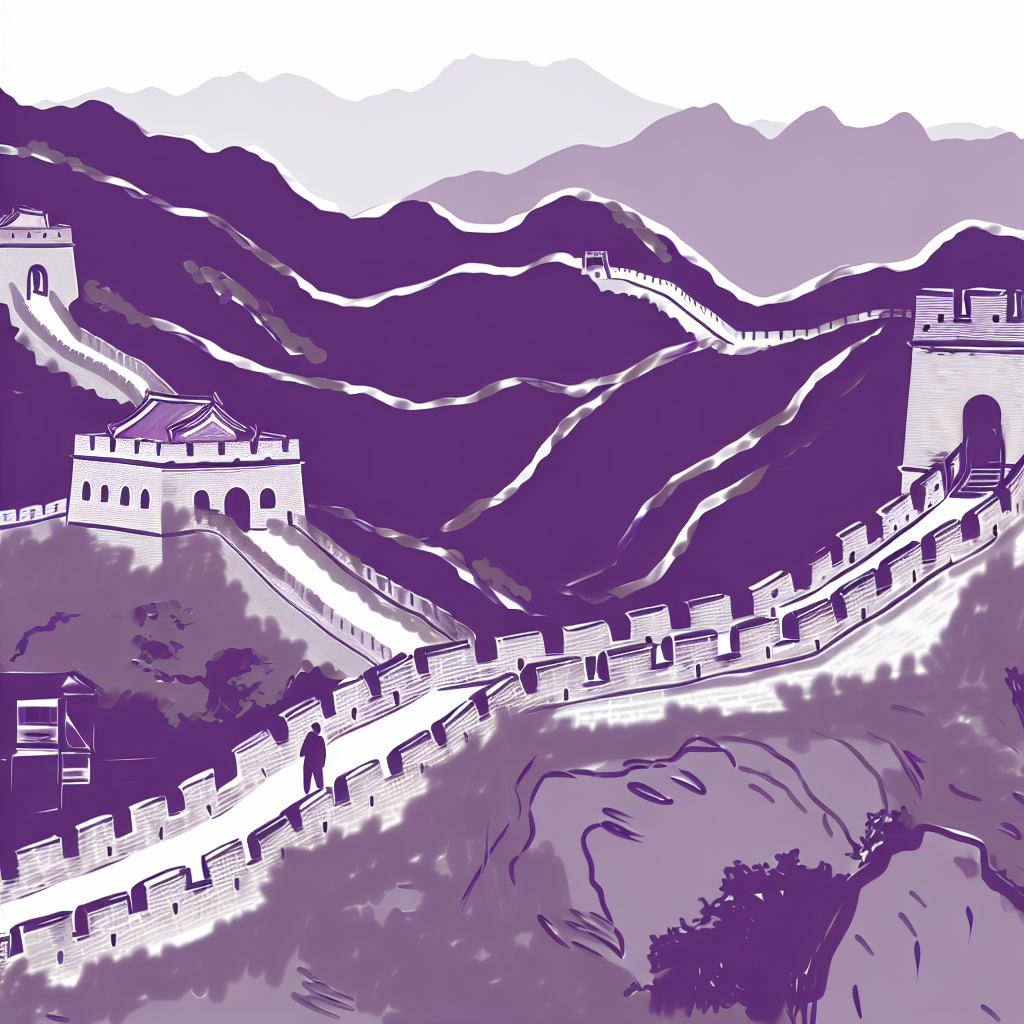
During their time in Beijing, the person has likely visited some of China’s iconic landmarks and cultural sites, such as the Great Wall, which is visible in the accompanying image. The Great Wall is one of China’s most famous and historically significant structures, stretching across multiple provinces and offering a glimpse into ancient Chinese civilization and military history. Specific sections they might have visited include the Yongtai and Turtle City areas, known for their scenic views and historical value. Such visits underscore a deep engagement with China’s rich cultural heritage, which is often characterized by well-preserved architecture and scenic landscapes.

The long-term residence and travel throughout China suggest a deep appreciation and understanding of the country’s diversity. From bustling urban centers like Beijing to quieter rural areas and historic sites, the individual has experienced various facets of Chinese life. Their journey highlights the country’s extensive cultural history, natural beauty, and architectural grandeur. As a seasoned traveler, they can attest to the profound contrasts and unique allure that various regions of China offer, making their experience a valuable perspective on one of the world’s most historically and culturally rich nations.

Social Media Auto Publish Powered By : XYZScripts.com



