Matox News

Truth Over Trends, always!

Poland Blames Russia for Rail Sabotage, Calls It State Terrorism — European Tensions Rise

Global Unrest Deepens: Russia’s Strategic Moves and the Rising Response from Europe

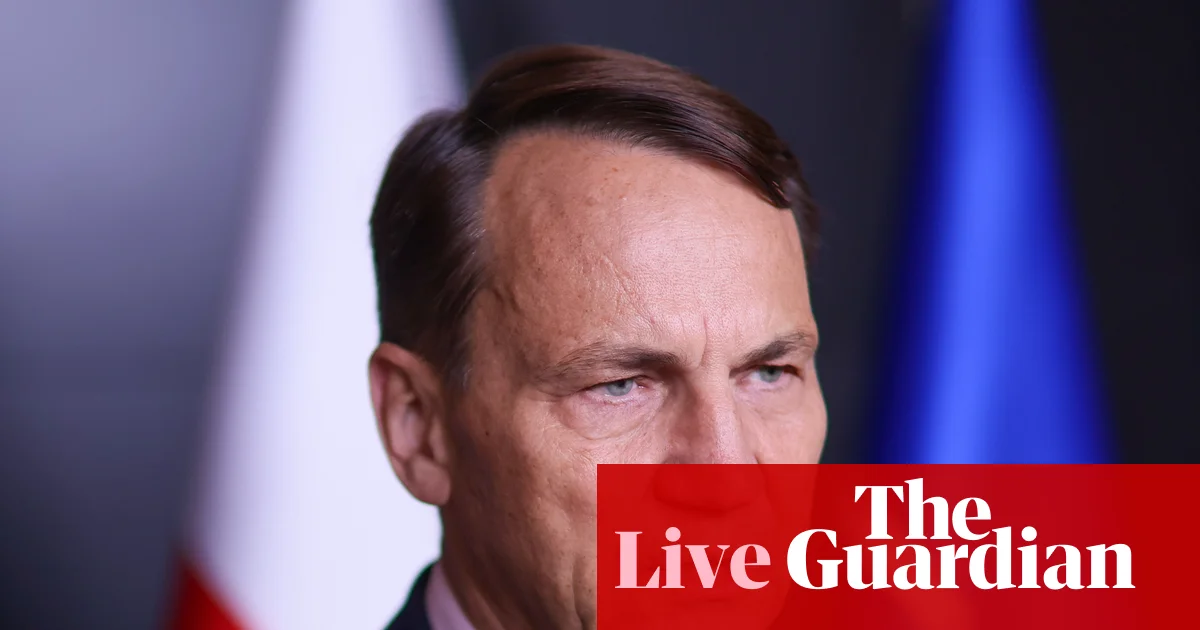
In a significant escalation of regional tensions, Russia has recently been accused of orchestrating a series of acts deemed by some as *state terrorism*. Polish Foreign Minister Radosław Sikorski publicly labeled recent Russian rail sabotage incidents as an act of state terrorism, explicitly alleging that the incidents over the weekend were not mere accidents but carefully planned assaults intended to cause human casualties. He further warned about a growing disinformation tsunami in the wake of these events, emphasizing the importance of clear, credible diplomacy amidst a whirlpool of conflicting narratives. Such tensions reflect a deliberate effort by Moscow to destabilize Eastern European countries, which are increasingly under pressure as NATO and EU members prepare their defenses against what many see as an aggressive expansionist Russia.

The situation has compelled Poland to take concrete measures. Sikorski announced that Poland will withdraw its consent for the last remaining Russian consulate in Gdańsk, effectively shutting it down in response to previous sabotage attacks that Poland claims are inspired by Moscow. These actions underscore a shift in Poland’s policy posture, signaling a refusal to tolerate what it perceives as hybrid warfare tactics. Meanwhile, across the Atlantic, analysts from international think tanks warn that such provocations could serve as a prelude to broader military escalation, forcing NATO nations to reconsider their strategic calculations as the threat from Russia looms larger. The recent NATO summit saw calls for increased air defense capabilities, especially from Slovakia, which is seeking to bolster its eastern flank amidst fears of Moscow’s territorial ambitions.

Within this volatile environment, key geopolitical conversations are taking center stage. Slovakia has formally requested NATO to strengthen its air defenses along the eastern border, a move that echoes Poland’s mounting concerns. Slovakian Prime Minister Robert Fico emphasized the importance of maintaining a robust defensive posture, especially as most NATO allies are increasing their defense investments. Meanwhile, Britain remains a cautionary tale in the EU, with Sikorski warning that outside the union, the UK has struggled with economic downturns and increased migration from less-developed regions—outcomes he argues could be mirrored by Poland if it chooses diverging paths from EU integration. Historians like Dr. Emily Watson note that these debates highlight the fundamental question Europeans face: independence through unity versus sovereignty through divergence. With rising fears of an all-out conflict, the consensus remains uncertain, and the weight of history presses heavily upon today’s decision-makers.

Amidst these diplomatic tensions, the crisis in Ukraine has reached a new peak. President Volodymyr Zelenskyy reported that Russian forces launched over 470 attack drones and 48 missiles overnight, striking civilian infrastructure and military targets with ruthless intensity. Zelenskyy’s stark warning that “the pressure on Russia is still insufficient” serves as a rallying cry for Western allies, as Ukraine continues to face relentless assaults. The attacks prompted neighboring Poland to close airports and scramble fighter jets near the border, exemplifying how these conflicts ripple through the region. Zelenskyy’s scheduled visit to Turkey in hopes of reigniting stalled peace talks underscores the delicate, yet profound, hope for diplomatic resolution amidst ongoing chaos. With the European continent at a crossroads, the question remains: how long can peace be preserved before the depths of history overwhelm the present?
Poland Deploys Jets Amid Russia’s Western Ukraine Attacks

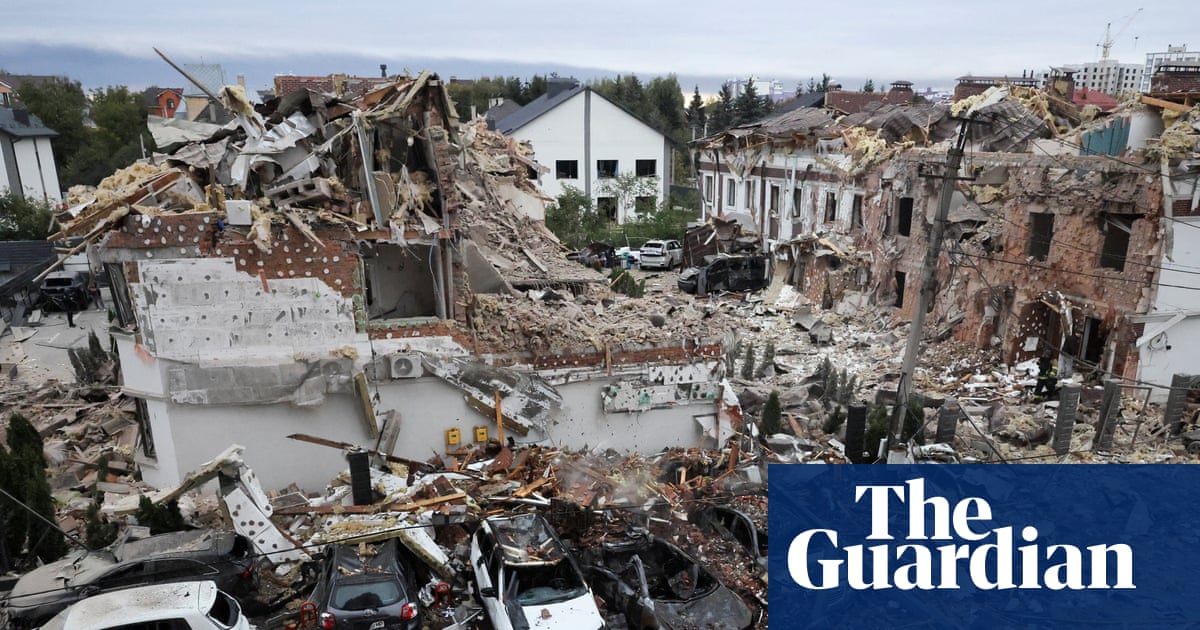
The bleak skies over Ukraine have once again darkened with renewed Russian missile and drone assaults, signaling a significant escalation in the ongoing conflict that has gripped Eastern Europe since 2022. In the early hours of Sunday, Russian forces unleashed a barrage targeting critical infrastructure in cities like Lviv and Zaporizhzhia, causing casualties and widespread blackouts. These strikes, aimed at crippling Ukraine’s power grid, underscore Russia’s relentless strategy to weaken Kyiv’s resilience, amidst mounting indications of an intensified campaign that pushes the boundaries of conventional warfare.

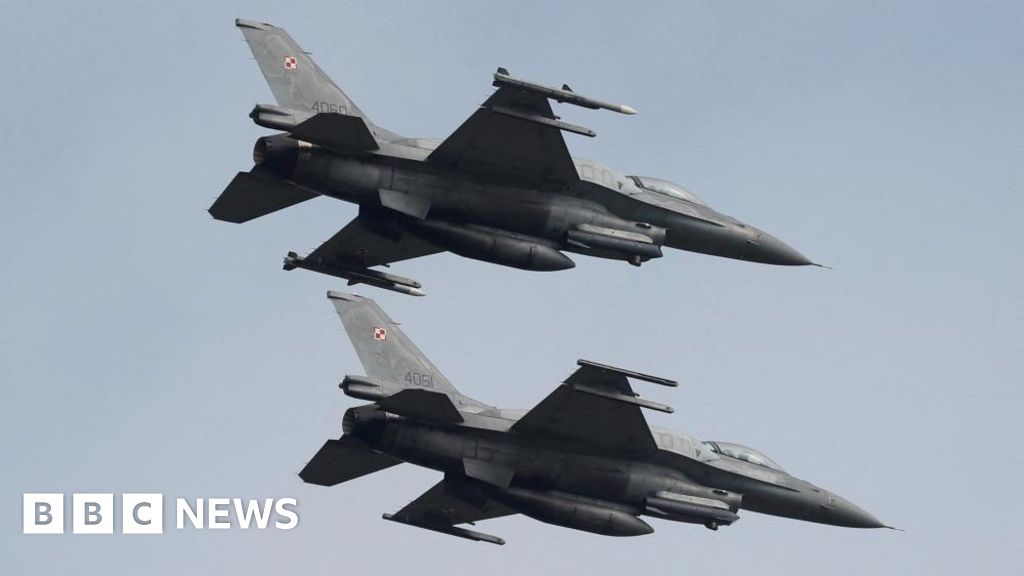
The international response has been swift and concerned. NATO allies, especially Poland and other eastern members, activated their military defenses, with Polish fighter jets scrambled overnight to secure their airspace following Russian strikes near their border areas. The Polish military confirmed that allied aircraft are operating in our airspace, as ground-based defence systems are brought to the highest alert. This move reflects a broader realization that the conflict’s reach is expanding – and that the threat now extends beyond Ukraine’s borders to threaten regional stability. Moreover, the deployment of allied aircraft underscores the importance of collective defense and the fragile balance of power in this increasingly volatile zone.

Meanwhile, Ukraine’s sovereignty remains under threat, with Russian forces controlling approximately a fifth of Ukrainian territory, including Crimea—a region annexed illegally in 2014. The current Russian assaults aim not only to punish Ukrainian resistance but also to demonstrate a capacity to strike deep into Ukrainian territory, following recent American signals of increased support for offensive operations. US officials, like Keith Kellogg, have openly endorsed Ukraine’s right to launch deep strikes into Russian territory, given the absence of sanctuaries on the battlefield—a bold stance that could reshape the nature of the conflict. As Russia doubles down, its defense ministry reports destroying 32 Ukrainian drones overnight, illustrating the ongoing missile duels that threaten to spiral further out of control.

In this dangerous chess game, neighboring nations are feeling the ripple effects. Lithuania was forced to temporarily close its largest airport after spotting suspicious objects, later identified as balloons heading toward Vilnius, raising concerns about espionage or potential escalation. The brief disruption reveals the fragile peace in the Baltics and the broader uncertainty around how far Russia might push the envelope in its confrontation with NATO states. As analysts warn of a possible uptick in clandestine military activity, the overarching question remains: How will this clash of great powers determine the fate of Ukraine — and the security architecture of Europe itself? With each strike and counterstrike, history appears poised on a knife’s edge, echoing the tumult of the decades-long struggle for influence that once divided continents. The world waits, watching as the tide of conflict threatens to drown the hopes of stability in a sea of chaos, leaving us to ponder the true cost of unchecked aggression and the fragile thread holding together a fractured peace.

Russian Missiles and Drones Pound Ukraine as Poland Ships Jets to Defend NATO Borders

The escalating conflict in Ukraine has once again plunged the region into chaos, with Russian forces deploying an unprecedented barrage of hundreds of drones and missiles early Sunday. The attack, resulting in at least four civilian deaths—including a 12-year-old girl—and dozens of injuries, underscores the persistent threat of Russia’s military strategy of targeted strikes against civilian infrastructure. Ukrainian officials, including Foreign Minister Andrii Sybiha and Kyiv’s mayor, Vitali Klitschko, have described the missile attack as a clear violation of international norms, emphasizing the deliberate targeting of residential areas. Analysts, such as those from NATO and the European Union, warn that this pattern of aggression aims to break the will of the Ukrainian people and test Western resolve.

The geopolitical impact of these assaults extends beyond Ukraine’s borders, particularly in neighboring Poland and the broader NATO alliance. Poland, a key front-line state and member of NATO, quickly activated its military response by scrambling fighter jets and elevating ground-based air defenses—the move described as “preventive” to secure airspace in the face of increasing Russian incursions into regional skies. The swift Polish reaction demonstrates how Russia’s military actions are strategically designed to destabilize neighboring NATO countries. This aggressive posture has prompted renewed calls for a cohesive Western response, with some strategists warning that Moscow’s intention is not only to bully Ukraine but to test the West’s capacity for collective defense, potentially opening new corridors for conflict across Europe.

Furthermore, Ukrainian President Volodymyr Zelenskyy has publicly accused Russia of deliberately probing Europe’s defenses, citing recent drone sightings over Denmark, Romania, and incursions into Estonian airspace. Zelenskyy’s assessment aligns with intelligence reports suggesting Russia’s goal is to destabilize NATO institutions and soften European resistance, preparing conditions for broader conflict. “Putin will not wait to finish his war in Ukraine,” Zelenskyy warned at the UN, suggesting that Moscow’s ambitions might eventually expand beyond Ukraine’s borders. Meanwhile, Russia’s Foreign Minister Sergei Lavrov dismissed Western concerns, warning the international community that any aggression against Russia would be met with a *“decisive response”*. This rhetoric indicates that the dispute has reached a dangerous crossroads, where diplomatic talks are overshadowed by threats of escalation.

  • Russian missile strikes result in civilian casualties, emphasizing the human cost of ongoing hostilities.
  • Poland and NATO ramp up air defenses as Russian actions threaten regional stability.
  • European nations face increasing pressure to address Ukraine’s security challenges amid Russia’s strategic testing.
  • International organizations and military analysts warn that escalation risks pushing Europe toward a broader conflict.

Historians and geopolitical analysts warn that the current dynamics could redefine the European security calculus for decades to come. Some suggest that Russia’s increased military harassment signals an intent to erode NATO’s unity or leverage chaos for diplomatic gains. The EU’s plans for a drone wall—a significant development aimed at creating a layered defense system—highlight the continent’s urgent efforts to counteract Moscow’s calculated destabilization. Yet, amid these measures, the risk of miscalculation or unintended escalation looms large.

The world watches with bated breath as the sun rises over shattered cities and scars on the European continent deepen. As diplomats scramble and armies stand on heightened alert, history’s pen continues to write the next chapter—one where the stakes are nothing less than the survival of sovereignty and the balance of power in an increasingly volatile globe. This conflict is no longer just about Ukraine; it is a wake-up call echoing through the corridors of international diplomacy about the true cost of unchecked aggression. The arc of history bends toward an uncertain future, and only time will reveal whether nations will unite to halt the descent into chaos or succumb to inevitable consequences.

Social Media Auto Publish Powered By : XYZScripts.com



