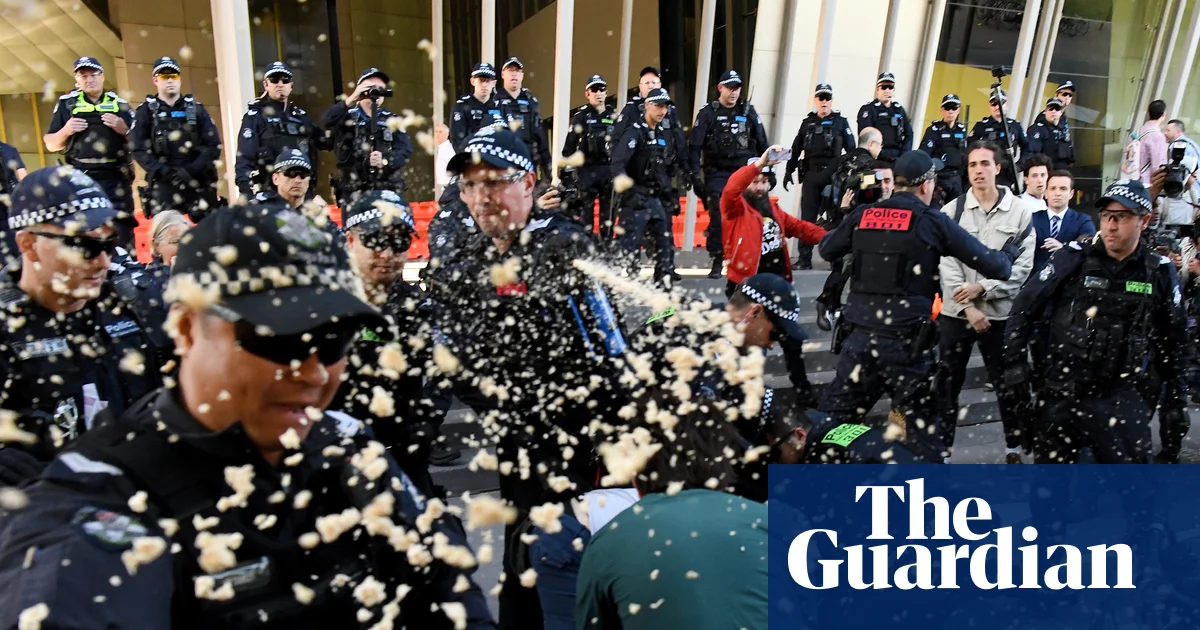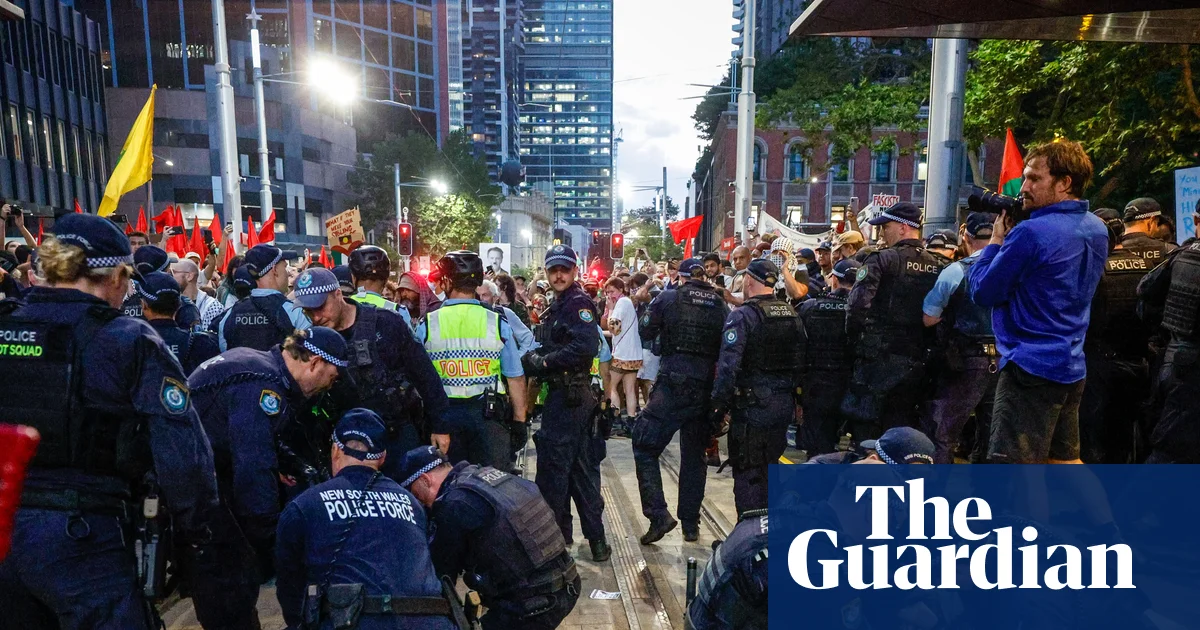

In recent days, Australia has become a focal point of international controversy surrounding civil liberties, security measures, and the geopolitical ripples emanating from conflicts in the Middle East. The protests in Sydney against the visit of Israel’s president, Isaac Herzog have sparked fierce debates about police conduct, the limits of public assembly, and the influence of domestic political decisions on international diplomacy. The police’s aggressive response, including pepper spray and physical assaults on protesters, has drawn condemnation from local figures and raised questions about the blurring line between maintaining order and infringing on rights.
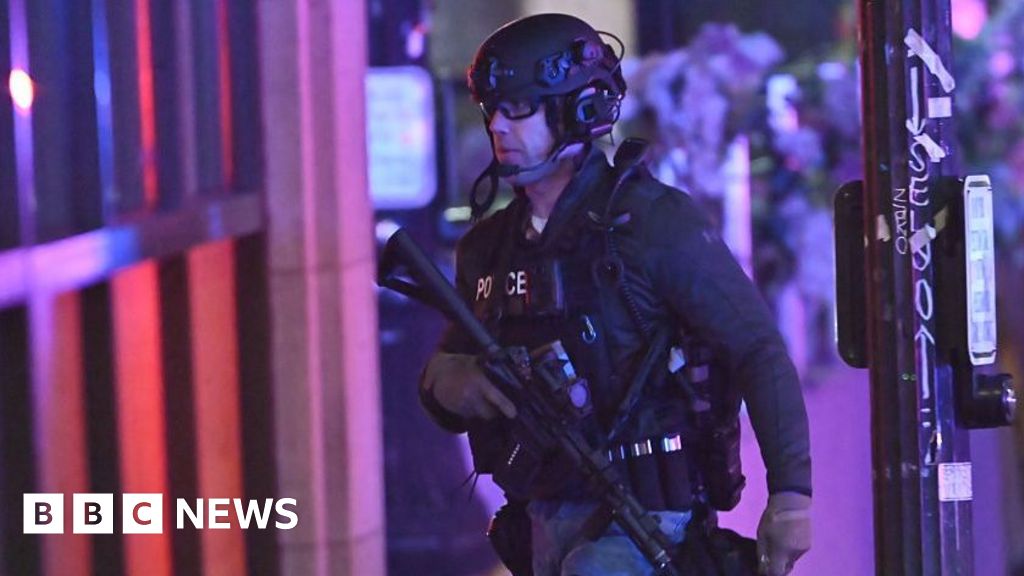
At the core of the unrest are broader security measures enacted in response to the Bondi terror attack, which left 15 victims. NSW Premier Chris Minns justified the police’s actions, asserting they were operating under a “difficult situation” created by restrictions on protests — themselves a reaction to the threat of terrorism. This highlights how **counter-terrorism strategies** can justify heightened police powers, often at the expense of civil liberties. Such measures reflect a growing trend where governments, citing security concerns, impose restrictions that can escalate tensions and infringe upon the rights of dissenting citizens. As analysts warn, this approach risks eroding democratic norms and setting dangerous precedents for the use of force in peaceful protests.
International observers, including human rights groups and political analysts, recognize the geopolitical impact of these events. The confrontation in Australia echoes similar patterns seen elsewhere — where domestic security concerns are leveraged to justify aggressive law enforcement, often with the tacit approval or complicity of political leaders. Green MPs in NSW and independent voices have accused Minns of deliberately creating a “pressure cooker” environment, exacerbating tensions rather than diffusing them. This domestically charged climate not only affects how societies respond to dissent, but also influences international perceptions of Australia’s stance on human rights and civil liberties. As international organizations like Amnesty International increasingly scrutinize such police actions, the risk remains that domestic crackdowns could serve as a blueprint, emboldening similar tactics in other nations facing internal dissent or protests rooted in geopolitical conflicts.
Furthermore, the handling of pro-Palestine protests during Herzog’s visit signals a troubling intersection between local policies and broader geopolitical conflicts. The police’s forceful tactics, documented in multiple videos, have intensified international concerns about the escalation of police-state dynamics in nations ostensibly committed to democratic principles. Historians warn that such episodes, if repeated across different regions, can accelerate a global shift towards authoritarianism disguised as security. Meanwhile, global institutions and allied nations are watching closely, questioning whether Australia’s approach signifies a rare reaction or a dangerous trend that could ripple across other democracies. This unfolding clash exemplifies the ongoing tension between security and liberty — a debate that will define the global order for decades to come, as the narratives of resistance and repression become increasingly intertwined.
As history continues to unfold, the events in Sydney underscore the fragile balance between safeguarding a nation’s security and preserving its democratic fabric. The actions of law enforcement on the streets have reverberations far beyond their immediate borders, touching on fundamental questions of human rights, sovereignty, and the very essence of free societies. The world waits, holding its breath, as these stories—etched into the annals of history—serve as a stark reminder that the fight for liberty is ongoing, and the outcome remains uncertain. How nations choose to respond today will determine whether we move closer to an era of authoritarian control or a renewed commitment to the enduring values of freedom amidst the turbulent currents of history.