Matox News

Truth Over Trends, always!

Police Seize €1.3B in Campari Shares Amid Tax Evasion Probe

Italy is once again at the center of a high-stakes international financial controversy, as authorities have seized shares valued at over €1.3 billion from the beverage giant Campari, a globally recognized producer of spirits such as Aperol, Grand Marnier, and Courvoisier. This move follows an investigation into alleged tax evasion and illicit corporate maneuvers suspected of undervaluing capital gains prior to shifting assets abroad. The case, launched by Milan prosecutors, underscores the mounting scrutiny that international firms face amid the evolving landscape of global taxation and corporate accountability.

Though Campari maintains its innocence, asserting that neither the parent company nor its subsidiaries are involved in any wrongdoing, the investigation implicates high-profile figures, including Luca Garavoglia, the billionaire chairman who inherited the company from his late mother. According to Italian financial police, the company is accused of concealing €5.3 billion in capital gains between 2018 and 2020, avoiding what is known as an “exit tax” enacted specifically to deter companies from relocating assets solely for lower tax burdens. This allegations align with broader concerns voiced by international tax authorities and economists about the aggressive tax planning strategies of multinational corporations seeking to optimize profits at the expense of national tax bases.

This case carries significant geopolitical impact as it highlights the ongoing power struggle between nation-states and transnational corporations. Italy’s pursuit of legal action demonstrates a willingness to confront corporate elites that potentially undermine national revenues. Moreover, it exposes the pitfalls of global corporate governance and the complex web of cross-border asset transfers that often challenge enforcement. Historians of international economics warn that such cases serve as a wake-up call for countries to strengthen their legal frameworks and resist becoming playgrounds for tax avoidance. The European Union, along with the Organisation for Economic Co-operation and Development (OECD), has been increasingly vocal about the need for reforms to curtail such practices, erecting new standards to ensure corporations contribute fairly to the societies that nourish their success.

From a broader perspective, this controversy exemplifies the precarious balance of sovereignty and economic influence. As Italy asserts its legal rights, questions arise about the long-term stability of the multinational corporate landscape and whether such efforts will lead to a more equitable distribution of wealth or trigger retaliatory measures and regulatory crackdowns elsewhere. With mid-term economic forecasts indicating a more aggressive stance on corporate taxation, the case of Campari becomes emblematic of the ongoing war for control over national fiscal policies—a conflict destined to shape the course of global economic history. As the story unfolds, the world awaits, with each revelation adding a new chapter to the tale of how nations defend their sovereignty amid the relentless tide of globalization and corporate ambition, leaving the future of international finance hanging in the balance of justice and power.
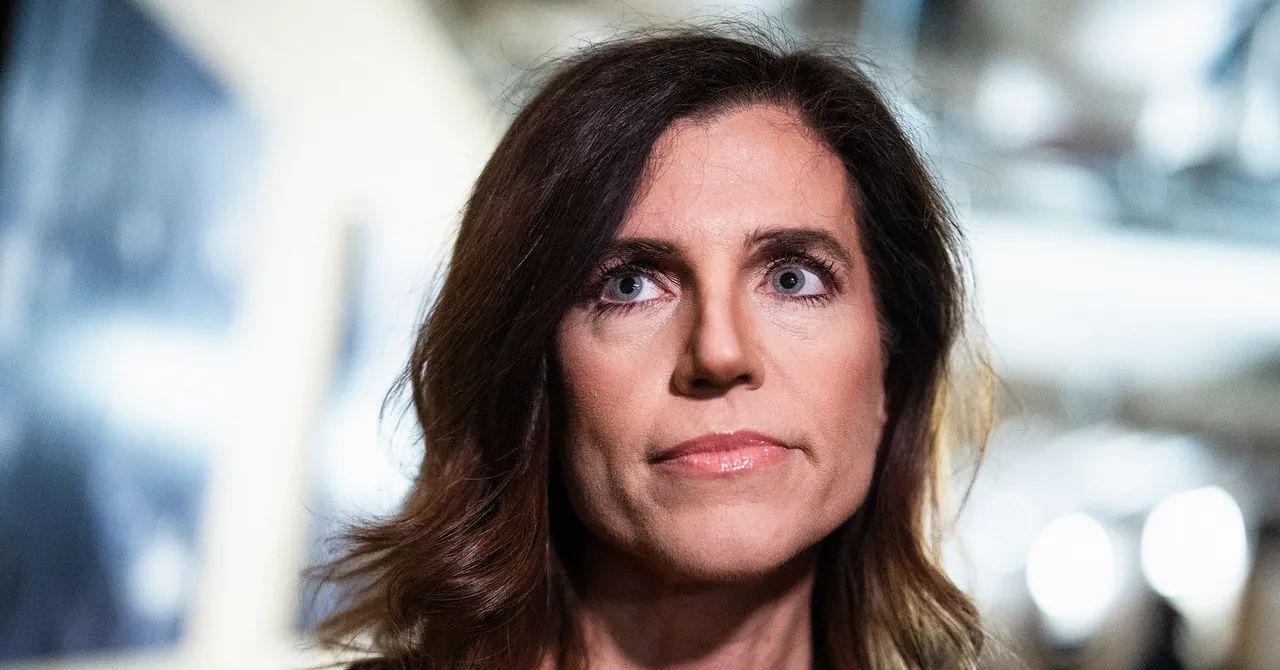
Nancy Mace Clashes with Airport Cops in Explosive Outburst: Police Report

Major Political Controversy Sparks Disruption in Public Sector Operations

In a development that underscores the unpredictable intersection of politics and technology, South Carolina Congresswoman Nancy Mace has recently found herself embroiled in a controversial incident at Charleston International Airport. According to an incident report obtained by WIRED, her unruly behavior toward law enforcement and security personnel has not only raised eyebrows but also spotlighted vulnerabilities within logistical and security infrastructures. As public sector disruption becomes increasingly intertwined with political theatrics, tech companies operating in the realm of security, identity verification, and AI-driven enforcement are now reassessing their innovation strategies to navigate industry instability.

This episode exemplifies the critical need for disruption-resistant systems in operational workflows, especially where governmental and security agencies rely heavily on automation and digital interfaces. While traditional security protocols—such as manual checks and human oversight—have served well, the incident emphasizes the urgency for emerging automated compliance tools and AI-driven behavioral analytics. Companies that incorporate these innovative technologies could not only improve operational efficiency but also enhance resilience against unforeseen political risks. As analyst Gartner has consistently reported, the future of public sector security will increasingly depend on the ability of AI systems to prevent, detect, and adapt to unexpected human behaviors that threaten safety and order.

Furthermore, the incident highlights a broader industry shift towards automation and smart security protocols, especially in high-stakes environments such as airports. Disruption in traditional security models—exacerbated by operational gaps such as the ongoing government shutdown affecting TSA salaries—calls for a strategic pivot towards blockchain-based identity verification, biometric authentication, and AI-powered behavioral monitoring. Companies that recognize these market shifts early will lead the next wave of public-private partnerships, which could fundamentally redefine security logistics and compliance in a post-pandemic, hyper-polarized world.

From an innovation perspective, the episode underscores the urgency for disruptive technologies that can predict and manage human factors within critical infrastructure. Experts from MIT and industry leaders like Elon Musk have long championed the integration of autonomous compliance systems, recognizing their potential to mitigate risks associated with human unpredictability. As industry analysts warn, failure to adapt to these disruptive shifts could expose vulnerabilities, inviting greater instability and operational costs. The future landscape will likely favor businesses leveraging AI, blockchain, and advanced behavioral analytics to create resilient, adaptive systems—and those slow to innovate risk becoming obsolete.

In a world increasingly defined by rapid technological transformation and fleeting political stability, the call for proactive innovation is more urgent than ever. National security, business resilience, and public trust depend on their ability to disrupt traditional models and adopt next-generation infrastructure. The incident at Charleston Airport serves as both a cautionary tale and a clarion call to innovators: those who harness the disruptive potential of emerging technologies will shape the future of security, governance, and societal stability. As the industry evolves, remaining static will no longer be an option—forward-thinking companies must lead the charge into a disruptive new era.

Rio Police Raid Leaves Over 130 Dead: A Tough Stand Against Crime

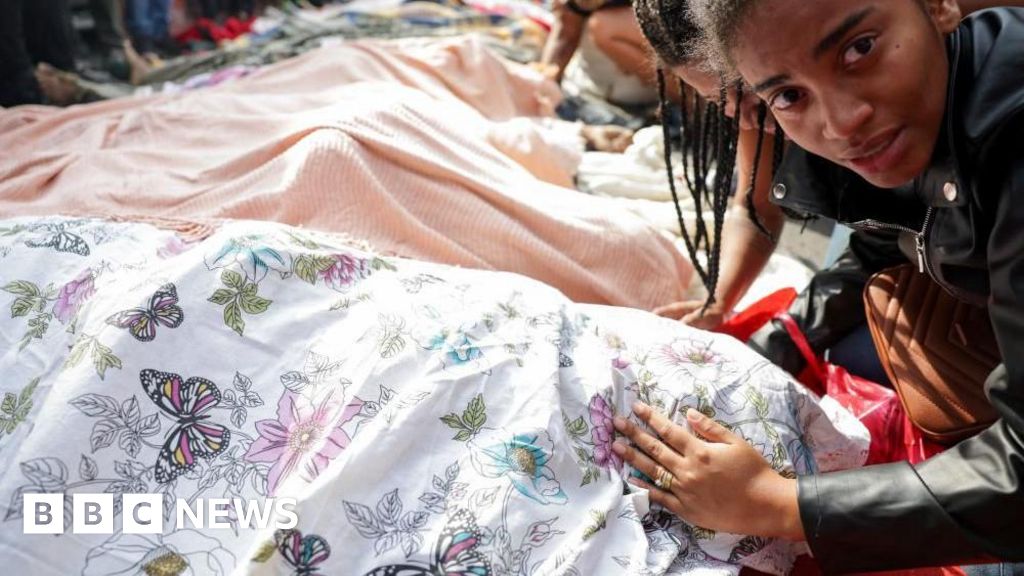
The recent police operation in Rio de Janeiro has sent shockwaves not only across Brazil but across the global geopolitical stage. In a raid that resulted in the deaths of at least 132 civilians, authorities targeted the notorious gangs that dominate the city’s favelas, revealing a complex and violent struggle for control that extends well beyond local law enforcement. The operation, which involved meticulous planning and high-profile arrests, underscores a broader challenge faced by Latin America: the persistent, deeply rooted problem of narco-terrorism. As international observers and human rights organizations voice their concerns, the incident highlights how the fight against organized crime here is intertwined with national sovereignty and international security.

Adding fuel to the fire, global agencies like the United Nations Human Rights Office issued statements condemning the scale of violence, describing the operation as “horrifying” and a stark reminder of the brutal realities facing many urban centers entrenched in the war on drugs. The police claimed that gang members utilized modern drones to drop explosives, exemplifying the evolving nature of organized crime in a digital age. Rio’s governor, Cláudio Castro, framed the operation as a strategic move against what he characterized as narco-terrorism, emphasizing that the police had been thorough in planning, aiming to decimate the Red Command—a powerful cartel that has recently regained territory from rivals like the First Capital Command (PCC). However, critics argue that such heavy-handed tactics risk escalating violence and undermining civil liberties, raising questions about the right balance between security and human rights within Brazil’s democratic framework.

Many analysts, including historians and crime experts, view this event as a key inflection point for Brazil’s internal security politics. Rafael Soares, a prominent journalist covering organized crime, suggests that the operation is also a strategic move on behalf of the state to make a political statement ahead of upcoming elections. He points out that fierce territorial disputes between rival gangs in Rio have become increasingly violent, fostering a climate of lawlessness that prompts major cities worldwide to scrutinize their own approaches to urban crime. These tensions are compounded by environmental and social concerns, as the operation comes just before the city hosts the C40 World Mayors Summit and the Earthshot Prize—events that symbolize global efforts for sustainable urban development. Thus, the outcome of this police actions has the potential to influence international perceptions of Brazil’s future stability and the credibility of its leadership on the world stage.

As the dust begins to settle, the world must confront the stark truth: the struggle for control in Rio de Janeiro is a microcosm of broader geopolitical conflicts—one where power, influence, and resources are fiercely contested in the shadows of justice. This relentless cycle of violence and intervention leaves history’s gaze fixed on a city caught between chaos and order, its fate hanging in the balance. With the international community watching, the question remains not just about the fate of the gangs or the city’s residents, but about the moral and strategic dilemmas facing governments fighting to preserve sovereignty amidst the chaos of the 21st century. The battle for Rio’s soul continues, and history’s ink is yet to fully write its final chapter.

Police Crack Down on Jewel Theft at Louvre, Youths Behind Bars

Heist at Paris Louvre: A Crossroads of Security and Reputation

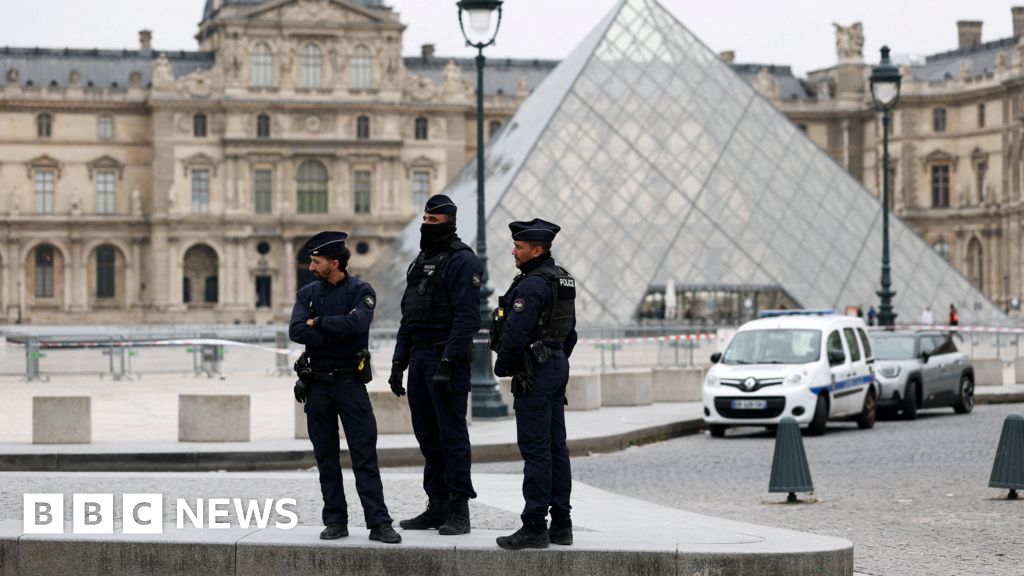
The recent daring theft of €88 million worth of crown jewels from the Paris Louvre signals a stark warning to the international community about the vulnerabilities of cultural institutions amidst rising global unrest. The audacious daylight raid, carried out by a gang wielding power tools and using a vehicle-mounted lift to breach the historic museum’s defenses, has exposed glaring gaps in security protocols that could have profound geopolitical consequences. French authorities have confirmed the apprehension of two suspects, but the incident serves as a broader reflection of how states are increasingly vulnerable to well-coordinated, high-profile crimes that threaten national prestige and cultural sovereignty.

According to the Paris prosecutor’s office, the suspects were apprehended amid a swift investigation, which revealed troubling lapses in security, notably the absence of CCTV coverage in critical areas. The prosecutor’s statement indirectly underscores the weaknesses in France’s safeguard of its cultural heritage, forcing officials to admit that “security protocols failed” — a candid acknowledgment that may deepen political pressure on successor administrations. The incident has sparked a heated debate, not only about security failures but also about the fragile state of cultural diplomacy in a world rife with geopolitical tension. Historically, the Louvre’s priceless artifacts are symbols of France’s enduring cultural legacy; now, they have momentarily become pawns in a larger chess game of international image and influence.

Strategic analyst Dr. Stephen Grant states that such brazen thefts are “not merely opportunistic crimes but deliberate acts designed to send political or economic signals.” In an era where nations are vying for dominance or influence, the loss of iconic symbols can serve as a warning sign of declining security and confidence. Other nations are watching closely, realizing that a breach at one of Europe’s most iconic landmarks signifies vulnerability that could have wider repercussions, especially if such lapses occur at other cultural or critical infrastructure sites. UNESCO and other international institutions are now under renewed pressure to develop cohesive security strategies that go beyond superficial protections, emphasizing the critical importance of safeguarding the tangible symbols of world heritage.

As France scrambles to recover the stolen artifacts and restore faith in its security apparatus, the incident’s implications extend beyond national borders. The event has become a case study in the stark reality that even the most celebrated cultural institutions are not immune to international crime networks and audacious attacks. Historians and security experts warn that the current trend reflects a wider crisis of societal resilience, where the erosion of traditional safeguards leaves societies exposed to narratives of vulnerability. The incident leaves global observers with a sobering reminder: the unfolding story of this theft is just one chapter in a larger, ongoing narrative of security, diplomacy, and the enduring human desire to preserve the past amidst a turbulent present.

Met Police Call on Epping Sex Offender to Turn Himself In Amid Rising Concerns

London is once again at the center of a geopolitical debate, this time over the failure of its justice and immigration systems. The recent case involving Hadush Gerberslasie Kebatu, an Ethiopian national and convicted sex offender, underscores the profound risks and vulnerabilities associated with current domestic policies. Kebatu, who was wrongly released from HMP Chelmsford after serving only 31 days of a 12-month sentence, has become the focal point for international criticism on bureaucratic incompetence, human error, and the broader implications for public safety. This incident, which forced a major police manhunt across London, highlights the dangerous intersection of migration, national security, and judicial oversight—issues that resonate far beyond Britain’s shores.

The UK Prime Minister, Keir Starmer, condemned the release as “totally unacceptable,” emphasizing its disastrous implication for public confidence in the nation’s justice and immigration systems. The event appears to be less an isolated mistake than a symptom of systemic exhaustion. Records reveal a troubling 128% increase in prisoners released in error over the past year, with 262 cases, according to government data. International analysts warn that such failures jeopardize the geopolitical stability of a nation grappling with complex migration challenges and domestic security concerns. Critics argue that UK authorities lack the capacity and resilience to handle an influx of migrants arriving via small boats, which, according to reports from HM Inspectorate of Prisons, has resulted in “national capacity issues” and staff shortages—especially in critical pre-release and reception areas.

Historians and geopolitical analysts warn that Britain’s current predicament may be emblematic of a broader pattern seen across Western nations where immigration policies are often misaligned with capacity and resource constraints. For instance, international organizations such as the European Court of Human Rights and United Nations have previously issued cautious warnings about the pitfalls of overwhelmed detention systems and inconsistent deportation practices. Such warnings serve as a stark reminder of how international shifts in migration policy and domestic political will directly influence national security and societal stability. The Kebatu case, in particular, has been exploited by far-right factions seeking to amplify fears about immigration and public safety, thereby increasing societal polarization and complicating diplomatic efforts aimed at cooperative migration management.

As Kebatu was seen wandering London, seeking assistance and questioning his direction, the incident exemplifies how individual errors can cascade into crises with far-reaching geopolitical impact. His case underscores the urgency of comprehensive reforms—both in prison administration and immigration oversight—that could prevent further incidents of this magnitude. International observers warn that Britain’s ongoing struggles to balance leniency, security, and immigration control threaten to weaken its position in an increasingly polarized world. The weight of history bears heavily on this unfolding disaster, with each failed policy, each negligent release and each exploited fear shaping the future of Britain’s global standing. In this maelstrom of mistakes and missed opportunities, the question remains: will this be a turning point that galvanizes urgent reform, or simply another chapter in a narrative of decline under mounting pressure?

Four Hurt in Shooting Near Howard University, DC Police Say

Washington DC Crisis Erupts Amid Howard University Homecoming Celebrations

In a tragic escalation of violence in the heart of capital of the United States, a shooting near Howard University has resulted in multiple casualties, casting a shadow over what was intended to be a festive homecoming weekend. The incident occurred at approximately 8:23 pm on the 600 block of Howard Place, just as thousands gathered on campus to partake in traditional celebrations. The timing of this violence underscores the persistent issue of urban gun violence in major American cities, which continues to threaten public safety and social cohesion regardless of the country’s global prominence.

Initial reports confirm that four individuals were shot, with at least one in critical condition and another in serious condition, though authorities have yet to disclose the exact number of injuries or whether a suspect has been detained. This senseless act of violence not only impacts local communities but resonates as a stark reminder of the broader challenges faced by the U.S. in addressing gun crime. Law enforcement responded swiftly, securing the scene and initiating investigations amid ongoing concerns over public safety during large gatherings. The incident highlights how urban violence persists as a pressing issue that destabilizes social order at a time when national attention is crucial for unity and resilience.

Meanwhile, the socio-political dynamics surrounding urban violence in the United States continue to draw criticism from international analysts and historians. Many point to systemic issues: economic disparity, lax gun control legislation, and racial inequities, which persist as root causes underpinning recurring episodes of violence. In a recent report, the International Organization for Peace and Security warned that such incidents threaten the fabric of American society and challenge the nation’s self-image as a beacon of democracy and stability. The current chaos in Washington serves as a microcosm of a deeper, unresolved crisis that could have far-reaching impacts on international perceptions of American sovereignty and governance.

Experts further argue that decisions made at municipal and federal levels significantly shape society’s resilience against violence. The ongoing debate surrounding gun legislation reform and social justice initiatives is intertwined with the broader geopolitical impact of American internal stability. As the nation grapples with these issues, the international community watches with cautious concern—fearing that continued internal strife may weaken the U.S. position on the global stage. Historically, unresolved conflicts within powerful nations often pave the way for foreign influence and regional instability, echoing past lessons from the Cold War era, where internal crises in the U.S. often shifted the balance of global power.

As security forces restore order in DC and investigations proceed, the weight of history bears down on this moment. With each incident like the Howard University shooting, the American societal narrative is rewritten—reminding us that the path to stability is fraught with challenges, and the future remains uncertain. Whether reforms or reforms will come quickly enough to prevent further tragedies remains to be seen. Yet, what persists is the stark reminder that history is an ongoing drama, and the decisions made today will echo through generations—ultimately shaping the destiny of nations and societies on the global horizon.

’Kill crew’ reportedly threatened Sydney woman with photos before her murder, police reveal

In a stark reminder that organized crime continues to specialize in brutality and international connectivity, Australia has witnessed a violent and high-profile incident involving a local crime syndicate. According to police investigations, a gruesome murder in suburban Sydney has not only shocked the nation but also raised significant questions about the reach and influence of transnational criminal groups. Three men, who police allege were “guns for hire,” have been charged with the execution-style killing of 45-year-old Thi Kim Tran, found murdered in a burnt-out SUV. This case exemplifies how local criminal enterprises may serve as nodes in the larger web of global illicit networks, impacting national security and societal stability.

The events leading to Tran’s death illuminate a much broader phenomenon: the intertwining of organized crime and international drug trafficking, with some analysts suggesting this incident signals an alarming escalation in criminal violence fueled by potent drug markets. Police allege that the killers, aged 20 to 32, operated as mercenaries, purchasing “kill kits” and procuring clothing to disguise their operations — an indication of a highly organized and well-funded syndicate. Furthermore, investigators have traced these men to connections with criminal groups based in Victoria, involved in theft and drug distribution. The remarkable aspect of this case lies in the suspected high-level ordering—whether from inside Australia or abroad—highlighting an ongoing struggle for sovereignty in the face of transnational criminal influence. The international ramifications are undeniable: such evidence points to illegal operations that could be linked to global drug cartels, with potential repercussions for law enforcement cooperation across borders.

Experts and international organizations, including INTERPOL, warn that this type of violence underscores how criminal organisations are increasingly adopting sophisticated methods that threaten both domestic order and international security. The Australian case has echoes of patterns observed in other parts of the world, where the convergence of organized crime and political or economic interests creates a complex web of influence. The incident also underscores the importance of robust border controls and international data-sharing agreements, as nations grapple with the ways in which illicit activities can seep across borders in the digital age. The case has prompted calls from analysts for increased cooperation and resource allocation to confront these transnational threats, which, if unchecked, could destabilize entire regions.

As the weight of this unfolding story bears down, history reminds us that such violence and crime are not isolated but symptomatic of broader geopolitical shifts. The rise of well-armed, well-funded criminal factions challenges the very fabric of national sovereignty, where cities like Sydney serve as battlegrounds for a clandestine war that refuses to be contained. The arrest of the alleged killers and the ongoing investigation reveal only a fraction of a larger puzzle: a struggle for control over resources, influence, and territory on a scale that transcends borders. In the shadow of this dark episode looms the question: how long before these acts of violence spill into international corridors, threatening peace and security on a broader canvas? History yet again beckons us to watch closely, for in these dark narratives lie the seeds of future upheaval—an enduring reminder that the fight against transnational crime is a pivotal chapter in the ongoing saga of global stability.

NY Mayor and Police Step Back from ICE Raids as Chinatown Protests Grow — US Politics Update

Global Shifts and Domestic Battles: The Impact of U.S. Immigration Policies and International Alliances

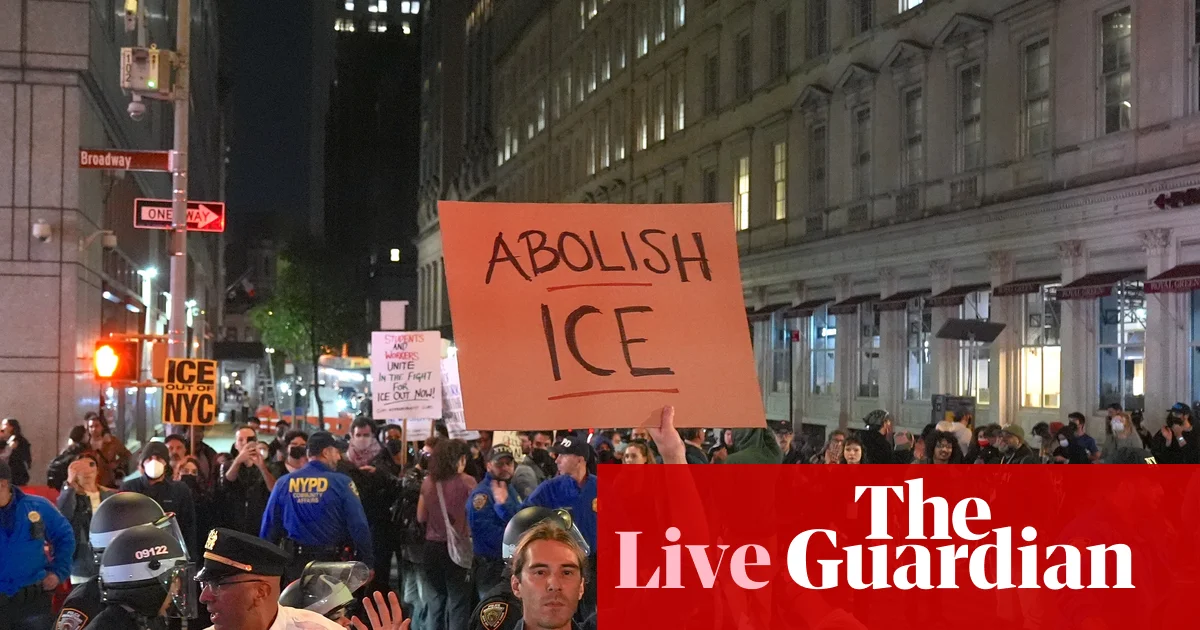
In a dramatic turn that underscores the volatile crossroads of domestic policy and international geopolitics, recent events in New York City and beyond reveal a landscape on edge. The city’s mayor, Eric Adams, has publicly distanced the local government from the controversial ICE raids targeting Chinatown under the pretext of counterfeit goods. Adams’s declaration that New York City has ‘no involvement’ in the federal operation reaffirms the city’s stance of non-cooperation with federal immigration enforcement, emphasizing that undocumented residents pursuing their American dream should not be targeted. This echoes a broader pattern in which local jurisdictions, especially in a nation divided over immigration, are pushing back against federal overreach—yet, the ripple effects threaten to destabilize national unity at a time of intense geopolitical friction.

The scenes in Lower Manhattan were a stark reminder of the simmering conflict between federal authorities and local communities. Protests erupted as hundreds gathered, loudly condemning ICE’s tactics. Video footage captures masked agents detaining individuals in the crowded streets, with onlookers vocally denouncing the operation amid powered-up tensions. The spectacle of armed federal agents and armored vehicles rolling silently through city streets symbolizes a shifting landscape where domestic law enforcement actions are increasingly intertwined with international narratives of migration, sovereignty, and social order. Such incidents influence how societies perceive their governments’ use of power and their obligations to vulnerable populations.

Meanwhile, on the diplomatic front, world leaders gather in diplomatic limbo, with President Donald Trump conducting an array of high-stakes meetings, notably with NATO Secretary-General Mark Rutte. Discussions are centered on military aid and the ongoing conflict in Ukraine, with Western nations coordinating the transfer of weapons often purchased from the United States. These diplomatic maneuvers, viewed through the lens of experts like analysts from the Atlantic Council, demonstrate that global alliances remain in flux—tied closely to the strategic interests of powerful nations shaping the future of Europe and beyond. The promise and perils of such alliances are evident, as NATO’s support for Ukraine intensifies the confrontation with Russia, with broader implications for European security and energy politics.

Domestically, the political landscape remains volatile, with key figures like JD Vance avoiding explicit deadlines for Hamas compliance in Gaza, highlighting the fragile balance in Middle Eastern diplomacy. On the home front, former Marine and political hopeful Graham Platner vehemently denies accusations linking him to extremist symbolism, illustrating the ongoing battleground of ideological identity in American politics. Meanwhile, the withdrawal of figures like Paul Ingrassia from critical government nominations demonstrates the increasing difficulty of confirming officials amidst a polarized political climate. These events, analyzed by political strategists, reveal a nation caught in the tension of internal dissent and international obligations, where each decision has deep and lasting consequences.

As President Trump prepares for a pivotal day at the White House, the weight of history presses upon him. His scheduled meeting with NATO’s Rutte at a time of mounting global instability exemplifies how the boundaries of diplomacy and domestic policy are dissolving into a complex tapestry of power plays and ideological warfare. Whether through false claims about fires in Portland or negotiations with European allies, the decisions made today could chart the course of history—drawing lines in the sand that will define generations. As nations grapple with upheaval and societies face internal divisions, the unfolding story remains a potent reminder: in the theater of world affairs, every move reverberates, and the true impact of these decisions will be felt long after today’s headlines fade into history.”

Police intensify hunt for missing boy Gus in outback SA, guided by survival experts

Unfolding Human Tragedies and the Shifting Geopolitical Landscape

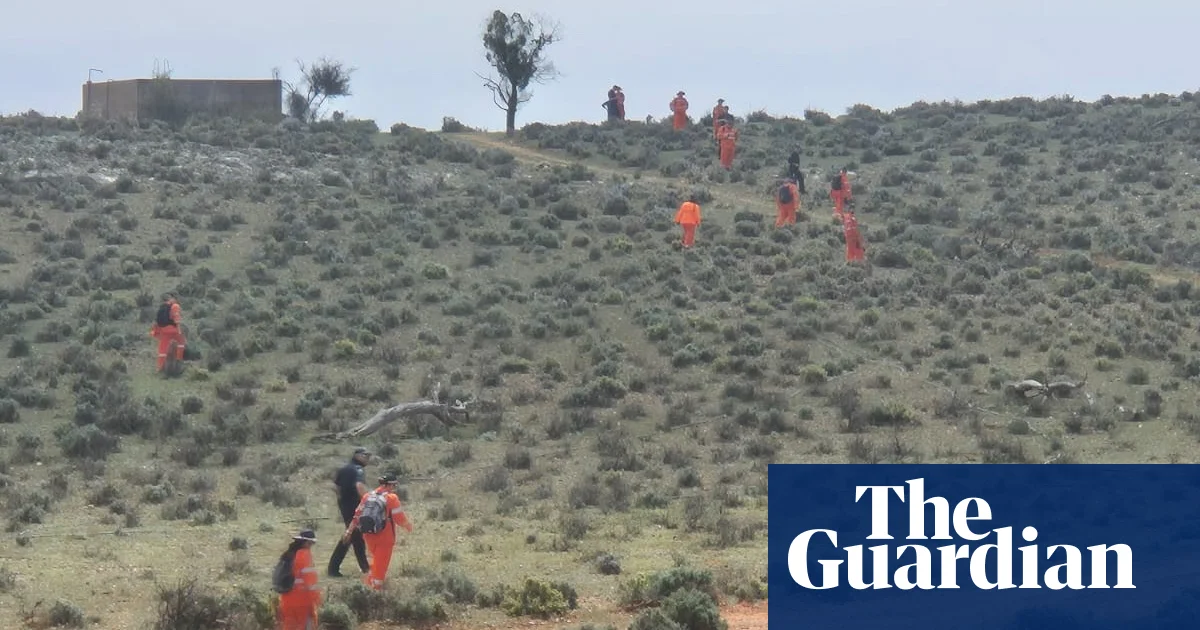
Across the globe, hotbeds of conflict and natural disasters continue to expose the fragility of international stability and the resilience of societies. The heartbreaking story of Gus Lamont, a four-year-old missing in the vast outback of Australia, has captured widespread attention, yet it also reflects a broader pattern of how local tragedies resonate with global narratives. As authorities expand exhaustive search operations involving defense forces, the incident underscores the how human vulnerabilities and the fight for survival remain universally intertwined with geopolitical tensions and resource struggles.

Meanwhile, international organizations like the United Nations continue to grapple with crises that threaten regional stability. The recent escalation in the Ukrainian conflict and countering shifts of power in the Middle East demonstrate how internal conflicts often escalate into broader geopolitical confrontations. Countries such as Russia and China are watching closely, exerting influence through diplomatic and economic means. The transparency of these developments is crucial, as their flares of conflict could ignite further international instability, prompting powerful nations to adjust their strategic postures.

Historian and geopolitical analyst James Harrington warns that these accumulating tensions threaten to reverberate far beyond their immediate regions. His assessments echo the concerns of data from the International Crisis Group and think tanks, which emphasize that decisions made in the shadow of local crises heavily influence the future of global order. As climate change accelerates disasters like droughts and floods, countries are forced to prioritize their own security and sovereignty, often at the expense of international cooperation. This phenomenon manifests vividly in the Australian case, where exhaustive search efforts stretch local resources but also highlight the limits of state capacity when confronting unpredictable emergencies.

In this era marked by rapid shifts, the role of global power dynamics becomes more evident. The recent renewed efforts to expand military and technological alliances signal an underlying competition for influence that leaves societies embroiled in larger strategic struggles. As the European Union and United States further tighten their international collaborations, nations buckle under increasing pressure to maintain sovereignty while navigating the complexities of a changing world. The unfolding story of Gus Lamont, though local in scope, becomes emblematic of a broader consensus —that human tragedies are often catalysts for geopolitical recalibration.

Conclusion: The Weight of History in the Making

As the search for Gus Lamont continues amid a backdrop of mounting international crises, the world is reminded that history is often shaped by moments of profound vulnerability. Today’s choices, alliances, and responses to crises will echo through generations, determining whether societies will find resilience or succumb to chaos. The weight of history remains heavy on the shoulders of leaders and nations alike, as they navigate an unpredictable future where every decision writes a new chapter in the ongoing saga of global stability.

Grandson’s Life Cut Short by Police Tear Gas—A Young Life Gone Too Soon

Madagascar’s Unrest: A Nation on the Brink

In the heart of the Indian Ocean, Madagascar grapples with a profound crisis that threatens to reshape its future. Over the past two weeks, youth-led protests—driven by frustrations stemming from chronic socio-economic failures—have erupted into widespread violence, loss of life, and economic upheaval. At the epicenter of these upheavals lie systemic problems: endemic corruption, unmanageable unemployment, severe water shortages, and an underdeveloped education system. As analysts from the United Nations and historians pontificate on the deeply rooted causes, the unfolding events underscore a simple yet alarming truth: the fragile fabric of Malagasy society is tearing, with the weight of history bearing heavily on a nation still seeking its path forward.

The protests ignited as young Malagasy citizens voiced their despair over basic necessities—their demand for access to water and electricity is emblematic of the broader failure of governance. The scenes of chaos include torching cars, vandalizing public infrastructure, and violent clashes with police, which have claimed the lives of at least 22 individuals, according to UN estimates. The government, under President Andry Rajoelina, dismisses these figures as misinformation but admits to property damages exceeding $47 million (£35 million). The president’s response has been to characterize the protesters as “rioters,” despite accounts from witnesses like Razanasoa Edmondine, whose one-month-old grandson was killed by police tear gas—a tragic illustration of how the state’s response has compounded the crisis rather than alleviated it.

The geopolitical impact of these protests extends far beyond domestic borders. Madagascar’s political instability hampers foreign investment and endangers the island’s vital tourism sector—once a major source of revenue for its economy. International observers, including Economists like Hery Ramiarison, highlight the decades of mismanagement and political upheaval since independence as root causes. Ramiarison notes that the vicious cycle of poverty and instability is aided by a weak educational foundation—three-quarters of the population have education levels below primary school, perpetuating unemployment and social exclusion. As this cycle persists, it feeds into a broader regional instability, attracting concern from global institutions who warn that unchecked unrest could spill into neighboring nations and disrupt regional peace and trade.

However, President Rajoelina remains defiant, promising to bring change within a year or tender his resignation if he fails. Yet, many analysts believe the underlying issues are far more complex. Historians like Jean-Marie Ravelonarivo argue that Madagascar’s recurrent political turmoil—particularly the 2009 uprising that ousted President Ravalomanana—has entrenched a culture of populist dissatisfaction that superficial reforms cannot cure. The cycle of failed leadership has left the government unable to address the core economic challenges, including water scarcity, underemployment, and inadequate infrastructure. The protests have also exposed the sharp divide between the political elite and a youth demographic desperate for opportunity—many of whom have never known a stable, prosperous Madagascar.

As the island nation teeters on the edge, its history continues to unfurl—a poignant reminder that decisions made today will be etched into the collective memory of the future. The young generation, symbolized by figures like Laza Brenda, from a roadside phone shop, see the promises of fleeting leadership only to be left with more hardship. The pain of families forced to wash clothes in paddy fields due to water shortages, the despair of entrepreneurs seeing canceled contracts, and the uncertainty gripping the tourism sector foreshadow a difficult road ahead. Yet, amid this turmoil, the resilience of Madagascar’s people beckons—a testament to a nation’s unyielding hope that, even in darkness, the dawn of a new chapter might yet emerge. But whether that dawn will bring clarity or further chaos depends on the decisions that unfold in the uncertainty of these decisive moments in history’s ongoing saga.

Social Media Auto Publish Powered By : XYZScripts.com