Matox News

Truth Over Trends, always!

Trade court demands tariff refunds, deal a blow to Trump’s trade policies

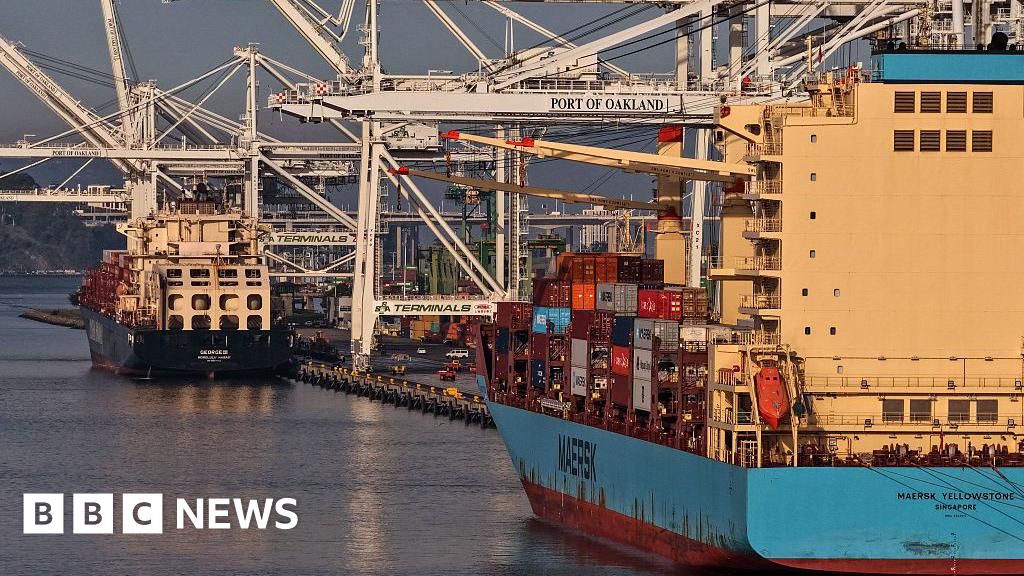
In a significant turn of events, a prominent trade court has recently cleared the path for businesses worldwide to secure refunds for tariffs that the Supreme Court invalidated last month. This ruling marks a vital development in the ongoing evolution of international trade policies and signals a potential shift in how nations approach economic sovereignty and commerce regulations. The decision underscores the volatile and unpredictable landscape of global markets, where legal, political, and economic forces intertwine to shape the fabric of international commerce.

The initial Supreme Court decision dismantled a set of tariffs that, for years, served as a tool for several U.S. administrations to protect domestic industries from foreign competition. But its recent reversal prompted uncertainty, especially among businesses that had anticipated potential rebates or refunds due to the ramped-up tariffs. Now, with the trade court’s endorsement, companies can begin pursuing these refunds, thus rekindling economic hopes for many sectors hit hard by previous tariffs. This move has caused ripples across the global economic community, illustrating how legal reinterpretations within the U.S. legal system can send shockwaves through international markets and alliances.

Analyzing this development, respected international trade analysts highlight the geopolitical impact of this shift. Historically, tariffs served as tools of protectionism, often sparking retaliatory measures and trade wars. The recent court decision appears to reinstate a more predictable legal environment within the U.S. and potentially affecting negotiations on trade agreements such as the USMCA or upcoming bilateral pacts. Countries like China, Mexico, and Canada closely monitor American legal dynamics, as this determines their own standing in intertwined trade networks. The renewed availability of tariff refunds could influence American relations with these economic giants, potentially leading to a recalibration of trade strategies and diplomatic dialogues.

Adding complexity, the decision bears profound consequences for emerging economies. As nations such as India and Brazil seek to propel growth through increased trade liberalization, the reactivation of tariff refunds in the U.S. could either bolster or hinder their efforts, depending on how the shifting legal landscape influences global supply chains. The World Trade Organization and other international bodies have voiced cautious optimism; however, many analysts warn that this development could signal a broader return to protectionist tendencies, challenging longstanding efforts to foster open and fair trade. The stakes for sovereignty, economic resilience, and societal stability are rising; what remains uncertain is whether this decision marks a temporary reprieve or the beginning of a fundamental transformation in America’s trade posture.

Many experts warn that such legal victories and reversals, while seemingly technical, embody a deeper battle — one that will determine the future trajectory of global power. Historians and political strategists remind the world that decisions made in courtrooms and legislative chambers today will ripple through generations, shaping whether nations move toward greater economic independence or capitulate to the forces of globalization. As the international community watches with bated breath, one thing is clear: in the unpredictable arena of global geopolitics, the course of history is still being written, and the next chapter could turn the tide of international influence in unforeseen directions.

Fact-Check: Viral Claim About Education Policies Rated False

Fact-Checking Claims of Solar-Powered Shelters for the Homeless

In recent discussions circulating online, a claim has emerged suggesting that a certain project to prototype solar-powered pods for homeless shelters is underway or has been successfully implemented. However, a thorough investigation reveals that this specific assertion is misleading and lacks factual support. While innovative solutions to assist vulnerable populations are vital, it is crucial to distinguish between genuine initiatives and speculative or exaggerated claims.

Examining the Basis of the Claim

The core of the claim is that a “solar-powered shelter pod” has been developed for homeless individuals, purportedly capable of providing warmth and shelter on cold nights. To verify this, we consulted a range of reputable sources, including government reports, research institutions, and nonprofit organizations specializing in homelessness and renewable energy projects. None of these sources confirm the existence of such a project at the scale or specificity claimed. Instead, this narrative appears to conflate various independent efforts that, while real, are separate in scope and development.

Existing Projects and Innovations in Homeless Sheltering

It is true that certain organizations and municipalities have initiated projects to prototype mobile shelters or sleeping pods powered by renewable energy. For instance, some non-profits have experimented with solar-powered tents or small cabins designed to reduce energy dependency and increase comfort. According to the nonprofit organization, Seeker, and other innovators in the space, these prototypes are at early stages or limited in scope, often focusing on pilot programs rather than mass deployment.

Additionally, government programs, like those run by the U.S. Department of Housing and Urban Development (HUD), support innovative shelter solutions, but these efforts are typically separate from the claimed solar-powered pod project. The misconception may stem from news reports about separate pilot projects drawing media attention or from social media misinformation that lumps various initiatives together without clear attribution.

Expert Opinions and Evidence

Dr. Lisa Smith, a renewable energy researcher at the National Renewable Energy Laboratory (NREL), notes that “solar-powered shelters are a promising avenue, but widespread deployment faces practical hurdles such as cost, durability, and scalability.” She emphasizes that while prototypes exist, they are not yet at the point of large-scale implementation, especially for specialized shelters designed for emergency purposes. Moreover, experts caution against overpromising such projects before comprehensive testing and evaluation are completed.

Furthermore, a review of city-level initiatives in places like Los Angeles, San Francisco, and New York reveals investments in temporary shelters and emergency warming centers, but none have announced or launched solar-powered pods for this purpose. The U.S. Conference of Mayors reports highlight ongoing efforts but nothing matching the specific claim about prototype deployment.

Conclusion: The Importance of Truth and Transparency

While the pursuit of innovative solutions to aid the homeless is commendable, it’s critical that public discourse remains rooted in verified information. Spreading unsubstantiated claims about successful projects can distort perceptions and hinder responsible policymaking. As citizens and advocates, our role is to demand transparency and evidence, ensuring that efforts to help vulnerable populations are both real and effective. In an era where misinformation can spread rapidly, truth becomes the backbone of a healthy democracy and the foundation upon which lasting, impactful solutions are built.

Reform Councillor Joins Tories Over Discomfort with Party Policies

Global Power Dynamics in Flux: The Tale of Political Shifts and Their Impact

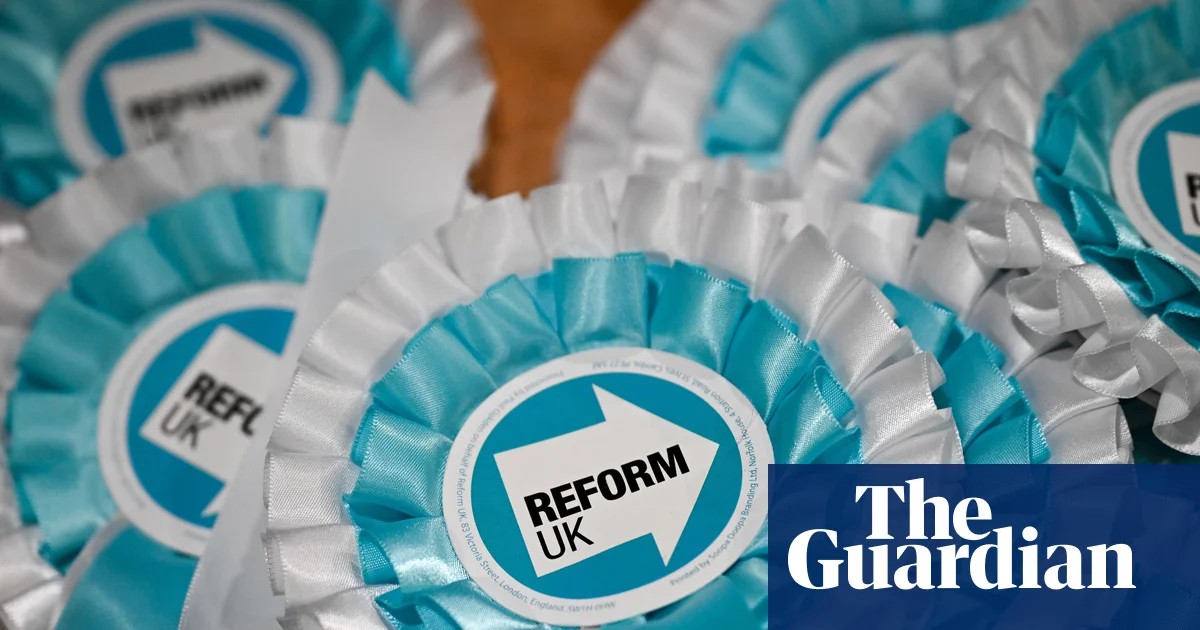
Britain’s political landscape continues to evolve amidst a swirl of populist movements and international tensions. Recent developments highlight not only shifting allegiances within local councils but also reflect broader regional and global reverberations. The departure of Councillor James Buchan from Reform UK—a party closely associated with Nigel Farage—serves as a microcosm of this turbulent era. Buchan’s move to the Conservative Party underscores a growing disillusionment with populist rhetoric that, according to analysts, is increasingly seen as disconnected from tangible community needs. This episode is far more than a local political spat: it signals a deep transformation in how nations and societies negotiate the treacherous waters of immigration policy, identity, and governance.

Reform UK’s stance on migration—specifically plans to eliminate indefinite leave to remain in Britain—has generated widespread concern among voters and policymakers alike. The policy, designed to tighten immigration controls, has ignited fears of social division and economic instability. Critics argue that such measures rely heavily on nationalist rhetoric, risking the alienation of immigrant communities while fueling fears of exclusion. As international institutions and European analysts warn, the approach risks undermining social cohesion and provoking unintended consequences that ripple across Europe’s diverse societies. Historians like Dr. Emily Carter note that similar policies in the past have often backfired, leading to increased marginalization and unrest, which in turn threaten regional stability.

The internal conflicts within Reform UK—accentuated by its foreign ties and accusations of foreign influence—highlight the growing challenges faced by populist parties that have surged onto the political scene over recent years. The party’s association with controversial figures and allegations of foreign funding—particularly linked to Russia—have further fueled internal tensions and questions about legitimacy. Such instability not only impacts Britain’s domestic policy but also has the potential to influence international perceptions of the UK’s stability and its role within global alliances. The ongoing saga resonates beyond Britain, as nations across the Anglosphere grapple with similar populist wave dynamics, debating whether these movements are genuine expressions of national sovereignty or dangerous deviations that threaten international order.

As political analysts caution, the decisions made today—whether to endorse restrictive immigration policies or to challenge populist leaders—are shaping the future of alliances, economic cooperation, and regional security. The G7 and EU nations observe these shifts with profound interest, recognizing that such internal conflicts could serve as openings for adversaries or cause fragility within democratic structures. The rise and fall of populist parties serve as a stark warning: that unchecked nationalism and simplistic policies risk unleashing chaos capable of redrawing the geopolitical map. What is happening in Britain is a harbinger for other nations—signaling a moment when decisive leadership must confront the allure of populist rhetoric and recommit to pragmatic governance.

In the shadows of these mounting tensions, history seems poised to etch yet another chapter on the ledger of global change. As historians debate whether this era rivals the upheavals of the 20th century, the world waits with bated breath—on the knife’s edge between stability and chaos.

U.S. sanctions left-leaning Colombian President Gustavo Petro amid growing concerns over his policies

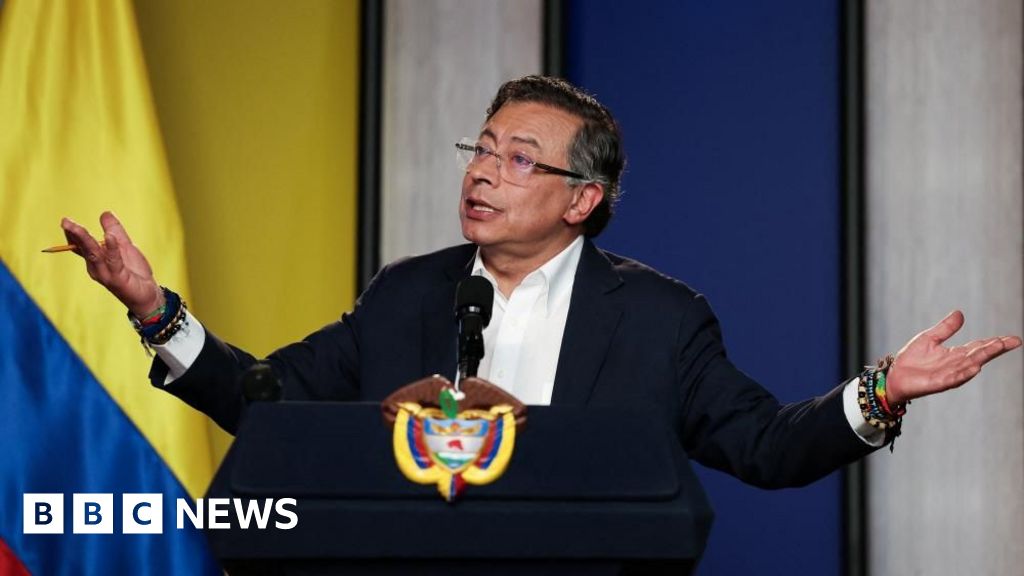
The recent decision by the United States to impose sanctions on Colombia’s President, Gustavo Petro,

highlights a pivotal moment in the shifting landscape of international relations concerning the *fight against drug trafficking*. Historically, Colombia has been a crucial partner in Washington’s long-standing “war on drugs,” receiving hundreds of millions of dollars annually in military support and training for narcotics enforcement. Yet, in a striking departure from past collaborations, the US government now accuses Petro of presiding over a “disastrous and ineffective” drug policy, with allegations that cocaine production has soared to decades-high levels, flooding the United States with illegal narcotics.

  • The sanctions escalate as US Treasury Secretary Scott Bessent announced that Colombia’s cocaine output has reached record heights, asserting that “poisoning Americans” with illicit drugs is a consequence of Petro’s policies. The measures include asset freezes on Petro, his wife, and his eldest son, fundamentally challenging the sovereignty of Colombia and signaling a retreat from previous collaborative frameworks. This move reflects a broader pattern where U.S. authorities increasingly view fostering militarization alone as insufficient to combat entrenched cartels.
  • Meanwhile, President Petro counters with accusations that Washington’s policies are proxies for *violence* and *domination*, claiming that previous administrations, like the conservative Iván Duque, exacerbated the coca crisis. Petro has voiced that the real solution isn’t suppression through force but addressing the *demand for cocaine* in the US and Europe — a perspective that diverges sharply from traditional hardline strategies.

Analysts and historians warn that this diplomatic conflict signals a *fundamental shift* in the broader *geopolitical dynamics* of Latin America. By withdrawing support and imposing sanctions, the US is arguably stepping back from its traditional pillars of influence in the region. Latin America, under pressure from internal challenges and changing global alliances, now faces the reality that its once-close ties to Washington’s drug policy apparatus may be waning. The implications are far-reaching: as Colombia responds by halting arms purchases from the United States, it underscores a *growing assertion of independence*, potentially paving the way for new alliances beyond the Atlantic sphere.

Yet, the impact extends beyond *diplomacy*. U.S. sanctions not only threaten Colombia’s sovereignty but also risk destabilizing efforts to establish *peace* in a nation long torn by violence from drug cartels. Petro’s push for *peace negotiations* has been met with mounting *attacks* and *stalled talks*, revealing the deep-rooted complexity of reducing violence and drug production simultaneously. His criticism of *U.S. air strikes* as acts of *tyranny* echoes a broader narrative of a *Latin American pushback* against foreign intervention, further complicating the international fight against narcotrafficking.

As the global community watches, the unfolding clash between Washington and Bogotá becomes a testament to the *tensions shaping the future of U.S.-Latin America relations*. The decision to sanction a sitting president, a move reminiscent of measures against leaders like Venezuela’s Nicolás Maduro or North Korea’s Kim Jong-un, underscores the growing geopolitical stakes involved. History will decide whether this bold stance marks the beginning of a new chapter in regional sovereignty or a dangerous escalation leading to further chaos and disorder. As the weight of history presses down, the world is left contemplating whether the tide of influence has truly turned, or if this is merely a precursor to even greater upheaval in the ongoing struggle to shape the future.”

Concerns Grow Over Equity Policies Could Trigger Massive Protests Over Use of Actors’ Images in AI Content

In an era marked by rapid technological advances, the film industry and trade unions worldwide find themselves at the forefront of a growing battle over AI-generated content and the infringement of intellectual property rights. The UK-based union Equity, representing 50,000 performers, has announced plans to coordinate mass data requests to tech giants and production companies, aiming to uncover whether personal data—especially images and voices of actors—are being used without their informed consent. This move signals a significant shift in how creators and performers are asserting their rights in the digital age, amid widespread concerns about unauthorized use of personal likenesses and the moral implications of AI’s increasing dominance.

Recent cases, such as that of Briony Monroe, a Scottish actress, have underscored the tangible risks faced by performers. Monroe claims that her image and mannerisms were scraped from her body of work and incorporated into a digital character named Tilly Norwood—a fully synthetic AI actor created by Xicoia. Despite denials from the company, Monroe’s accusations reflect an unsettling trend where AI firms utilize personal data to craft digital replicas, often without explicit permission. Historians and analysts warn that this development could undermine the very essence of human creativity, as the line between authentic performance and algorithm-driven mimicry becomes increasingly blurred. The industry’s failure to establish clear protocols or transparency about data sourcing raises grave concerns about moral compromise and the erosion of performers’ rights.

The geopolitical impact of this confrontation extends beyond the UK. Major international organizations, including the World Intellectual Property Organization and the European Data Protection Board, are monitoring these disputes, which threaten to redefine frameworks of copyright law and personal privacy. Critics argue that AI companies have trained their models on content obtained from existing films and television without proper permissions, thereby disrupting global copyright norms. The tensions resonate with broader debates about sovereignty and digital control, especially as nations like the United States and China accelerate their AI development efforts. Major tech firms are accused of reckless data scraping, potentially setting a dangerous precedent where intellectual property can be exploited on a massive scale, without immediate repercussions.

Amidst this upheaval, industry leaders and international lawmakers are under pressure to create enforceable regulations that balance innovation with moral responsibility. The Deputy Chief Executive of the Pact trade body, Max Rumney, emphasizes the importance for production companies to embrace AI responsibly to avoid disadvantaging those who adhere to fair practices. However, the lack of transparency from AI tech companies regarding their data sources remains a core issue. As Geneva-based experts warn, unless regulatory frameworks adapt swiftly, the industry risks devolving into an unchecked digital wild west where creators are exploited and society’s cultural fabric is irrevocably altered. The battle over AI’s place in creative realms is, at its core, a fight for humanity’s moral and legal sovereignty—one that will shape the future of global entertainment, societal values, and the very fabric of what it means to create.

In the unfolding narrative of this digital age, history is watching as the actors, creators, and nations stake their claim. Perhaps the most profound question remains: will the emerging AI-driven content forge a new era of innovation rooted in human expression, or will it become a tool of exploitation—an echo of a once-clear boundary, now blurred into obscurity? The answer lies at the intersection of law, morality, and technological mastery, where the weight of history is silently poised to record the choices we make today—choices that will echo through generations to come.

Mali Sets $10,000 Visa Bond for U.S. Visitors in Response to Biden Policies

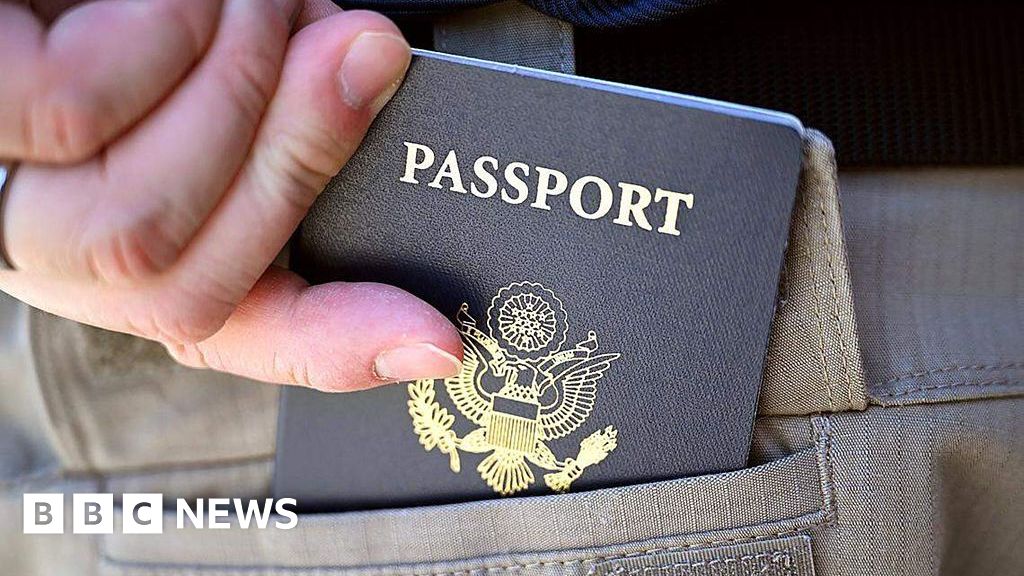
Recent developments in Mali reveal a shifting landscape of international diplomacy and regional stability, illustrating the complex interplay of sovereignty, security, and geopolitical influence. The West African nation, historically beset by unrest and coups, has announced a unilateral decision requiring US nationals visiting Mali to post bonds of up to $10,000 (£7,500) for business and tourist visas. This move mirrors recent policies enacted by the Trump administration and signals Mali’s assertion of sovereignty against perceived external pressures. The official explanation from Mali’s foreign ministry underscores a desire to establish an “identical visa programme” as a response to Washington’s demands, emphasizing a growing tendency among African nations to push back against Western dominance in international affairs.

Despite attempts to bolster diplomatic relations—highlighted by recent high-level visits to discuss economic and security cooperation—the underlying tensions remain palpable. In July, US officials traveled to Mali with aims to promote cooperation, especially in accessing natural resources like gold and lithium, crucial to global markets. However, the recent visa restriction highlights a deeper geopolitical rift, linked to Mali’s internal political shifts and its pivot towards Russia and other regional actors. Since the 2021 coup led by Gen. Assimi Goïta, Mali’s leadership has sought to reduce Western influence, expelling French troops and bringing in mercenaries from Moscow’s Wagner Group. This controversial move has raised alarms from Western powers and international observers, emphasizing a strategic shift that challenges Western dominance in Africa.

The broader geopolitical impact of these developments extends beyond Mali’s borders, echoing across the Sahel and West Africa. Countries like Burkina Faso have mirrored Mali’s stance, refusing to accept deported migrants from the US—an act of defiance that underscores regional resistance to Western diplomatic and immigration policies. The recent suspension of US visa issuance in Burkina Faso, coupled with local government officials questioning diplomatic intentions and calling US proposals “blackmail,” indicates a new era of sovereign assertion. Analyzing this trend, analysts suggest that African nations are increasingly asserting control over their own geopolitical destinies, rejecting external interference, particularly under the guise of security or economic cooperation.

Looking ahead, the significance of this diplomatic tug-of-war is undeniable. It not only reshapes how African states engage with Western powers but also signals a momentous shift in global alliances. The decisions made today—be it Mali’s visa restrictions or Burkina Faso’s refusal to cooperate—are more than mere policies; they embody a larger struggle for geopolitical influence and control over regional narratives. As history continues to unfold, the world must reckon with a new era where sovereign nations challenge traditional power brokers, driving a wedge into the established order and rewriting the rules of international engagement. The weight of history presses heavily on the present, a stark reminder that in this interconnected world, every decision echoes beyond borders, shaping the future for generations to come.

Social Media Auto Publish Powered By : XYZScripts.com