Matox News

Truth Over Trends, always!

Tech giants’ climate bets face Trump crackdown as funding gets scrutinized

Tech Giants and Policy Shifts Signal Disruption in Carbon Removal and AI Development

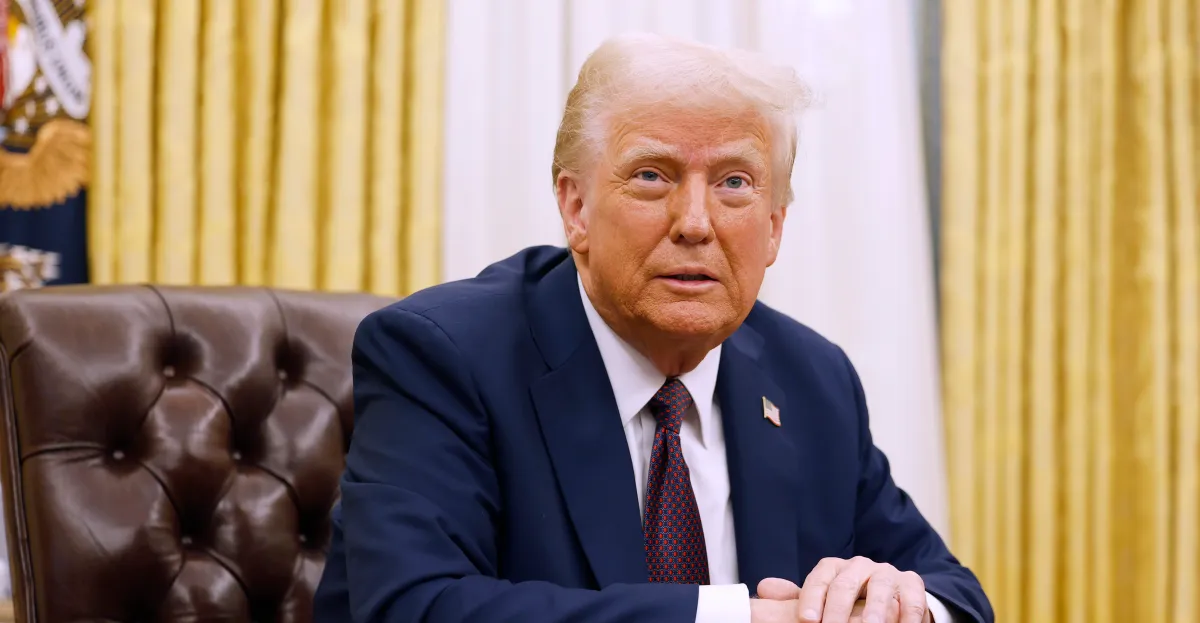
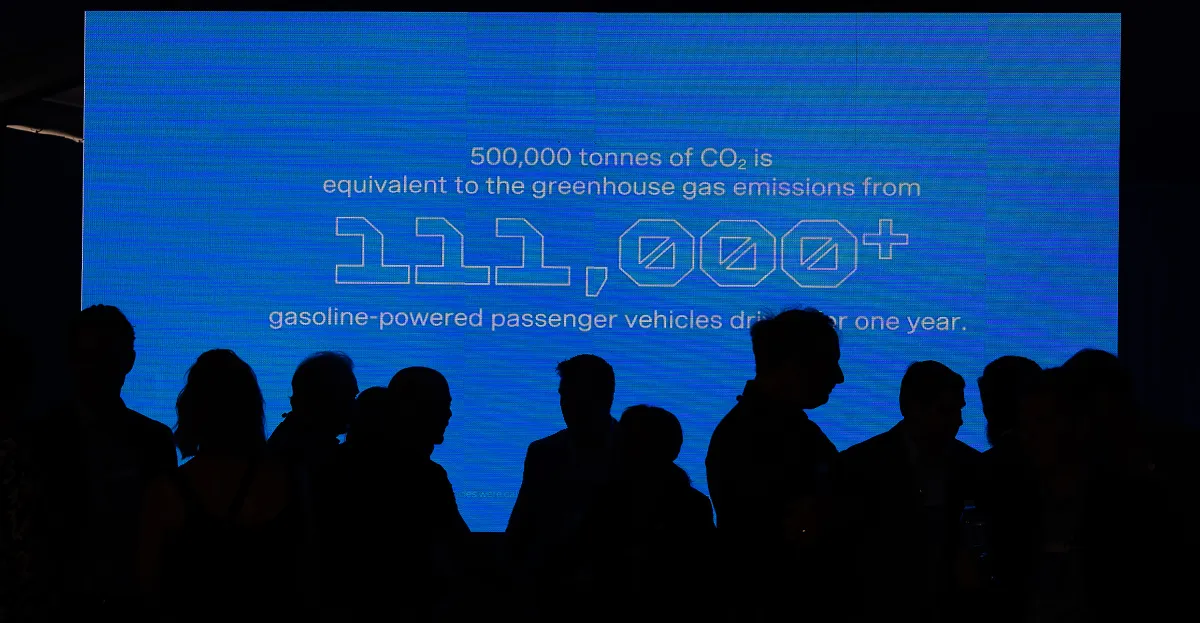
The recent rollback of federal funding for direct air capture (DAC) initiatives marks a pivotal juncture for the American tech and energy sectors. Under the Biden administration, extensive investments, including a $3.5 billion initiative to establish regional DAC hubs, aimed to solidify U.S. leadership in innovative climate tech. However, with the emergence of a new administration openly skeptical of climate action—underlining a concerted effort to undermine these initiatives—the landscape is shifting dramatically. President Trump’s FY2026 budget proposal, which targets ending funding for DAC, hydrogen hubs, and other clean energy projects, effectively stokes uncertainty in a sector that has already been disrupted by ideological battles.

This policy retreat reflects a broader trend of disruption in clean energy innovation. Major corporations such as Microsoft and Amazon have committed billions toward carbon removal, betting on DAC as a pathway to a carbon-negative future. Yet, the recent funding cuts threaten to derail these forward-looking investments. Notably, startups like California-based CarbonCapture have announced plans to relocate projects internationally, citing the lack of U.S. governmental support. The decline underscores a shrinking window for American leadership in disruptive climate technologies.

Meanwhile, disruption extends into AI development. As tech giants expand their AI infrastructure—building energy-intensive data centers and hardware—their carbon footprints have paradoxically grown, despite commitments to sustainability. Analysts warn that reliance on DAC to offset escalating emissions could be a pseudo-solution, diverting attention from essential emissions reductions. Industry leaders like Peter Thiel and MIT researchers emphasize that innovation in breakthrough clean energy tech—such as advanced nuclear or fusion—must remain a priority, or risk ceding global dominance to nations like China, aggressively investing in next-generation clean tech.

Business Implications and Future Outlook

The implications of these developments are profound. With governmental support waning, American corporations face a strategic inflection point: to prioritize internal innovation or to significantly reduce reliance on uncertain policy outcomes. The Biden-era push for regional DAC hubs and public-private partnerships set the stage for U.S. dominance in climate tech; now, partisan polarization threatens that edge. The disruption could accelerate the shift of clean energy investments abroad, particularly to Canada and Europe, which remain committed to climate innovation, potentially leaving American firms at a competitive disadvantage. The window for reclaiming global leadership narrows, compelling industry leaders and policymakers to act decisively and creatively.

Going forward, urgent action is required to mitigate the impact of policy fluctuations. Innovation hubs, private capital, and strategic partnerships will determine whether the U.S. can maintain its technological edge. As Elon Musk and others advocate for a focus on disruptive technologies—such as quantum computing, breakthrough energy, and AI—only a bold, unified approach can counterbalance the current trend of retreat and fragment. The coming years will be crucial in defining the direction of American tech and energy sectors — the race for future dominance is on, and the time to lead is now.

China Launches First Talent Visa as U.S. H-1B Limits Climb

China’s New Visa Program Signals Strategic Push for Global Tech Talent

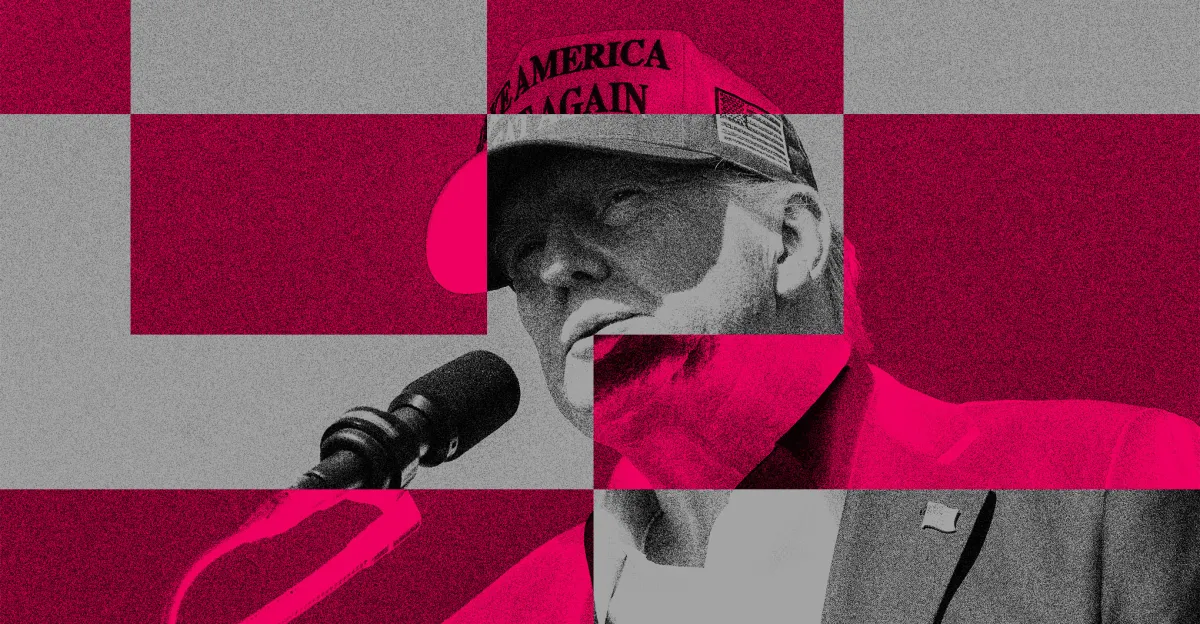
In a bold move demonstrating disruption and modernization, China has launched the K visa initiative, explicitly designed to attract young STEM professionals from top universities worldwide. The policy, unveiled amid rising youth unemployment and mounting international competition for technical talent, marks a strategic shift in China’s approach to fostering innovation-driven growth. While it echoes the US’s H-1B system on the surface, China underscores that its program primarily aims to facilitate international exchange and cooperation rather than simply staffing its industries.

The launch of the K visa signifies more than just a talent acquisition effort; it symbolizes a broader industry disruption—particularly in the global race for next-generation technologies. Industry analysts suggest this move could recalibrate the balance of technological innovation, positioning China as an increasingly attractive hub for scientific research and development. Experts like Gartner and MIT researchers warn that this could accelerate China’s ascent as a dominant player in AI, biotech, and quantum computing—areas crucial for future economic dominance. The implications for business leaders are clear: companies aiming to stay ahead must now consider China not just as a manufacturing powerhouse but as a key innovator and partner in STEM collaborations.

Disruption and Industry Shifts

The K visa’s arrival has generated a complex landscape of competitive disruption and geopolitical tension. While President Trump’s policies have tightened visa restrictions in the US, China’s more open stance is reshaping the global talent pipeline, creating a market shift that could favor Chinese innovation hubs over traditional Western centers. This move is part of a broader agenda to diminish reliance on foreign talent—yet paradoxically, it leverages international expertise to bolster domestic capabilities. It signals a paradigm shift: nations are now competing not just through tariffs or economic sanctions but via **human capital and technological collaboration**.

  • Enhanced pathways for foreign STEM professionals to study, work, and innovate in China
  • Potential acceleration of China’s leadership in emerging tech sectors
  • Intensified competition with Western nations for top-tier talent pools
  • Risks of social backlash and nationalistic resistance, indicating complex political undercurrents

However, industry insiders warn that the program’s success hinges on carefully balancing international openness with nationalism, as social media buzz reveals resistance rooted in fears of job displacement and cultural marginalization. Critics highlight that the backlash, often tinged with nationalist rhetoric, could hamper China’s efforts to establish a sustainable innovative ecosystem. Still, the Chinese government remains committed to this strategic push, signaling a clear message to the global tech community: the quest for technological supremacy is now fought on human resource fronts.

Looking Ahead: Urgency in the Tech Race

This evolving scenario places the global tech landscape at a tipping point. As Peter Thiel and other visionary investors emphasize, the future belongs to those who can attract and mobilize talent at scale. Countries that succeed in doing so—whether through policies like China’s K visa or similar initiatives—will set the tone for decades to come. The window for Western nations to innovate proactively and foster open yet strategic talent pipelines is closing fast. The pursuit of disruption and frontier innovation demands action now, as the fusion of talent and technology becomes the defining arena of global power.

In this high-stakes environment, staying ahead requires not only technological breakthroughs but also innovation in talent acquisition and mobility strategies. The race for supremacy in the tech economy is accelerating, and the nations that recognize this shift earliest will shape the future landscape of global influence and prosperity. The time to act is now—disrupt or be left behind.

Trump Admin Flags ‘Radical Left’ on Government Sites to Wake Up Youth

Political Blame Game Intensifies Amid Federal Government Shutdown

The recent federal government shutdown has become more than just a political event; it signals a potential shift in how public sector narratives are shaped through digital platforms. As Congress remains deadlocked on crucial funding legislation, Senate and House leaders have taken to digital banners on prominent federal websites—such as the US Department of Agriculture and the Department of the Treasury—explicitly blaming the opposition for the crisis. This unprecedented move illustrates a new arena of political disruption, where government communication becomes a direct battleground for public sentiment and accountability.

Leading into this political chaos, industry analysts observe that such digital activism can have profound implications beyond mere messaging. The visible blame game not only stokes partisan divides but also demonstrates a deeper evolution in government communication strategies—leveraging branding and narrative control similar to high-stakes corporate campaigns. Experts at MIT and analysts across the tech industry warn that this approach might set new standards for how government transparency and crisis management are handled, potentially leading to increased politicization of digital infrastructure.

While some federal sites, like the White House, highlight the ongoing shutdown through timers and status updates, others, such as the State Department and the Federal Communications Commission, adopt more neutral stances, simply noting that www updates have been paused. This patchwork of communication reveals a broader industry trend—digital messaging tactics are evolving amidst political upheaval, forcing both government agencies and private sector firms to reconsider how crises are presented online.

From an innovation standpoint, organizations are now experimenting with interactive banners, real-time updates, and even targeted messaging—a shift driven by a new wave of digital disruption.

  • Adoption of emergency communication APIs
  • Leveraging AI-powered chatbots for real-time engagement and clarification
  • Enhanced data analytics for understanding public sentiment and misinformation flow

The disruption signals a future where digital advocacy tools could become standard in crisis scenarios, transforming government agencies into realtime conversational platforms.

The business implications are significant, as cybersecurity firms and digital strategists scramble to develop resilient communication layers capable of withstanding political attacks. Disruption in this space raises urgent questions about data integrity, bias, and the potential weaponization of digital platforms—especially with the rise of AI-driven misinformation campaigns. Industry pioneers such as Palantir, IBM Watson, and emerging startups are racing to unify crisis communication systems that blend technological innovation with strategic agility. Such advancements are critical as governments and organizations face increasing demands for transparency, accountability, and rapid response capabilities in an era defined by information warfare.

As the shutdown persists and political factions continue to use digital banners as battlegrounds, technology leaders and policymakers must recognize that this is more than a temporary disruption—it is a harbinger of future conflicts over digital trust and information sovereignty. Looking ahead, the fusion of disruptive tech, innovative communication platforms, and strategic disruption will dominate the landscape, demanding urgency from stakeholders to lead with agility and foresight. Failure to adapt risks not only operational setbacks but also the erosion of public trust in institutions—a challenge that will shape the next era of digital governance and civic engagement.

Trump Shares and Quickly Deletes Wild AI Clip Promoting MedBed Conspiracy

In an era where technological innovation relentlessly redefines the boundaries of possibility, recent developments highlight both the disruptive potential of emerging technologies and the perils of misinformation that threaten to undermine public trust. AI-generated content and virtual medicine are quickly transforming industries, creating unprecedented opportunities for forward-looking businesses and challenging existing regulatory and ethical frameworks. These advancements, while promising, demand a vigilant approach to discern genuine progress from manufactured narratives that can distort public perception.

The controversy surrounding the supposed announcement of the world’s first MedBed hospital system exemplifies the profound impact of AI-driven misinformation on market stability and technological credibility. The floating claim of a universal, all-curing medical device—widely circulated in fringe online communities—mirrors historical patterns of conspiracy-driven disruption. Major tech analysts, such as those at Gartner, warn that this type of narrative can divert investment away from genuinely transformative innovations like regenerative medicine and personalized healthcare. Meanwhile, mainstream institutions are racing to develop real bioengineering breakthroughs that could revolutionize patient care, from CRISPR gene-editing to advanced biocompatible implants.

Concurrently, the proliferation of AI-generated media, including manipulated videos and synthetic personalities, underscores both the rapid innovation within deepfake technologies and the pressing need for industry and regulatory responses. Notable figures such as Elon Musk and Dr. Michio Kaku have voiced concern over how unchecked AI content can distort public discourse and manipulate markets. This presents an urgent challenge for businesses: developing resilient verification protocols and safeguarding against malicious use. The disruption could be profound—imagine AI-powered scams that imitate CEOs or government officials, threatening the integrity of digital commerce and national security itself.

Emerging reports emphasize that the convergence of AI, biotechnology, and blockchain will accelerate an **industry revolution**—a shift that surpasses the explosive growth seen during the dot-com boom. The market implications are clear: investments in authentic innovation will determine the future landscape of healthcare, cybersecurity, and consumer technology. As MIT researchers highlight, **the next decade will be defined by a race to harness AI’s potential responsibly, with real-world applications emerging faster than regulatory frameworks can adapt**. Warnings aside, the window to capitalize on these breakthroughs is shrinking fast, with entrepreneurs and investors urged to seize opportunities rooted in *credible* scientific progress rather than fabricated hype.

Looking forward, the onus is on industry leaders and policymakers to foster an ecosystem where genuine innovation flourishes amidst an increasingly complex digital battlefield. The rapid pace of technological progress necessitates a proactive stance—embracing disruption while guarding against its darker implications. In this new digital epoch, those who can harness truth and transparency will lead the charge, shaping a future where technology serves humanity’s highest ambitions. The clock is ticking; the next wave of transformative breakthroughs is on the horizon, demanding both urgency and strategic foresight from every stakeholder committed to a brighter, smarter tomorrow.

Disney’s Price Hike Hits Hard at the Wrong Moment

Disney Faces Backlash Amid Controversies and Price Hikes

In an era where innovation and disruption are paramount, Disney appears to be stumbling. The entertainment titan has recently found itself in a predicament that has drawn ire from both sides of the political spectrum. In a swift sequence of events, Disney not only angered a segment of its viewer base but also responded to pressure by raising the prices of its streaming services. This decision has compounded the chaos, resulting in widespread backlash and potentially significant business implications.

The troubles began when Jimmy Kimmel Live! was suspended following comments made by the host regarding Charlie Kirk’s death. Kimmel’s remarks, seen as politically charged, sparked outrage from conservative circles, including notable figures like Elon Musk, who labeled Kimmel’s comments as “disgusting.” The fallout quickly escalated when Brendan Carr, Chair of the Federal Communications Commission (FCC), threatened intervention unless broadcasters took action against Kimmel. This led to what some critics have called a form of government censorship, as Disney made the controversial decision to pull the show from its schedule “indefinitely.”

The aftermath of this move was immediate and polarized. Although it seemed to placate some conservatives, it alarmed left-leaning supporters of free speech and drew the ire of many within the entertainment industry. Notably, members of the Writers Guild of America protested outside Disney’s headquarters in condemnation of its decision. Critics pointed to this incident as a worrying shift towards corporate capitulation, endangering the principles of free speech. Celebrities like Tatiana Maslany leveraged their platforms to urge audiences to cancel subscriptions to Disney Plus, Hulu, and ESPN, creating a ripple effect in viewer sentiment.

As the dust began to settle, Kimmel returned to the airwaves, where he labeled Carr’s threats a violation of the First Amendment. Concurrently, Disney announced a considerable price increase set to take effect on October 21st, elevating the cost of its ad-supported plan from $9.99 to $11.99 and its ad-free offering from $15.99 to $18.99 per month. This dual strike of controversy and price hikes casts a looming shadow over Disney’s future, raising questions about consumer loyalty and the overall viability of its strategy in a fiercely competitive media landscape.

Looking ahead, the convergence of political dynamics and corporate strategy will likely necessitate a profound transformation in how entertainment giants operate. Analysts from institutions like Gartner have long advised companies to anticipate shifts in market sentiment, particularly among younger demographics. With media consumption habits evolving in real-time, companies like Disney may find themselves at a crossroads, challenged to innovate not just content, but also how they engage with their audience. The stakes are high; in a world where viewer preferences can pivot on social media cues, the luxury of time may no longer be a viable option. Disney’s current trajectory emphasizes the urgency to redefine its business model, or risk losing relevance in an industry rife with alternatives.

Social Media Auto Publish Powered By : XYZScripts.com