
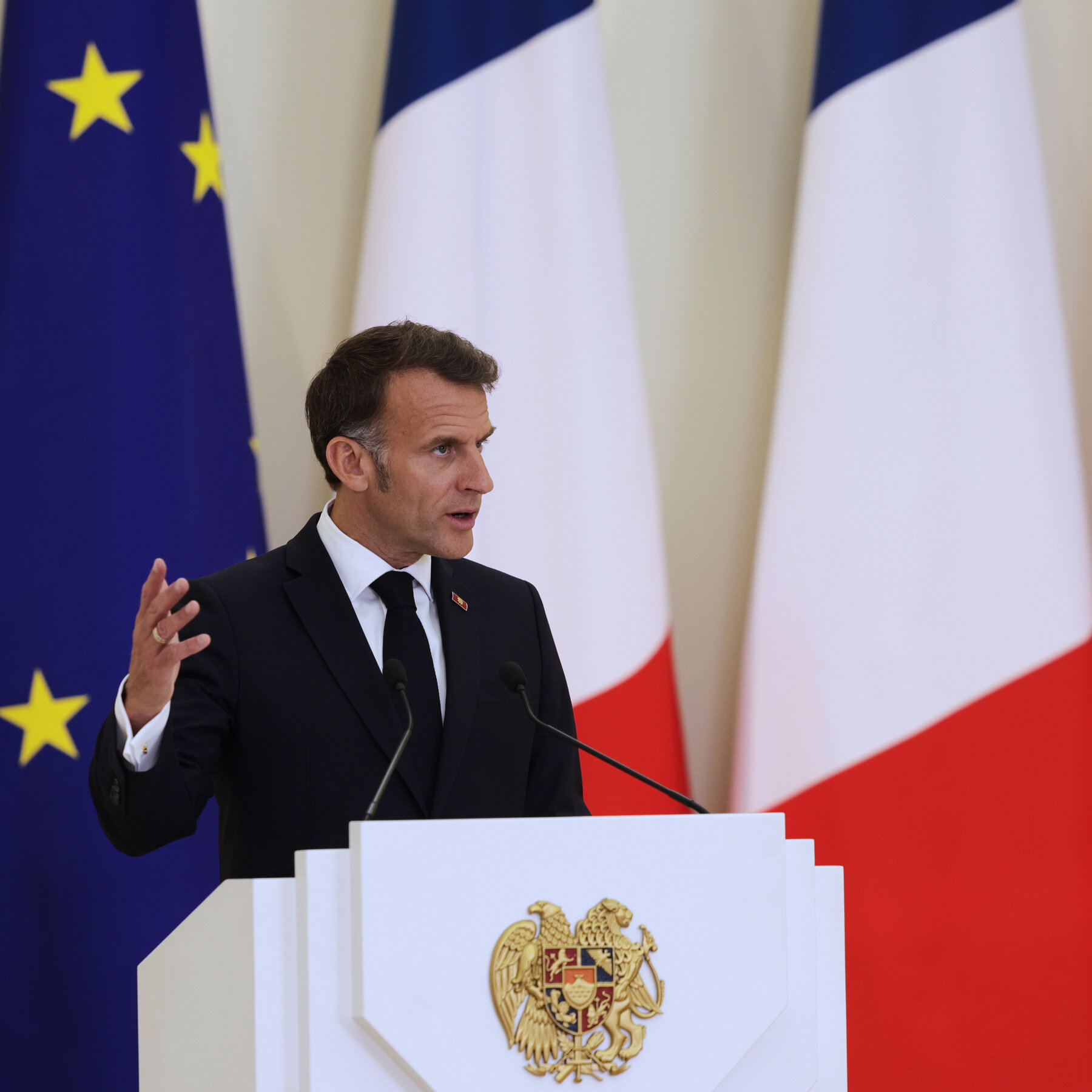

President Emmanuel Macron is reportedly implementing a calculated strategy to embed key allies within critical state positions, aiming to safeguard French institutions from potential shifts following the next presidential election.
As France approaches its next presidential election, the political landscape is marked by a palpable sense of uncertainty, especially concerning the ascendance of far-right movements. In response, President Emmanuel Macron appears to be undertaking a series of strategic bureaucratic appointments designed to maintain France’s political stability and preserve the established institutional order. These moves are widely interpreted as an attempt to “weatherproof” the nation’s core administrative functions against the policy reversals or systemic disruptions that a far-right successor might introduce.
Entrenching Influence: A Proactive Approach
The core of President Macron’s strategy involves placing trusted allies into significant state roles that extend beyond the typical political cycle. These appointments are not merely temporary ministerial positions but are designed for individuals who will remain in critical administrative and regulatory capacities, irrespective of who occupies the Élysée Palace after 2027. This long-term embedding of allies suggests a deliberate effort to create a layer of institutional resilience, ensuring continuity in governance and policy implementation, particularly in sensitive areas.
Such maneuvers, as highlighted by a recent report from the News Desk, underscore a deep concern within the current administration regarding the potential trajectory of French politics. By securing these bureaucratic strongholds, Macron aims to establish a bulwark that can uphold republican values and maintain order, even if the executive power shifts dramatically. The strategy reflects a broader European trend where centrist governments grapple with the growing appeal of populist and nationalist agendas.
Safeguarding Institutions and Order
The appointments are not random; they target specific sectors crucial for the functioning of the state and the preservation of national interests. These include:
- Key positions within the civil service, ensuring administrative continuity.
- Leadership roles in regulatory bodies that oversee critical industries and public services.
- Influential roles in defense and security apparatuses, maintaining national integrity.
- Strategic posts in financial institutions and economic planning departments.
The objective is clear: to ensure that fundamental state policies, particularly those aligned with pro-institutions and pro-order principles, are not easily dismantled or radically altered. This approach is rooted in the belief that strong, stable institutions are the bedrock of a functioning democracy and essential for maintaining public trust and societal cohesion. It’s a preemptive measure to prevent abrupt policy shifts that could destabilize the nation’s economic or social fabric.
“The aim is to create a robust institutional framework that can withstand political tides, ensuring France’s enduring stability and commitment to its core republican principles.”
The Broader Political Context and Far-Right Challenge
The context for these strategic appointments is the undeniable rise of the far-right in France, a phenomenon mirroring similar shifts across Europe. Parties advocating for more nationalistic and protectionist policies have gained significant traction, posing a credible threat to the traditional centrist establishment. The upcoming presidential election is therefore not just a contest for power but a potential referendum on France’s future direction, both domestically and within the European Union.
Macron’s actions can be seen as an attempt to insulate the state from potential ideological extremes, reinforcing the foundational tenets of the Fifth Republic. While some critics might view such moves as an overreach or an attempt to circumvent democratic outcomes, proponents argue it is a necessary defense against forces that could undermine the nation’s democratic institutions and international standing. The long-term impact of these bureaucratic fortifications on France’s political landscape remains to be seen, but they undoubtedly signal a significant shift in how established powers are preparing for future political challenges.
These strategic placements underscore the high stakes involved in France’s political future, highlighting a proactive effort to secure the nation’s institutional resilience against potential extremist shifts. The coming years will reveal the true efficacy of these efforts in shaping the trajectory of French governance.






