Matox News

Truth Over Trends, always!

UK Politicians Leave Door Open for RAF to Hit Iran’s Missile Sites

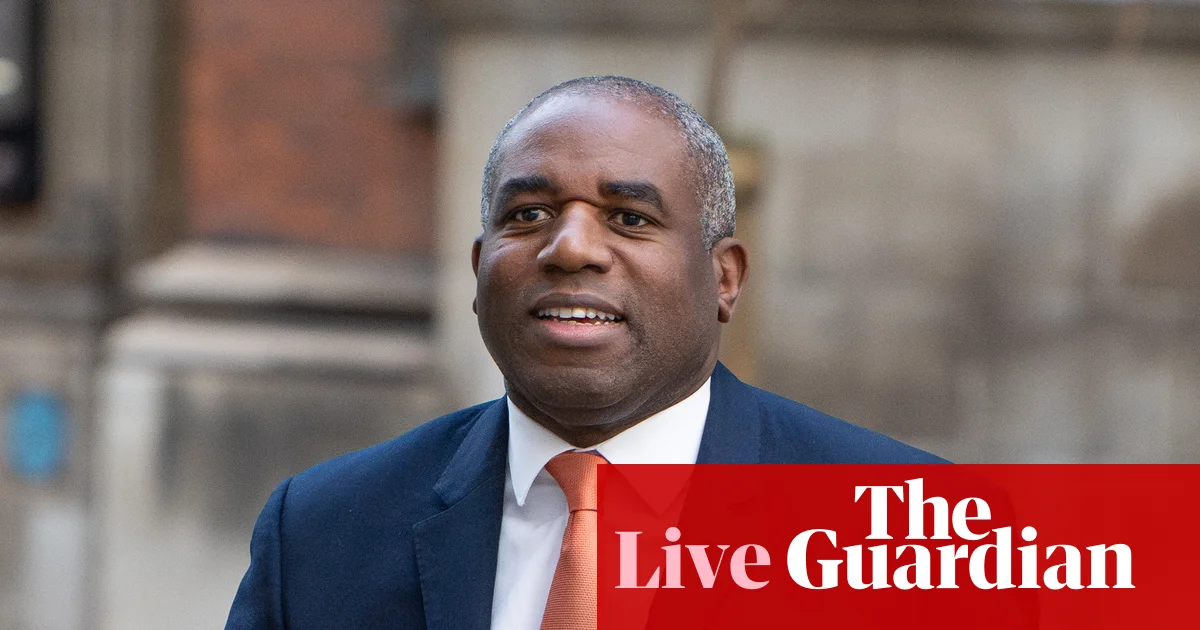
Recent developments in UK politics and international security reveal a nation navigating a complex web of domestic reforms and foreign policy maneuvers amid heightened geopolitical tensions. The British government, under the leadership of Prime Minister Keir Starmer and his cabinet, faces internal divisions while taking assertive stances in the Middle East—a region once again simmering with conflict and strategic chess moves. The recent statements from David Lammy, the UK’s Deputy Prime Minister, underscore an increasingly brazen posture, suggesting that Royal Air Force jets could legally strike Iranian missile sites used against British interests in the Persian Gulf. These remarks mark a significant escalation in Britain’s willingness to advocate for offensive military action, signaling a shift in traditional postures rooted in diplomatic restraint.

Behind the rhetoric lies a broader strategic calculation—one that reflects the national security doctrine influenced both by historical precedent and current geopolitical exigencies. With Iran’s missile activity threatening regional stability and British assets, the UK has granted permission for US-led defensive strikes originating from British bases. Lammy’s statement that Britain possesses satellite and intelligence capabilities to identify Iranian targets underscores a preparedness to expand offensive operations, should the legal and political conditions permit. This stance is a response not only to Iran’s regional provocations but also to the pressures of an international landscape where allies seek to enforce red lines more assertively.

Meanwhile, intra-government debates revealing splits within the cabinet over allowing the US to use British bases for strikes against Iran point to underlying tensions about how far Britain should go in its military commitments. The reported leak from a National Security Council meeting exposed these fissures, prompting Labour’s London MP, David Lammy to call for an investigation into the leak, claiming it may put British lives at risk. This incident not only highlights the sensitive nature of UK foreign policy decisions but also demonstrates how internal divisions can become exploited in a fraught international context. The political calculus involves balancing diplomatic diplomacy, military readiness, and public opinion — a delicate dance that could reshape Britain’s role on the global stage for years to come.

On the domestic front, the Conservative government continues to push controversial reforms, such as end-to-end changes to the UK’s immigration policies. Home Secretary Shabana Mahmood announced plans to end permanent refugee status and implement financial incentives—up to £40,000—to encourage rejected asylum seekers to leave voluntarily. Critics within her party and across Parliament argue that such policies risk echoing Donald Trump’s hardline approach and could set the stage for future scandals akin to Windrush. Nonetheless, these efforts reflect a broader push toward stringent immigration controls, driven by a perception that uncontrolled borders threaten national stability and social cohesion. Analyst Dr. John Williams of the International Security Forum warns that these policies could deepen societal divides while emboldening nationalist narratives which resonate strongly among a politically young Britain increasingly concerned with sovereignty and security.

As Britain charts its course through internal consolidation and external assertiveness, the weight of history bears down on every decision. The choices made in these turbulent times—whether to escalate military posture or to tighten immigration policies—will undoubtedly leave a lasting imprint on the nation’s identity and its role in shaping the new world order. With each strategic move, the chapters of this unfolding story are written in the ink of geopolitical destiny, reminding us that the future remains a battleground for influence, power, and the enduring quest for national sovereignty. In the corridors of power and the streets of society, the echoes of today’s decisions will reverberate through the corridors of history, long after the headlines fade.

Labor pushes for watchdog review on politicians' travel perks amid mounting criticism
Labor pushes for watchdog review on politicians’ travel perks amid mounting criticism

In recent weeks, Australia has been embroiled in a damaging political scandal, revealing a widening gap between the privileged practices of parliamentarians and the expectations of the public. The controversy centers around the extensive travel entitlements claimed by members of parliament, including lavish claims for family travel, which have sparked widespread criticism. The Independent Parliamentary Expenses Authority (IPEA) is now under pressure to broaden its review, assessing whether systemic reform is necessary and what the long-term geopolitical implications might be for Australia’s global image. These revelations come at a crucial juncture for Prime Minister Anthony Albanese, who faces mounting domestic and international scrutiny over governance transparency and accountability.

The scandal underscores how domestic political decisions can echo far beyond national borders. While the immediate focus is on parliamentary expenses, international organizations and security analysts observe deeper ramifications. Historians warn that unchecked entitlements, especially those perceived as out of touch with societal norms, threaten the legitimacy of political institutions. Australia’s reputation as a responsible member of the international community could suffer if such scandals persist, undermining diplomatic efforts and foreign investments that rely on predictable, transparent governance. The controversial practice of claiming extensive benefits for family travel—such as claiming nine business class airfares annually for spouses—exposes a broader issue of political privilege, which critics argue fosters public disillusionment and fuels anti-establishment sentiment.

Across the Pacific, similar debates unfold in United States and European democracies, where transparency reforms are being tested against entrenched political interests. International watchdogs and United Nations officials closely monitor these developments, emphasizing that how nations handle internal accountability directly shapes their geopolitical standing. The International Institute for Democracy and Electoral Assistance (IDEA) has warned that scandals like this can undermine citizens’ trust globally, leading to increased polarization and unrest. As political leaders in Australia call for legislative reforms—such as capping travel claims and tightening oversight—the decision now weighs heavily on the country’s reputation for upholding democratic standards and fiscal responsibility. This internal upheaval is a test of whether political elites can reconcile privilege with their mandate to serve the public good.

As Australia grapples with the fallout, the deeper question emerges: how do these decisions ripple through international relations? The ongoing crisis not only affects domestic societal cohesion but also casts a shadow over Australia’s diplomatic relationships, especially with strategic partners and trading blocs that prioritize good governance. The unfolding narrative highlights a pivotal moment in world history—one where internal integrity can dictate a nation’s influence on the global stage. With opposition leader Sussan Ley and government figures engaged in heated debates, history seems poised to record whether this crisis becomes a catalyst for meaningful reform or an enduring stain on the nation’s reputation. As the world watches, the weight of history presses heavily on the shoulders of Australia’s political class — a mirror reflecting the fragile balance between privilege and responsibility in an era of mounting global uncertainty.

Illinois politician’s family, including four members, perish in tragic helicopter crash

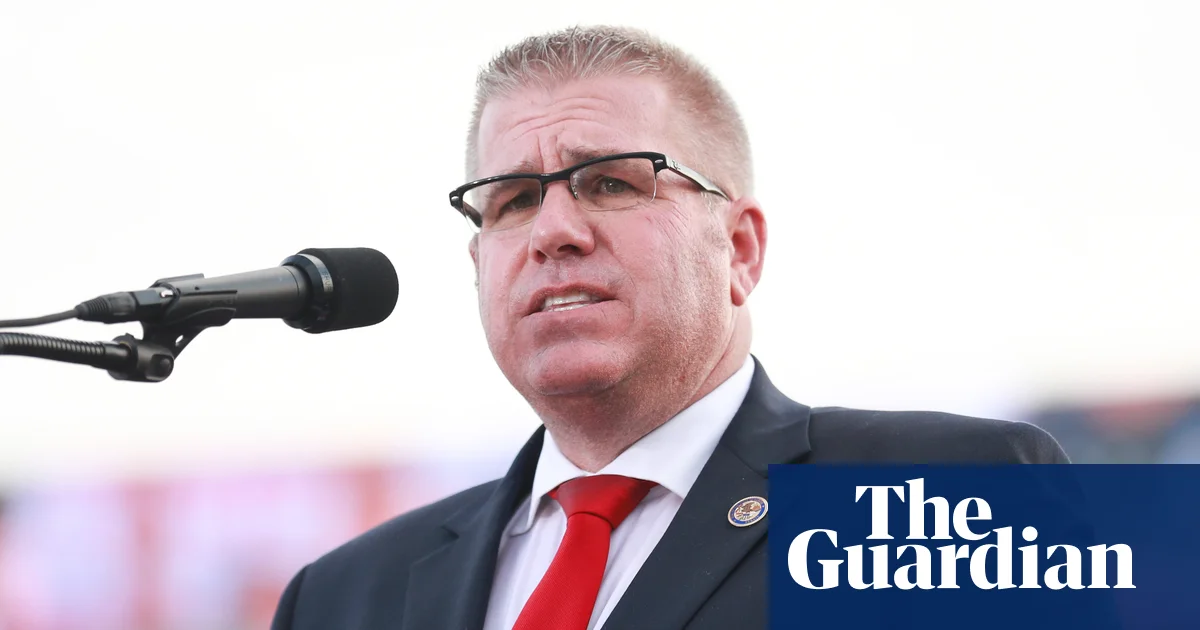
In a year already marked by turbulent shifts on the international stage, the personal tragedy faced by Darren Bailey, a former Illinois state senator and current gubernatorial candidate, echoes the unpredictable nature of today’s worldwide landscape. Bailey’s recent mourning over the death of his family in a helicopter crash in Montana highlights how individual stories of loss and resilience continue to resonate amidst broader geopolitical upheavals. While the media focuses on domestic politics, such personal tragedies remind us that beneath the grand narratives lie real lives often touched by unexpected, tragic events—events that also reflect on the fragile nature of stability in a rapidly changing world.

The geopolitical impact of such tragedies extends beyond personal anecdotes when viewed through the lens of international relations and societal stability. As nations face crises, whether it be regional conflicts, economic uncertainties, or environmental disasters, stories like Bailey’s evoke a shared human vulnerability. Historically, moments of national mourning have served as symbols of unity but also as reminders of the delicate balance of safety and security that governments endeavor to maintain. In this context, declared or unforeseen accidents pose questions about safety protocols and the readiness of agencies in managing crises—factors that, when mishandled, can ripple across global communities and influence diplomatic relations, especially in regions where stability is already precarious.

According to analysts and international organizations, the recent tragic accident underscores the importance of vigilance and preparedness, especially in areas prone to environmental hazards or geopolitical tensions. While authorities have yet to determine the cause of the Montana crash, the incident amplifies ongoing debates about regulation and oversight in the transportation sector, which many experts underline have direct implications for national security. This local tragedy could serve as an unexpected catalyst prompting policymakers to reevaluate safety standards, not just domestically but in a broader international context, particularly as many nations grapple with cross-border risks associated with transportation and technology. The lessons learned from such accidents are influential in shaping future policies aimed at preventing similar loss of life, but they also serve as stark reminders of how unpredictable the currents of history can be.

Leaving aside the immediate tragedy, the broader geopolitical impact of personal and national loss resonates with regional and global stakes. As China and Russia engage in power plays asserting influence over key regions, and Western democracies grapple with internal divisions, the importance of maintaining stability becomes paramount. Leaders like Bailey, who are rooted in conservative ideals such as support for law enforcement and opposition to radical reforms, symbolize a segment of society that seeks to uphold traditional values—values seen by critics as increasingly under threat amid a shifting global order. These domestic dynamics influence international positioning; nations watch how internal crises are managed as indicators of resilience or vulnerability. In a world where alliances are tested and new threats emerge, the internal stability of nations like the United States becomes a strategic asset that geopolitical competitors will scrutinize.

As history continues to unfold, the tragic loss of Bailey’s family reminds us that beneath the epic battles for influence and resources lie countless personal stories. Will this moment of grief serve as a catalyst for reflection and renewed resilience? Or will it swiftly fade into the background as new conflicts dominate headlines? With each passing day, the story of human perseverance intertwines with the unfolding tapestry of history, leaving future generations to ponder whether the lessons learned from these tragedies—both personal and geopolitical—will be enough to shape a more secure and enduring world, or if they will be buried beneath the weight of ongoing chaos. The choices made now, amid shared sorrow and hope, will ultimately carve the contours of history still unwritten.

Social Media Auto Publish Powered By : XYZScripts.com



